
Quick Answer
Plano TX fire damage restoration guide. 60-min response, brick veneer recovery, Blackland clay soil risks after fire. IICRC-certified, 24/7 emergency.
Why Plano Homes Face Unique Fire Damage Challenges
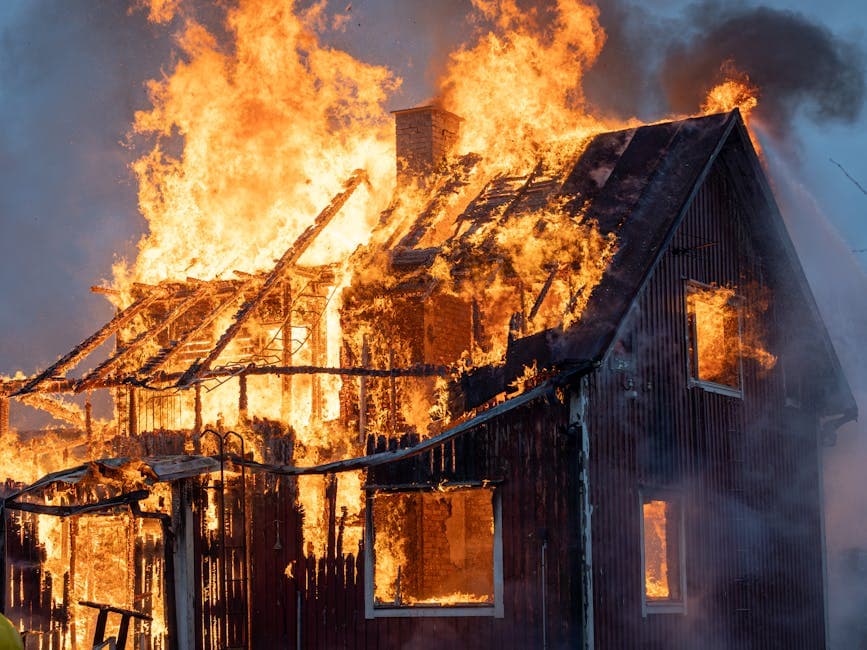
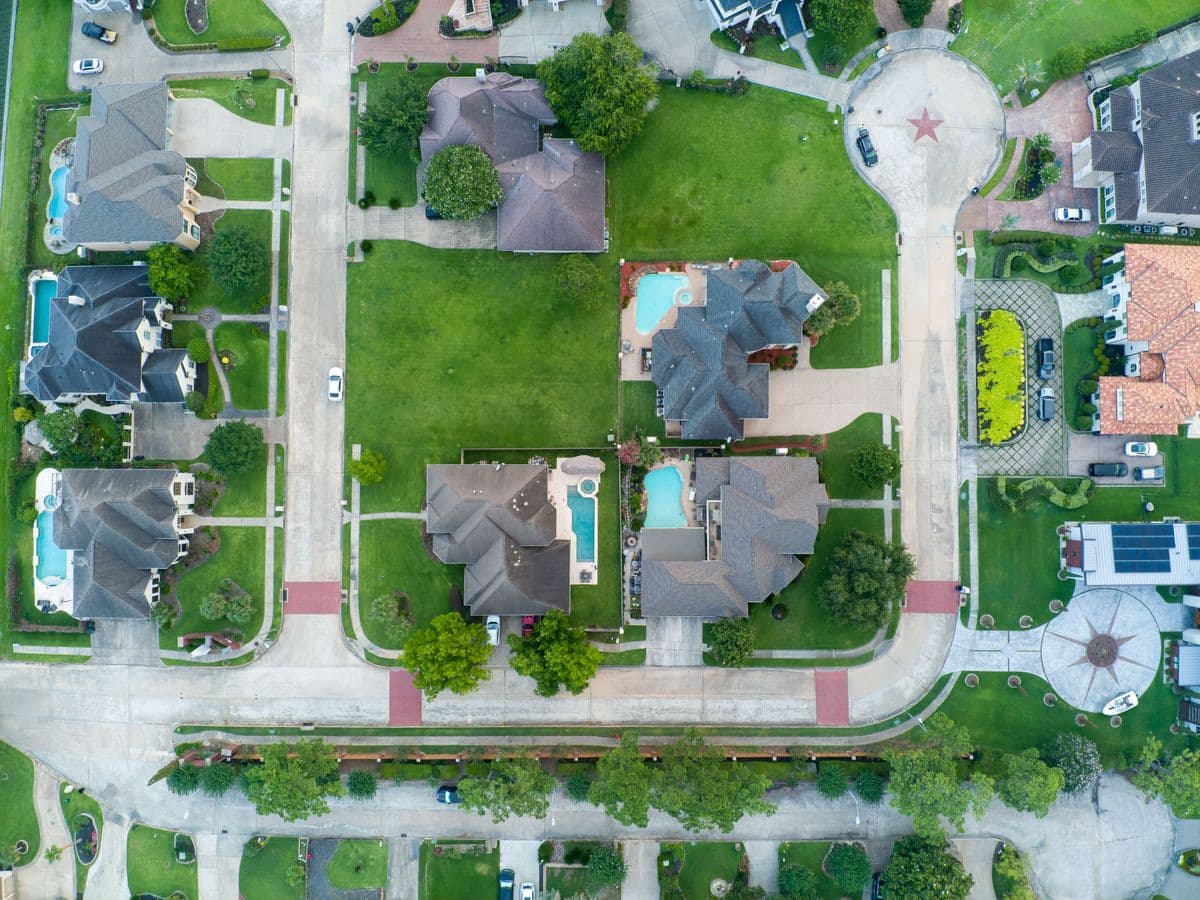
When fire breaks out in a Plano home, the damage chain does not stop at burned framing. Our crews have responded to dozens of structure fires across Plano, from legacy ranch homes to newer construction around Legacy West. What we have learned is that Plano's building materials and soil create secondary risks most national chains never mention.
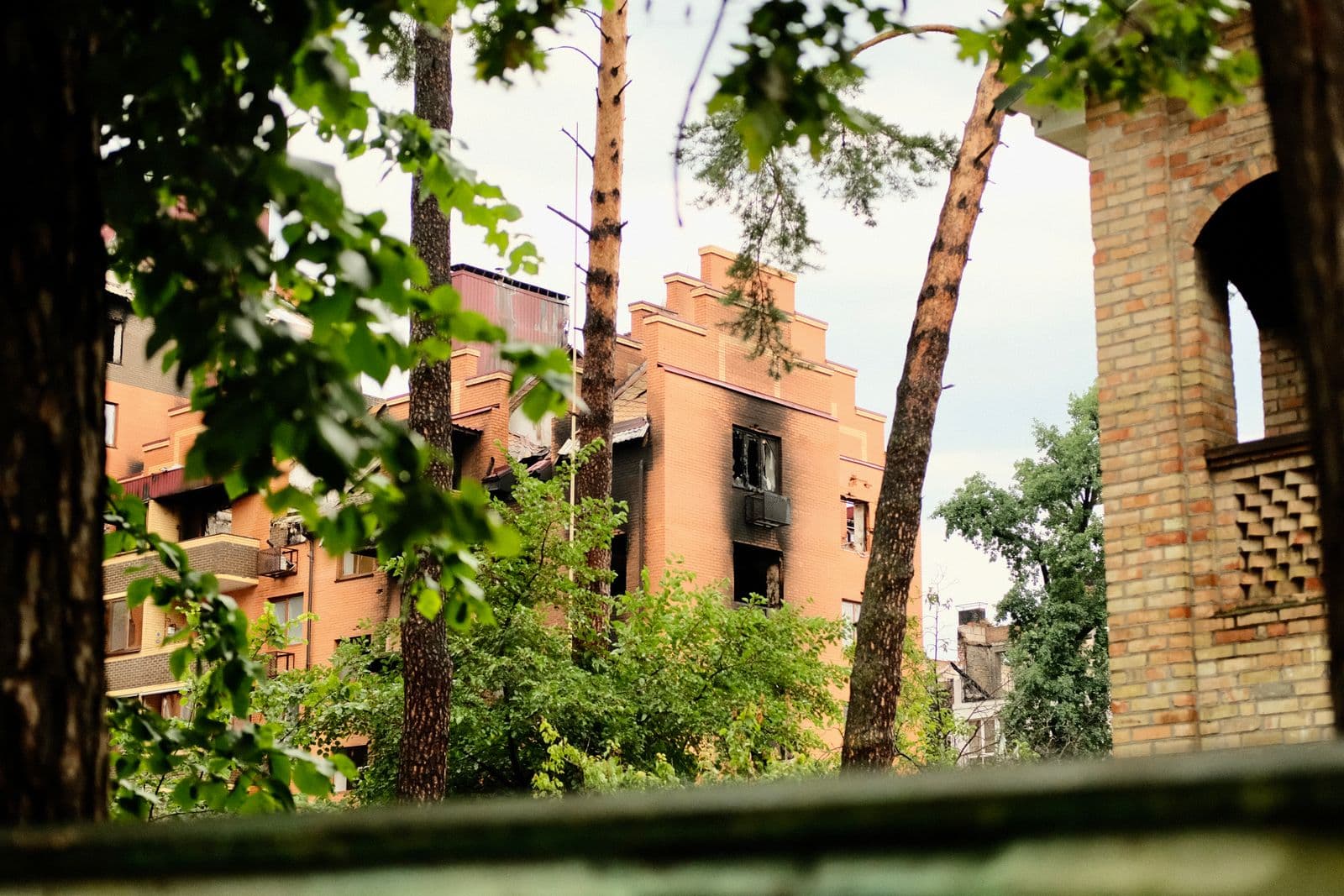
Plano residential construction is dominated by brick veneer over wood frame, built primarily from the 1990s through 2020s. When firefighters douse a blaze with thousands of gallons of water, that water does not simply evaporate. It infiltrates behind the brick veneer and pools against the Blackland Prairie clay soil underlying nearly all of Collin County. This expansive clay, documented by the USDA Natural Resources Conservation Service, swells when wet and shrinks when dry. That movement cracks masonry veneer and opens pathways for water intrusion.
We have seen homes in Willow Bend and Kings Ridge where initial fire damage looked contained to one room. Two weeks later, the homeowner was dealing with cracked exterior brick, saturated framing behind the veneer, and water stains spreading far from the original fire. The fire was extinguished in hours. The structural complications lasted months.
Plano's soil conditions are unique within Texas. The Blackland Prairie formation covers 18 million acres across Central and North Texas, but the specific vertisol clays under Plano are among the most expansive in the state. When dry in summer, these clays can shrink by up to 15 percent of their volume. When saturated during firefighting operations, they expand dramatically. This cycle of swelling and shrinking exerts lateral pressure on foundation walls and can cause stepped cracking in brick veneer that follows mortar joints.
We recommend immediate extraction within 24 hours after a fire. Water from firefighting combined with Plano's clay soil creates damage that grows worse with time.
The Plano Infrastructure Factor: Response Times and Soil Conditions
Plano Fire-Rescue averages 6 to 8 minute response across the city, per the 2023 annual report. That is among the fastest in Texas. But speed at the municipal level does not protect your property after the flames are out. Within 24 hours of a structure fire, we mobilize to address the three forces causing most post-fire complications in Plano: thermal residue, water saturation, and soil-driven foundation movement.
The water volume used to extinguish a typical residential fire in Plano ranges from 1,500 to 4,000 gallons, based on standard operating procedures. Our crews deploy truck-mounted extraction equipment capable of removing 2,800 gallons per hour. We also use low-grain refrigerant dehumidifiers that pull 168 pints per day at 80 degrees and 60 percent relative humidity. These are the same IICRC S500-certified tools we use on every water damage job across DFW.
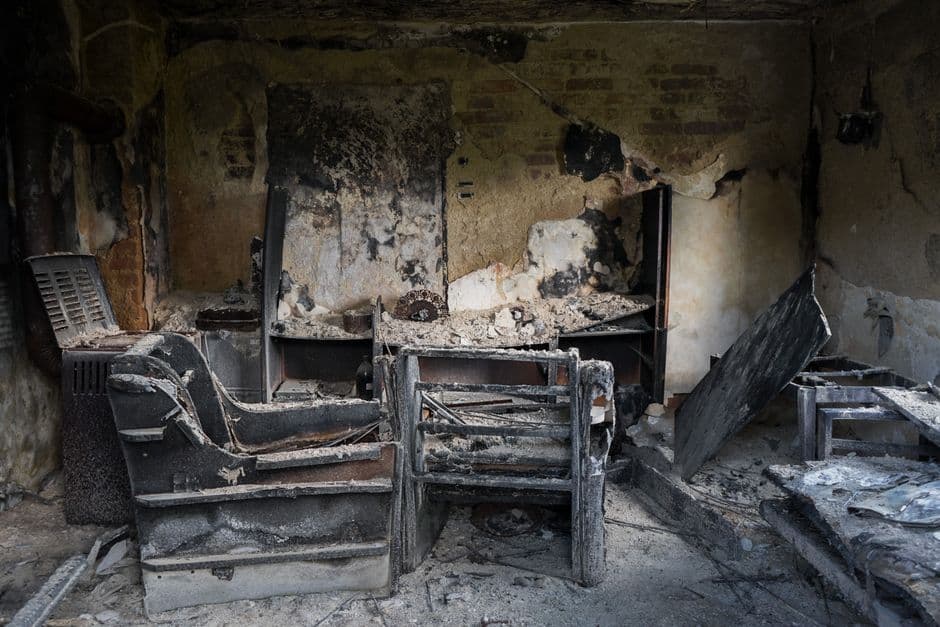
Modern Plano homes built after 2000 contain synthetic materials that produce dense, toxic smoke. Polyurethane foam furniture, nylon carpeting, and vinyl siding create smoke that penetrates deeper into wall cavities than natural-fiber smoke. This is why we apply EPA-registered antimicrobial treatment anywhere water sat over 24 hours. It is also why we seal porous materials with shellac-based primer before reconstruction begins.
We do not wait for insurance adjusters. Our documentation includes thermal imaging, moisture mapping, and photo-backed estimates meeting Texas Department of Insurance requirements.
What Happens to Plano Homes After a Fire: The Water and Soil Problem
After firefighters knock down the flames, your biggest enemy is water sitting behind brick veneer. In our experience across neighborhoods like Windhaven and Deerfield, this water does not drain through Plano's Blackland clay soil. The clay compacts when wet, forming a barrier that holds water against your foundation for days or weeks without intervention.
Our standard protocol for Plano fire damage follows four steps. First, we deploy emergency board-up and roof tarping to secure the structure. Second, we extract standing water using submersible pumps and truck-mounted vacuums, removing 2,800 gallons per hour. Third, we install air movers and LGR dehumidifiers, running them for 3 to 7 days while taking daily moisture readings for your insurance carrier. Fourth, we apply antimicrobial treatment wherever water sat over 24 hours and begin salvage on contents that can be restored.
What sets GOAT apart in Plano is our understanding of how soil conditions affect fire damage recovery. Standard crews treat fire damage as a smoke problem. We know that in Plano, it is equally a water and soil problem. The expansive clay under neighborhoods like Legacy and Willow Bend swells when saturated with firefighting water. It then contracts during the Texas freeze season from December through February. That creates hairline cracks in brick veneer that persist for years if not addressed during initial mitigation.
We recommend that any Plano homeowner experiencing a structure fire contact us before attempting drying or cleanup. Improper drying in our soil conditions can cause more damage than the fire itself.
| Step | What We Do | Why It Matters in Plano |
|---|---|---|
| Emergency board-up | Plywood, tarps, structural securing | Prevents weather exposure through veneer cracks |
| Water extraction | Submersible pumps, truck-mounted vacuums (2,800 gal/hr) | Removes firefighting water before clay soil holds it |
| Structural drying | LGR dehumidifiers, air movers, 3-7 days | Clay soil retains moisture longer than typical soil |
| Antimicrobial treatment | EPA-registered, areas wet over 24 hours | Prevents mold in wall cavities behind veneer |
Fire Warning Signs in Plano-Era Homes: What to Watch For
Newer Plano homes built between 1995 and 2010 used synthetic materials that produce different smoke profiles than older ranch homes in east Plano. We have responded to enough fires in neighborhoods like Spring Creek and Preserve at Legacy to recognize patterns. Kitchen fires account for roughly 40 percent of our residential fire calls across Collin County, based on Plano Fire-Rescue's 2023 report.
Look for these signs in Plano-era homes after a fire or smoke event:
- Discoloration on brick veneer. Firefighting water behind veneer leaves mineral stains that appear as rust or white efflorescence, particularly on homes built with lightweight brick from the 2000s boom.
- Musty odor in wall cavities. Synthetic insulation and vinyl wallpaper backing trap moisture longer than paper-faced materials in older Plano homes. Removal is required when water sat over 24 hours.
- Soft or spongy flooring near exterior walls. Water infiltrates through veneer cracks and saturates subflooring, typically 3/4 inch tongue-and-groove plywood over slab with Blackland clay beneath.
- Electrical issues. GFCI outlets near kitchens and bathrooms may trip and not reset due to moisture behind walls, even when surfaces appear dry.
Smoke damage follows predictable patterns in Plano homes. Dry smoke from fast-flaming fires leaves fine soot particles that settle on non-porous surfaces. Wet smoke from slow, smoldering fires contains oils that penetrate deeper into porous materials. Homes with vinyl siding and synthetic insulation absorb more smoke residue than those with brick and plaster. We have documented these patterns across neighborhoods from Southlake-style executive homes in West Plano to the more modest ranch properties near downtown.
Acidic soot from burning electronics, furniture foam, and treated wood can begin corroding metal within 72 hours. We have seen copper pipes develop pinhole leaks, electrical contacts fail, and HVAC coils degrade after fires in Plano homes where soot was not neutralized within the first week. This is why we deploy thermal fogging equipment that applies neutralizing agents at the molecular level, not just surface cleaning.
If you smell smoke or detect moisture behind veneer more than 48 hours after a fire, call a professional. DIY drying with fans will not address moisture trapped behind brick veneer in our soil conditions.
We have found that the sooner Plano homeowners call us, within the first 48 hours, the higher the percentage of contents we can salvage.
When to Call GOAT for Fire Damage in Plano
Not every fire requires full structural restoration. Our experience tells us that Plano homeowners consistently underestimate how quickly water and soil compound fire damage.
Call us immediately when:
- Firefighting water saturated more than 100 square feet of your home
- You smell smoke or burning odor more than 24 hours after the fire was extinguished
- Brick veneer shows discoloration or efflorescence after firefighting efforts
- Electrical outlets near the fire area trip and will not reset
- You see water stains spreading beyond the original fire zone
You can monitor these yourself:
- Visible soot on non-porous surfaces that wipe clean with a damp cloth
- Light smoke odor that dissipates within a few hours with open windows
- Cosmetic charring limited to one room with no structural concerns
- No water saturation beyond the immediate fire area
If you are unsure whether your situation falls in the "call now" category, we recommend calling anyway. Our 60-minute target response means a technician can arrive, assess the situation, and recommend next steps before secondary damage begins. We have found that early assessment always costs less than treating advanced secondary damage.
What to Do Next: Plano Fire Damage Response Timeline
When you call GOAT Home Services, you reach our 24/7 dispatch line staffed by Graham or Heidi personally. We respond within 60 minutes across all Plano zip codes, including 75024, 75025, 75093, and 75095. Our crews are IICRC-certified in fire and smoke restoration, water damage restoration, odor control, and health and safety.
Our typical timeline for Plano fire damage looks like this:
- Hour 0 to 1: Emergency dispatch and en route to your location
- Hour 1 to 4: On-site assessment, thermal imaging, moisture mapping, emergency board-up
- Hour 4 to 24: Water extraction, structural drying setup, antimicrobial treatment
- Day 1 to 7: Continuous monitoring with daily moisture readings for your carrier
- Day 3 to 14: Containment, demolition of unsalvageable materials, rebuild coordination
We work directly with State Farm, Allstate, USAA, and Farmers carriers, submitting Xactimate estimates and daily moisture logs. Most Plano homeowners pay only their deductible. We invoice the carrier directly for the remainder.
For immediate assistance, call our 24/7 dispatch line or visit our Plano water damage service page for combined fire and water recovery information. We also maintain a fire damage cost guide for DFW that covers what insurance typically covers. If you are dealing with mold after fire damage, read our guide on detecting and addressing mold risk. For immediate next steps after any structure fire, our when to call a pro after fire damage guide covers the critical 48-hour window. We have also mapped how fast mold grows in DFW homes, which is essential reading if your home has water sitting behind veneer.
For emergency board-up and tarping services in other DFW suburbs, we serve all of Collin County, Denton County, and Tarrant County with the same 60-minute target response. Our mold remediation services prevent the compounding problems we have seen in too many Plano basements after fire damage dries out. If you need storm damage repair alongside fire damage, we coordinate both under one claim.
IICRC S500 and S520 standards govern our extraction and drying protocols. You can verify our methods against the IICRC published standards. For Texas-specific building code requirements after fire damage, the Texas Department of Licensing and Regulation oversees contractor certification. The Plano Fire Department publishes annual reports with response time data we reference above.
Bottom line: fire damage in Plano does not end when the flames are out. Brick veneer construction, Blackland clay soil, and synthetic materials in newer homes create unique challenges requiring specialized knowledge. We bring that knowledge to every job, from legacy ranches near downtown Plano to the newest developments around Grand Heritage.