

Quick Answer
Plano water damage guide: AC drain clogs, slab leaks on clay soil, and 60-min emergency response from owners with 10-plus years in Willow Bend and East Plano.
If you own a home in Plano, Texas, you already know the drill when the temperature hits 98 degrees and the afternoon sky turns green. You have seen the storms roll in from the north, watched the creeks behind Gleneagles or Los Rios swell in under an hour, and wondered whether the aging AC unit in your 1980s attic is going to make it through another August without clogging its drain line.
Plano is one of the best places to raise a family in Texas. It also happens to sit on top of expansive clay soil that shrinks and swells with every rain cycle, has thousands of slab-on-grade homes built between the 1960s and 1990s, and sees AC drain clogs that cause more water damage than any single thunderstorm. We are GOAT Home Services, and we have responded to water damage calls in Plano neighborhoods from Willow Bend to Russell Creek to the older sections near Downtown Plano. Here is what actually causes water damage in Plano, how to catch it early, and what the restoration process looks like when you need it.
Why Plano Homes Are Vulnerable to Water Damage
Plano sits squarely on the Blackland Prairie, the band of dark, expansive clay that runs through the heart of North Texas. The same soil that makes the region fertile for farming also causes foundation movement that is the primary structural water intrusion pathway in DFW. When the soil dries out during a Texas summer, it shrinks. When the rain returns, it swells. That shrink-swell cycle opens gaps under slab foundations, and water follows those gaps like a highway.
The housing stock in Plano tells the rest of the story. The city grew steadily from the 1960s through the 1990s, with most of the construction centered in the 1970s and 1980s. That means thousands of homes are slab-on-grade with brick veneer exteriors, built during a period when building codes were less stringent about moisture management than todays standards. Neighborhoods like Old Plano (1920s-1950s east of Jupiter) have pier-and-beam foundations with crawl spaces, adding another category of risk. The newer sections near West Plano and the Legacy area (2000s and later) have better construction but are not immune to AC drain clogs and plumbing failures.
Every neighborhood in Plano has its own vulnerability profile, but three water damage patterns dominate our calls: AC condensate drain clogs, slab leaks from plumbing under the foundation, and flash flooding from one of the creeks that runs through the city.
The Number One Cause of Summer Water Damage in Plano: AC Drain Clogs
The single most common water damage call we get from Plano homeowners is a clogged AC condensate drain line. Here is how it works. Your air conditioner runs constantly from May through September, pulling humidity out of the indoor air and channeling the condensate through a small PVC pipe to the outside of your home. Algae, mold, and dust build up inside that pipe over time. When a plug forms, the water backs up, overflows the emergency drain pan, and drips into the attic insulation. By the time a water stain appears on your first-floor ceiling, the attic can be holding multiple gallons of water that have been slowly soaking through sheetrock for days or weeks.
We see this pattern most often in Plano neighborhoods built in the 1970s and 1980s, where the AC systems are in unconditioned attics and the drain lines are longer. The Estates of Willow Bend, Preston Meadow, and the homes near Plano West Senior High tend to have the highest call volume for AC-related water damage simply due to the age of the housing stock and the number of AC units approaching the end of their service life.
Slab Leaks: The Hidden Water Intrusion Problem in Plano
A slab leak is exactly what it sounds like: a plumbing pipe under your concrete foundation that has cracked or separated. In Plano, slab leaks are almost always caused by the combination of expansive clay soil and aging copper pipes. The soil movement puts stress on plumbing lines under the slab. Over time, the pipes develop pinhole leaks or full breaks. Water seeps up through the slab, under the flooring, and into the living space.
The tricky thing about slab leaks is that they rarely announce themselves with a dramatic flood. They start slowly. A warm spot on the floor. A patch of tile that feels spongy. A month-to-month increase in the water bill that does not quite register. By the time visible damage appears, the leak may have been running for weeks. If you suspect a slab leak, the signs are similar to what you would see with a Category 2 water damage situation.
In Plano, slab leaks are most common in homes built between 1970 and 1995. The copper pipes in that era have typically reached the 25-to-40-year mark where corrosion becomes statistically likely. The soil conditions in Plano accelerate that timeline. If your home is in one of Plano's older neighborhoods east of Custer Road and you have not had a plumbing inspection in the last three years, a slab leak is a realistic concern.
Flash Flood Risk in Plano: Rowlett Creek, White Rock Creek, and the Neighborhoods That Flood
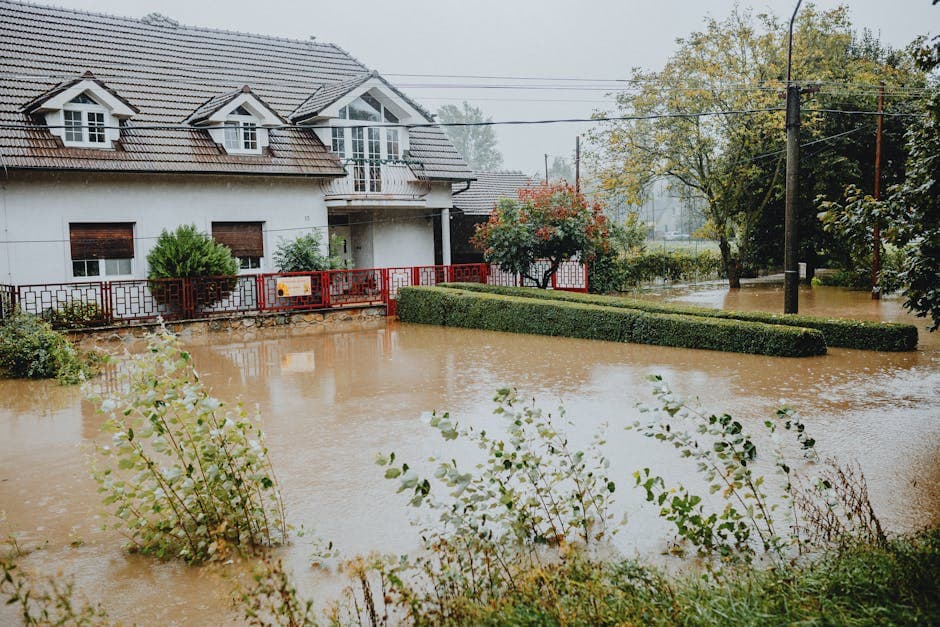
Plano is not in a FEMA-designated high-risk flood zone for most of its area, but that does not mean flash flooding is not a real risk. Rowlett Creek runs through the eastern side of Plano, and White Rock Creek cuts through the western edge. When DFW gets one of its characteristic 4-inch-in-2-hour rain events, those creeks rise fast, and the storm drainage systems in the older neighborhoods can be overwhelmed. After a flood, mold can begin colonizing within 24 to 48 hours if the structure is not dried properly.
The neighborhoods with the highest flash flooding risk in Plano include the areas near Rowlett Creek (east of Jupiter Road), the sections along Spring Creek, and the older parts of East Plano where the storm drainage was built in the 1970s and has not kept pace with development upstream. Homes on the west side near the Arbor Hills Nature Preserve can also see sheet flow flooding when the ground is already saturated from a wet July or August.
| Water Damage Source | Frequency in Plano | Typical Cost Range | Insurance Coverage | Early Warning Signs |
|---|---|---|---|---|
| AC Drain Clog | Very High (May-Sep) | $800 - $15,000 | Typically covered if sudden | Ceiling stain, musty attic smell, higher humidity |
| Slab Leak | High (older homes) | $2,500 - $25,000 | Varies by policy | Warm floor, spongy tile, higher water bill |
| Flash Flood | Moderate (storm season) | $5,000 - $45,000 | Separate flood policy needed | Standing water near foundation, creek rising |
| Plumbing Failure | Moderate | $1,500 - $10,000 | Typically covered | Dripping sounds, water pressure changes, wet drywall |
What Insurance Covers in Plano and What It Does Not
Standard homeowners insurance policies (HO-3) in Texas cover sudden and accidental water damage. That means a burst pipe, a failed water heater, or a sudden slab leak that manifests as a visible water intrusion is generally covered minus your deductible. However, there are three major exceptions that trip up Plano homeowners.
First, gradual damage is not covered. If a slab leak has been running for months and the adjuster determines the damage is the result of ongoing neglect rather than a sudden event, the claim can be denied. This is why early detection matters so much. Second, flood damage requires a separate flood insurance policy through the National Flood Insurance Program (NFIP). A flash flood from Rowlett Creek that enters your home through the slab is not covered under a standard policy. Third, maintenance-related damage is excluded. An AC drain clog that overflowed because the drain line was never cleaned falls into a gray area that some insurers interpret as maintenance neglect.
The Restoration Process for Plano Water Damage
When you call us for water damage in Plano, here is exactly what happens. We answer the phone ourselves, no voicemail trees. We ask about the source of the water, how long it has been running, and whether the damage is active or contained. In most Plano emergencies, we can have a crew at your home within 60 minutes.
Once on site, we assess the damage with moisture meters and thermal imaging cameras to find hidden moisture behind walls and under flooring. We extract standing water with truck-mounted pumps, then place industrial air movers and dehumidifiers to dry the structure. We monitor moisture levels daily until the structure meets the IICRC drying standard. We work with your insurance adjuster directly, providing moisture logs, drying reports, and documentation for the claim. We handle the reconstruction: drywall repair, flooring replacement, painting, trim work, and final inspection.
The timeline depends on the extent of the damage. A 1970s Plano ranch house with a slab leak that has soaked the living room subfloor takes longer to dry than a modern home with a contained toilet overflow. The drying phase alone can run 3 to 5 days. The reconstruction phase adds 2 to 6 weeks depending on materials availability and the extent of the repairs.
How Plano Homeowners Can Prevent Water Damage Before It Starts
The water damage calls we see most often in Plano are preventable with basic maintenance. Here are the steps every Plano homeowner should take.
Flush your AC condensate drain line at the start of summer and again in mid-July. Pour a cup of white vinegar down the access port or use a commercial condensate drain treatment. This takes five minutes and prevents the most common type of water damage in Plano. Check your water bill monthly for unexplained increases. A slab leak that adds $50 to your monthly bill has been running for weeks, and the damage is already underway. Inspect the caulking and grout around showers, tubs, and toilets annually. In Plano's climate, expansion and contraction from temperature changes cause seals to fail. A failed shower pan seal can leak through the subfloor for months without visible damage until the ceiling below stains or collapses.
Know where your main water shutoff valve is and make sure everyone in the house knows how to turn it off. In a sudden pipe burst, shutting off the water within 60 seconds can reduce the damage from a $20,000 full-house restoration to a $1,500 localized dry-out. For more tips, see our guide on how to prevent AC drain line clogs.
Frequently Asked Questions About Water Damage in Plano
How much does water damage restoration cost in Plano?
The cost depends on the source of the water and the extent of the damage. A contained AC drain overflow in a Plano attic typically runs $800 to $3,000 for extraction, drying, and ceiling repair. A slab leak that has soaked a living room and kitchen can range from $5,000 to $25,000 including slab repair, flooring replacement, and reconstruction. Major flood damage from a storm event can exceed $45,000. We provide free estimates and work with your insurance company on covered claims.
Does homeowners insurance cover slab leaks in Plano?
It depends on the cause. If the slab leak is sudden and accidental (a pipe burst), most HO-3 policies cover the resulting water damage minus your deductible. However, the cost of accessing and repairing the pipe under the slab is often excluded or subject to a lower sublimit. If the leak is due to gradual corrosion, ground settling, or poor pipe installation, coverage may be denied. Review your policy or call your agent to confirm slab leak coverage specifically.
How long does it take to dry out a water-damaged Plano home?
The structural drying phase typically takes 3 to 5 days with professional equipment. We place commercial-grade air movers and dehumidifiers and monitor moisture levels daily. Once the structure meets the IICRC drying standard (moisture content within 2-3 percent of dry standard), we move to the reconstruction phase. The full restoration from water damage to finished repairs can take 2 to 6 weeks depending on the extent of the damage and the availability of building materials.
What are the signs of a slab leak in a Plano home?
The most common signs are a warm spot on the floor (the water is warm from traveling through the pipe), a patch of flooring that feels spongy or loose, an unexplained increase in your monthly water bill, the sound of running water when no fixtures are on, and low water pressure. In winter, you may also notice hot spots on the driveway or sidewalk where the warm water is heating the concrete above the leak.
Does Plano get flash flooding?
Plano experiences flash flooding primarily along Rowlett Creek on the eastern side and White Rock Creek on the western edge. The city has invested heavily in storm drainage improvements over the last 20 years, but the intensity of DFW rain events (3-4 inches in 2 hours) can overwhelm even modern systems. The areas most at risk are neighborhoods built before the 1990s near creek beds and the older sections of East Plano with smaller storm drain infrastructure.
Can I stay in my home during water damage restoration?
In most cases, yes. If the water damage is contained to one room or section of the house, we can isolate that area with containment barriers and dry it while you continue living in the rest of the home. If the damage is extensive (Category 2 or 3 water, or a major slab leak that requires cutting into the slab), the home may be uninhabitable for the duration of the drying and reconstruction. The adjuster and restoration contractor will help make that determination.
What is the difference between water mitigation and restoration?
Water mitigation is the emergency phase: stopping the source of water, extracting standing water, and drying the structure. This is what happens in the first 24 to 72 hours. Restoration is the reconstruction phase: replacing drywall, flooring, trim, cabinets, and anything else that was damaged. Both phases are typically handled by the same restoration company in Plano, but they are billed as separate line items on insurance claims.
The Bottom Line
Plano is a great city to live in, but its housing stock, soil conditions, and climate create specific water damage risks that every homeowner should know about. The most expensive water damage call we see in Plano is almost always one that could have been prevented or caught early. A $4 bottle of vinegar flushed through the AC drain line in June can prevent a $5,000 ceiling repair in August. A monthly water bill check can catch a slab leak before it soaks through the subfloor and into the living room. A quick walk around the foundation after a heavy rainstorm can identify pooling water that will find its way through the slab over the next week.
If you have water damage in your Plano home right now, or if you suspect a slab leak or a hidden moisture problem, call us. We serve every Plano neighborhood from Willow Bend to Los Rios, East Plano to the Legacy area. We will come to your home, assess the damage, and tell you exactly what needs to happen. No scare tactics, no upselling, no unnecessary work. Just the truth about what is happening and the most direct path to fixing it.
Call (469) 525-2254 for a free assessment. We are available 24/7/365, and we answer the phone ourselves. No voicemail trees, no call centers. A real person who can get a crew to your Plano home within 60 minutes if the situation demands it.