
Quick Answer
After a house fire in Carrollton, the restoration process involves board-up, water extraction from fire hoses, smoke cleanup, and insurance claims. Here is what actually happens and how to navigate it.
If you are reading this because your Carrollton home or business has had a fire, we are sorry you are dealing with it. A fire is one of the most disruptive things that can happen to a property. But here is what we need you to know: after the fire trucks leave, the restoration process starts, and what happens in the next 48 hours determines how much of your property can be saved. This guide walks you through exactly what happens during fire damage restoration in Carrollton, TX, what to expect from your insurance, and how to avoid mistakes that cost time and money.
What Happens Immediately After the Fire Department Leaves
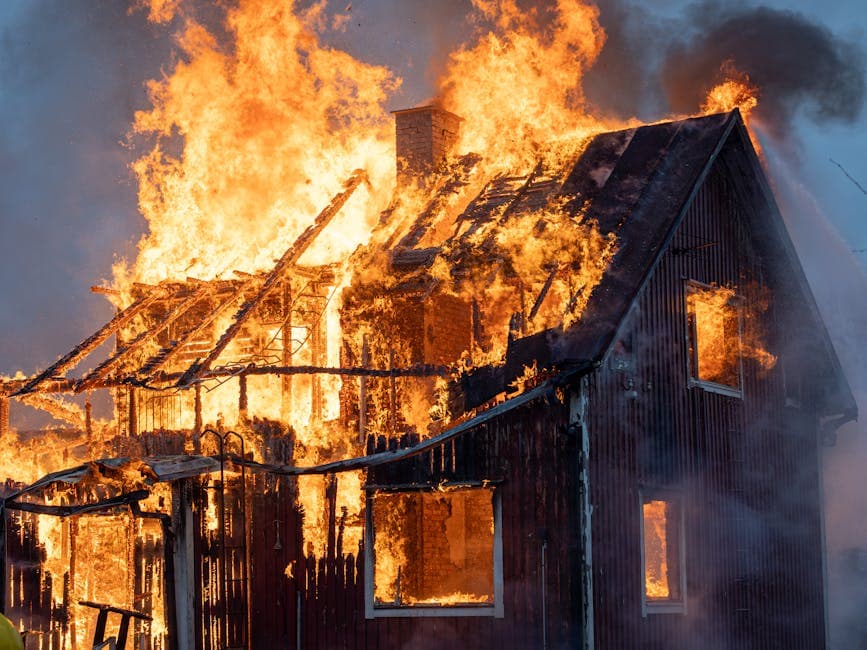
Once the fire is out and the Carrollton Fire Department clears the scene, your property enters a critical window. The fire may be out, but damage continues. Here is what is happening on the ground and what needs to happen right away:
Board-Up and Tarping
If the fire burned through the roof, broke windows, or opened holes in the exterior walls, your property is now exposed to the elements. Rain, wind, animals, and curious passersby can all make the damage worse. The first restoration step is boarding up broken windows and doors and tarping damaged roof sections. In Carrollton, where spring storms can drop 2 to 4 inches in an afternoon, a roof opening from a fire can turn a contained loss into a massive water damage event within hours. Every restoration company we know carries board-up materials in their trucks for exactly this reason. If the fire department has turned the property back to you, board-up is priority one.
Water Extraction from Fire Suppression
This is the part most people do not expect: a fire trucks hose puts out hundreds of gallons of water per minute. Even a single residential fire can leave 10,000 to 20,000 gallons of water inside the structure. That water soaks into the flooring, wicks up drywall, fills the crawl space or basement, and pools in every corner of the affected area. If your home was built on a slab foundation, as many Carrollton homes are, that water has nowhere to go but into the subfloor and wall cavities. The result: you now have both fire damage and water damage. The water from fire hoses needs to be extracted immediately because every minute it sits, it drives soot and smoke residue deeper into porous materials, making the eventual cleaning much harder. Restoration professionals bring in truck-mounted extraction units, industrial air movers, and commercial dehumidifiers to handle this. This is not a job for shop vacs and box fans. We have walked into fire-damaged homes in Carrollton where the water had been sitting for three days while the homeowner waited for insurance approval. By that point, the water damage alone had exceeded the fire damage in scope.
Content Protection and Pack-Out
Smoke particles are fine, sticky, and acidic. They settle into fabrics, penetrate electronics, and coat every surface. The longer they sit, the more they bond to materials. Professional restoration includes an inventory of your contents, cleaning what can be saved, and packing out items that need specialized smoke cleaning. This includes clothing, upholstery, documents, electronics, and kitchen items. In Carrollton homes, we commonly see smoke damage migrating through HVAC systems to untouched rooms, spreading the contamination much further than the fire itself. If the HVAC was running during the fire, the entire duct system needs to be cleaned or replaced. If you have homeowners insurance with replacement cost coverage, the pack-out and cleaning is typically covered. But it only works if it happens fast.
The Three Types of Fire Damage You Are Dealing With
Fire damage is not one problem. It is three separate problems that overlap, and each requires a different approach:
1. Thermal Damage
The direct burn damage. Charred framing, melted wiring, warped metal, destroyed contents. Materials that were directly involved in the fire are generally not restorable and must be removed and replaced. This is the most obvious type of damage and the one the fire department's report covers in detail. Structural engineers and fire restoration crews assess which framing members are structurally sound and which need sistering or full replacement. In Carrollton, where many homes were built between the 1970s and 1990s, the framing is typically dimensional lumber that chars predictably. Structural evaluation is usually straightforward, but it has to be done before anything else.
2. Smoke and Soot Contamination
This is the part that surprises most homeowners. Smoke travels through walls, follows ductwork, seeps into cabinets, and coats every surface in the building. Soot particles are classified by the IICRC into wet, dry, protein, and fuel oil. Each type requires a different cleaning method:
- Dry soot: Fast-burning, high-temperature fires produce dry, powdery soot. It is the easiest to clean but also the most likely to spread through the building via air currents. Dry soot smears and stains if you try to wipe it with a wet cloth.
- Wet soot: Slow-burning, smoldering fires produce wet, sticky, smeary soot. This is harder to clean and bonds aggressively to surfaces. It is common in electrical fires and fires that smolder before discovery.
- Protein smoke: Kitchen fires produce protein smoke residue that is nearly invisible but leaves a strong, pungent odor that penetrates every porous surface. This is why a kitchen fire can make the entire upstairs smell like burnt food for weeks.
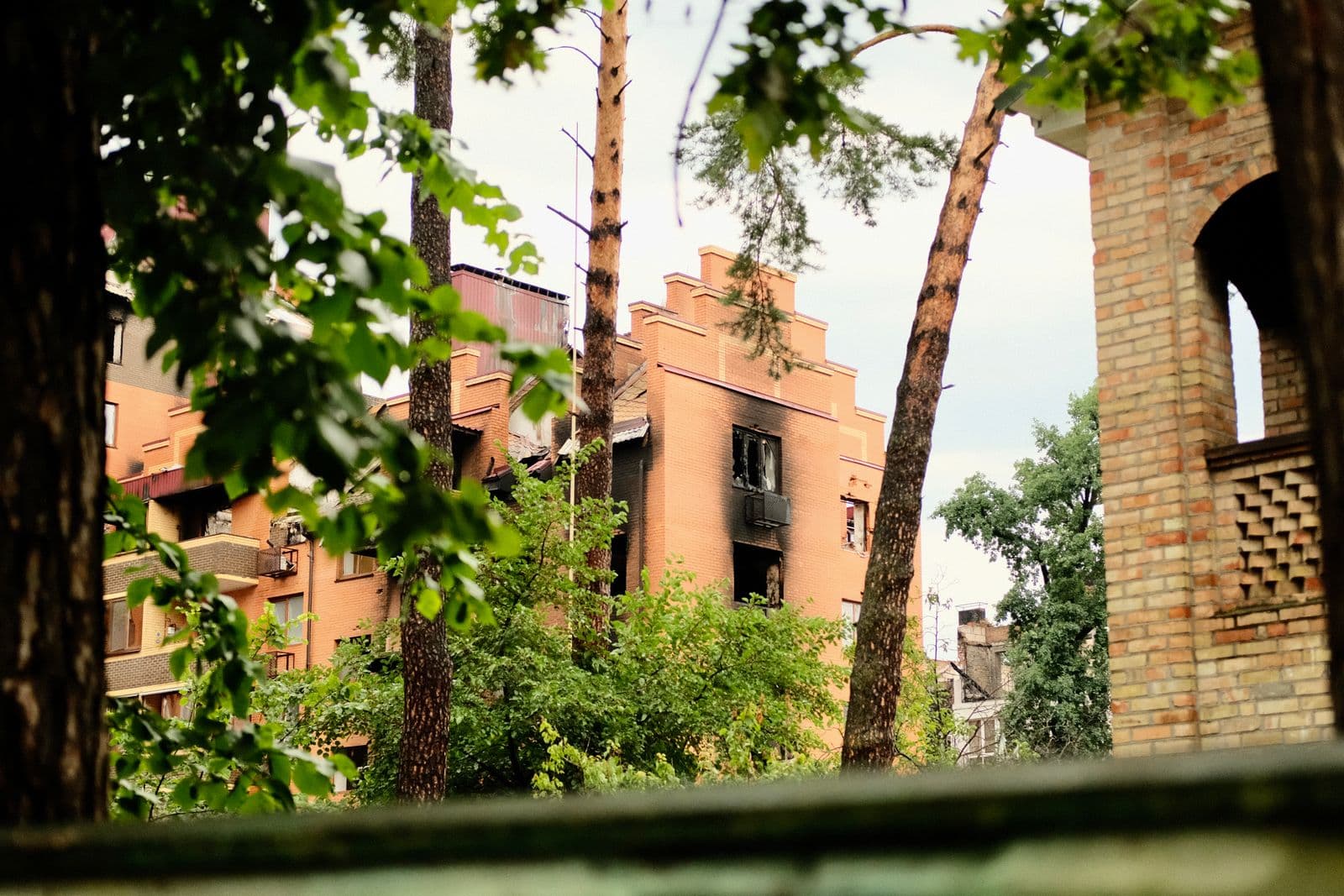
The critical thing to understand: smoke damage is not just cosmetic. Smoke particles are acidic and continue to corrode surfaces over time if not cleaned. Silver tarnishes. Copper wiring corrodes. Stainless steel pitting. Mirrors develop clouding around the edges. The longer smoke residue sits, the more permanent the damage becomes.
3. Water Damage from Fire Suppression
As we mentioned, the water used to put out the fire is itself destructive. That water carries soot and debris into wall cavities, under flooring, and into every low point in the structure. In a typical single-family fire in Carrollton, the water damage zone is often larger than the burn zone because water travels along the path of least resistance through the framing. The restoration plan must address both the fire-affected area and the water-affected area. In some cases we have worked on, the water from fire suppression spread three rooms beyond the fire zone, soaking carpet, padding, and drywall well outside the visible burn area.
The Fire Damage Restoration Process, Step by Step
Every fire restoration follows the same general sequence. The specifics change based on the extent of the fire, the type of structure, and the materials involved, but the steps are consistent:
Step 1: Emergency Response and Assessment
Within hours of the call, a restoration crew arrives to secure the property, assess the scope, and begin emergency mitigation. This includes board-up, water extraction, and shutting off utilities if needed. The crew documents everything with photos and moisture readings. This documentation becomes the basis for the insurance claim and the restoration plan. In Carrollton, we aim to be on site within 60 minutes of the call, 24 hours a day.
Step 2: Water Removal and Structural Drying
Standing water from fire hoses is extracted. Industrial air movers and dehumidifiers are placed throughout the affected area. Moisture meters and thermal imaging cameras track the drying progress. The goal is to bring all structural materials to the IICRC dry standard, typically within 3 to 5 days. Drying must be complete before any cleaning or reconstruction can begin.
Step 3: Smoke and Soot Cleaning
Every surface in the affected area is cleaned using the appropriate method for the soot type. This includes dry cleaning sponges for porous surfaces, chemical cleaning for semi-porous surfaces, and HEPA vacuuming to capture airborne particles. Walls, ceilings, cabinets, countertops, and hard flooring are all cleaned. Exposed framing in open wall cavities is cleaned or sealed with a smoke-sealing primer.
Step 4: HVAC Cleaning and Decontamination
The HVAC system is inspected and cleaned if smoke contamination has entered the ductwork. In most fires where the HVAC was running during the event, the ducts are contaminated and need professional cleaning by a NADCA-certified technician. This step is critical because running the HVAC after the fire without cleaning the ducts recirculates smoke particles throughout the entire house.
Step 5: Odor Removal
Smoke odor particles are small enough to penetrate deep into porous materials. Standard cleaning removes surface residue but may not eliminate the odor. Professional odor removal uses ozone generators, hydroxyl generators, or thermal fogging to break down odor molecules at a chemical level. This step is often done in multiple passes over several days. The goal is complete odor removal, not masking. We do not use scented deodorizers that cover the smell temporarily.
Step 6: Content Restoration and Cleaning
Personal belongings that were packed out or affected by smoke are cleaned using ultrasonic cleaning, dry cleaning, or wet cleaning depending on the material. Electronics are inspected and cleaned by specialists. Documents may be freeze-dried or cleaned using specialized processes. Not everything can be saved, but a good restoration company saves as much as possible.
Step 7: Reconstruction and Final Walkthrough
Once cleaning and drying are complete, reconstruction begins. This includes replacing drywall, flooring, trim, cabinets, countertops, and any structural elements that were damaged beyond repair. The goal is to return your Carrollton home to its pre-loss condition. The final walkthrough verifies everything is complete and meets both the insurance scope and your expectations.
Navigating Insurance for Fire Damage in Carrollton
Fire damage is covered differently than water damage under standard homeowners insurance policies. Here is what Carrollton homeowners need to know:
What Standard HO-3 Policies Cover
- Structure (Coverage A): The dwelling itself, including attached structures. This covers the fire damage repair, including drywall, framing, wiring, flooring, and roof repairs. Payout is either actual cash value (ACV, replacement cost minus depreciation) or replacement cost value (RCV, full cost with recoverable depreciation). Most policies in Texas default to RCV with a depreciation holdback.
- Personal Property (Coverage C): Your belongings within the home. Standard policies cover personal property at ACV unless you have RCV endorsement. Smoke-damaged furniture, clothing, electronics, and kitchen items are covered. The pack-out and cleaning costs we described earlier are typically part of this coverage.
- Additional Living Expenses (Coverage D): If your home is uninhabitable during restoration, ALE covers hotel costs, restaurant meals, and other living expenses above your normal household costs. Keep receipts for everything. ALE coverage is typically time-limited, often 12 to 24 months depending on your policy.
- Debris Removal: Most policies include a debris removal allowance, usually a percentage of the dwelling coverage limit. This covers hauling away burned materials, damaged contents, and construction debris.
The Carrollton Process: How Claims Usually Flow
When the fire is out and the scene is secure, the sequence typically works like this:
- Report the claim immediately. Call your insurance agent or the carrier's 24-hour claims line. Give them the fire department report number and the basic facts: what happened, when, and the extent of visible damage. Do not go into detail about contents or valuations at this point. Just report it.
- Emergency mitigation begins before the adjuster arrives. This is important: the insurance company understands that board-up, water extraction, and tarping are emergency services that cannot wait for an adjuster inspection. Your restoration company can start emergency work and bill the insurance company. We handle this documentation for you.
- Adjuster inspection. The insurance adjuster visits the property, assesses the damage, and prepares a scope of work and an initial estimate. This usually happens within 48 to 72 hours of the claim being filed, though in high-volume periods it can take longer.
- Restoration estimate review. Your restoration company reviews the adjuster's scope and estimate. If the scope is incomplete or the pricing is insufficient, we document the differences and negotiate with the adjuster on your behalf. This is one of the key values of hiring an experienced restoration company: we know the carrier's pricing guidelines and can push back where needed.
- Work authorization and payment. Once the scope is agreed upon, the carrier issues the first payment (often for the ACV amount, with the depreciation holdback released after work is completed). Restoration work begins.
- Supplement management. As walls are opened and hidden damage is discovered, the scope is updated with supplements. This is normal in fire restoration because burning and smoke migration patterns are not fully visible until tear-out is complete.
What Fire Insurance Typically Does Not Cover
There are gaps you need to know about:
- Ordinance or Law coverage. If Carrollton building codes require upgrades during reconstruction such as bringing electrical panels up to current code, those costs are not covered unless you have Ordinance or Law endorsement. This can be a significant gap in older homes.
- Damage from fire caused by negligence or intentional acts. If the fire was set intentionally, expect a fraud investigation.
- Items with separate schedules. Jewelry, fine art, collectibles, and firearms often have sub-limits on standard policies. If you have expensive items in these categories, confirm they are scheduled properly.
How to Choose a Fire Restoration Company in Carrollton
Not all restoration companies handle fire damage well. Fire restoration requires specific certifications, equipment, and experience that a water-only restoration company may not have. Here is what to look for:
- IICRC FSRT certification. The Fire and Smoke Restoration Technician certification is the baseline for knowledgeable fire restoration. Ask if the crew members on site have this certification.
- Experience with insurance documentation. Fire restoration generates a large volume of documentation: photos, moisture maps, cleaning logs, scope of work, supplement requests, and final invoices. A company that handles insurance documentation poorly can cost you thousands in denied or delayed coverage.
- Board-up and tarping capability. Your restoration company should have the materials and crew ready to secure your property within hours, not days. If a company says they can send someone tomorrow, call someone else.
- Odor removal equipment on site. Ozone generators, hydroxyl generators, and thermal foggers are specialized equipment. Not every restoration company owns them. If odor removal is subcontracted, the coordination adds time and complexity.
- Local knowledge of Carrollton. Every city has its own building department processes, permit requirements, and inspection schedules. A company that regularly works in Carrollton knows the local procedures and can keep the project moving through permits and inspections without delays.
Why Fire Damage Restoration in Carrollton Is Different
Carrollton has its own patterns that affect how fire restoration plays out. The city's housing stock ranges from mid-century ranches in the older sections near the historic downtown area to newer construction in the developments north of Hebron Parkway. The older homes often have balloon framing and older electrical systems that increase the complexity of both the fire investigation and the restoration plan. The newer homes use engineered lumber and open floor plans that allow smoke to travel much farther than it would in a compartmentalized layout.
Carrollton also sits within both Dallas and Denton County depending on the neighborhood, and the two counties have different property tax appraisal processes that can affect how insurance settlements are calculated. Being local to the area means understanding these distinctions without having to look them up.
We have worked fire losses across Carrollton from the neighborhoods around Rosemeade to the areas near Josey Lane north of the George Bush Turnpike. Each one follows the same restoration process, but the specific building materials, home ages, and proximity to fire stations affect the extent of fire damage we find and the approach we take.
The Bottom Line on Fire Damage Restoration in Carrollton
Here is what we want every Carrollton homeowner to take away from this:
- The fire department leaving is not the end of the emergency. The restoration window starts immediately. Board-up, water extraction, and smoke cleaning have to begin within hours to minimize total damage.
- Fire damage is three problems in one: thermal damage, smoke contamination, and water from fire suppression. All three have to be addressed.
- Speed matters. Smoke particles continue to bond to surfaces over time. Water from fire hoses continues to soak into materials. Every day of delay increases the total scope and cost of the restoration.
- Insurance covers fire damage, but only if you document it properly and work within the policy guidelines. A qualified restoration company handles the documentation and negotiation for you.
- Local experience matters. The building stock in Carrollton is different from Frisco or Arlington, and the restoration approach should account for those differences.
If your Carrollton home has had a fire, do not wait. The emergency mitigation phase of restoration is time-sensitive. Call a restoration company that handles fire damage every day and knows the City of Carrollton permit office, the county appraisal procedures, and the insurance carrier processes. That experience translates directly into less stress and a faster path back into your home.
GOAT Home Services provides fire damage restoration services throughout Carrollton, Dallas, and the entire DFW metroplex. We respond 24 hours a day with board-up, water extraction, smoke cleaning, and full restoration. Our team holds IICRC certifications for fire and smoke restoration. We work directly with your insurance company to document the scope and manage the claim from first report to final check. Call (469) 525-2254 for a free assessment. We answer 24/7 and aim to be on site within 60 minutes anywhere in Carrollton.