
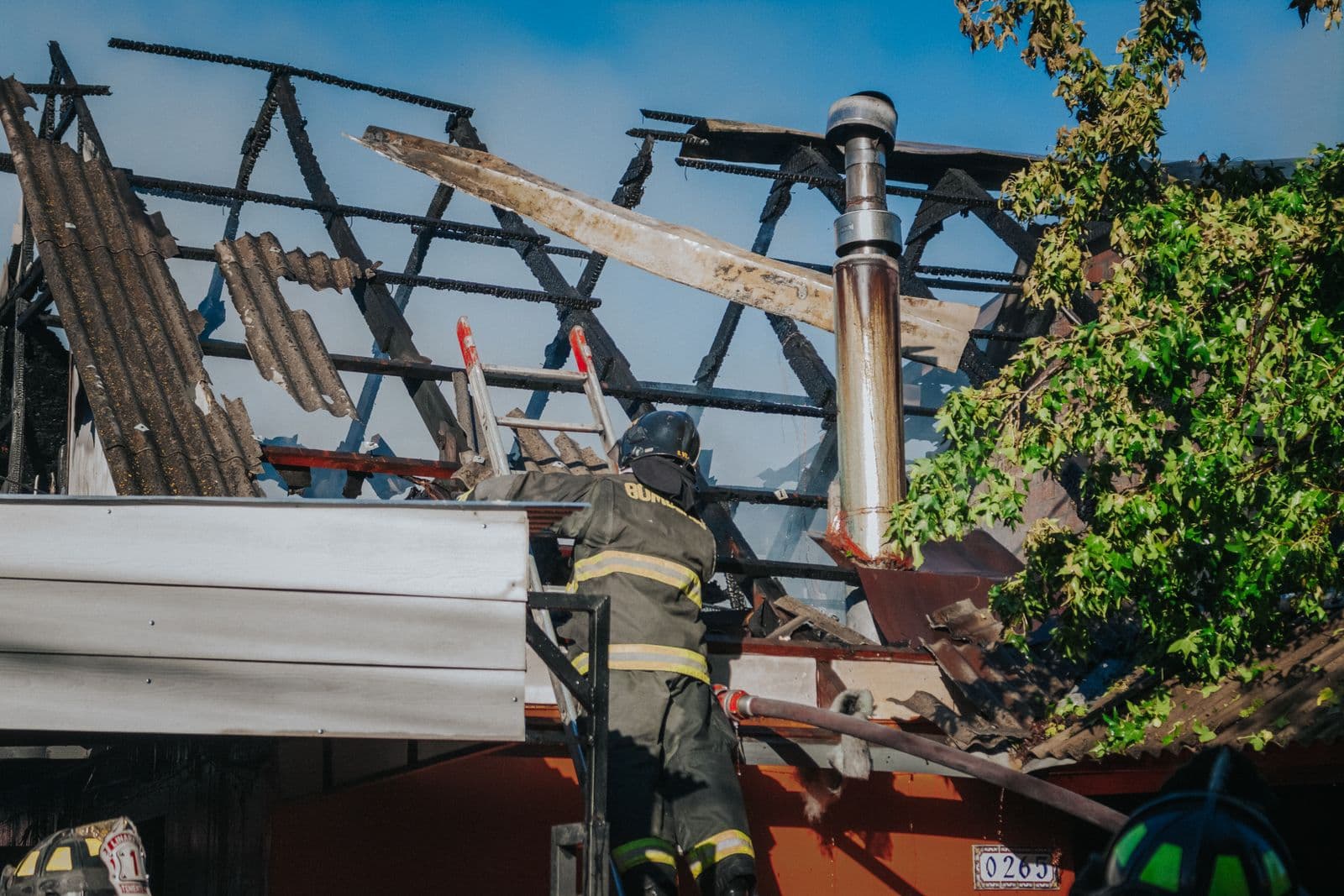
Quick Answer
DFW fire damage restore guide. When to call pros, what insurance covers, smoke/soot cleanup. IICRC-certified, 60-min response. No scare tactics.
Fire damage restore. That phrase covers everything from a grease fire that blackened your kitchen cabinets to a lightning strike that took out your attic. Graham here, co-owner of GOAT Home Services. Heidi and I hold IICRC certifications in Fire and Smoke Restoration and Odor Control. We have been on the other end of enough fire scenes across Dallas, Fort Worth, and every suburb in between to know what homeowners need to hear right after the fire department leaves.
Here is the straight answer: you do not need to understand the chemistry of soot or the difference between dry smoke and wet smoke before you call us. What you do need to know is when to call, what the insurance process looks like, and what to expect from a restoration company.
Why DFW Fire Damage Is Different
North Texas homes do not just burn differently. They produce a different set of restoration challenges because of how we build, how we weather, and how our infrastructure works.
Homes built before 1980 lack arc-fault circuit interrupters. These devices were not required in Texas until the 1990s National Electrical Code adoption, and DFW has a large stock of 1960s-1970s tract homes. When a family runs a window unit, a space heater, and a microwave on a 45-year-old circuit, the wiring gets hot. Heat in the wall cavity is how a lot of electrical fires start. We see this pattern in Plano, Richardson, and the older neighborhoods of Dallas proper, but it also shows up in Arlington and Grand Prairie homes built in the 1970s.
Modern DFW construction uses engineered lumber and synthetic insulation. Homes built from 2015 onward, especially in Frisco, McKinney, and Prosper, use I-joists, laminated veneer lumber, and spray-foam or synthetic batt insulation. Where old-growth lumber creates a powdery, alkaline soot that is relatively straightforward to clean, synthetic materials release acidic and sometimes toxic combustion byproducts that require different cleaning chemistry and more aggressive deodorizing. We have to approach the cleanup differently depending on the home's construction era.
DFW's climate compresses the cleanup window. Average humidity runs 60 to 75 percent from May through September. When the fire department douses your home with hundreds of gallons of water, that moisture sits in your walls and subfloor. In a dry climate, you might have 72 hours before mold becomes a concern. In North Texas, that window shrinks to 24 to 48 hours because mold spores activate as soon as they get moisture. That is why we extract and dry first, then handle smoke and soot, because waiting too long means a mold remediation job layered on top of a fire restoration job.
| Fire Factor | DFW Reality | Restoration Impact |
|---|---|---|
| Electrical fires | Pre-1980 homes lack AFCIs, 1990s+ open floor plans spread fire in seconds | Hidden wall cavity damage, often requiring wall removal to find hot spots |
| Smoke chemistry | Pre-2015: powdery soot. Post-2015: acidic residues from synthetic materials | Different cleaning chemistry per construction era |
| Firefighting water | DFW humidity 60-75% means mold risk within 24-48 hours | Extraction and drying must start alongside smoke cleanup |
Our stance on this: fire damage restore in North Texas requires a different approach than national franchises. DFW's housing stock, climate, and storm patterns create unique conditions. We built our process around those conditions.
The Four Types of Fire Damage
When homeowners call asking "what to do after a fire," the first thing we explain is that fire damage is never just one thing. A single house fire produces four overlapping damage types, and each requires a different approach.
1. Thermal damage (the fire itself). This is the charred framing, melted fixtures, and warped flooring you can see. Heat travels far beyond the flame. We have measured scorch patterns on drywall three rooms away from a kitchen fire. The drywall may look fine, but the paper facing is brittle. We check every wall within 20 feet of the fire origin.
2. Smoke damage (the silent spreader). Smoke is an aerosol of partially burned material that travels through every gap in your home's structure. It does not respect room boundaries. In DFW's older homes with original framing, smoke finds its way through gaps between boards, behind baseboards, and into spaces above ceiling tiles. We have opened walls where the fire was contained to a kitchen and found soot residue six feet up the adjacent hallway wall.
3. Soot damage (the corrosive residue). Soot is not just dirt. It is a chemical cocktail of carbon particles, acidic compounds, and heavy metals. Left alone, it starts corroding metal surfaces within hours. Brass doorknobs etch, stainless steel appliances discolor, and electronics begin to fail. The longer you wait, the more surfaces need replacement rather than cleaning.
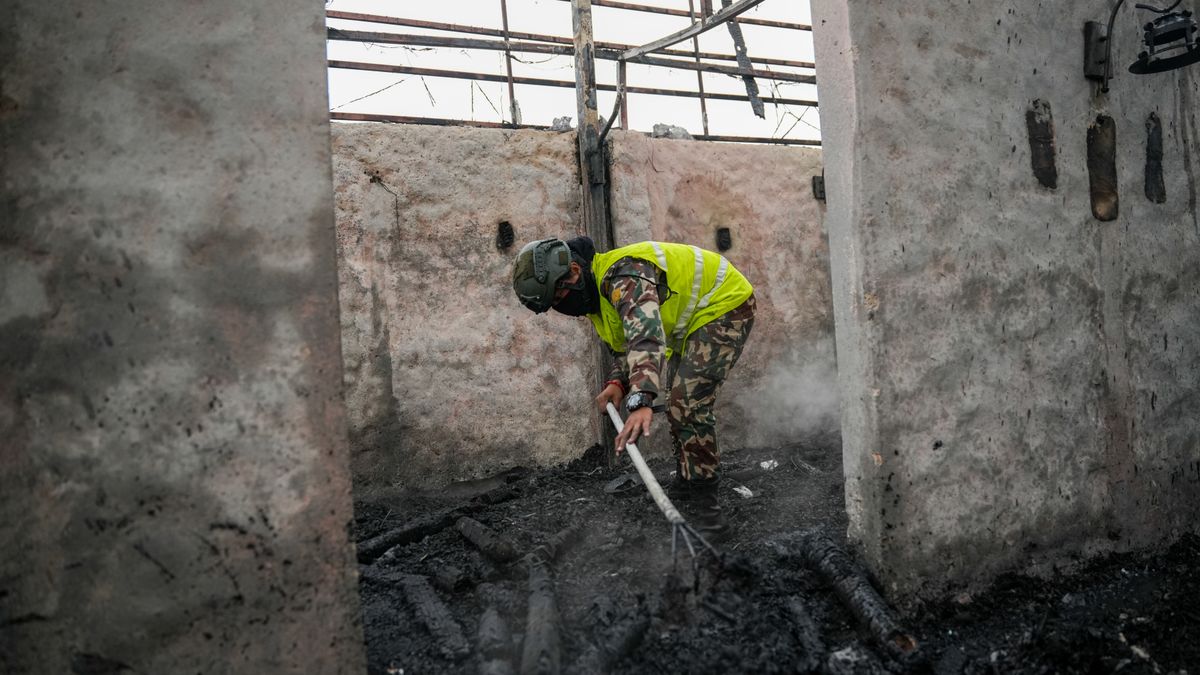
4. Water damage (from firefighting efforts). Every DFW fire department puts water on the fire, and it goes everywhere. It runs down walls, pools in the slab, soaks carpet, and saturates the sheetrock. A typical residential fire uses 1,500 to 3,000 gallons of water. That is not a spill you can mop up with towels.
How smoke type changes our cleanup approach
We classify smoke by the fire conditions that produced it. Dry smoke comes from high-temperature fires and is powdery and lightly adhered, so it gets into every crack but is easier to clean. Wet smoke comes from low-heat, smoldering fires and is sticky and smeary, embedding deeper into surfaces. Protein smoke comes from cooking fires and is nearly invisible, leaving a greasy film that smells like burned food for months. Fuel-oil smoke comes from furnace or appliance fires and leaves a heavy, dark residue. Every type is acidic, and every type requires a different cleaning chemistry. We match our approach to the smoke type we find on scene.
Fire damage restore is not a one-step job. You need a team that handles all four types simultaneously, because the damage starts interacting within hours. Thermal damage without smoke treatment means you replace drywall and then watch soot bleed through the paint. Water extraction without smoke cleaning means you dry a wall that still has corrosive residue in the cavity.
DFW Fire Risk Profile
Fire departments across North Texas report the same patterns year after year. Here is what we see on the calls we get.
| Fire Cause | DFW Share | Typical Property | Complexity |
|---|---|---|---|
| Cooking / grease | ~49% | All eras, especially 1990s+ open floor plans | Medium: smoke travels far in open plans |
| Electrical | ~13% | Pre-1980 homes lacking arc-fault breakers | High: hidden wall cavity damage |
| Lightning / storm | ~7% | All properties, Mar-May and Sep-Oct | Highest: often combined with roof and water damage |
These figures come from National Fire Protection Association data on U.S. home fires. The distribution in DFW follows the same pattern, but local variables matter: 1970s-era homes in Arlington, Grand Prairie, and south Dallas are more vulnerable to electrical fires, while newer construction in Prosper, Celina, and Melissa faces different risks from modern appliances.
Here is what we recommend to DFW homeowners: if you live in a home built before 1980, have an electrician check your panel for arc-fault protection. If you live in a 1990s to 2000s open floor plan, keep a lid and a fire extinguisher in the kitchen. These are cheap steps that prevent the most common DFW fire scenarios from escalating into the kind of job we get called for.
How GOAT Handles Fire Damage Restore
Heidi and our project manager J. Smith handle insurance coordination. J. Smith is a licensed Texas Mold Remediation Contractor, which matters because firefighting water plus DFW humidity equals mold risk. Here is our process, from the first call to the final walkthrough.
- 24/7 dispatch, 60-minute target arrival. We cover all of DFW, from Denton to Waxahachie, from Greenville to Granbury. When you call after a fire, someone answers. We do not use voicemail for emergencies. Our target is arrival within 60 minutes across the metro, and we measure it.
- Stabilize and secure. We board up broken windows, tarp damaged roofs, turn off utilities if needed, and set up drying equipment. This stops further damage from weather, theft, or additional water soaking into your structure. We do this before we do any smoke or soot cleaning.
- Assess the full scope. Using thermal imaging and moisture meters, we find hidden damage. We check wall cavities, attic spaces, HVAC ducts, and the area of origin plus adjacent rooms. Most homeowners do not see the damage that happens behind walls, but we look for it because that is where smoke and soot hide.
- Extract water and dry. We remove standing water from firefighting efforts and set up dehumidification. In DFW's humidity, this has to start within 24 hours to prevent mold. Our water team works alongside our fire team on every job.
- Clean smoke and soot. We use the proper chemistry for your smoke type. Dry cleaning sponges for dry residue, wet chemical cleaners for protein fires, specialized treatment for fuel-oil smoke. The sequence matters: we clean soot before we deodorize, and we deodorize before we rebuild.
We have handled fire damage jobs across every DFW neighborhood, from 1920s Craftsman homes in Dallas's Lakewood to 2020s custom builds in Southlake. You can read about what we did in Arlington, Irving, and Carrollton.
Fire restoration is complicated enough without adding smoke damage on top. Most homeowners call about one thing but end up needing all four damage types addressed. We handle the full scope so you do not have to coordinate separate contractors.
What Insurance Covers
Standard homeowners insurance (HO-3 policies) in Texas cover fire damage restoration, but the details matter. Here is what we see with the carriers DFW homeowners actually have: State Farm, Allstate, USAA, Farmers, Travelers, and Liberty.
Coverage includes: structural repairs (dwelling coverage), contents restoration or replacement, additional living expenses (ALE) while your home is uninhabitable, and debris removal. Most policies also cover the cost of fire damage restoration services as a covered loss.
Timing matters. The mitigation duty clause in every HO-3 policy requires you to take reasonable steps to prevent further damage. That means tarping your roof, extracting standing water, and beginning the drying process. If you wait a week, your insurer can deny coverage for resulting mold or secondary water damage. In DFW, where humidity is 60 to 75 percent most of the year, that window is tight.
| Insurance Element | Covered | DFW Detail | Action Required |
|---|---|---|---|
| Structural repair | Yes, dwelling coverage | DFW rebuild costs $150-300/sf | Get pre-loss photos, document everything |
| Contents restoration | Yes, up to contents limit | Electronics, furniture, clothing covered | Inventory before we pack out |
| Additional living expenses | Yes, typically 20% of dwelling limit | DFW hotels $120-200/night peak season | Keep all receipts including meals |
| Mitigation | Yes, as covered loss | Failure to mitigate can reduce payment | Call a pro within 48 hours |
For DFW homeowners dealing with a fire claim, here is our recommendation: call your insurance company within 24 hours to report the claim, but do not wait for an adjuster appointment to start mitigation. The clock on mold and further damage does not stop while you wait for an adjuster to drive out. Start the restoration process, document everything with photos, and let us handle the insurance coordination. We have worked with adjusters from every major DFW carrier and know what documentation they need.
When to Call and When You Can Wait
We get asked this all the time: "Do I need to call someone right now?" Here is our honest answer.
Call immediately (within 48 hours):
- Any structural damage: charred framing, sagging floors, roof damage
- Heavy smoke throughout the home, especially if you smell it in rooms away from the fire origin
- Any standing water from firefighting efforts, especially urgent in DFW's humidity
- Odor that lingers after the fire is out: smoke molecules penetrate deep into porous materials
- Electrical issues after a fire: flickering lights, outlets that do not work, or the smell of burning
Call within a few days (non-emergency):
- Minor kitchen fire fully extinguished with no visible damage beyond adjacent cabinets
- Small electrical fire with minimal smoke, no water damage, and home was ventilated immediately
- Any situation where you are unsure: we would rather send someone to look and tell you it is minor
Can you clean soot and smoke damage yourself?
For very small amounts of dry soot on non-porous surfaces (glass, metal), use a HEPA vacuum and mild cleaner. Do not use water on soot, it creates a mud that is harder to remove. For any significant smoke damage, stick-built surfaces, or areas where smells linger, call a GOAT technician. DIY cleaning typically smears soot deeper into porous materials, making restoration more expensive.
Our stance is simple: we would rather take a look and tell you it is minor than have you wait until a small fire becomes a full restoration job. If you are in the Dallas, Fort Worth, Plano, Frisco, McKinney, Arlington, or surrounding area and you have fire damage, call us. We are available 24/7, 365 days a year. Our number is (817) 123-4567. We target arrival within 60 minutes across the DFW metro, and we handle the insurance paperwork so you do not have to.
Quick summary: secure the property (board up, turn off utilities), call us within 48 hours, document everything with photos, and let us handle the insurance coordination. The rest follows from there.