
Quick Answer
Arlington fire damage restoration from DFW owner-operators. Kitchen, electrical, and smoke damage in 70s-80s homes. Call (469) 525-2254 24/7 emergency.
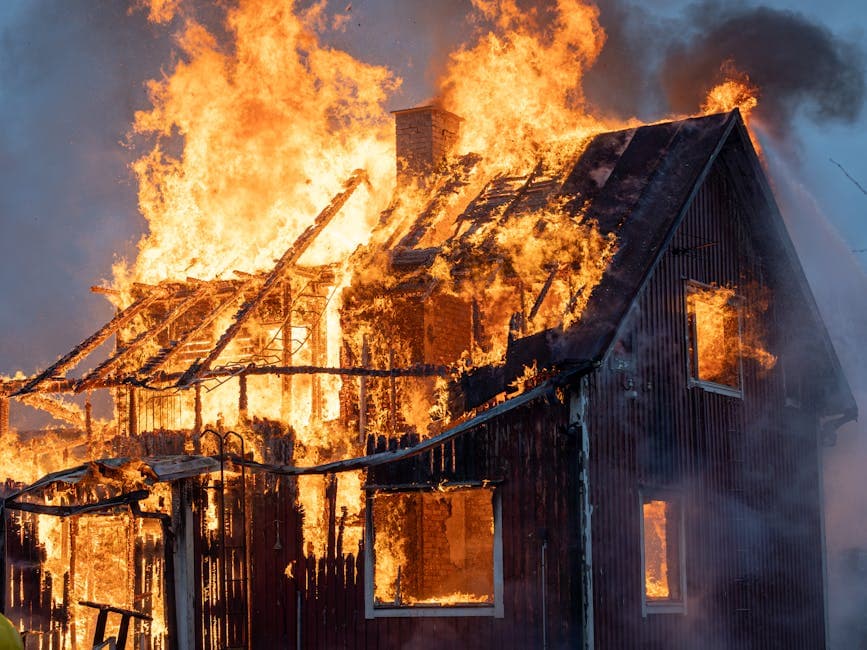
Fire is the one call that is different from every other job we take. Water damage is loud, messy, and obvious. A house fire is quiet by comparison, at least at first. You smell it before you see it. You hear the smoke alarm at 2 a.m., and the next thing you know the fire department is cutting a hole in your roof and your home is wet, blackened, and unlivable for weeks.
We are GOAT Home Services, and we handle fire restoration across Arlington as part of our DFW service area. Graham, our co-owner, holds the Master Fire and Smoke Restorer designation and is IICRC certified in fire and smoke restoration, so this is not a side service for us. Here is what Arlington homeowners need to know about fire damage: why it happens in this city and what the restoration process actually looks like.
Why Arlington Homes Face Unique Fire Challenges
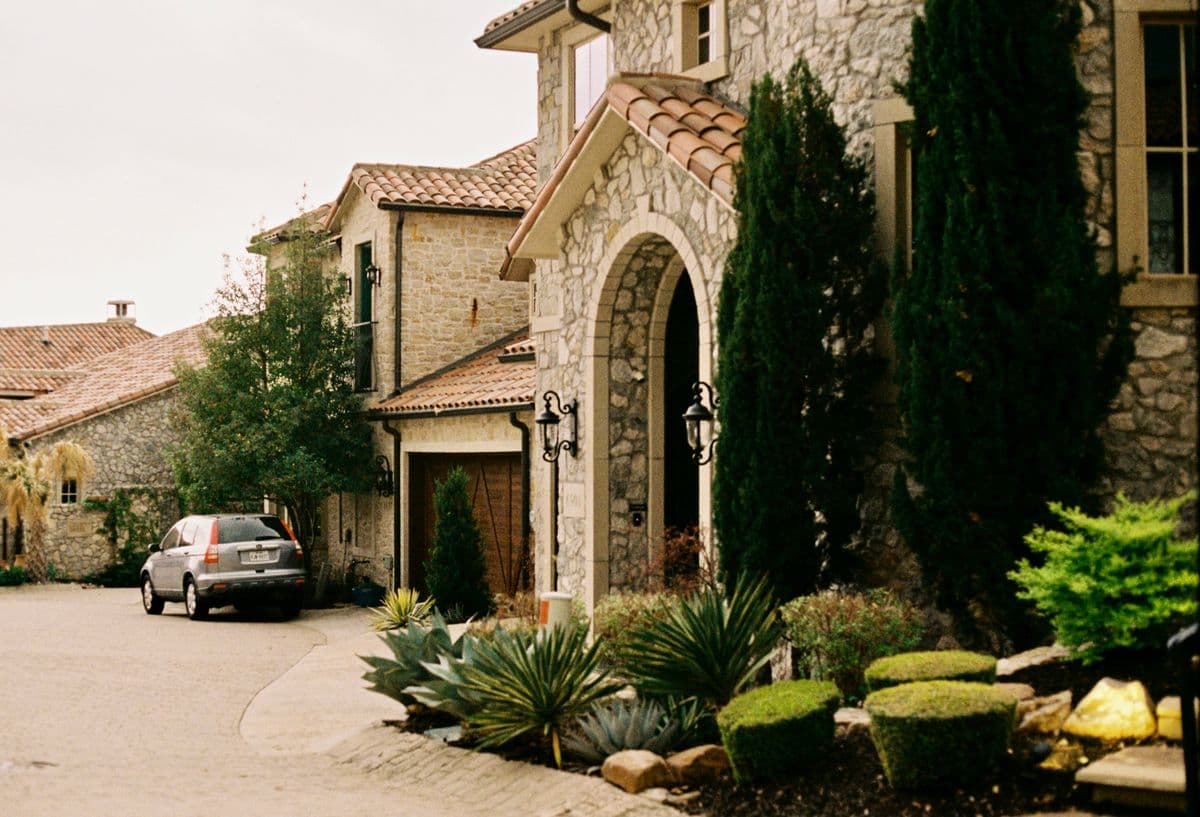
Arlington's housing stock is not the same as Plano's or Frisco's. The city grew up in waves, and most of the residential neighborhoods east of the Entertainment District and around Lake Arlington are 1970s and 1980s slab-on-grade construction with brick veneer exteriors. That era carries specific fire risks that newer Collin County construction does not share.
The biggest one is aging electrical systems. A 1970s home in south Arlington was built before arc-fault breakers existed, and long before today's kitchen, home office, and media room loads. When a family runs a window unit, a space heater, and a microwave on a 45-year-old circuit, the wiring gets hot. Heat in the wall cavity is how a lot of electrical fires start.
Kitchens are the other constant. Cooking is the leading cause of home fires across the U.S., and Arlington's open-floor-plan 1980s homes make it worse: the kitchen runs straight into the living area with no door or wall to slow a grease fire down. A grease fire that starts on the stove jumps to the vent hood, spreads to the cabinets, and in a few minutes the whole open plan is involved.
The Arlington Fire Profile: Where Fires Actually Start
Based on how fires present in the homes we are called to, Arlington fires break down into a few recurring profiles:
| Fire Type | Where It Starts in Arlington | What It Damages | Restoration Complexity |
|---|---|---|---|
| Kitchen / grease fire | Stove, vent hood, cabinets in 1970s-1980s open plans | Kitchen cabinets, sheetrock, appliances, smoke throughout | Medium: contained area, but smoke travels |
| Electrical fire | Wall cavities, panels, attic wiring in older homes | Hidden structural damage, melted wire, heavy smoke | High: requires opening walls to find hot spots |
| HVAC / appliance fire | Furnace, water heater, dryer vent | Mechanical room, ductwork, soot blown through vents | High: soot in ducts spreads to every room |
| Storm-related fire | Lightning strike, downed lines, gas line damage | Roof, attic, sometimes entire structure | Highest: often combined with water damage |
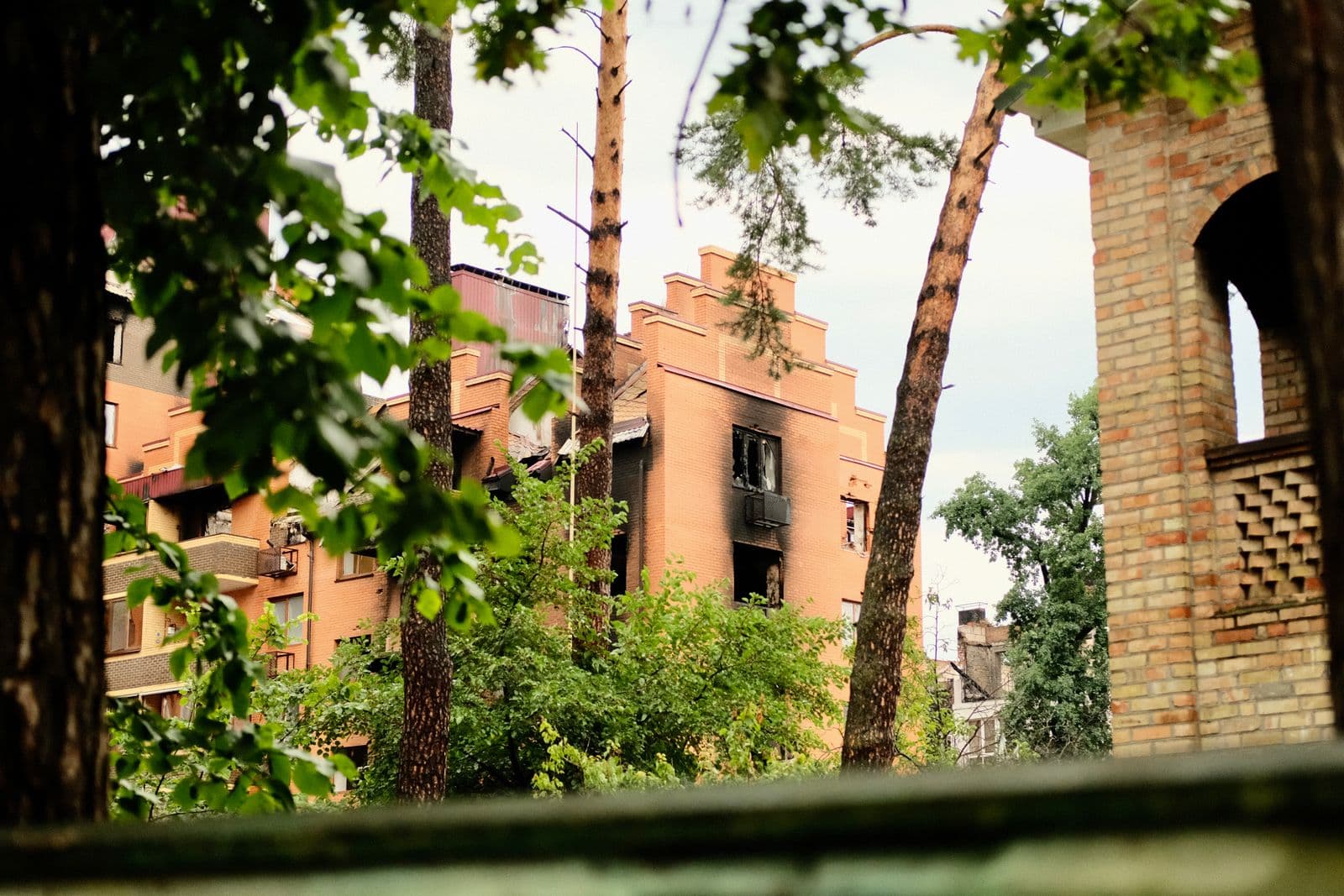
Notice the pattern: most Arlington fires are not the Hollywood version with flames shooting out the roof. They are contained fires that generate enormous smoke damage. And smoke is the part that surprises homeowners the most. Here is our stance: the fire is the event, but smoke is the bill. A small kitchen fire that is out in four minutes can still contaminate every porous surface in the house, because smoke is an aerosol of partially burned material that settles into drywall, carpet, upholstery, and clothing.
Smoke and Soot Damage in Arlington Homes
Smoke damage is not one thing. It is four things, and they behave differently depending on what burned and where.
Wet smoke comes from low-heat, smoldering fires and is sticky, smeary, and the hardest to clean because it smears deeper into the surface. Dry smoke comes from fast, hot fires and is powdery; it gets into every crack and is easier to clean but harder to find. Protein smoke comes from cooking fires and is nearly invisible: a thin, greasy film you only notice because everything smells like burned food. Fuel-oil smoke comes from furnaces and appliances and leaves a dark, heavy residue.
Every one of these is acidic, and soot starts corroding metal surfaces, clouding glass, and staining porous materials within hours. That is why the clock on smoke damage starts at the fire, not when you get around to calling someone. A brass doorknob or a stainless appliance that is wiped down within a day may be fine. The same surface left for a week is etched.
Your HVAC system makes it worse. The forced-air system keeps running until someone turns it off, and every minute it runs, it pulls smoke through the return, coats the ductwork, and pushes soot into every room. Duct cleaning or replacement is a standard part of fire restoration in DFW for this reason.
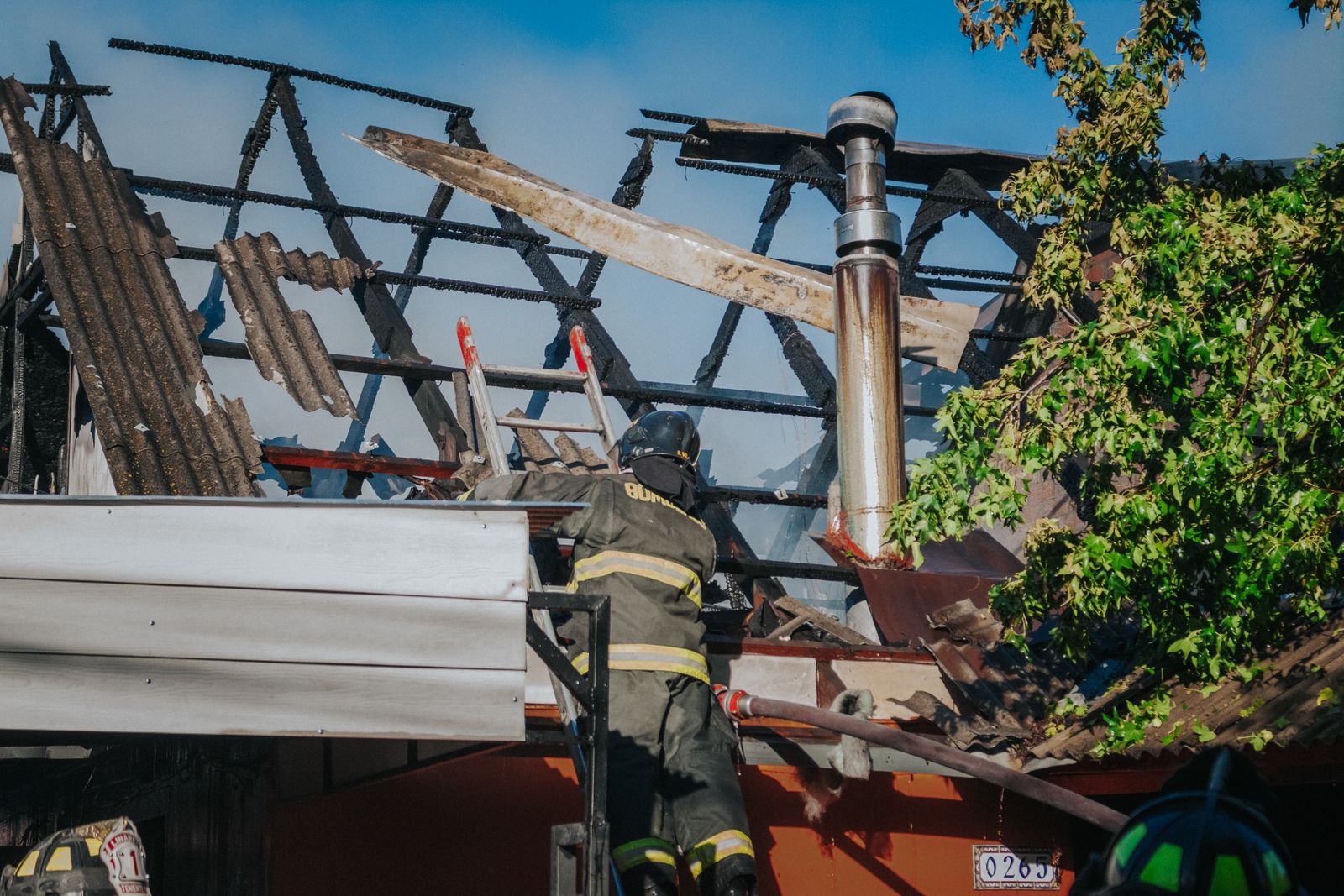
For smoke and soot damage, we recommend professional smoke damage restoration rather than DIY cleaning. Household cleaners smear soot and push it deeper. The proper sequence is dry-cleaning soot first, then wet-cleaning, then deodorizing with thermal fogging or ozone, and that sequence is exactly what our odor control process follows.
Fire and Water: The Two-Part Damage
Here is what most homeowners do not expect: a fire in Arlington almost always becomes a water damage job too. The fire department puts water on the fire, and that water goes everywhere. It runs down walls, pools in the slab, soaks carpet, and saturates the sheetrock the smoke just coated.
So a fire restoration in Arlington is really two restorations running at the same time. The fire side handles smoke, soot, and structural fire damage. The water side handles extraction, drying, and dehumidification of everything the fire hoses soaked. Drying has to start within 24 hours, because in DFW's humidity, wet materials start growing mold within 24 to 48 hours.
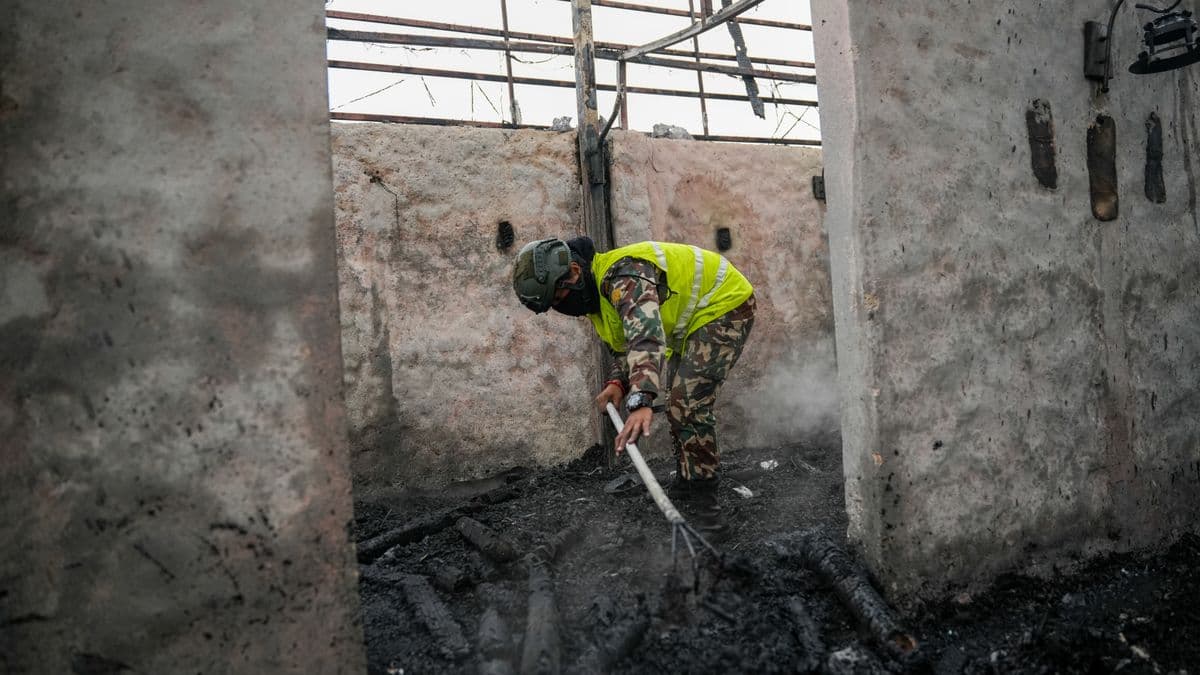
That combination is why our fire restoration crew works alongside our water team on every fire job. You cannot clean soot off a wall that is still wet, and you cannot dry a wall cavity that is full of smoke residue. The two processes have to be sequenced: extract and dry first, then clean smoke and soot, then deodorize, then rebuild.
How GOAT Home Services Covers Arlington
Arlington is one of our home cities. We cover the Entertainment District, the neighborhoods around Lake Arlington, the I-30 corridor, and the residential sections off Green Oaks and Matlock. When you call us after a fire, we answer 24 hours a day, 7 days a week, and we target arrival within 60 minutes across the city.
The first thing we do on a fire call is board-up and tarping if the structure is open to the weather. A fire that burns through the roof leaves the house exposed, and a DFW storm moving in that night can turn a fire loss into a fire-plus-storm loss. Our 24/7 emergency response covers that first critical step, and we document everything for your insurance file before we touch anything. From there, the process follows the IICRC fire restoration standard:
-
Emergency mitigation and board-up. Secure the structure, stop further damage, and shut down unsafe utilities.
-
Assessment and scope. We document the fire, smoke, soot, and water damage room by room, with photos for the insurance claim.
-
Water extraction and drying. Fire hoses put a lot of water in a home. We extract and set up structural drying before the mold clock runs out.
-
Smoke and soot cleaning. Dry-cleaning first, then wet-cleaning, then surface treatment. Contents are cleaned in place or packed out if needed.
-
Deodorization. Thermal fogging, ozone treatment, or hydroxyl generators to knock out the smoke odor at the molecular level.
-
Reconstruction. Rebuild the fire-damaged structure, replace sheetrock, flooring, and cabinetry, and return the home to pre-loss condition.
We handle the insurance side of that process with you, not around you. Fire damage is covered under standard homeowners policies, and we work directly with your adjuster on the scope and the estimate. For a full breakdown of what fire restoration costs in DFW, see our fire damage restoration cost guide, and for the smoke side, our smoke damage cost guide.
Prevention Specific to Arlington
You can cut your fire risk in an older Arlington home with five specific actions:
-
Have the electrical panel inspected. Pay an electrician to check the panel, the service rating, and the attic wiring. Replacing a Federal Pacific or Zinsco panel is worth every dollar.
-
Clean the dryer vent. Lint buildup in dryer vents is one of the most preventable fire causes, and it is a particular problem in older Arlington homes where the vent run is long.
-
Never run space heaters or window units on extension cords. This is the single most common electrical fire trigger we see. Plug them directly into the wall.
-
Keep a fire extinguisher in the kitchen. A grease fire caught in the first 30 seconds is a mess. The same fire at two minutes is a restoration job. Do not throw water on a grease fire.
-
Have the furnace and water heater serviced annually. A yearly inspection catches cracked heat exchangers and failing gas valves before they ignite.
Here is our honest stance on prevention: most Arlington fire calls are avoidable. Electrical, kitchen, dryer, and appliance fires are the ones we see over and over, and a few hundred dollars of maintenance can stop them. We would much rather do a $200 panel inspection than a six-figure restoration, and we tell every homeowner that flat out.
When to Act: The Arlington Fire Response Timeline
Time is the variable that decides whether an Arlington fire is a two-week job or a four-month job:
| Time After Fire | What Is Happening | Why It Matters |
|---|---|---|
| First 2 hours | Fire department clears the scene; structure may be open | Board-up and tarping window to prevent weather and theft damage |
| First 24 hours | Water extraction and drying start | Stops the water damage and starts the mold clock countdown |
| First 48 hours | Smoke and soot cleaning begins | Soot acidity starts etching metal and glass; cleaning window is now |
| First week | Scope finalized; adjuster inspection; drying completes | Insurance estimate and restoration plan locked in |
| Weeks 2-16 | Reconstruction and rebuild | Depends on extent of structural fire damage and material lead times |
Every day you wait after a fire costs you. Soot etches, water wicks, mold starts, and the claim gets harder to document. Call a restoration company the night of the fire. Your mitigation duty starts the minute the fire is out.
Arlington Fire Restoration FAQ
Does homeowners insurance cover fire damage in Arlington?
Yes. Fire is a covered peril under standard HO-3 homeowners policies, including the smoke, soot, and water damage caused by firefighting. That is different from flood, which requires separate coverage. Your policy covers the structure and typically your personal contents up to your contents limit. Document everything and work with a restoration company that handles the claim process with your adjuster.
Can I clean smoke damage myself to save money?
We do not recommend it. Soot is acidic and household cleaners smear it deeper into surfaces. Smoke odor penetrates porous materials that surface cleaning cannot reach; it takes thermal fogging or ozone treatment to break the odor molecules down. The moment smoke has traveled through the house or the HVAC system, professional smoke damage restoration is the difference between a clean home and one that still smells like fire in six months.
How long does fire restoration take in Arlington?
A small, contained kitchen fire with light smoke damage can be cleaned and deodorized in one to two weeks. A fire that involved the roof or the structure, with significant water damage from firefighting, can take two to four months when reconstruction is included. The drying phase alone takes 3 to 7 days, and the insurance estimate and material lead times drive the rebuild schedule.
What should I do the night of a fire before the restoration crew arrives?
Get everyone out and stay out until the fire department clears the structure. Do not turn the HVAC back on. Do not touch or clean anything; soot smears, and the insurance documentation needs the scene intact. If the structure is open, ask about board-up and tarping that night. Take photos from outside if it is safe, and call a restoration company that answers 24/7, because the board-up window does not wait for business hours.
The Bottom Line
Fire damage in Arlington is usually not the dramatic total-loss fire. It is a kitchen fire, an electrical fire, or an appliance fire that generates heavy smoke damage, gets put out with a lot of water, and then has to be dried, cleaned, deodorized, and rebuilt. The most at-risk homes are the 1970s and 1980s slab construction around Lake Arlington.
Our recommendation for Arlington homeowners is simple: fix the panel, clean the dryer vent, keep an extinguisher in the kitchen, and call a restoration company the night of a fire, not the morning after.
Key Takeaways
Smoke is the expensive part of a fire, and it is acidic, so cleaning has to start within 48 hours. Fire almost always means water damage too, and the drying clock starts immediately. Arlington's older homes need electrical and dryer vent attention more than anything else. And fire is covered by standard homeowners insurance, so the claim process should not be a barrier to calling for help.
If your Arlington home has fire, smoke, or soot damage, call us at (469) 525-2254. We answer 24 hours a day, 7 days a week, 365 days a year, and we target arrival within 60 minutes across Arlington, from the Entertainment District to Lake Arlington. Expect Greatness.