
Quick Answer
Fire damage restoration in DFW typically ranges from $3,000 to $80,000+. Here is what actually drives the cost, what insurance covers, and how to avoid out-of-pocket surprises.
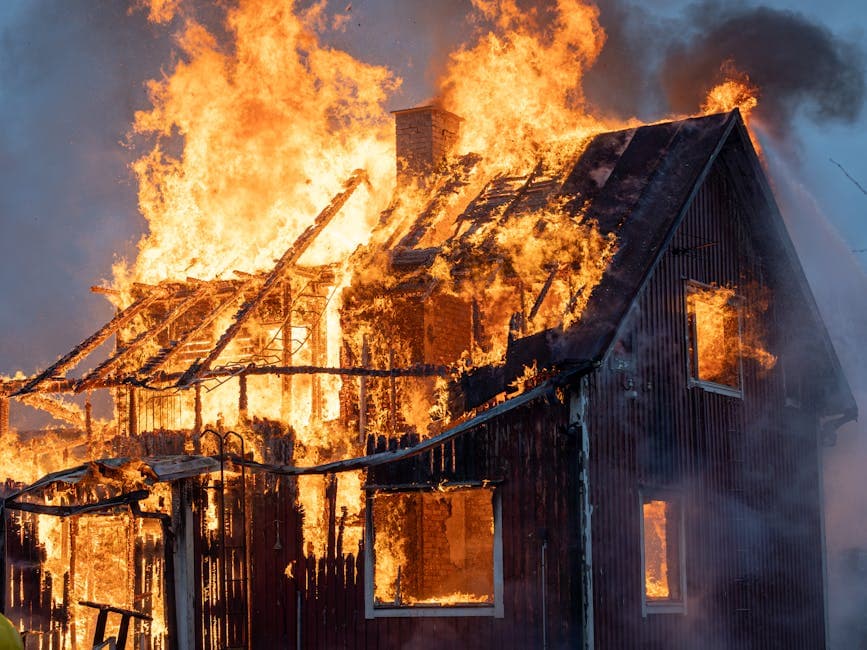
House fires are one of the most expensive home emergencies a DFW homeowner can face. If you have been through one, you already know this. But for those asking how much fire damage restoration actually costs after a fire, here is a straight answer: it ranges in DFW from $3,000 for a contained grease fire in a single room to $80,000 or more for a full-structure fire that damages the whole house.
The range is wide because every fire is different. A small stovetop fire that was extinguished quickly might mean replacing the stove, cleaning the surrounding cabinets, and repainting the kitchen. A house fire that burned for ten minutes before the fire department arrived can mean replacing the roof, all of the insulation in the attic, every surface affected by smoke, and the personal belongings that the smoke damaged. The water damage from the fire hoses adds its own restoration cost.
This guide breaks down what fire damage restoration actually costs in Dallas-Fort Worth, what drives the cost up, what your insurance policy covers, and how to make sure you are not overpaying. We have worked on fire damage jobs across DFW from Carrollton to Plano to Dallas, and the patterns are consistent.
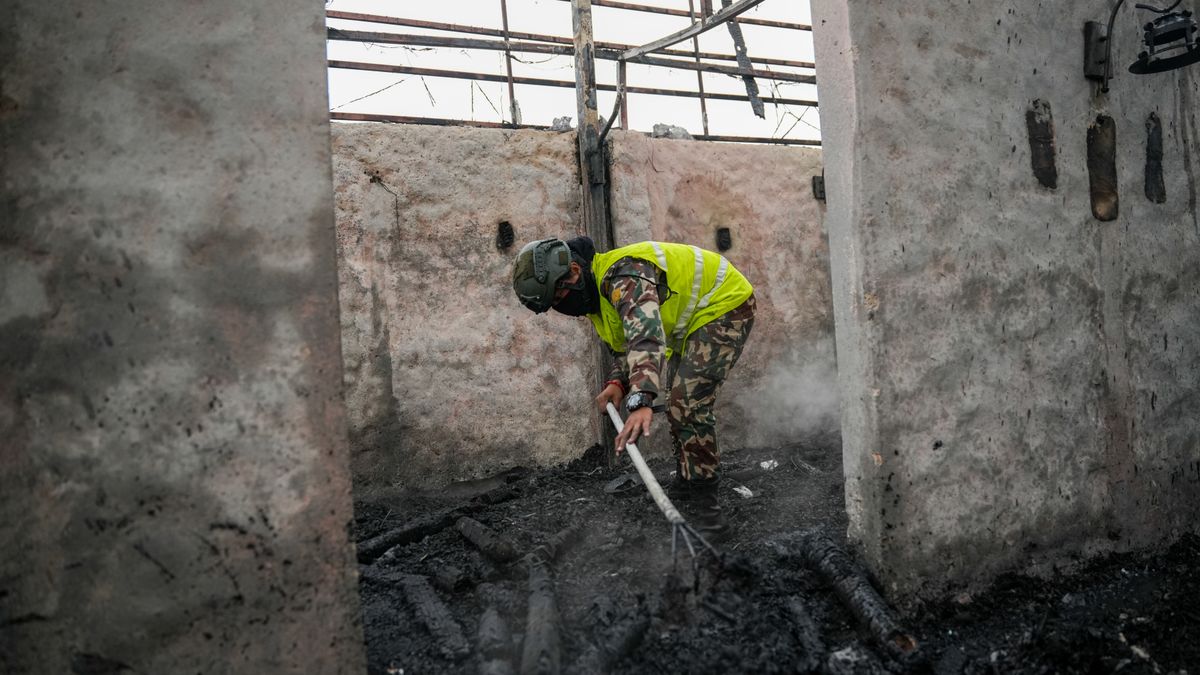
Fire Damage Restoration Costs by Severity
Fire damage restoration costs fall into tiers based on how much of the structure was affected. These are general industry ranges for DFW. The actual number depends on the specific job.
| Severity | Cost Range | Timeline | What's Included |
|---|---|---|---|
| Minor | $3,000 to $8,000 | 1 to 2 weeks | Soot and smoke cleaning, HEPA vacuuming, ozone or thermal fogging for odor, cabinet and appliance replacement if affected, repainting |
| Moderate | $8,000 to $25,000 | 3 to 6 weeks | Drywall and insulation removal and replacement in affected rooms, HVAC duct cleaning, content cleaning and pack-out, structural drying from fire hose water (Category 2) |
| Major | $25,000 to $50,000 | 2 to 4 months | Roof decking and truss repair, full-floor demolition, smoke sealant on all porous surfaces in unaffected rooms, multiple trade coordination (structural, electrical, plumbing, drywall, paint) |
| Total Loss | $50,000 to $80,000+ | 4 to 8+ months | Full demolition, structural stabilization, smoke cleanup throughout, reconstruction by general contractor (adds $150K-$300K+ for full rebuild) |
Warning: Check Your Coverage Limits
A total-loss fire in DFW can easily reach $150,000 to $300,000 or more when you add reconstruction costs on top of restoration. If your dwelling coverage limit is below the rebuild cost, the gap comes out of your pocket. In DFW, the median dwelling limit is $350,000 to $500,000 for a single-family home. If your home would cost more than that to rebuild at today's construction prices, you are underinsured. Check your policy declaration page now , do not wait until after a fire.
What Drives the Cost of Fire Damage Restoration
Several factors determine where your fire damage restoration falls within the cost range. Understanding these helps you know what to expect and why some estimates are higher than others.
Factor 1: Size of the Burned Area
This is the single biggest cost driver. A contained fire that damaged one wall and the adjacent cabinets is a small job. A fire that burned through the roof into the attic means truss replacement, roof decking replacement, insulation replacement throughout the attic, and possibly structural engineering to verify the load-bearing capacity of the remaining framing. Every square foot of burned material adds demolition, disposal, material replacement, and labor.
Factor 2: Smoke Migration and Odor Penetration
Fire damage is not just about the burned area. Smoke travels through the entire house, entering wall cavities through gaps around electrical outlets and light fixtures, migrating through the HVAC system, and settling on every exposed surface. Porous materials like drywall, carpet, upholstery, and clothing absorb smoke odors. The longer smoke sits, the more it bonds with surfaces, and the harder it is to remove.
In DFW homes, smoke damage is often more extensive than homeowners expect because the HVAC system is typically a single-zone system servicing the entire house. Once smoke enters the return air duct, it circulates through all the registers. We have worked with homes in Frisco and McKinney where a fire in the garage caused smoke damage throughout the entire three-story house through the shared ductwork. The smoke damage restoration adds $2,000 to $10,000 to the job depending on the size of the house and the extent of contamination.
Factor 3: Fire Hose Water Damage
The water the fire department uses to extinguish the fire causes its own damage. In DFW, fire departments flow 150 to 250 gallons per minute from a standard hose line. A typical house fire requires 3,000 to 10,000 gallons of water. That water saturates drywall, insulation, flooring, and framing. It carries soot and debris into every crevice.
Fire hose water is classified as Category 2 gray water because of the contaminants it picks up from the burning materials. It requires the same drying process as a flood: water extraction, structural drying with air movers and dehumidifiers, removal of wet drywall and insulation, and antimicrobial treatment to prevent mold. The water damage component adds $1,500 to $5,000 to the restoration cost depending on the amount of water and the materials affected.
Factor 4: Content Cleaning and Storage
Personal belongings in the affected area need to be inventoried, packed, cleaned, and either returned or disposed of. This is often the most time-consuming part of the restoration process. Content cleaning includes ultrasonic cleaning for hard goods, dry-cleaning or wet-cleaning for clothing and textiles, and ozone treatment for odor removal. If the contents need to be stored off-site during reconstruction, storage costs add to the total. Content cleaning and storage typically adds $2,000 to $10,000 to the restoration depending on the volume and value of the items.
Factor 5: Structural Repairs and Reconstruction
Once the damaged materials are removed and the smoke is cleaned, the structure needs to be rebuilt. Structural repairs include replacing drywall, insulation, flooring, trim, doors, cabinets, and countertops. If the fire compromised the roof structure, new trusses and roof decking are needed. The cost of reconstruction varies with the size of the affected area, the local labor rates, and the quality of the finishes. In DFW, reconstruction labor runs $15 to $30 per square foot for standard finishes and $30 to $50 per square foot for custom finishes.
What Homeowners Insurance Covers for Fire Damage
Fire damage is one of the perils that standard homeowners insurance policies are designed to cover. The HO-3 policy, which is the most common homeowners policy in Texas, covers fire damage to the structure and the contents.
Coverage A: Dwelling (Structure)
This covers the structure of the house: the framing, drywall, insulation, flooring, roof, windows, doors, built-in cabinets, plumbing, electrical, and HVAC system. If the fire damaged these, they are covered up to your policy dwelling limit. In DFW, the median dwelling limit for a single-family home is $350,000 to $500,000. Your limit should be high enough to rebuild the house from the foundation up. If the house is underinsured and a total-loss fire occurs, the gap between the insurance payout and the actual rebuild cost is your responsibility.
Coverage B: Other Structures
This covers structures on the property that are not attached to the house: detached garages, sheds, fences, and guest houses. Coverage B is typically 10 percent of Coverage A. A detached garage fire in a DFW home that damaged the structure and its contents would be covered under this section.
Coverage C: Personal Property (Contents) + The Replacement Cost Trap
This covers the contents of the house: furniture, electronics, clothing, appliances, dishes, and other personal belongings. Coverage C is typically 50 to 70 percent of Coverage A. This is the section that pays for content cleaning, pack-out, and storage. It also covers replacement of items that cannot be cleaned.
Important distinction: Standard HO-3 policies pay actual cash value for personal property unless you have a replacement cost endorsement. Actual cash value subtracts depreciation from the replacement cost. An 8-year-old sofa that cost $2,000 new might be worth $400 at actual cash value. If you do not have a replacement cost endorsement, the payout for your contents will be significantly less than what it costs to replace them.
Coverage D: Loss of Use (Temporary Housing)
If the house is uninhabitable during restoration, loss of use coverage pays for additional living expenses: hotel stays, restaurant meals, laundry, and other costs above your normal living expenses. This is typically 20 to 30 percent of Coverage A and has a time limit, often 12 to 24 months. If a fire in a Carrollton home requires six months of restoration, loss of use coverage pays for the family temporary housing.
The Deductible: What You Pay Out of Pocket
Fire damage claims use the property deductible, which is typically 1 to 2 percent of the Coverage A limit. On a $400,000 policy, that is $4,000 to $8,000. The deductible is subtracted from the claim payout. Some policies have a separate, higher deductible for fire claims, so check your policy declaration page.
Our Recommendation: Get the Replacement Cost Endorsement
If your HO-3 policy does not include a replacement cost endorsement for personal property, add one. The additional premium is typically $50 to $150 per year. Without it, a total-loss fire that destroys $50,000 worth of contents might pay out $15,000 to $20,000 after depreciation. With it, the same loss pays out the full replacement cost. For DFW homeowners, this is the single most valuable insurance upgrade for the money.
Red Flags When Hiring a Fire Damage Restoration Company
The cost of fire damage restoration is high enough without adding overcharging and unnecessary work. Here are the red flags we see homeowners encounter:
Red Flag 1: The Lowest Bid
Fire damage restoration is not a business where the lowest bid makes sense. The difference between a $15,000 restoration and an $8,000 restoration for the same fire is almost always scope, not pricing. A low bid means the company is cutting corners: less demolition than needed, cheaper materials, fewer cleaning passes, and inadequate odor control. Six months later, the smoke odor returns, the paint peels from unsealed surfaces, or mold grows in the wall cavities from incomplete drying. The cheapest bid upfront becomes the most expensive job in the long run.
Red Flag 2: No IICRC Certification
The Institute of Inspection, Cleaning and Restoration Certification sets the industry standard for fire and smoke restoration. The applicable certifications are the Fire and Smoke Restoration Technician (FSRT) and the Water Damage Restoration Technician (WRT). Ask what certifications the crew holds. If the company cannot produce them or does not know what IICRC is, hire someone else.
Red Flag 3: Asking for Payment Before Work Is Complete
In fire damage restoration, the insurance company pays the restoration company directly after the work is completed and documented. Legitimate companies do not ask the homeowner for a check upfront. If a company demands a deposit before starting, that is a warning sign.
Red Flag 4: Pressure to Sign an Assignment of Benefits
Some restoration companies ask homeowners to sign an Assignment of Benefits form, which gives the company the right to bill the insurance company directly and sue the insurance company if they do not pay the full amount. While this can be legitimate in some cases, it also removes the homeowners control over the claims process. Read the document carefully before signing and consult your insurance agent if you are unsure.
Fire Restoration Cost Breakdown in DFW by Service
Here is what the restoration cost typically includes, line by line:
- Emergency board-up and tarping: $500 to $2,000. Securing the property after the fire department leaves. Boarding windows and doors, tarping holes in the roof.
- Water extraction and structural drying: $1,000 to $5,000. Removing fire hose water, setting up air movers and dehumidifiers, monitoring moisture levels over 3 to 7 days.
- Demolition and debris removal: $2,000 to $15,000. Removing burned drywall, insulation, flooring, roofing, and contents. Disposal fees and dumpster rental.
- Soot and smoke cleanup: $1,500 to $8,000. Cleaning all affected surfaces with specialized chemicals, HEPA vacuuming, thermal fogging, ozone treatment for odor.
- Content cleaning and storage: $2,000 to $10,000. Inventorying, packing, cleaning, and storing personal belongings. Ultrasonic cleaning, dry-cleaning, ozone treatment.
- HVAC cleaning: $1,000 to $3,000. Cleaning all ductwork, registers, and the air handler unit. Replacing filters and insulating flexible duct sections where smoke particles have adhered.
- Reconstruction: $10,000 to $40,000+. Replacing drywall, insulation, flooring, trim, cabinets, countertops, and fixtures. Painting and finishing. Structural repairs if the framing was damaged.
How to Get an Accurate Fire Damage Restoration Estimate
Here is what we recommend to DFW homeowners after a fire:
-
Call your insurance company first. Report the loss and ask about your coverage limits, deductible, and whether there are any fire-specific limitations. Some policies exclude fire damage from certain causes, like electrical fires. Know what you are working with before you start.
-
Get three estimates from restoration companies. Compare scope, not just price. A company that does more demolition is not overcharging: they are following industry best practices to ensure the smoke odor does not return. Ask each company to explain why their approach is different from the others.
-
Ask for an IICRC-certified estimator. The estimate format follows IICRC guidelines, which the insurance adjuster is trained to read. If the estimate is not in IICRC format, the adjuster will send it back for revisions, and that delays your claim.
-
Do not sign anything until the adjuster has inspected. The insurance adjuster needs to see the damage before any work starts beyond emergency stabilization. If the contractor starts demolition before the adjuster inspection, you risk having the claim denied or reduced.
Frequently Asked Questions About Fire Damage Restoration Costs
Does homeowners insurance cover fire damage restoration?
Yes. Standard HO-3 homeowners policies cover fire damage to the structure (Coverage A) and the contents (Coverage C). The policy pays the restoration company directly after the work is completed. You are responsible for the deductible, which is typically 1 to 2 percent of the dwelling limit.
How long does fire damage restoration take?
A small, contained fire takes 1 to 2 weeks from start to finish. A moderate fire that affected one floor takes 3 to 6 weeks. A major fire affecting the entire structure takes 2 to 4 months or longer. The timeline depends on the extent of the damage, the availability of materials, and the schedule of the reconstruction contractor. DFW construction market is active, and good contractors book out weeks in advance.
Can I stay in my house during fire damage restoration?
For small fires with minimal smoke damage, you may be able to stay in the unaffected part of the house. For any fire that requires demolition, structural drying, or extensive smoke cleanup, the house is uninhabitable during the restoration process. The noise from air movers and dehumidifiers alone makes living there impractical. If you have loss of use coverage, it pays for temporary housing.
Does smoke smell ever fully go away after a fire?
Yes, if the restoration is done correctly. The key is removing all contaminated materials. Smoke odor persists when burned materials are left in place, when porous surfaces are cleaned rather than removed and replaced, and when the HVAC system is not fully cleaned. A restoration company that follows IICRC standards for fire and smoke restoration will achieve complete odor removal. Smoke smell returns after a partial restoration because the contaminated materials are still in the wall cavities. The only fix for persistent smoke odor is to find and remove the source.
Should I try to clean smoke damage myself before the restoration crew arrives?
No. Do not attempt to clean walls, furniture, or other surfaces with household cleaners before the restoration team arrives. Household cleaners can set smoke residue into the surface, making professional cleaning more difficult and less effective. The recommended approach is to leave the affected area undisturbed, close doors to contain the smoke smell, and wait for the restoration company to perform the initial assessment.
What happens if the insurance adjuster estimate is lower than the restoration company estimate?
This is common. When the adjuster and the restoration company disagree on the scope or the cost, the restoration company submits a supplemental claim with additional documentation: photos of hidden damage discovered during demolition, moisture readings, and line-item cost justifications. Most supplement claims are approved within 1 to 2 weeks. If the adjuster still disagrees, the homeowner can request a mediation or a reappraisal. The restoration company project manager should handle this process, not the homeowner.
The Bottom Line on Fire Damage Restoration Costs in DFW
Key Takeaways
Fire damage restoration is expensive because it involves demolition, smoke cleanup, structural drying, content restoration, and reconstruction. The cost tiers are consistent across DFW: $3,000 to $8,000 for a small contained fire, $8,000 to $25,000 for a moderate fire affecting one floor, $25,000 to $50,000 for a major fire, and $50,000 to $80,000+ for a total loss. Insurance covers fire damage in most cases, but the payout depends on your coverage limits, deductible, and whether you have a replacement cost endorsement for your contents. The single most important thing you can do right now: check your policy declaration page and confirm your dwelling limit is high enough to rebuild at today's construction prices.
If you are dealing with fire damage in your DFW home, call a certified restoration company that has experience working with insurance claims. The restoration process is complex enough without trying to navigate it alone. We handle fire damage restoration throughout Dallas, Plano, Frisco, McKinney, Carrollton, Garland, Irving, Arlington, and the entire DFW metroplex. Call (469) 525-2254 for a free assessment. We respond 24 hours a day, 7 days a week, 365 days a year.