
Quick Answer
Fort Worth fire damage guide from DFW owner-operators: soot, smoke odor, board-up, and claim steps for Tarrant County homes. 24/7 dispatch at (469) 525-2254.
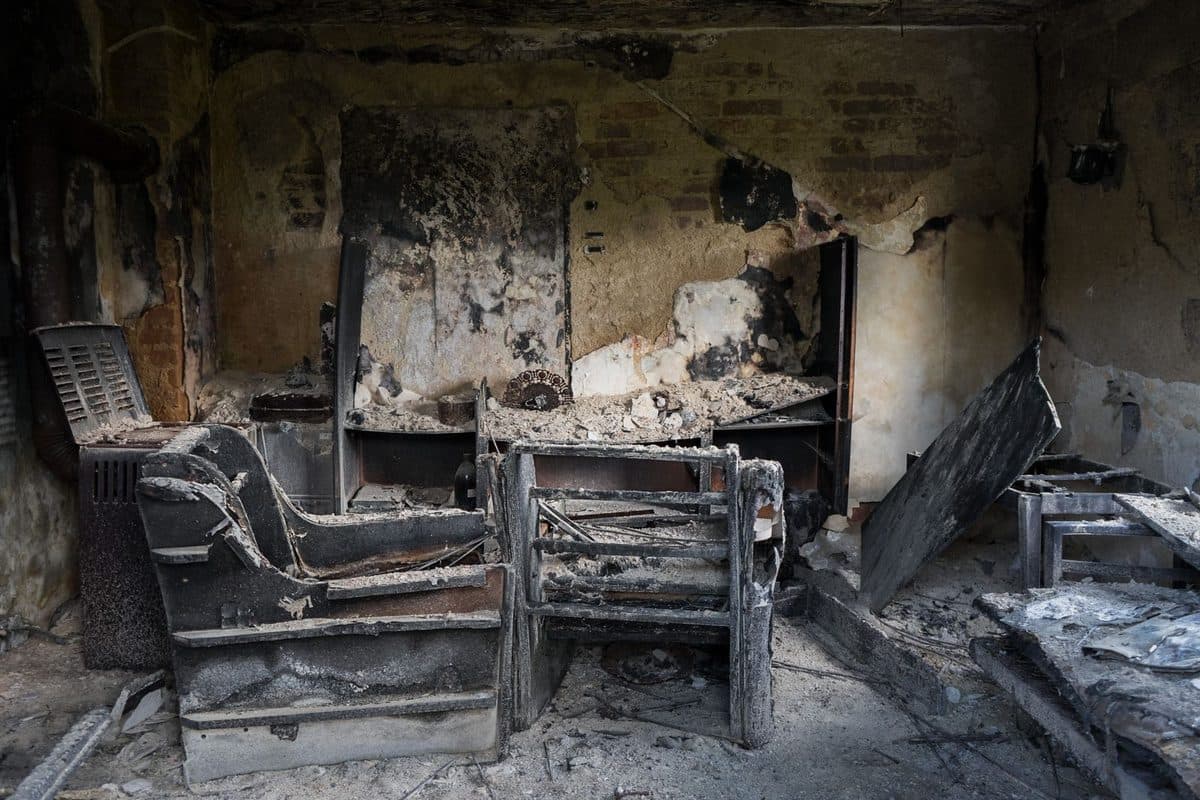
A Fort Worth fire loss is two losses: the fire itself and the 48 hours after it. Acidic soot etches glass and finishes within a day, smoke hides in wall cavities and ductwork, and suppression water sits in your drywall until the mold clock wins. Here is what happens to your house, and what to do first.
Why Fort Worth Homes Face Unique Fire Damage Challenges
Era is the first question in any Fort Worth fire, because this city contains several centuries of building styles inside one metro. Fort Worth counted 918,915 residents at the 2020 census and has stayed one of the fastest-growing cities in the country: three completely different fire profiles live in one city, and smoke behaves differently in each.
- Streetcar-era frame homes north and east of downtown, including the Fairmount neighborhood we serve, are wood-frame houses over a century old. Every wall is an open highway for smoke, and original plaster and lath holds soot chemically, not just visually. Cleaning those walls is a chemistry job, not a scrubbing job.
- Mid-century ranch homes spread across Tarrant County fall in the slab-on-grade building era that dominates post-1960 DFW construction. Their open kitchen-to-living layouts drive smoke straight into the main living space, so the soot lands on furniture, upholstery, and HVAC returns before the fire is even out of the kitchen.
- Newer construction around Alliance and west Fort Worth runs tighter and more energy-efficient. That is good for your utility bill and bad for your smoke: a tight envelope pulls smoke deep into the air handler return side, then redeposits it in every room the ductwork touches once the fan runs again.
The ignition source is rarely dramatic. NFPA's home structure fire research puts cooking at the top of what starts home fires, and credits working smoke alarms with cutting the risk of dying in a reported home fire.
Our stance: we size every Fort Worth fire job by era of home first. A 1910s Fairmount wall and a 2015 Alliance wall need different cleaning plans, and a company that quotes before asking what era you live in is guessing.
The Fort Worth Infrastructure Factor
Every fire in Fort Worth is also a water loss, and most homeowners only learn that after the trucks leave. The water that knocks down your kitchen fire goes straight into wall cavities, attic insulation, and under the slab edge, and it stays there until someone with equipment gets involved.
The North Texas clock is what makes this urgent rather than annoying. Water that sits in structure and drywall for more than a day or two in our humidity gives mold a 24 to 48 hour head start on your own house. A fire loss dried inside that window becomes a cleaning project. A fire loss that sits a week becomes a fire loss plus a mold remediation project, and nobody is happy about that.
One Fort Worth-specific detail surprises callers after almost every big fire: hydrant use in your area can leave your taps running brown or cloudy afterward. Run cold taps until the water runs clear before using that water, and note the discoloration for your restorer: sediment can foul appliance valves.
The other infrastructure factor sits on your policy, not your street. Your homeowner policy requires you to prevent further damage after the loss: that is the mitigation duty, and it covers getting the roof covered, the windows sealed, and the water extracted. Skipping it invites a reduced claim, so the receipts matter. We extract, dry, and document the same way on every water and fire job because the drying log is claim evidence, not just engineering.
Our stance: we treat suppression water as part of the fire scope, not a surprise add-on. On a Fort Worth fire call, the drying plan gets made before the adjuster arrives, not after.
Fire Damage Warning Signs in Fort Worth-Era Homes
The fires that hurt homeowners most are the ones that were warnable. Here is what we flag when we walk a Fort Worth house after a loss, and what you should check before you ever need us.
- Your electrical panel. In 1960s and 1970s Tarrant County ranch homes, look for double-tapped breakers (two house wires under one breaker screw) and any breaker that feels warm at the panel door. Both are fire signatures, and both are a licensed electrician's afternoon.
- Outlets and switches. Scorch marks, buzzing, or flickering at a specific outlet means arcing behind the wall. Stop using that circuit and get it opened up. We have traced kitchen losses to a single fatigued receptacle.
- The dryer vent. The lint screen catches part of the lint, not most of it. If the outside flap barely moves on high or the dryer takes two cycles to dry a normal load, the duct run is loaded. Run it once a year, all the way from the drum to the hood.
- Under the range hood. Grease buildup on the fan and duct is kitchen-fire fuel that cooks slowly for years. Degrease the hood and the first foot of duct every few months if you cook like most North Texans do.
- Every smoke alarm. Each alarm carries a manufacture date on the back and is dead to the world about 10 years past it. Date them with a marker, test monthly, replace on age, not on failure. NFPA's fire research is blunt on where fires start and what working alarms do to outcomes; your alarms are the cheapest odds-changer in the house.
This table maps the fire scenarios we work most often across the city's building eras.
| Fire scenario | Where it starts in Fort Worth | What gets hit hardest | Our first move |
|---|---|---|---|
| Kitchen fire | Stovetop, in every era of home | Cabinets, ceiling cavity, soot in adjoining rooms | Degrease and neutralize before anything else |
| Electrical fire | Panels and old branch wiring in mid-century homes | Wall cavities and attic insulation | Power control, then cavity containment |
| Dryer vent fire | Duct runs in slab-era ranch homes | Wall cavity at the vent elbow, laundry bay | Contain before opening the wall |
| Heating and candle fires | Bedrooms and supplemental heat in January | Contents plus whole-house smoke spread | Pack-out contents before odor sets |
| Suppression water | Every fire, every era | Drywall, insulation, subfloor | Extract and dry inside the mold window |
Our stance: every warning sign above costs less than an hour to investigate. We would rather make one unnecessary trip to check your panel than one necessary trip to dry your kitchen.
How GOAT Home Services Covers Fort Worth
Fort Worth sits inside the metroplex coverage we run daily, and the areas we name on our Fort Worth service page are the areas we actually drive: the Fairmount historic neighborhoods, the Stockyards district, the Alliance corridor out west, and the TCU area.
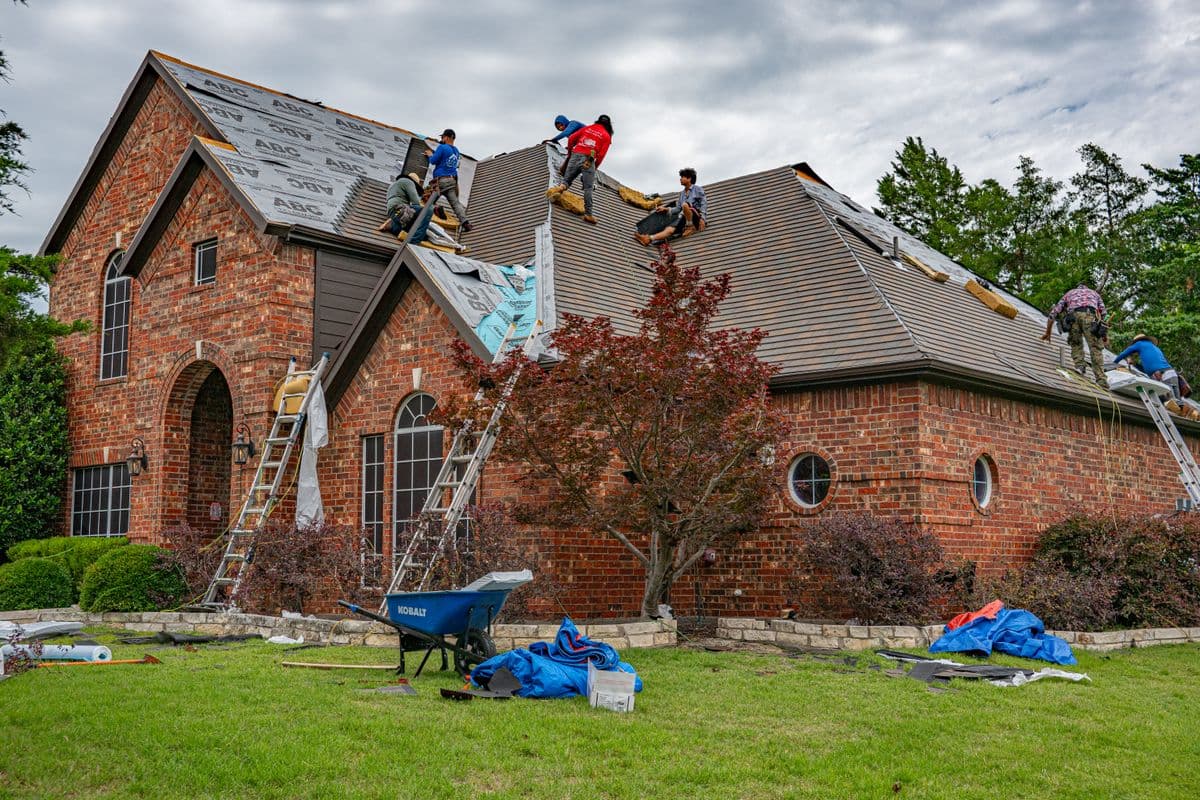
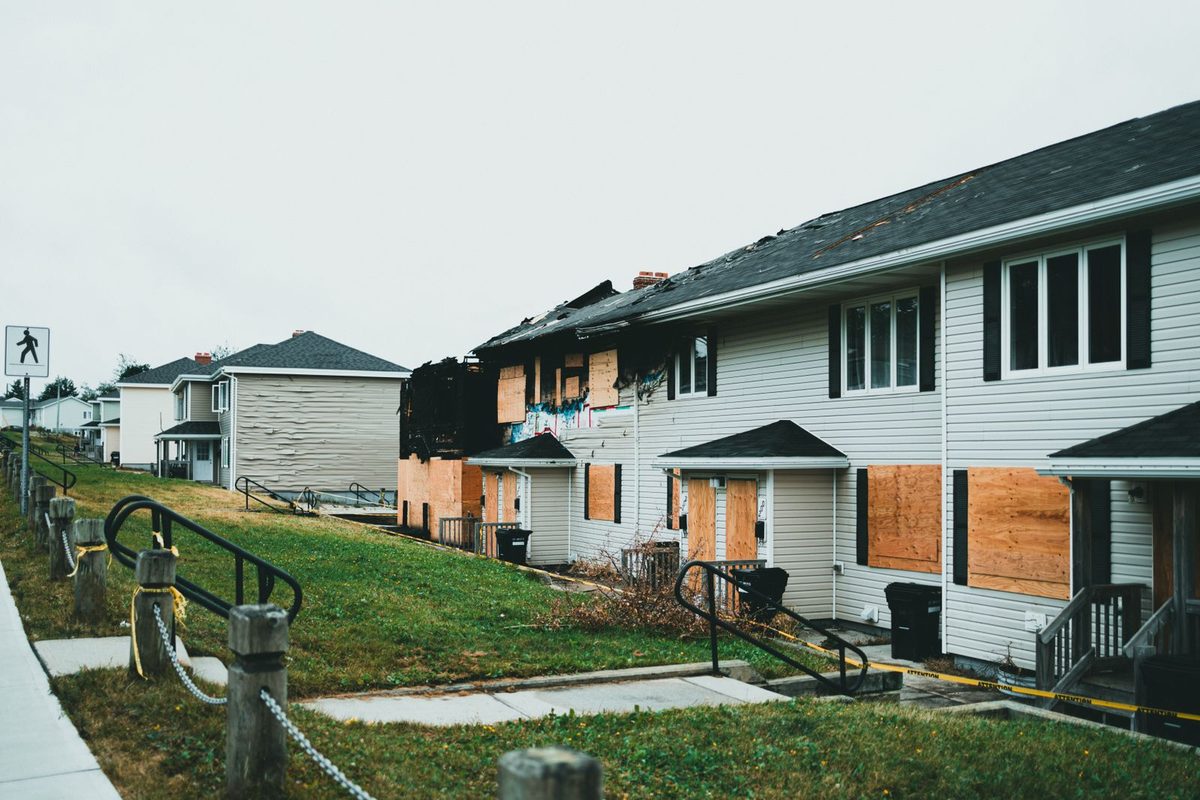
When we arrive at a fire house, the order is not optional. First, safety and security: we coordinate the gas company's shut-off before anything enters, then board up broken openings and tarp the roof so rain and trespassers do not add a second loss to your first one. That interim step is the same work we cover in our guide to emergency roof tarping and board-up, and our crews carry the materials for it on the first trip.
Second, containment before cleaning. Soot is acidic and smearable, so we seal the clean rooms, set negative air, and work top-down and back-to-front. Our firm is IICRC certified and Graham holds the fire and smoke technician credential, so this follows the standard scope you should demand from any bidder.
Third, contents: we pack out what can be restored, inventory everything for your carrier, and clean what stays in place. Fourth, structure: soot neutralization on every surface, then the smoke damage cleaning pass, then odor treatment with hydroxyl and ozone equipment, not air fresheners.
Fifth, the claim. We document scope and moisture the way carriers expect, which is the difference between a clean file and an argument. Our page on insurance claims explains how that documentation gets used, and our fire restoration service covers the full scope in writing before work starts.
Our stance: you should get a written scope that names containment, contents, and odor as separate line items. A Fort Worth fire quote that bundles them into one price is hiding the part that keeps your house from smelling like smoke in June.
Prevention Specific to Fort Worth
Ten minutes a month, on purpose, is the whole program. Here is the routine we tell every Fort Worth caller they should have run before the fire, starting with the source NFPA puts ahead of everything else.
- Cooking discipline. Most home fires start on the stovetop, and most of those start when someone leaves the kitchen. If the oil is smoking, the pan goes outside on concrete, not in the sink. Keep a lid within arm's reach while you cook.
- Alarm age and testing. Date every smoke alarm with a marker, test monthly, replace about every 10 years from the manufacture date. Interconnected alarms are worth it in older Fairmount homes where smoke can travel far from the kitchen before a single unit hears it.
- Dryer ducts. Run once a year from drum to hood, especially in the dusty years of a new-build neighborhood where construction debris still works its way through the house.
- Space heaters. January in Fort Worth means supplemental heat in homes across the city. Give every heater three feet of clearance on all sides, plug it into the wall, never a power strip, and turn it off when the room empties.
- Panel check. In any Tarrant County house of a certain age, have a licensed electrician open the panel during your next AC tune-up and look for double-taps and fatigued lugs. It costs less than a dinner out.
The five-minute monthly fire check for Fort Worth homes
- Test every smoke alarm, listen for all units, including the one nobody remembers.
- Pull and clean the dryer lint screen and check airflow at the outside flap.
- Wipe the range hood fan face and the first foot of duct.
- Walk the house for warm outlet plates, buzzing switches, or scorch at the panel.
- Confirm every extinguisher is present, charged, and that the adults know how to hold it.
Our stance: prevention is not a pamphlet, it is a calendar habit. Put the five-minute check on the first of every month, and you have out-prepared most of the houses we restore.
When to Act: Fort Worth Fire Response Timeline
After the fire department clears the house, the clock becomes the most important tool on the job. This is the timeline we run on every fire loss.
- First hours. Get cleared re-entry, photograph everything before anything moves, and call your carrier to open the claim. If windows, doors, or roof are open to weather, get them secured the same day. Do not start wiping walls: dry soot smears into porous material and turns a cleaning into a replacement.
- First 24 hours. Acidic soot starts etching glass, metal fixtures, and finishes within the first day, and the etched ones become replacements instead of line items. Suppression water is still mobile, so extraction and drying equipment should be running, not scheduled.
- First 48 hours. The mold window that governs every North Texas water loss applies to your suppression water too. Air handlers stay off until they are cleaned, because that fan redeposits smoke through the whole house.
- First week. The adjuster walks the file, which in DFW typically lands three to seven days after you call it in a busy spell. This is where documentation pays: moisture logs, contents inventories, and a scope your adjuster can verify. If smoke odor is your remaining complaint after cleaning, our step-by-step on getting smoke smell out of your house covers what works and what does not. Arlington fire losses follow the same playbook for 70s and 80s slab homes, and our fire damage restoration cost breakdown tells you what drives the number.
Does homeowner insurance cover fire damage in Texas?
What has to be thrown away after a house fire?
Can I clean soot myself, or does it need a professional?
Our stance: on fire losses, day one decides the price of the whole job. If your Fort Worth house has open openings, wet walls, or smoke smell in the hallway, call (469) 525-2254 now. Our dispatch runs 24/7 with the 60-minute target response we publish site-wide, and we would rather talk you through the first hour by phone than meet you at week two.