
Quick Answer
Six steps that get smoke smell out of your house for good, plus the ozone and hydroxyl facts most DFW homeowners never hear before they rent a machine.
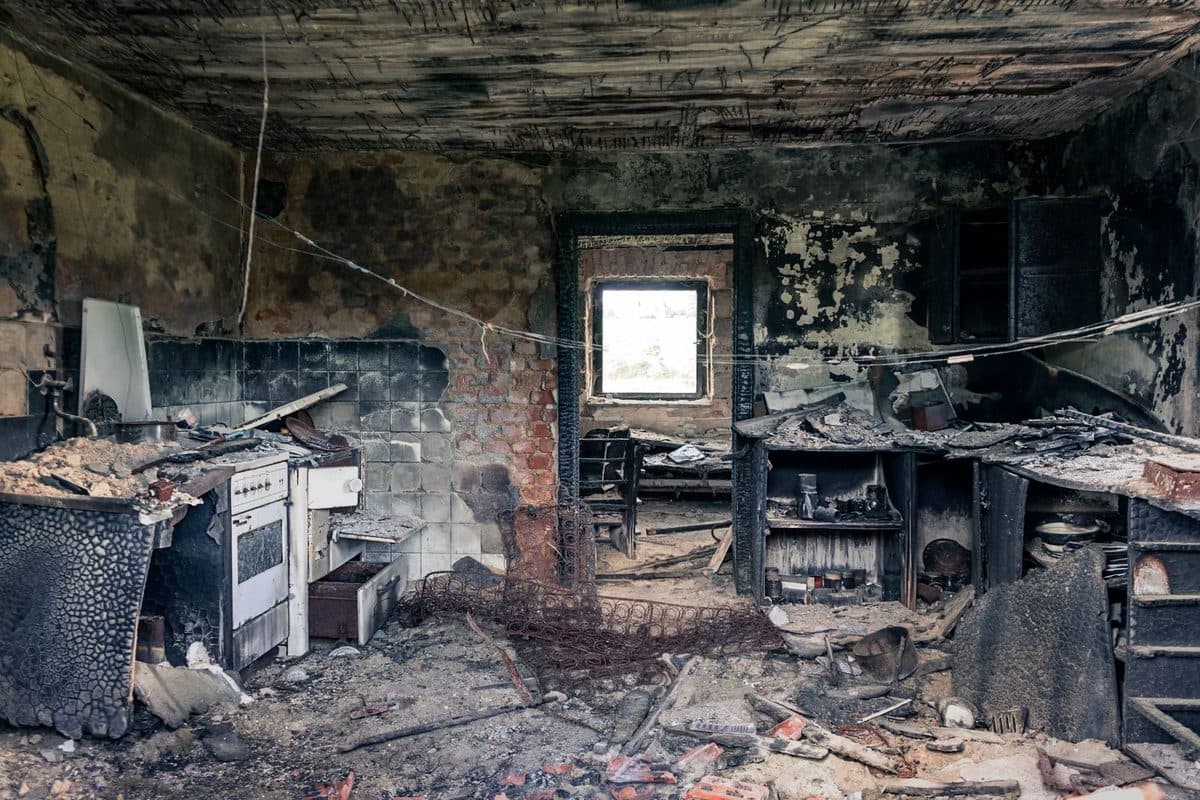
A smoke smell that returns the day after you clean is not your imagination. It is residue you have not removed yet, leaking out of porous materials until you physically take it out. We run odor control across Dallas-Fort Worth, and Graham holds the IICRC Odor Control Technician certification. Here are our six steps.
Before You Start: What You'll Need
First, the safety call. If the smoke came from a real structure fire and soot coats the walls, do not clean an occupied house in an N95 and hope. The smoke damage page on our own site carries the warning we give every family: smoke particles carry toxic chemicals, and the home should be professionally cleaned before anyone lives in it long-term. Kitchen fires, a burned pot, a candle disaster, or years of cigarette smoke: those are fair DIY fights.
| What you need | What it does | What we tell homeowners |
|---|---|---|
| N95 mask and gloves | Keeps soot off your lungs and skin | Wear it even for a small kitchen fire |
| Degreasing cleaner | Breaks the sticky residue on hard surfaces | Dish soap works on light soot, walls want more |
| Microfiber cloths | Traps soot instead of smearing it | Rags spread residue, cloths lift it |
| HEPA vacuum | Pulls ash out of fabric and carpet | A shop vac without HEPA just blows fines back out |
| Vinegar, baking soda, activated charcoal | Pulls loose odor molecules from closed spaces | Absorbers are the last ten percent |
We tell every homeowner the same thing: the equipment list is short, the cleaning is the long part. Nobody ever skipped enough scrubbing and made up for it with a fancy machine.
How Do You Stop the HVAC From Spreading the Smell?
If the furnace or AC ran while there was smoke inside, the ductwork is now a smell delivery system. Turn the system off at the thermostat, open the return, and look at the filter. A gray cast on a white filter means the system pulled smoke through the whole house. Replace it before anything else, and leave the system off until you have finished the steps below.
We see this constantly on fire damage jobs in Plano: the fire burned in the kitchen, but the smell lives in every bedroom because the blower ran for twenty minutes. Our stance is blunt: an HVAC system that ran during a smoke event needs a professional cleaning before you run it again, and the odor control process we publish includes full HVAC and duct treatment for exactly this reason.
Does Ventilation Actually Remove Smoke Smell?
Open windows on opposite sides of the house, put a fan in one pointing out, and let cross-ventilation work. This is step two, not step one, and it will never be the whole fix. Texas A&M's extension guidance on removing smoke smell from a home says it plainly: ventilation dilutes the odor but does not remove it, because the particles have already settled into surfaces.
Use ventilation between cleaning sessions to keep your own air breathable. We would not call any house done on airflow alone, and neither should you.
How Do You Remove the Smoke Residue Itself?
This is the step that decides whether the smell comes back. Smoke residue is physical: soot on walls, char dust in corners, film on ceilings and cabinet tops. Wash every hard surface top-down, ceiling first, then walls, then cabinets, then floors. Clean inside cupboards and closets too, because that is where odor hides between coats of paint.
On a kitchen fire, scrub the hood, the wall behind the stove, and anything above the cabinets where heat drove residue. On cigarette smell, the film is nicotine, and it is sticky: a cleaner that cuts grease is what you want. We tell readers of our smoke damage restoration cost guide that cleaning labor is the biggest single cost in professional smoke work, and this is why: real source removal takes hours per room. If you can only afford one thing, DIY this step and call us for the rest.
What Happens to Curtains, Couches, and Carpet?
Fabric is the other half of the problem. Curtains, bedding, couch covers, pillows, jackets in the hallway closet: wash what the care label allows, hot water where permitted. Upholstery and carpets want a HEPA vacuum and then a hot-water extraction. Anything that cannot be washed or extracted and still smells after cleaning is a replacement decision, not a cleaning decision.
Do not skip the attic and garage if smoke reached them. Boxes of stored clothes under a smoky attic deck will re-contaminate a finished house for months. Our position after years of this work: extraction gets most fabric smells, but smoke-soaked padding and old carpet cushion usually need to come out, and paying to clean them is paying twice.
Do Vinegar Bowls and Baking Soda Do Anything?
Now the vinegar bowls, the open box of baking soda in the cabinet, the activated charcoal bags from the hardware store. These work, within limits: they pull loose odor molecules out of a closed space like a closet, a car, or a room you finished cleaning. The same Texas A&M guidance that is honest about ventilation is honest about these too: absorbers help on leftover odor, while candles and aerosols only mask.
We put it this way with customers: absorbers are the last ten percent. If you skipped the scrubbing, a hundred bowls of vinegar will fail, and the smell will return the night you throw them out.
What About the Ductwork?
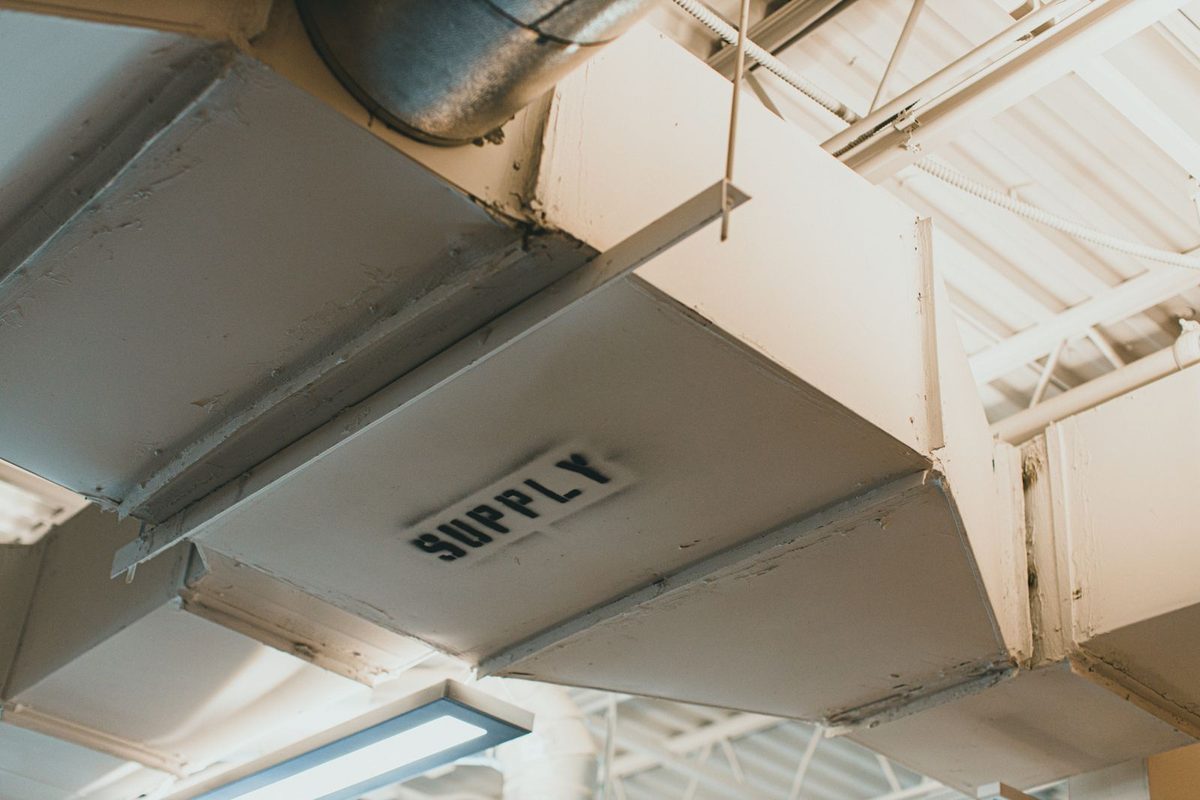
Here is the failure we see most in older Dallas homes: the family cleans every surface beautifully, moves back in, and the smell returns every time the system kicks on. The ducts were never touched. Smoke residue lines the duct interior, the blower housing, and the coil, and each fan cycle re-doses the house.
If the smoke event was serious, we recommend a professional duct cleaning before you run the system, and we will say why: household cleaning gets the first two feet of the duct run, and the system is thirty feet long. On light kitchen smoke with the fire under control in minutes, replacing the filter and running the house air hard for a few days is often enough. Know which situation you are in before you spend money.
How Do You Know the Smell Is Actually Gone?
Run the verification test before you celebrate. Close the house for a day with the HVAC off, then smell the porous spots where you know the odor lived: a closet wall, a couch cushion, a curtain, the carpet in the back bedroom. If those come up clean, you are done. If any of them comes back smoky, the residue is still in that material and more absorbers will not save it.
We judge our own odor jobs exactly this way before we hand a family the house back, and we tell you to be harder on yourself than we are. A house that smells clean only while a fan is running is not clean.
When Should You Stop DIY and Call a Professional?
Two tools separate a professional odor job from a weekend of scrubbing: ozone generators and hydroxyl generators. Both oxidize odor molecules instead of masking them, and the differences matter for your family.
Ozone works only in a fully vacant space, and it is not a casual machine. The US EPA's guidance on ozone generators is blunt: at concentrations that do not exceed public health standards, ozone does little to remove indoor contaminants, and some generators push indoor levels above those standards even when run as instructed. The same page notes the FDA caps ozone output of indoor medical devices at 0.05 ppm and OSHA limits workers to an average of 0.10 ppm over a work shift. Ozone can also bleach fabrics and damage rubber.
Hydroxyl generators run slower, but they run while people are in the building. Trade industry guidance from Restoration & Remediation Magazine puts typical coverage at about 1,000 to 1,500 square feet per machine at normal ceiling heights, with placement and air movement deciding how completely the odor breaks down. That is why you see them running for days on a real fire loss while the crew cleans around them.
Here is how we sort homeowners into lanes on the assessment visit:
- Light kitchen smoke, house occupied: work the six steps above, replace the filter, and give the absorbers a week.
- Real fire loss, family already moved out: that is when vacant-space ozone earns its keep, run after the residue is cleaned, never before.
- Not sure which house you are standing in: our fire restoration team makes that call on the visit, and Graham will tell you honestly whether your house needs our machines or one more weekend of your own scrubbing.
If the smell survives everything in steps one through six, or the fire was bigger than a stovetop, this is the line where you call. Our smoke damage work starts with a full source assessment before any machine gets plugged in, the same sequence we laid out for Irving families after a fire. If your house instead smells musty rather than smoky, start with our guide to why your house smells musty, because the source and the treatment are different.
Frequently Asked Questions
Will an ozone generator rented from the hardware store fix my smoke smell?
- Only in a vacant house. Everyone, every pet, and every plant leaves during treatment and for the venting window after.
- Only after the source is cleaned. Ozone on top of dirty walls wastes the rental: the smell returns the day you unplug it.
- Ozone is the last tool after source removal, never a substitute for it.
How long does cigarette smell take to remove?
- Plan in weekends, not hours. Nicotine film coats every surface and every fabric in the house.
- Deep smoke in carpet padding and drywall usually means replacement plus hydroxyl treatment, not cleaning alone.
- If a previous owner smoked for years, budget for the professional pass. Surface cleaning alone rarely wins that fight.
Does homeowners insurance cover smoke odor removal?
- Yes, when the smoke event is a covered peril. Deodorization is normally part of the restoration claim, including equipment time.
- Document before you clean, and keep receipts for rentals and supplies.
- Our insurance claims page walks through how documentation works on a smoke claim, and we coordinate directly with adjusters.
If you have worked through these six steps and the house still smells like smoke, we want to hear about it. Call GOAT Home Services at (469) 525-2254 any hour, day or night: we answer 24/7 across Dallas-Fort Worth with a 60-minute response target, and Graham will tell you honestly whether your house needs our machines or one more weekend of your own scrubbing.