
Quick Answer
Emergency roof tarping and board-up in DFW costs $300-$800, preventing $15,000 in damage. Insurance guide and 60-min response for Dallas, Fort Worth, and Plano.
When a severe storm rolls through North Texas, the damage can be immediate and overwhelming. A tree limb punches through your roof. Hail the size of golf balls shreds shingles and cracks skylights. Wind tears off sections of roofing and leaves gaping holes that let rain pour directly into your attic. In that moment, your priority shifts from preventing damage to limiting it. The window between a manageable restoration and a full interior rebuild is measured in hours, not days.
This guide covers what emergency roof tarping and board-up services actually involve, when you need them, how insurance covers them, and what to expect when you call a restoration crew after a DFW storm. We are GOAT Home Services, and we have responded to storm damage calls across Dallas, Fort Worth, Plano, Frisco, Arlington, and every corner of the metroplex. We know exactly what happens in the first 24 hours after a storm, and we want you to know it too.
What Emergency Roof Tarping Is and When You Need It
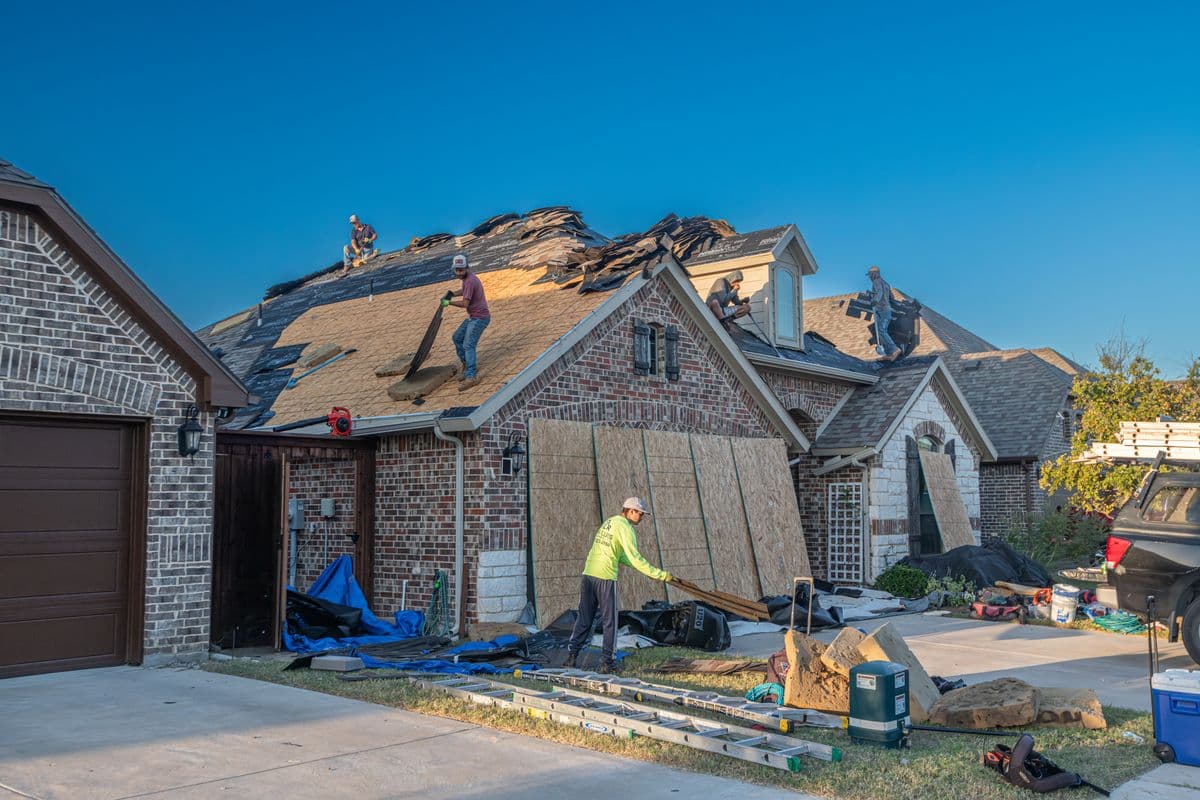
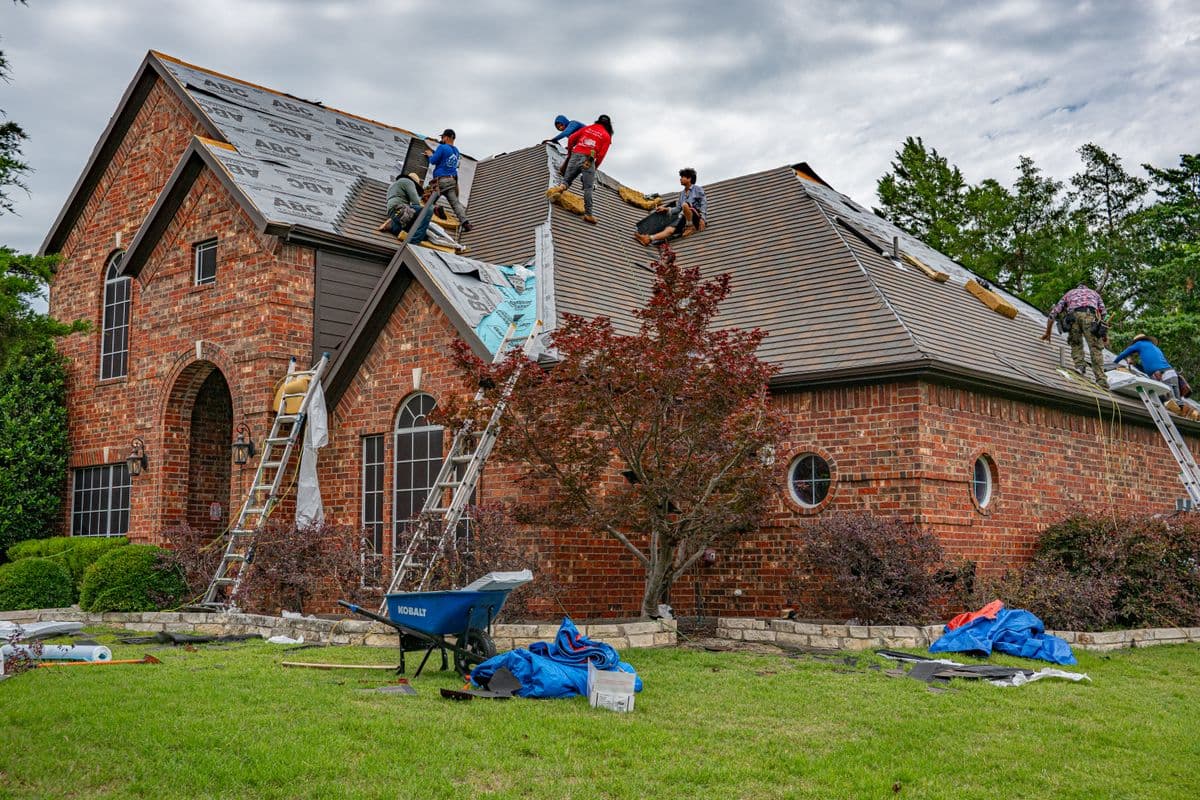
Emergency roof tarping is exactly what it sounds like. A restoration crew climbs onto your roof, clears debris away from the damaged area, and secures a heavy-duty polyethylene tarp over the opening. The tarp is fastened with lumber battens and nails, creating a watertight seal that prevents rain from entering your home until permanent roof repairs can be completed.
You need emergency roof tarping when your roof has an opening large enough to let water in. That includes: a fallen tree or large branch that punctured the roof deck, wind damage that lifted and tore off multiple shingles or sections of roofing, hail damage that shattered skylights or ventilation boots, or a missing section of roof deck from severe wind uplift. Any opening that exposes attic insulation, ceiling drywall, or interior living space to the elements requires immediate tarping.
The cost of not tarping far exceeds the cost of tarping. A single afternoon of rain entering through an unprotected roof opening can cause $5,000 to $15,000 in interior water damage, ruined insulation, soaked drywall, and mold-prone conditions. A professional tarp installation typically costs $300 to $800 depending on the size of the opening and the pitch of the roof. It is the single most cost-effective emergency measure you can take.
| Service | What It Addresses | Typical Cost Range | Insurance Coverage |
|---|---|---|---|
| Emergency Roof Tarping | Punctured or missing roof sections, wind-damaged shingles, skylight damage | $300 - $800 | Covered under HO-3 (reasonable emergency measure) |
| Board-Up Service | Broken windows, breached doors, wall openings from fallen trees | $200 - $600 per opening | Covered under HO-3 (securing the structure) |
| Tree Removal (Emergency) | Tree on structure, blocking access, or threatening further damage | $500 - $3,000+ | Covered if tree damages structure, not for yard-only removal |
| Water Extraction (Interior) | Standing water inside home after roof breach or window breach | $1,500 - $8,000 | Covered if caused by a covered peril (wind, hail) |
What Board-Up Services Cover
Board-up is the companion service to roof tarping. When a storm breaches the building envelope at ground level, your home needs protection from intruders, animals, and weather. Broken windows, shattered sliding glass doors, and compromised entry points all qualify for emergency board-up. The service uses plywood sheets cut to size and fastened securely over the opening, typically with exterior-grade screws or nails driven into the framing.
Board-up is not permanent. It is a temporary measure that buys you time until replacement windows or doors arrive, which can take one to four weeks after a major storm when every contractor in DFW is booked solid. During that window, properly installed board-up keeps your home secure and prevents further weather intrusion.
The sections of DFW that see the most board-up calls after a storm are typically older neighborhoods with mature trees. In Dallas, areas like Lakewood, Preston Hollow, and Oak Lawn have large oaks and pecans that lose limbs in high winds. In Fort Worth, the historic districts like Fairmount and Ryan Place face similar risks. Even in newer suburbs like Frisco and McKinney, construction-era trees planted 15 to 20 years ago can fail in straight-line wind events that accompany DFW summer storms.
Why Timing Matters After a DFW Storm
In the hours immediately after a storm, restoration companies in DFW receive hundreds of calls. The companies that answer first dispatch their crews first. Waiting until morning to call means the difference between having a crew at your home within two hours and waiting 24 to 48 hours. After a widespread storm event, demand for tarping and board-up services can outstrip supply for days.
Here is the timeline you are working with. Within the first 6 hours, water entering through an unprotected roof opening soaks attic insulation, which can hold 10 to 15 times its weight in water. Saturated insulation loses its R-value and must be removed and replaced. Within 12 to 24 hours, water migrates through ceiling drywall, causing stains, softening, and eventual sagging. Ceiling drywall that gets wet often requires replacement because it loses structural integrity and becomes a mold growth medium. Within 24 to 48 hours, mold spores begin colonizing wet organic materials. In DFW's summer humidity of 60 to 75 percent, that timeline accelerates.
Warning
Do not attempt to tarp your own roof after a storm unless you have professional safety equipment and experience walking on slopes. Wet asphalt shingles are extremely slippery. A fall from a two-story roof can cause life-altering injuries. Every storm season, DFW emergency rooms treat homeowners who fell while attempting DIY tarp jobs. The $300 you save by doing it yourself is not worth the risk.
How Insurance Covers Emergency Tarping and Board-Up
Standard HO-3 homeowners insurance policies in Texas cover emergency mitigation measures as part of the loss. If the damage was caused by a covered peril (wind, hail, fallen tree), your policy typically pays for reasonable emergency tarping and board-up to prevent further damage. This is called the duty to mitigate. Insurance companies expect you to take reasonable steps to prevent additional damage, and they cover the cost of those steps as part of the claim.
Here is what every DFW homeowner needs to know about the process. First, call your insurance company and file a claim as soon as it is safe to do so. You do not need to wait for an adjuster inspection before having emergency work done. In fact, waiting can reduce your claim payout because the damage will be worse by the time the adjuster sees it. Second, document everything. Take photos of the damage before any work begins. Keep receipts and invoices from the restoration company. Your insurance company will ask for this documentation when they reimburse the emergency mitigation costs. Third, understand that tarping and board-up are temporary. Your policy covers them as part of the loss, but you still need permanent repairs. Our insurance claims guide covers the full process in detail.
Key Point
Your homeowners insurance deductible applies to the entire claim, not just the tarping. If your deductible is $2,000 and the tarping costs $500, the tarping cost falls under the same deductible as the roof replacement. Do not let a restoration company charge you separately for tarping outside your claim. It should be billed as part of the overall loss.
What to Do Immediately After a Storm Damages Your Home
After the storm passes and it is safe to go outside, assess your property from the ground. Do not climb onto the roof. Look for visible damage: missing shingles, exposed roof deck, broken windows, fallen trees, or standing water. Take photos of everything. If you see a tree resting on your home, do not try to remove it yourself. A tree under tension can shift or spring when cut, causing more damage or injury.
Call your insurance company and file a claim. Tell them you need emergency mitigation and ask about your policy's coverage for tarping and board-up. Most carriers have a 24-hour claims line. Then call a restoration company. Call us at (469) 525-2254. We are available 24/7/365. We dispatch crews to every DFW city. If you are in Dallas, Fort Worth, Plano, Frisco, Arlington, Garland, Richardson, Carrollton, Denton, McKinney, Allen, or any other DFW city, we will have someone at your property within 60 minutes for emergencies.
While you wait for the crew to arrive, move valuables away from the damaged area. If water is entering through a roof opening, move furniture, electronics, and important documents to a dry location. Place buckets under active drips to minimize water spread. If a window is broken and you have a piece of plywood or heavy plastic sheeting, you can cover it temporarily, but professional board-up is always more secure.
What the Restoration Crew Does When They Arrive
When we arrive at your property after a storm, the first thing we do is assess the damage and identify the highest-priority openings. If your roof has a hole and a window is broken, the roof hole comes first because every hour of rain compounds the interior damage. We measure the damaged roof area, cut the tarp to size with overhang on all sides, and secure it with lumber battens nailed into the roof deck. A properly installed tarp lasts through additional rain and moderate wind until permanent repairs are made.
For board-up, we measure the window or door opening, cut plywood to fit with a slight overlap, and fasten it through the frame into the surrounding wall structure. We use screws, not nails, because screws provide better holding power and are easier to remove when the permanent replacement arrives. We also note whether the frame itself is damaged, because a damaged frame means the window replacement will be more involved.
After the exterior is secured, we check the interior for water intrusion. If water has entered the attic or living space, we begin water extraction and set up drying equipment. The faster we dry the affected materials, the less secondary damage occurs. We document every step with photos and moisture readings for your insurance claim. Our water damage restoration cost guide covers what different levels of interior damage typically cost to restore.
How long does a roof tarp last?
A professionally installed roof tarp secured with lumber battens can last 30 to 90 days depending on weather conditions. In DFW summer, UV degradation and occasional high winds reduce that lifespan. Most homeowners need permanent roof repairs within 30 to 60 days after a major storm, simply because contractor availability drives the timeline. We monitor the condition of the tarp during follow-up visits and reinforce or replace it if needed.
Will my insurance cover a hotel if my home is uninhabitable?
Yes, most HO-3 policies include loss of use coverage (also called additional living expense or ALE) that pays for temporary housing, meals, and storage if your home is uninhabitable due to a covered loss. The coverage typically has a limit of 20 to 30 percent of your dwelling coverage amount and a time limit of 12 to 24 months. Keep all receipts for hotel stays, meals, and storage. Your insurance company will ask for them when you submit your ALE claim.
How do I find a reputable emergency restoration company in DFW?
After a widespread storm, storm chasers from outside Texas flood DFW neighborhoods offering quick repairs. Some are legitimate; many are not. Look for a company that is locally owned and operated, has a physical address in DFW that you can verify, holds IICRC certifications (WRT, FSRT, or similar), is licensed and insured in Texas, and provides a written scope of work before starting. A company that pressures you to sign paperwork before an adjuster sees the damage should raise red flags. We are based in DFW, we carry IICRC certifications, and we provide free estimates with no obligation. Our guide on choosing a restoration company covers what to look for in detail.
Do I need flood insurance for storm damage?
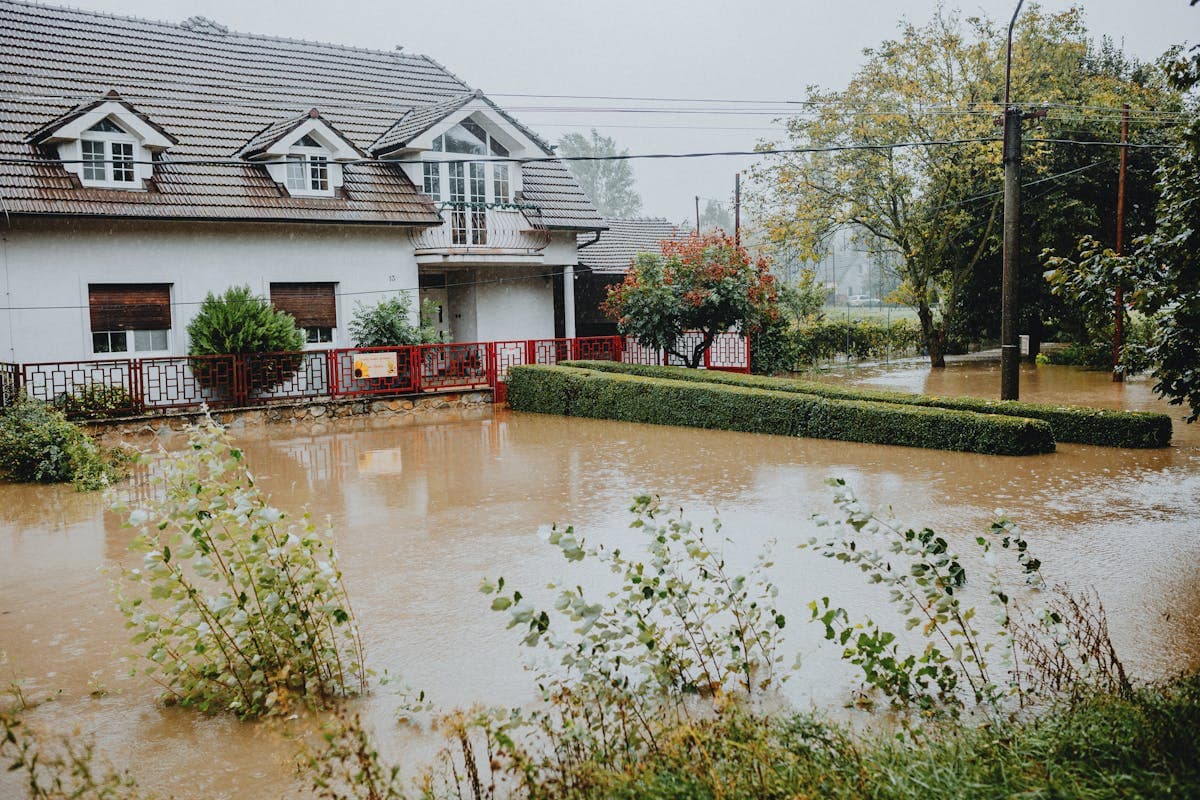
It depends on the source of the water. Wind-driven rain that enters through a roof opening or broken window is covered under standard HO-3 policies. Water that enters your home from the ground up during a flood event requires a separate flood insurance policy through the NFIP or a private carrier. Many DFW homeowners outside designated flood zones skip flood insurance, but flash flooding during summer storms can affect any low-lying area. If water entered through a roof hole, you are almost certainly covered under your windstorm or homeowners policy. If it came through your foundation or a door threshold during a flash flood, that is flood damage and requires a separate policy. Learn more about the distinction in our guide to Category 3 water damage.
Preparing for the Next Storm: What DFW Homeowners Should Do Now
July and August are peak thunderstorm months in North Texas. DFW experiences an average of 2 to 3 hail events per year and numerous straight-line wind events. The best time to prepare is before the storm hits. Here is what every DFW homeowner should have ready.
Know your insurance policy. Read your declarations page. Know your deductible for wind and hail damage. Some policies have separate deductibles for hail (often 1 percent of dwelling coverage) that are higher than the general deductible. Understanding this ahead of time prevents surprises when you file a claim.
Take photos of your home's current condition. A dated photo of your roof, windows, and exterior walls taken before a storm provides a baseline that makes it harder for insurance adjusters to argue that damage was pre-existing. Store the photos in a cloud folder you can access from your phone.
Save emergency contact numbers. Program our number into your phone right now: (469) 525-2254. Put it in your favorites. When the storm hits and you need help, you will not be searching for it. We answer 24/7/365, and we dispatch crews within 60 minutes for emergencies across the entire DFW metroplex.
Have a storm kit ready. Include a tarp, plywood sheets, a hammer, nails, heavy-duty trash bags, a flashlight with fresh batteries, and a battery-powered radio. This kit gives you the ability to prevent limited damage while you wait for professional help. Do not use the tarp for roof work unless you have roof safety equipment, but having materials on hand means a neighbor or friend who is comfortable on roofs can help if needed.
Our Recommendation
After a severe storm in DFW, the first 24 hours determine whether your restoration costs stay under $3,000 or balloon past $20,000. Professional emergency roof tarping and board-up are the most effective mitigation measures you can take. Call your insurance company to start the claim, then call us. We handle the emergency work, document everything, and coordinate directly with your adjuster so you do not have to manage the process alone.
Frequently Asked Questions About Emergency Roof Tarping and Board-Up in DFW
How much does emergency roof tarping cost in Dallas-Fort Worth?
Emergency roof tarping in DFW typically costs $300 to $800 depending on the size of the opening, roof pitch, and accessibility. Most insurance policies cover this cost as part of the claim. A professional installation uses heavy-duty polyethylene tarps, lumber battens, and nails. Cheap DIY tarps secured with bricks or bungee cords will not hold in DFW's summer winds and should not be considered a substitute.
Can I stay in my home after roof tarping?
In most cases, yes, as long as the tarp is installed before significant interior damage occurs and the living areas are dry. If the roof damage is extensive or water has already soaked through to interior living spaces, the home may be uninhabitable until drying and repairs are complete. Your restoration company and insurance adjuster can help determine whether the home is safe to occupy.
How long does board-up stay in place?
Board-up can stay in place for weeks or months depending on how long it takes to source replacement windows or doors. After a major storm, supply chains for building materials can be delayed 4 to 8 weeks. The plywood should be checked periodically and replaced if it shows signs of water damage or warping.
What if the storm happens on a weekend or holiday?
We are available 24 hours a day, 365 days a year, including weekends and holidays. Storms do not take days off, and neither do we. Call (469) 525-2254 any time, and a real person will answer. We dispatch crews immediately for emergencies. We also recommend calling your insurance company's 24-hour claims line to start your claim, even outside business hours.
The Bottom Line
Emergency roof tarping and board-up services are the most critical steps you can take after a storm damages your DFW home. They prevent further damage, protect your insurance claim, and buy you time to arrange permanent repairs. The cost is minimal compared to the alternative. A $500 tarp can prevent $10,000 in water damage. A $300 board-up can prevent theft, animal intrusion, and additional weather damage.
If your DFW home has been damaged by a storm, call us right now at (469) 525-2254. We serve every city in the Dallas-Fort Worth metroplex, from Dallas to Fort Worth, Plano to Arlington, Frisco to Irving, Garland to Denton. We are available 24/7/365, we arrive within 60 minutes for emergencies, and we handle the entire process from emergency tarping to final reconstruction. We work directly with your insurance company and provide the documentation your adjuster needs to approve your claim. Call us now and we will have a crew on the way to your property immediately.