
Quick Answer
Dallas storm damage guide: real costs from 10+ years of DFW restoration. Roof tarping, water extraction, insurance claims. Oak Lawn, Preston Hollow, Lakewood.
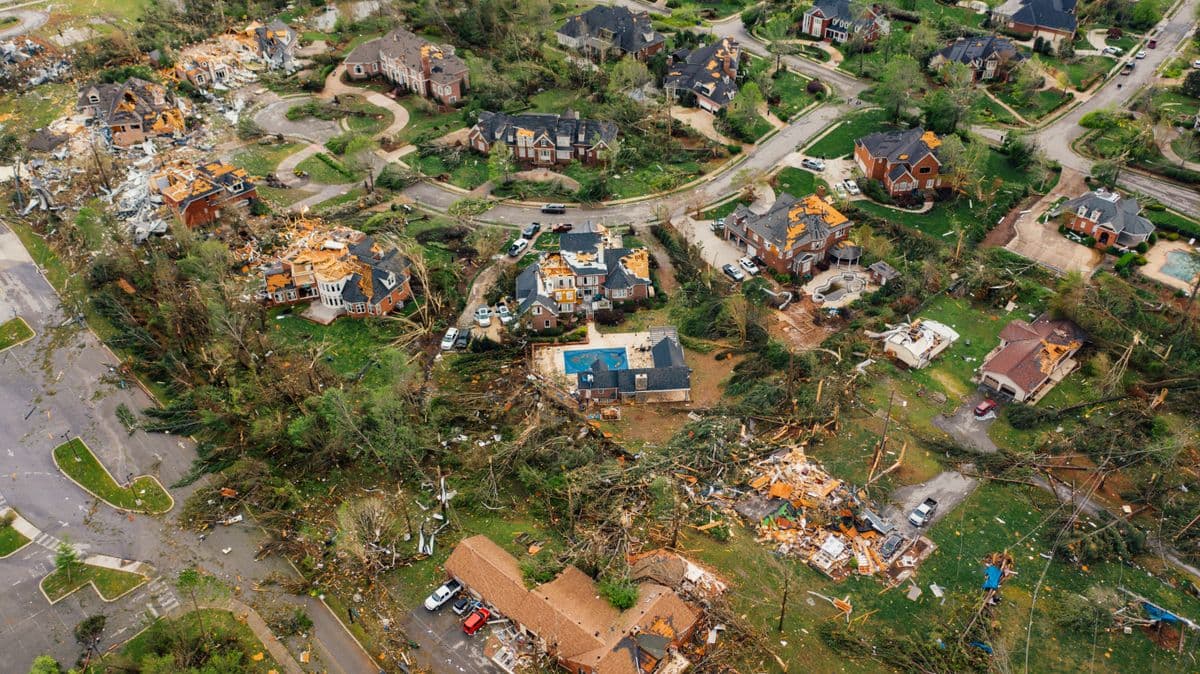
When summer storms roll through Dallas, the aftermath can leave homeowners scrambling. We have seen the full spectrum of storm damage across Dallas: a tree punching through a roof in Lakewood, hail fracturing skylights in Preston Hollow, floodwater filling a basement in Oak Lawn. Each storm brings its own pattern of destruction, but the steps you take in the first 24 hours make the biggest difference in how much you can save and how fast you can get back to normal.
We are GOAT Home Services. Graham and I have been handling storm damage in Dallas homes since 2014, working with insurance adjusters, structural engineers, and homeowners to get properties dried out, secured, and rebuilt after severe weather. This guide covers what Dallas homeowners need to know about storm damage repair: what to do immediately, what damage patterns are common in Dallas, how the insurance process works, and when to call a pro.
What Dallas Storms Actually Do to Homes
Dallas sits in the heart of North Texas severe weather territory. Our storms typically bring three types of damage that can hit simultaneously: wind damage, hail damage, and water damage. Understanding what each looks like helps you document the destruction thoroughly for your insurance claim.
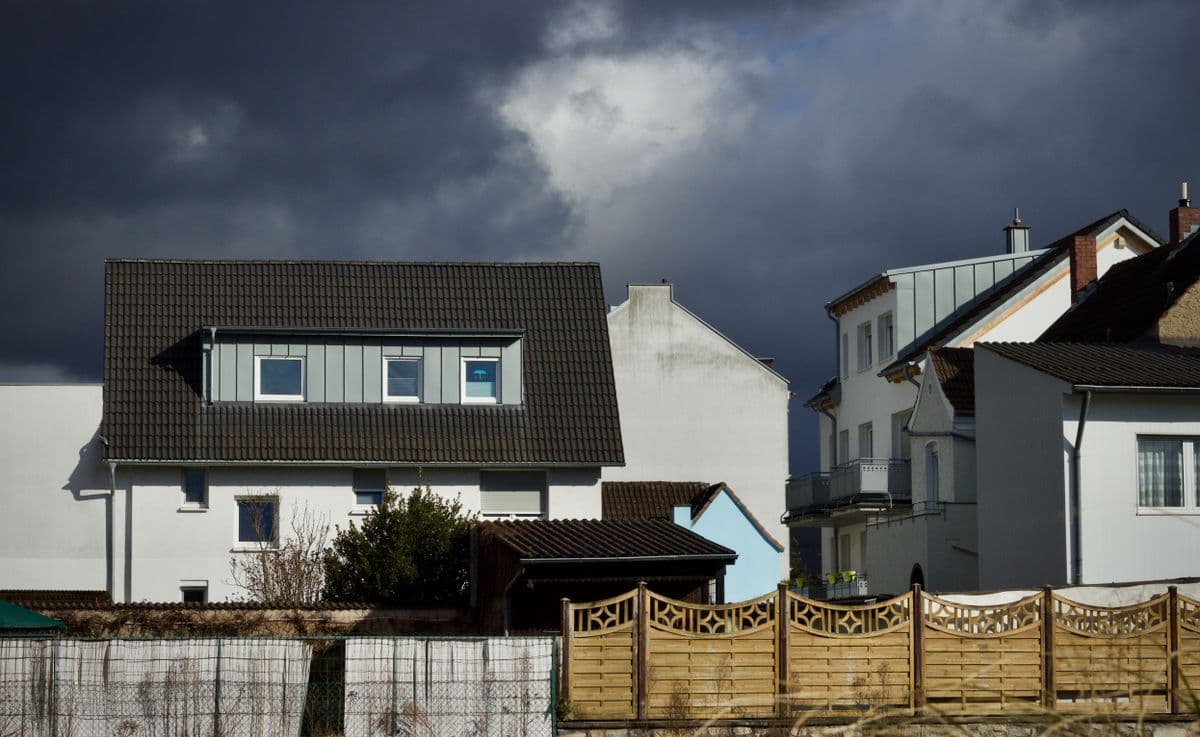
Wind damage from Dallas thunderstorms frequently reaches 60-80 mph, enough to tear shingles off roofs, snap tree branches onto structures, and rip siding panels loose. Wind-driven rain then enters through the openings the wind created, turning a roof-only problem into water intrusion that affects ceilings, insulation, and interior walls. We have pulled soaked insulation out of attics in Highland Park where wind drove rain three feet up under lifted shingles before anyone noticed the roof was compromised.
Hail damage follows a different pattern. Hailstones the size of quarters or golf balls leave distinct impact marks on asphalt shingles, metal flashing, and skylights. The damage is often not visible from the ground; you need a roofer or restoration contractor on the roof to assess it properly. Hail also destroys AC condenser fins, dents gutters and downspouts, and cracks skylights. A June 2024 storm near White Rock Lake produced golf-ball-size hail that left pockmarks on vinyl siding so extensive that three exterior walls had to be replaced.
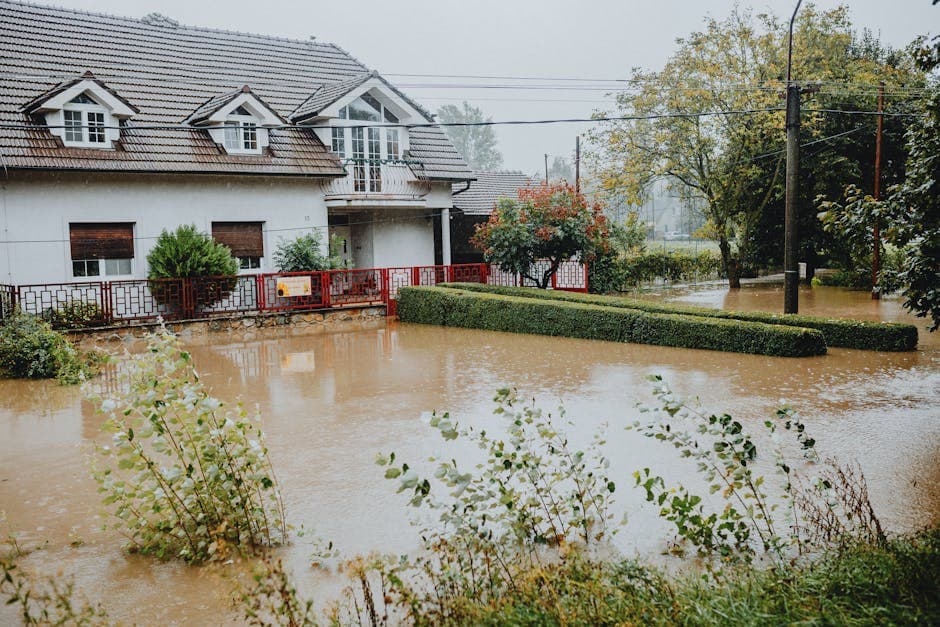
Water damage from storms is the third leg and often the most expensive. When wind and hail breach the building envelope, rainwater follows. Dallas's clay soil complicates things: the soil expands when wet and contracts when dry, which can crack foundation slabs and shift drainage away from storm drains. Flash flooding in low-lying neighborhoods around the Trinity River bottoms and Santa Fe Trail can fill crawl spaces and garages within minutes. Floodwater intrusion is a different claim category than internal leaks; see our Dallas flood damage guide for how flood claims differ from storm claims.
Immediate Steps After a Storm Damages Your Dallas Home
The first 24 hours after storm damage determine how much of your property can be saved. Here is the sequence we recommend.
Step 1: Safety first. Do not enter a room where the ceiling is sagging, where you smell gas, or where water is pooling near electrical outlets. If you suspect structural damage, gas leaks, or downed power lines, stay outside and call 911.
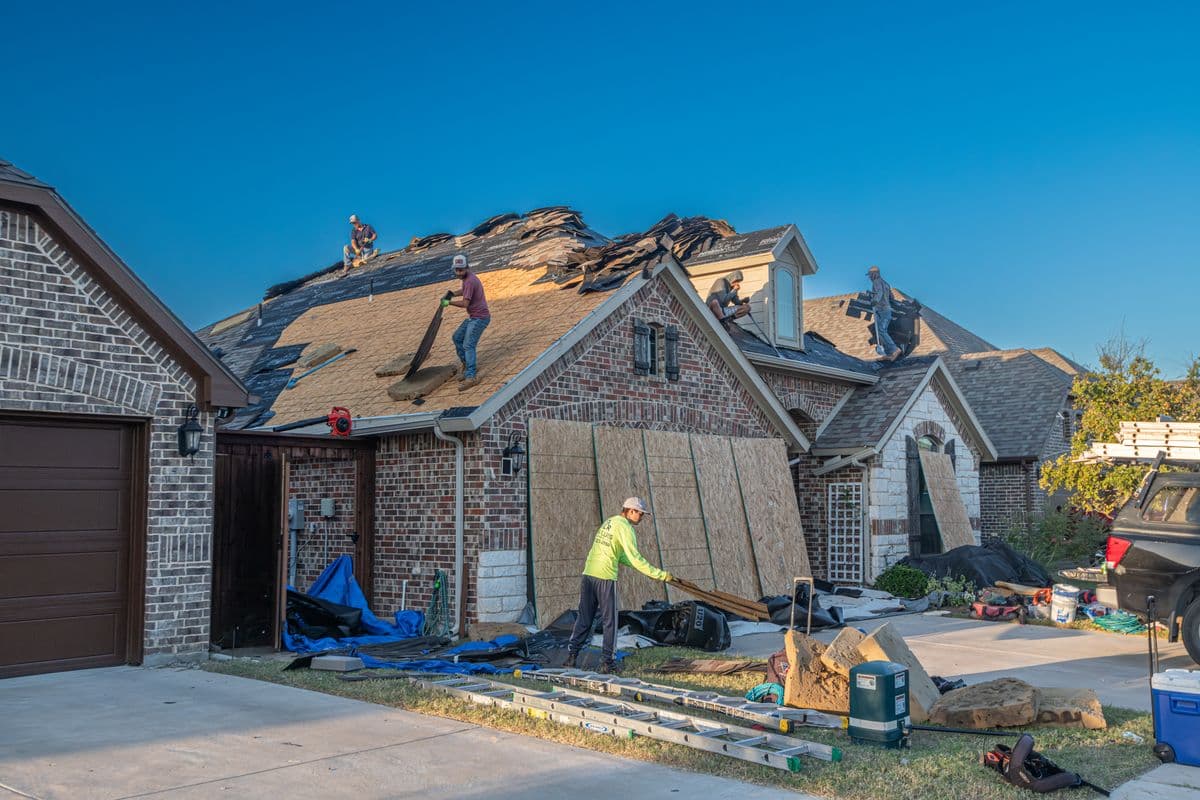
Step 2: Temporary tarping and board-up. If the roof is damaged, tarping prevents more water from entering while you wait for repairs. If windows or doors have been breached, plywood board-up keeps out weather, animals, and unauthorized entry. We carry tarps and plywood on every truck. After the May 2025 storms that hit Oak Cliff, we had 14 homes tarped within six hours of the worst gusts passing through.
Step 3: Document everything. Take photos and video of every damaged area before anything is moved, dried, or repaired. Photograph the roof from the ground, the interior damage, affected belongings, and any yard debris that came from your structure. The more documentation you have, the harder it is for an adjuster to claim the damage was pre-existing.
Step 4: Water extraction and drying. Standing water becomes a Category 3 contamination risk within 24-48 hours if it carries silt, sewage, or debris from outside. We bring truck-mounted extraction units and industrial air movers that can dry a flooded room in 3-5 days, versus 7-10 days with rental equipment. Mold colonization can begin within 24 hours in Dallas's humid summer air, so speed matters. For more on the restoration timeline, read our what to do after water damage guide.
Step 5: Contact your insurance company. Most Dallas homeowners insurance policies cover storm damage including wind and hail, but the claims process is where we see the most frustration. Report the claim as soon as it is safe, ask for a timeline from the adjuster, and keep a log of every phone call. We help our clients communicate with adjusters and provide documentation directly so the claim moves faster. See our insurance claims guide for a step-by-step walkthrough.
| Storm Damage Type | What to Do Immediately | Typical Insurance Coverage | Average Repair Cost (DFW) |
|---|---|---|---|
| Roof damage (wind/hail) | Tarp the damaged area | Covered under HO-3 policy | $3,000-$12,000 |
| Window/door breach | Board-up opening | Covered (replacement cost) | $500-$2,500 per opening |
| Floodwater intrusion | Extract standing water | Flood insurance required | $2,000-$15,000 |
| Fallen tree on structure | Stabilize, do not remove | Covered up to policy limit | $5,000-$25,000+ |
| Hail-damaged siding | Document impact marks | Covered under dwelling coverage | $3,000-$8,000 |
Dallas Storm Season: What to Expect and When
Dallas's primary severe weather window runs from March through July, with a secondary peak in September and October when Gulf hurricane remnants sweep through North Texas. Spring brings supercell thunderstorms that can produce tornadoes and large hail, while summer storms are shorter but more intense, with torrential rain and straight-line winds exceeding 70 mph.
March to May is Dallas's primary tornado and large-hail season. The clash between dry air from the west and humid Gulf air creates volatile conditions that spawn supercells. A May 2025 storm in North Dallas produced hail that damaged 2,000+ roofs in a 10-mile corridor between LBJ Freeway and George Bush Turnpike.
June to July brings heat and humidity that fuel shorter, more intense thunderstorms with localized flash flooding. The combination of saturated ground and clay soil expansion means a June storm dropping 3 inches of rain can cause as much foundation movement as a 6-inch event earlier in the spring. This is also peak season for mold growth after water intrusion, so fast drying is critical.
September to October carries tropical moisture from Gulf storms. While Dallas is 250 miles inland, the remnants of hurricanes like Harvey (2017) and Nicholas (2021) dumped 10-15 inches of rain over parts of North Texas, overwhelming creeks and drainage infrastructure across the city.
Why Dallas's Clay Soil Makes Storm Damage Worse
Dallas sits on expansive clay soil. The same black gumbo that makes Texas dirt so fertile also makes it one of the most problematic substrates for home foundations in the country. When a storm dumps several inches of rain, the clay absorbs the water and expands, putting upward pressure on foundation slabs. When the drought that inevitably follows sets in, the clay shrinks, leaving gaps under the foundation.
This cycle of expansion and contraction is the single most common cause of foundation cracks in Dallas homes. Those cracks become entry points for water during the next storm. Water entering through a foundation crack can fill a crawl space, soak into subflooring, and create conditions for mold. We have seen homes where a single summer storm season caused $15,000 in foundation-adjacent water damage that could have been prevented with proper drainage and grading.
The solution is ensuring your gutters, downspouts, and grading direct water at least 6 to 10 feet away from the foundation. Dallas homes with maintained drainage systems consistently weather summer storms with far less damage than homes where water pools against the foundation wall. Low-lying areas like Elm Thicket, Love Field, and Bachman Lake face additional risk from aging storm drain infrastructure that can be overwhelmed in minutes.
Insurance Claims for Dallas Storm Damage: What You Need to Know
Insurance claims after a storm are where we see the biggest gap between what homeowners expect and what actually happens.
Standard HO-3 policies cover wind and hail damage to your dwelling. This includes the roof, siding, windows, and attached structures like garages. Coverage for interior water damage requires that the water entered through a sudden opening created by the storm. Gradual leaks that existed before the storm are typically not covered.
Flood damage is not covered by standard homeowners insurance. You need a separate flood insurance policy through NFIP or a private carrier. Homeowners whose homes take on water from the ground up (storm surge, flash flooding, overflowing creeks) are shocked to learn their HO-3 policy does not apply. We have had to break this news to dozens of Dallas families after major flooding events.
Documentation wins claims. The difference between a claim paid in full and one that drags on for months is documentation. Photograph the exterior before you tarp, photograph the interior before you start drying, and save receipts for tarps, lumber, and hotel stays. We provide every client a documentation checklist when we arrive because five minutes of photos on day one saves weeks of back-and-forth with the adjuster.
Storm Damage Restoration: The Full Process
When we get the call after a storm, here is the sequence that follows. We walk through every phase so homeowners know what to expect.
Phase 1: Emergency response. We arrive within 60-90 minutes. Our crew assesses damage, identifies hazards, and begins tarping, board-up, and water extraction. This takes 1-2 days. We had crews on site within 45 minutes during the May 2025 North Dallas hailstorm.
Phase 2: Drying and dehumidification. Industrial air movers and dehumidifiers dry the structure over 3-7 days. We monitor moisture levels daily with meters and thermal imaging. In Dallas's July humidity, this phase takes longer because the air movers push against 65-75% outdoor humidity.
Phase 3: Cleanup and sanitation. Floodwater contains bacteria and debris. We clean and disinfect all affected surfaces, remove damaged drywall and insulation, and apply antimicrobial solutions to prevent mold. Restorable contents are packed out and cataloged. For more on mold prevention, read our mold prevention guide.
Phase 4: Restoration and rebuilding. This is the longest phase: repairing or replacing drywall, flooring, cabinets, and structural elements. In DFW, post-storm demand can mean 2-6 week waiting periods for reconstruction contractors. We manage this end-to-end so clients do not have to coordinate between a roofer, drywall contractor, flooring installer, and painter.
Phase 5: Final walkthrough. We walk the property with the homeowner, verify all work meets code and our quality standards, and provide documentation for insurance closeout.
How to Choose a Dallas Storm Damage Restoration Company
After a storm, you need a restoration company that handles the full scope: emergency tarping, water extraction, drying, mold prevention, structural drying, reconstruction, and insurance coordination.
Local presence. A Dallas-based company knows city building codes, neighborhood damage patterns, and local insurance adjusters. We have served Dallas since 2014 and have worked in every ZIP code from 75201 to 75287. That local knowledge matters when your adjuster asks about clay-soil remediation costs in Dallas.
IICRC certification. The Institute of Inspection, Cleaning and Restoration Certification sets the standard for water, fire, and mold restoration. Both Graham and I hold IICRC certifications, and every technician on our crews has completed the required hands-on training.
Insurance claims experience. A company that has worked with dozens of carriers knows how to write scopes that adjusters accept. We have submitted claims documentation to every major carrier serving Texas: State Farm, Allstate, Farmers, USAA, Travelers, and Liberty Mutual. Our documentation is accepted with minimal pushback because we follow the same standards adjusters use.
24/7 emergency availability. Storm damage does not follow business hours. We are available 24 hours a day, 365 days a year. When the July 2024 storms hit Oak Lawn, we took calls until 3 AM and had crews at five properties before sunrise.
Frequently Asked Questions About Dallas Storm Damage Repair
How long do I have to file a storm damage insurance claim in Texas?
Texas law gives you two years from the date of loss. However, filing immediately is better because the longer you wait, the harder it is to prove the damage came from a specific storm. If you wait six months and then have another storm, the insurance company may argue the damage was caused by the second event. We recommend filing within 30 days.
Does Dallas homeowners insurance cover tree removal after a storm?
Yes, if the tree fell on a covered structure like your house, garage, or fence. Most policies cover removal up to a policy limit. If the tree fell in your yard without hitting anything, the removal cost is considered homeowner maintenance. We see this most often in Lakewood and White Rock where mature oaks are common.
What is the difference between storm damage restoration and regular home repair?
Storm damage restoration covers emergency mitigation (tarping, board-up, water extraction, drying) plus the structural repairs to return the home to pre-loss condition. Regular home repair does not include the emergency phase. Many storm jobs start with a restoration company for the emergency phase and transition to a contractor for the rebuild. We handle both so there is no handoff gap.
Can I stay in my home during storm damage restoration?
It depends. If the damage is confined to one room, you may be able to stay. If there is structural damage, active water intrusion, or mold growth, find alternative accommodation during drying and demolition. Your insurance policy may cover Loss of Use (Additional Living Expenses) if the home is uninhabitable.
How much does storm damage restoration cost in Dallas?
Minor tarping and water extraction starts around $1,000. A full storm damage restoration (roof repair, drywall replacement, floor drying, reconstruction) typically runs $10,000 to $50,000 for a single-family home in Dallas. Severe cases exceeding $100,000 are possible with structural damage or complete interior rebuild. Your deductible (1-2% of insured value) is your out-of-pocket cost. We provide free estimates covering the full scope.
How do I prevent mold after storm damage?
Mold starts growing within 24-48 hours after water intrusion. Extract standing water immediately, run dehumidifiers, and remove wet drywall and insulation. In Dallas's summer humidity, the drying window is shorter than in cooler months. We use commercial-grade desiccant dehumidifiers that outperform hardware-store refrigerant units. If you already see or smell mold, professional remediation is needed.
Dallas storms are a fact of life in North Texas. The question is not whether another severe weather event will hit, but whether you are prepared when it does. The difference between a manageable insurance claim and a financial disaster is often how quickly the damage is addressed.
If a storm has damaged your Dallas home, call GOAT Home Services at (469) 525-2254. We are available 24/7 for emergency response, we serve every Dallas neighborhood from Oak Lawn to Preston Hollow to Lake Highlands, and we provide free assessments with no obligation. Our crew can be at your property within 60 minutes of your call, and we handle the entire process from tarping to reconstruction to insurance closeout.