
Quick Answer
Quick action can save thousands in restoration costs. Learn the critical first steps to take when you discover water damage in your Dallas, Plano, Frisco, or McKinney home.
Water damage is one of the most common and costly home emergencies we see across Dallas-Fort Worth. Whether you are dealing with a burst pipe in a Plano ranch home, an overflowing appliance in a Frisco kitchen, or storm water intrusion in a McKinney two-story, how you respond in the first few hours determines whether you are looking at a $3,000 restoration job or a $30,000 rebuild. This guide walks you through every step, in order.
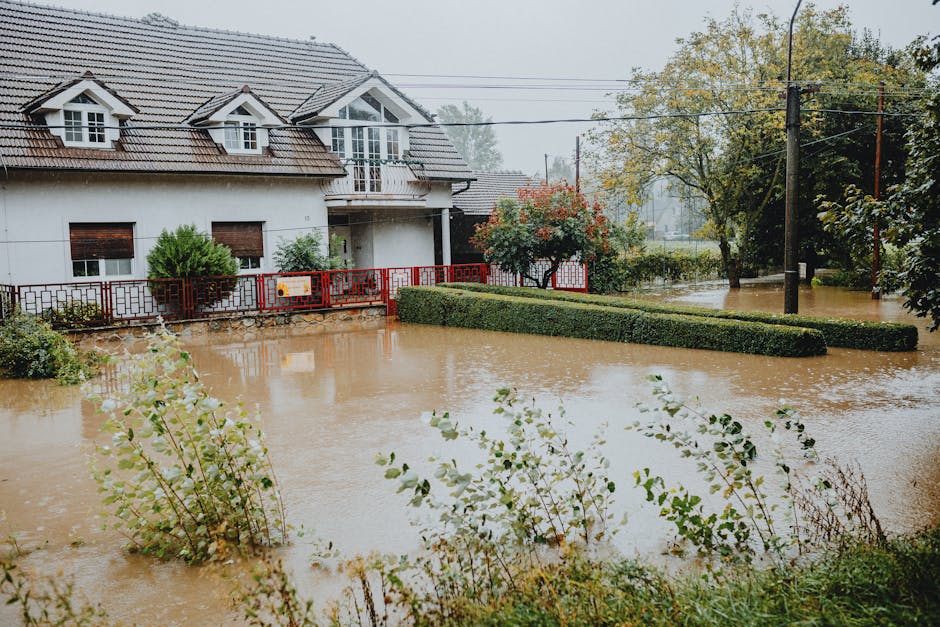
Why Speed Is Everything
Water moves fast and soaks deep. Within minutes, it saturates flooring, wicks into drywall, and seeps under baseboards into wall cavities. Within hours, solid wood begins to swell, laminate and hardwood start to buckle, and structural materials absorb enough moisture to require replacement rather than drying. Within 24 to 48 hours, mold spores begin colonizing wet organic materials.
Every hour you wait adds cost. Industry data consistently shows that water damage responded to within two hours costs significantly less to remediate than damage left overnight. Often by a factor of three or more.
Step 1: Assess the Situation Safely
Before you touch anything, confirm it is safe to enter the affected area.
- Electrical hazard: If water is near electrical outlets, panels, or appliances, do not enter until the electricity is off. Call your utility company or turn off the main breaker from a dry location. Water and live current can be fatal.
- Structural concern: If the ceiling is sagging or bulging with water, do not stand beneath it. A water-logged ceiling can collapse without warning.
- Gas smell: If you smell gas, leave the building immediately and call 911 and your gas utility from outside.
- Sewage contamination: If the water has a sewage odor or came from a toilet overflow or drain backup, treat it as Category 3 (black water). Avoid contact. It contains pathogens that can cause serious illness.
Step 2: Identify the Water Category
Restoration professionals classify water damage into three categories. Knowing your category helps you understand the scope and urgency:
- Category 1, Clean Water: Comes from a sanitary source. A supply line, clean tap, or rain through a roof. The lowest health risk, but still damaging if left untreated.
- Category 2, Gray Water: Contains contaminants that can cause illness. Examples include dishwasher overflow, washing machine discharge, and aquarium water. Requires professional sanitation.
- Category 3, Black Water: Grossly contaminated. Sewage backups, floodwater from streams or rivers, and standing water that has sat long enough for microbial growth. Requires full protective equipment, antimicrobial treatment, and disposal of porous materials. Learn about our biohazard cleanup services.
Important: Category 1 water can become Category 2 or 3 within 24 to 48 hours if left standing. Time degrades the category.
Step 3: Stop the Water Source
If the water is still actively flowing, stop it as quickly as possible.
- Burst or leaking pipe: Locate your main water shutoff valve (typically near the meter, in the garage, or under the kitchen sink) and turn it clockwise to close.
- Appliance failure (dishwasher, washing machine, water heater, refrigerator ice maker): Pull the appliance out and shut off the supply valve behind it. For a water heater, turn the valve on the cold water inlet at the top of the unit.
- Toilet overflow: Turn the shutoff valve behind the toilet base clockwise.
- Roof or storm intrusion: You may not be able to stop rain, but closing interior doors limits spread. If it is safe, a bucket under an active drip point can redirect water.
- Sump pump failure: Rent or borrow a submersible pump from a hardware store. A wet/dry shop vac can handle smaller volumes.
If you cannot locate or reach the shutoff, call your water utility's emergency line. Most DFW-area utilities have 24-hour response.
Step 4: Call a Professional Restoration Company
This step should happen immediately. Ideally before you have finished stopping the water source. Professional water extraction requires industrial-grade equipment that household tools cannot replicate:
- Truck-mounted or portable extraction units that remove hundreds of gallons per hour
- Industrial air movers (not consumer fans) that generate the airflow needed to dry structural materials
- Commercial dehumidifiers capable of removing 100+ pints of moisture per day
- Thermal imaging cameras and moisture meters to detect water hidden inside walls, under flooring, and above ceilings
- Negative air pressure equipment for Category 2 and 3 situations
GOAT Home Services responds throughout Dallas-Fort Worth 24 hours a day, 7 days a week, with a target arrival of 60 minutes or less. Call (469) 525-2254 now.
Step 5: Document Everything Before Moving Anything
Before you remove items or begin any cleanup, spend five to ten minutes documenting the damage. This documentation is your foundation for working with restoration professionals and protects your interests.
- Video walkthrough: Start outside the affected area and walk in, narrating what you see. Video captures depth and context that photos miss.
- Wide-angle room shots: Photograph each affected room from all four corners.
- Close-up damage shots: Document damaged flooring, walls, baseboards, cabinets, furniture, and personal property individually.
- The source: Photograph the pipe, appliance, or entry point that caused the damage.
- Serial numbers and model numbers: Capture these on damaged appliances and electronics.
Upload everything to cloud storage immediately so it is preserved even if your device is later damaged. Include date and time stamps. Do not discard damaged items until restoration professionals have documented them.
Step 6: Move Salvageable Items to a Dry Area
Once you have documented, move undamaged or salvageable items out of the affected zone to prevent secondary damage. Prioritize:
- Electronics: Computers, TVs, audio equipment. Power off immediately and do not plug in until fully, professionally dried.
- Important documents: Passports, insurance policies, deeds, financial records. Place in a sealed bag if damp.
- Furniture: Solid wood can often be saved if moved and dried promptly. Place aluminum foil or plastic wrap under wooden furniture legs to prevent staining the floor.
- Area rugs: Remove from wet flooring. Wet rugs accelerate floor damage and begin molding quickly.
- Clothing and textiles: Machine-washable items can often be saved if washed promptly.
Do not risk your safety to retrieve possessions. If water is near electrical sources or structurally compromised, leave everything and let the professionals handle it.
Step 7: Begin Ventilation (If Safe and Conditions Allow)
While waiting for professionals, increased airflow helps slow moisture absorption:
- Open windows and interior doors if outdoor humidity is below indoor humidity. This is relevant in DFW primarily in fall and winter. Not during humid summer months when opening windows could introduce more moisture.
- Run ceiling fans if they are not in the affected area.
- Do not run your HVAC system if the water source is unknown or if you suspect Category 2/3 contamination. It can spread contaminants throughout your ductwork.
- Do not use portable electric heaters near standing water.
What NOT to Do
Equally important is knowing what to avoid:
- Do not use a household shop vac or wet/dry vac as your primary extraction tool. They cannot keep up with significant water volumes and do not dry structural materials.
- Do not turn on the HVAC for Category 2 or 3 water. You will spread contaminated particles through your entire home.
- Do not enter rooms with standing water if the power is still on.
- Do not use standard fans as a substitute for professional air movers. Consumer fans do not generate adequate CFM (cubic feet per minute) to dry structural materials.
- Do not attempt to dry and save carpet padding. It is a magnet for mold and almost always needs to be replaced. Trying to save it costs more in the long run.
- Do not let a contractor start demo or rebuilding before you have documented the damage with photos and video.
Room-by-Room Priority Guide
Not all rooms are equal when it comes to water damage urgency:
Kitchen and Laundry Room
Appliance failures are the leading cause of interior water damage in DFW homes. Cabinets, flooring, and toe kicks absorb water quickly. Particle board cabinet boxes will swell and delaminate within hours. Get extraction going as fast as possible.
Bathroom
Tile is water-resistant, but grout is not. Water migrates under tile and into the subfloor rapidly. If there is standing water on a bathroom floor, assume the subfloor is saturated.
Basement or Lower Level
Less common in DFW than in northern states, but finished lower levels and slab-on-grade homes in cities like Plano and Frisco can suffer significant damage from plumbing failures or foundation seepage. Concrete absorbs and retains moisture. Drying times can be two to three weeks for a properly dried concrete slab.
Attic
Roof leaks that enter the attic can saturate insulation and migrate down walls for days before visible signs appear. If you have ceiling stains but no obvious indoor source, have your attic inspected.
Dallas-Fort Worth Specific Considerations
DFW homeowners face a few unique water damage risk factors:
- Winter freeze events: North Texas pipes, particularly those in exterior walls, attics, and garages, are not insulated to withstand prolonged sub-freezing temperatures. Check National Weather Service Fort Worth for freeze warnings. When temperatures drop below 20 degrees Fahrenheit, supply lines freeze and can burst explosively. Even a quarter-inch crack in a pipe can release 250 gallons per hour. This happened to thousands of homes across Dallas, Plano, and Frisco during Winter Storm Uri in 2021.
- Expansive clay soil: DFW's black clay soil expands when saturated, creating foundation movement and pressure that can crack slabs and allow water intrusion into lower levels. Homes in Allen, McKinney, and Garland are particularly susceptible.
- Flash flooding: The DFW metroplex regularly sees brief but intense rainfall events. Dallas Water Utilities provides stormwater management resources for homeowners. Streets and creek banks flood rapidly. If floodwater enters your home, assume Category 3 contamination regardless of how the water looks.
- High summer humidity: Even after water is extracted, DFW's ambient humidity (often 70 to 85 percent in summer) slows structural drying significantly. Professional dehumidification is not optional here. It is essential.
- Aging infrastructure in older neighborhoods: Homes in established Dallas neighborhoods like Lakewood, Preston Hollow, and Oak Cliff often have original plumbing that is decades past its expected lifespan. These pipes fail more frequently than newer construction in Frisco or McKinney.
Document Everything for Your Records
Thorough documentation protects you and helps any professionals you hire do their job better. Here is what to capture:
- Photos and video of all damaged areas, including close-ups and wide shots
- The source of the water damage, such as a burst pipe or appliance failure
- Serial numbers and model numbers on damaged appliances and electronics
- Date and time stamps on all documentation
- Receipts for any emergency expenses like board-up services or temporary lodging
GOAT Home Services documents damage to industry standards with photos, moisture readings, and detailed reports. We can provide this documentation directly to you or to any party you authorize.
What Happens When the Professionals Arrive
When a professional restoration crew arrives, here is what to expect:
- Assessment: The crew lead will conduct a rapid walk-through, using a moisture meter and thermal camera to map the full extent of moisture beyond what is visible.
- Extraction: Standing water is removed first using truck-mounted or portable extractors. This typically takes 30 minutes to a few hours depending on volume.
- Demo (if needed): Saturated drywall, flooring, and baseboards that cannot be dried in place may be removed to expose structural cavities to airflow.
- Equipment placement: Air movers and dehumidifiers are strategically positioned to maximize drying efficiency. A typical residential water loss requires 4 to 20+ air movers and 2 to 6 dehumidifiers depending on square footage.
- Monitoring: Crews return daily (or every 12 hours for severe losses) to monitor moisture readings and adjust equipment placement. Drying typically takes 3 to 5 days.
- Clearance: When all materials reach acceptable moisture levels, equipment is removed and a final report is generated for your records.
Frequently Asked Questions
How long does water damage restoration take?
The drying phase for a typical single-room water loss takes 3 to 5 days. Larger losses, Category 2 or 3 events, or losses involving multiple structural assemblies can take 7 to 14 days. Reconstruction after drying (replacing drywall, flooring, cabinets) is a separate phase that can take 2 to 6 weeks depending on the scope.
Can I stay in my home during restoration?
For most Category 1 losses in a single room, yes. Industrial equipment is loud and runs 24/7, so you will want to close the affected area off. For Category 2 or 3 losses, or losses affecting large portions of the living area, temporary relocation is often both safer and more comfortable.
Will my floors be saved?
Hardwood floors can often be saved if extraction begins within 24 hours, depending on species and construction. Engineered hardwood and laminate typically cannot be saved once saturated. Tile floors themselves are usually fine. The subfloor beneath is the concern. Carpet can sometimes be saved. Carpet padding almost never can.
What does water damage restoration cost?
Costs vary widely depending on category, square footage, and materials affected. A minor single-room Category 1 loss might run $1,500 to $4,000. A whole-floor Category 2 or 3 loss including demo and drying can run $10,000 to $40,000 before reconstruction. Costs vary based on the scope of damage, materials affected, and your specific situation.
The Bottom Line
Water damage is stressful, but a clear-headed response in the first hour dramatically limits the damage, the cost, and the disruption to your life. Prioritize safety, stop the source, document before moving anything, and get professionals on the way as fast as possible.
GOAT Home Services is available 24/7/365 throughout Dallas-Fort Worth. We serve Dallas, Plano, Frisco, McKinney, Arlington, Fort Worth, Irving, Garland, and every city in between. Call (469) 525-2254 and we will have a crew moving toward you immediately. Have questions? Visit our FAQ page or contact us.