
Quick Answer
Dallas flooding can happen fast — 4 inches of rain in 2 hours overwhelms streets and homes. What to do before, during, and after a flood in Dallas, from safety to insurance claims to restoration.
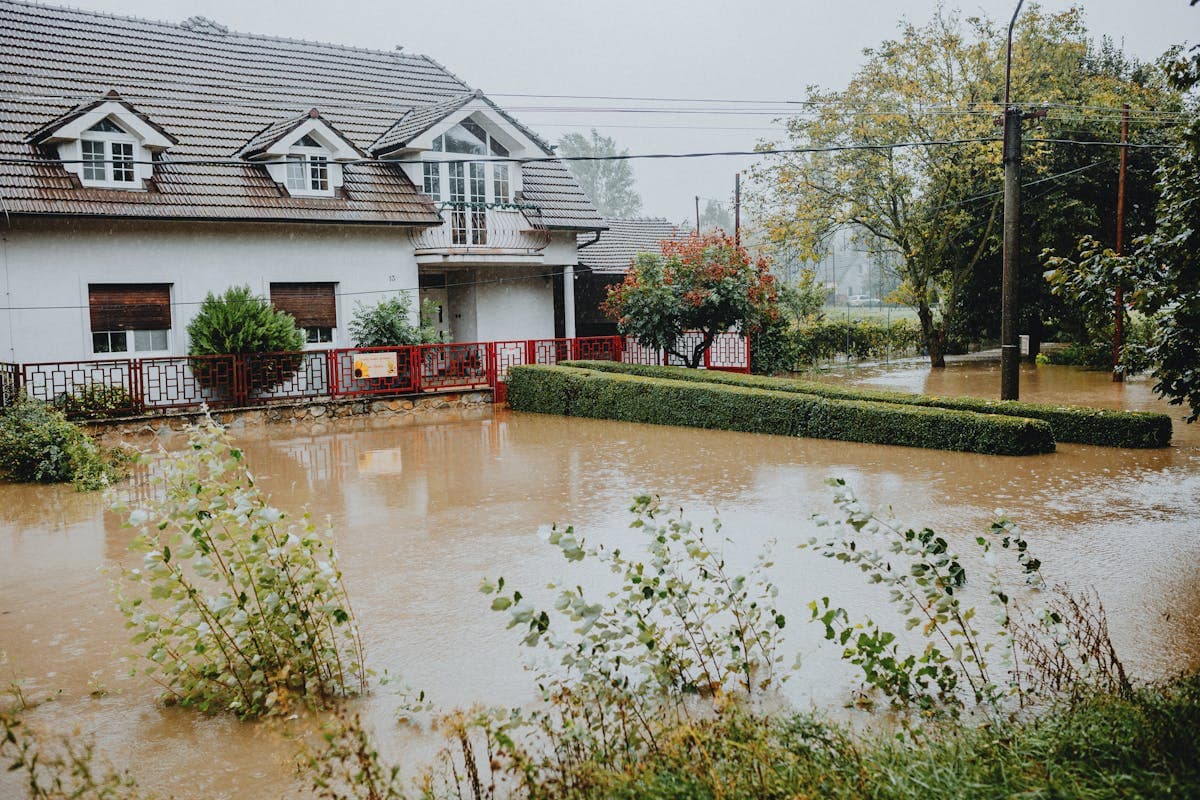
If you live in Dallas, you have seen it happen. The sky turns dark. Rain comes down so hard you cannot see the car in front of you on 75. Within 30 minutes, streets are rivers, creeks are over their banks, and water is pooling against foundation walls in neighborhoods that have not flooded in years.
Dallas flooding is not a question of if, but when. The city sits on Blackland Prairie clay that absorbs water slowly. The storm drainage system in many neighborhoods was built decades ago for a different climate. And when a DFW thunderstorm drops 3 to 4 inches of rain in two hours, which happens multiple times every spring and summer, water has nowhere to go but into homes, garages, and crawlspaces.
We have responded to flood damage calls across Dallas after every major rain event in the last decade. After the spring storms that sent White Rock Creek over its banks into Lakewood homes. After the flash floods that turned streets in Oak Cliff into rivers. After the summer thunderstorms that dumped 5 inches on Far North Dallas in a single afternoon. The patterns are consistent. The mistakes homeowners make are predictable. And most of the damage is preventable with the right knowledge before the water starts rising.
Why Dallas Floods: The Factors You Cannot Control
Dallas flooding is driven by a specific combination of geography, weather, and infrastructure that makes the city more flood-prone than many homeowners realize. Understanding these factors helps you know when to take flooding seriously.
The Blackland Prairie Clay Problem
DFW sits on expansive clay soil that behaves differently from the sandy loam found in other parts of the country. When dry, this soil shrinks and cracks. When wet, it swells and becomes nearly impermeable. During a heavy rain event, the clay absorbs water at a fraction of the rate that rain is falling. Instead of soaking into the ground, the water sheets across the surface. It pools in low spots. It flows toward the path of least resistance, which is often your foundation. Homes on negative grade, where the yard slopes toward the house rather than away from it, flood from the outside in as water ponds against the foundation wall and seeps through cracks, cove joints, and weep holes.
The Flash Flood Pattern
DFW receives 37 inches of rain annually on average. But the problem is not the annual total. It is the rate. North Texas thunderstorms are notorious for dropping massive amounts of water in short windows. A storm that delivers 3 inches of rain in 90 minutes is not unusual here. The National Weather Service Fort Worth office tracks these events closely, and they happen 3 to 5 times per year across the metroplex. When that much water falls that fast, the ground cannot absorb it, the storm drains cannot carry it away fast enough, and the water finds the lowest available point. In urban Dallas, that point is often a street intersection that becomes a pond, or a home foundation that gets pushed against by water pressure from the saturated clay outside.
Aging Infrastructure in Older Dallas Neighborhoods
Dallas has invested significantly in flood control infrastructure through the Trinity River Corridor Project and other initiatives. But many neighborhoods still rely on storm drainage systems built 50 to 80 years ago. In older parts of the city like Oak Lawn, the M Streets, and East Dallas, the original drainage was designed for a city with far less impervious surface than exists today. Every new driveway, parking lot, and rooftop in the watershed adds runoff that the original drains were never designed to handle. The result: streets flood during heavy rain in neighborhoods that never flooded 30 years ago. If your home is in one of these older Dallas neighborhoods, you are at higher risk than a home built in a newer development with modern stormwater management.
The Trinity River and Its Tributaries
The Trinity River runs through the heart of Dallas, and its tributaries, including White Rock Creek, Rowlett Creek, and the Elm Fork, drain a massive watershed. Homes along these waterways are in FEMA-designated floodplains, and many have flooded repeatedly. But the risk extends beyond the mapped floodplain. The creeks and streams that feed the Trinity can rise rapidly during heavy rain, and homes a quarter-mile from the creek can still experience water intrusion through the soil and foundation. If you live within a half-mile of any significant waterway in Dallas, heavy rain events put your home at risk regardless of your flood zone designation on a map.
What to Do Before the Next Flood: The Preparation Checklist
Every item on this list costs under $100 and takes under an hour. Every one of them prevents damage that runs into the thousands. We would rather you do these than pay us to fix what happens if you do not.
Know Your Flood Zone — But Do Not Rely on It
Check the FEMA Flood Map Service Center to see whether your home is in a designated flood zone. But understand this: FEMA maps are based on historical data and do not account for recent development, changing weather patterns, or localized drainage issues. Many Dallas homes outside the 100-year floodplain have flooded in the last decade. The map is a starting point, not a guarantee. If you have flooded before, or if your neighbors have flooded, you will flood again. Plan accordingly.
Check Your Grading
The single most effective flood prevention measure for any Dallas home is proper grading. The soil around your foundation should slope away from the house at least 6 inches over the first 10 feet. If your yard slopes toward your foundation, which is common in older Dallas neighborhoods where the soil has settled over decades, water will pool against the foundation during every heavy rain. Fixing grading is not expensive: a few cubic yards of compacted fill and some weekend labor, or $500 to $1,500 for a landscaping contractor to regrade the perimeter. Compare that to a $10,000 flood restoration job.
Extend Your Downspouts
Those 2-foot splash blocks that came with the house are not adequate for a DFW thunderstorm. During heavy rain, water shoots off the roof, hits the splash block, and runs straight back toward the foundation. Extend every downspout at least 5 feet from the foundation wall using flexible corrugated extensions. They cost $8 each at any hardware store and connect in 30 seconds. This is the cheapest flood prevention measure you can take, and it is the one we see missing most often when we respond to water intrusion calls in Dallas homes.
Install a Sump Pump If You Have a Crawlspace or Lower Level
If your Dallas home has a crawlspace, a finished lower level, or a basement, a sump pump is your last line of defense against groundwater intrusion. Test it before every storm season: pour a 5-gallon bucket of water into the sump pit and verify the pump activates and discharges properly. If the pump does not cycle on, or if it runs but does not discharge, replace it before the storm. A backup battery-powered sump pump is worth the investment for anyone who has flooded before. Power outages are common during severe storms, and a pump that cannot run when the power is out is no protection at all.
Know Where Your Shutoff Valves Are
If floodwater enters your home, you need to be able to shut off your water, gas, and electricity quickly. Locate your main water shutoff valve, your gas meter shutoff, and your electrical panel. Make sure every adult in the house knows how to shut them off. If you have natural gas and smell it during or after a storm, shut off the gas at the meter and call Atmos Energy at 888-286-3700 from outside the building.
What to Do During a Flood Event
When the water is rising, safety is the only priority. Property can be replaced. People cannot. Here is the order of operations when a flood event is happening:
Do Not Drive Through Flooded Streets
This is the most common cause of flood-related deaths in Texas. Six inches of moving water can knock a person off their feet. Twelve inches can float a car. Eighteen inches can carry away an SUV. The Dallas Fire-Rescue department rescues drivers from flooded roads every single storm season. If you encounter a flooded street, turn around. Do not try to gauge the depth yourself. That water may be 6 inches deep or it may be 3 feet deep in the same spot depending on the curb height and the drain location. Just turn around. There is no destination worth your life.
Move to Higher Ground if Water Is Entering Your Home
If water is coming in, get family members and pets to the highest floor or level of the home. Do not stay in the basement, crawlspace, or lower level if water is entering. Do not stand in standing water near electrical outlets, appliances, or extension cords. If the power is on and water is near electrical sources, the safest move is to leave the house. Call 911 from outside if you need rescue assistance.
Turn Off Utilities if Safe to Do So
If you can reach your electrical panel without standing in water, turn off the main breaker. If you cannot reach it safely, leave it on and stay out of the water. Gas should only be shut off if you smell gas or suspect a leak. If you shut off the gas at the meter, do not turn it back on yourself. Only a licensed professional should restore gas service after a flood event.
Document the Flooding as It Happens
If it is safe to do so, take photos and video of the water entering your home. Capture wide shots of the exterior showing the flooding in context. Document the rising water line. This documentation is invaluable for your insurance claim because it establishes the flood as the cause of the damage, not a maintenance issue. If you have a phone with a waterproof case or a plastic bag, use it to get clear documentation before the water recedes.

What to Do Immediately After Floodwater Recedes
The water goes down. The damage assessment begins. What you do in the first 24 hours after floodwater recedes determines whether this becomes a $3,000 restoration job or a $30,000 nightmare with mold remediation and structural replacement.
Step 1: Safety Assessment
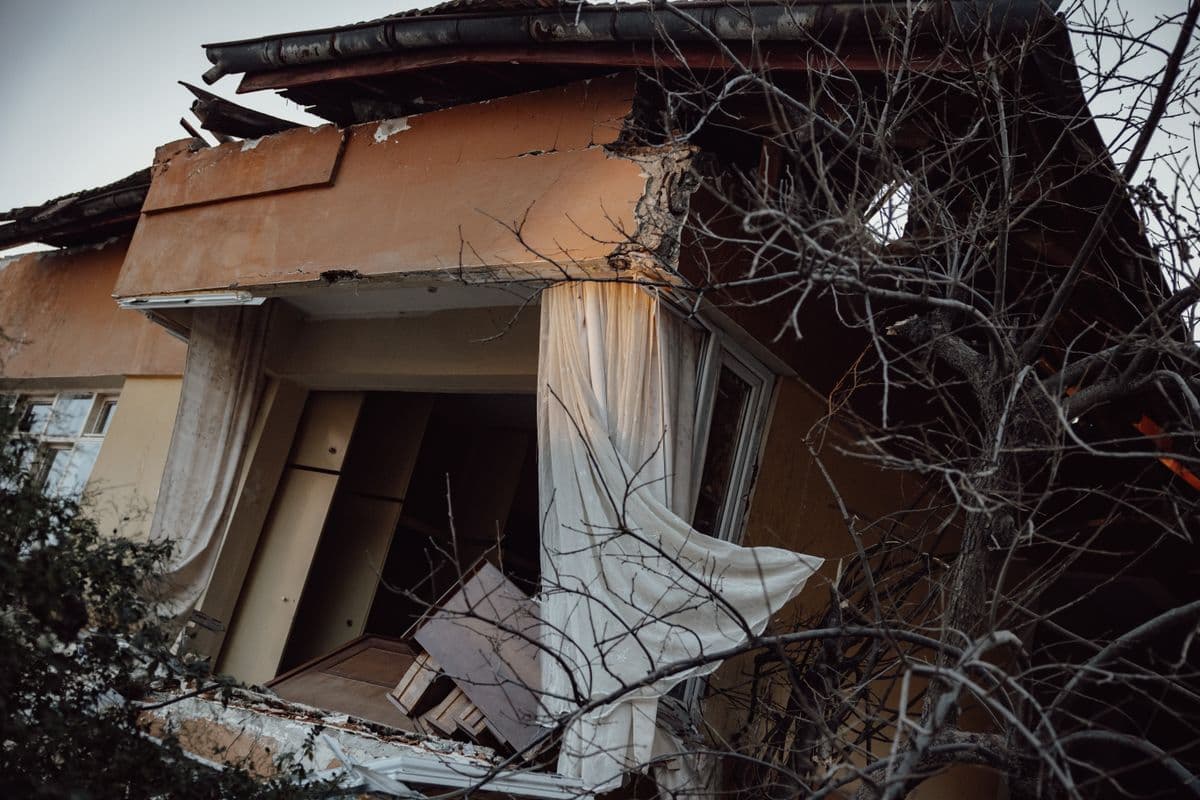
Before you enter your flood-damaged home, confirm it is safe. Look for structural damage, foundation cracks, leaning walls, a sagging roof, or a chimney that has separated from the roofline. If any of these are present, do not enter the house until a structural engineer or licensed contractor has assessed it. If the power is still on and water was present near electrical systems, do not enter until a licensed electrician confirms it is safe. If you smell natural gas, leave immediately and call 911 and Atmos Energy from outside.
Step 2: Document Everything Before Moving Anything
This is the step homeowners skip most often, and it is the one that costs them the most when insurance gets involved. Before you move a single item, before you sweep water out the door, before you pull wet carpet, document every square foot of damage. Take wide-angle photos of every affected room from multiple angles. Take close-ups of damaged items, water lines on walls, buckled flooring, and stained baseboards. Walk through each room with a video camera narrating what you see. Date-stamp everything. Upload it to cloud storage immediately so it is preserved even if your phone is later damaged. This documentation is your evidence for the insurance claim. Without it, the adjuster controls the narrative.
Step 3: Assume Category 3 Contamination
Floodwater that comes from outside your home is not clean water. It carries soil, bacteria, chemicals, sewage overflow from overwhelmed treatment plants, fuel from vehicles, and debris from streets and yards. Treat every drop of floodwater as Category 3 (black water) contamination. Avoid direct contact. Wear rubber boots, waterproof gloves, and a mask if you must enter the affected area. Do not let children or pets near flood-affected rooms. Do not turn on your HVAC system until a professional has confirmed it is not contaminated. Running the HVAC with flood-damaged ductwork spreads contamination throughout your entire home.
Step 4: Call a Professional Restoration Company
Flood damage requires professional water extraction and structural drying. The water has already soaked into drywall, flooring, insulation, and subflooring. It has wicked up walls and migrated under baseboards. Consumer shop vacs and box fans cannot handle this scope. Truck-mounted extraction units remove 150 to 500 gallons per minute. Industrial air movers and commercial dehumidifiers create the airflow and vapor pressure differential needed to dry structural materials to the IICRC dry standard. In DFW's humid climate, where outdoor humidity hits 70 to 85 percent in summer, air drying is not an option. Professional dehumidification is essential.
GOAT Home Services responds to flood damage calls across Dallas 24/7. We serve Lakewood, Oak Cliff, the M Streets, Preston Hollow, Far North Dallas, and every Dallas neighborhood. Our emergency response team aims to be on site within 60 minutes. Call (469) 525-2254 now if you have floodwater in your home.
Step 5: File Your Insurance Claim
This is where flood damage differs from every other type of water damage. Standard homeowners insurance policies (HO-3, HO-B) do not cover flood damage. If the water entered your home from outside due to rising water, storm surge, or groundwater intrusion, that is a flood claim, not a water damage claim. You need a separate flood insurance policy through the National Flood Insurance Program (NFIP) or a private flood carrier to have coverage.
If you have flood insurance, file the claim immediately. Most NFIP policies have a deductible that ranges from $1,000 to $10,000 depending on your coverage. Have your policy number and documentation ready. The adjuster will need to inspect the property before any permanent repairs begin. Emergency mitigation, including water extraction and board-up, can start before the adjuster arrives, but document everything and get approval for the scope of emergency work.
If you do not have flood insurance and floodwater entered your home, you are looking at paying for restoration out of pocket. This is the hard truth that many Dallas homeowners discover after the first flood. The cost of water damage restoration in DFW typically ranges from $1,500 to $40,000 depending on the extent of the damage. We provide detailed estimates upfront so you know the number before any work begins. There are no hidden fees and no surprises.
The Restoration Process After a Dallas Flood
Flood restoration follows the same general sequence as other water damage restoration, but with higher contamination protocols and more extensive material removal due to Category 3 classification.
Week 1: Emergency Mitigation
Water extraction begins immediately. Truck-mounted extractors remove standing water. Affected drywall is cut 12 to 24 inches above the visible water line. Baseboards and trim are removed. Carpet and padding are pulled up and disposed of. Insulation in affected wall cavities is removed. The goal of this phase is to get the structure dry enough to prevent secondary damage, particularly mold colonization, which begins within 24 to 48 hours in DFW's humid climate.
Week 1-2: Structural Drying
Industrial air movers and commercial dehumidifiers are placed throughout the affected area. In DFW's summer humidity, drying takes 5 to 10 days for a typical flood-affected home. Concrete slabs hold moisture for two to three weeks and require monitoring with moisture meters until they reach the IICRC dry standard. We take daily moisture readings and adjust equipment placement as drying progresses. Every reading is documented for your insurance file.
Week 2-3: Antimicrobial Treatment and Sanitization
Because floodwater is Category 3, the entire affected area needs antimicrobial treatment. All exposed framing, subflooring, and other structural materials are treated with an EPA-registered antimicrobial. Hard surfaces are cleaned and sanitized. HVAC ductwork is inspected and cleaned if contaminated. A post-remediation clearance test confirms that the space is safe for reconstruction.
Week 3+: Reconstruction
Once the structure is dry and sanitized, reconstruction begins. New drywall, insulation, flooring, baseboards, and trim are installed. In cases where floodwater destroyed cabinetry or built-ins, those are replaced. The goal is to return your Dallas home to pre-flood condition. The reconstruction phase typically takes 2 to 6 weeks depending on the scope of damage and material availability.
Dallas Neighborhoods at Highest Flood Risk
While any Dallas home can flood during extreme weather, some neighborhoods face higher risk based on geography, housing stock, and drainage infrastructure. Here is what we see most often:
Lakewood and White Rock Lake Area
Homes along White Rock Creek and around White Rock Lake are in the floodplain and flood with notable consistency after heavy rain. The 2022 spring storms caused significant flooding in this area, with water entering homes that had never flooded before. If you live in Lakewood or the surrounding neighborhoods near the lake and creek, flood insurance is not optional here, it is essential. The combination of creek overflow, high water table, and clay soil creates conditions where water intrusion is a matter of when, not if.
Oak Cliff and the Trinity River Corridor
Oak Cliff sits along the Trinity River corridor and has some of the oldest housing stock in Dallas. Many homes in this area are pier-and-beam construction from the 1920s through 1950s, with crawlspaces that flood during heavy rain. The Trinity River bottoms absorb massive amounts of runoff during storms, and the water table rises significantly within hours of heavy rainfall. Homes near the river and its tributaries in Oak Cliff face both floodplain risk and elevated groundwater risk.
East Dallas and the M Streets
East Dallas and the M Streets (McCommas, Mercedes, Monticello, and Miller) have some of the oldest storm drainage infrastructure in the city. During heavy rain, streets in these neighborhoods flood routinely, and water enters homes through foundation cracks, window wells, and garage doors. The housing stock in these neighborhoods is primarily 1920s-1950s construction with aging foundations that have settled over decades on the expansive clay soil. Even without floodplain designation, these homes are at risk.
Far North Dallas and the Northern Suburbs
Newer neighborhoods in Far North Dallas, along with suburbs like Addison, Richardson, and Garland, have different flood risks. These areas rely on stormwater detention ponds and modern drainage systems that generally handle heavy rain better than the older systems in the city core. But when development outpaces infrastructure, which has happened in pockets of Far North Dallas, the runoff overwhelms the system and low-lying homes flood.
Flood Insurance: What Every Dallas Homeowner Should Know
Flood insurance is a separate topic from the restoration process, but it is the single most important financial decision a Dallas homeowner can make. Here is the straight truth:
Standard Homeowners Insurance Does Not Cover Flooding
This is the most expensive misunderstanding in property restoration. An HO-3 policy covers water damage from a burst pipe, an appliance failure, or a roof leak during a storm. It does not cover water that enters your home from outside due to rising water, groundwater seepage, or surface flooding. If the water came from the ground up, you need flood insurance. If the water came from the sky down (through a roof or wall opening caused by wind), you are covered under your homeowners policy. The distinction matters, and it is the source of countless denied claims in Dallas after every major flood event.
NFIP Policies: What They Cover and What They Do Not
National Flood Insurance Program (NFIP) policies are available to any property in a participating community, which Dallas County is. The maximum coverage is $250,000 for the structure and $100,000 for personal property. The waiting period is 30 days from purchase, so you cannot buy it the day before a storm. If you are in a high-risk flood zone and have a mortgage from a federally regulated lender, flood insurance is required. If you are outside the high-risk zone, it is optional but still worth considering. A preferred-risk policy in a low-to-moderate risk zone costs roughly $400 to $600 per year. For a home in Lakewood or near the Trinity River corridor, the cost is higher but still a fraction of what a single flood event costs out of pocket.
Private Flood Insurance Options
In recent years, private flood insurance carriers have entered the Texas market offering coverage that can exceed NFIP limits and sometimes cover additional perils. Private policies are worth considering for higher-value homes or for homeowners who want replacement cost coverage on contents, which NFIP does not offer. Compare NFIP and private options. The price difference is often small, and the coverage difference can be significant.
Frequently Asked Questions About Flooding in Dallas
What should I do if my Dallas home floods?
The order matters: safety first (check for electrical hazards, gas leaks, structural damage), then document everything with photos and video before moving anything, then call a professional restoration company to begin water extraction and drying, then file your insurance claim. Do not try to handle Category 3 floodwater yourself. It is contaminated and requires professional protocols.
Does homeowners insurance cover flooding in Dallas?
No. Standard homeowners insurance policies in Texas explicitly exclude flood damage. If water entered your home from outside due to rising water, storm surge, or groundwater seepage, you need a separate flood insurance policy through the NFIP or a private carrier. If the water entered through a wind-damaged roof or wall, that is typically covered under your homeowners policy as storm damage rather than flood damage.
How much does flood damage restoration cost in Dallas?
Flood damage restoration costs vary based on the extent of water intrusion, the number of rooms affected, the materials damaged, and whether mold remediation is needed. A typical single-room flood cleanup runs $2,000 to $6,000. A whole-floor Category 3 flood event with full demolition, drying, and antimicrobial treatment runs $8,000 to $25,000 before reconstruction. Reconstruction after flood damage typically adds 50 to 150 percent to the restoration cost. For a detailed breakdown, see our guide on water damage restoration costs in DFW.
How long does flood damage restoration take?
Emergency mitigation (water extraction, demo, drying setup) takes 1 to 3 days. Structural drying takes 5 to 10 days depending on the materials affected and the humidity level. Reconstruction takes 2 to 6 weeks. The total timeline for a significant flood event is typically 3 to 8 weeks from start to finish.
Can floodwater cause mold?
Yes, and this is one of the most common secondary problems after a flood. Floodwater introduces both moisture and organic contaminants into your home. In DFW's humid climate, mold can begin colonizing wet materials within 24 to 48 hours. This is why rapid drying after a flood is essential. If the water has been sitting for more than 48 hours, assume mold is present and request a mold inspection and remediation as part of the restoration process.
Should I buy flood insurance if I live outside a flood zone?
Yes. More than 20 percent of NFIP flood claims come from properties outside high-risk flood zones. Dallas's changing weather patterns mean that homes that have never flooded before are flooding now. A preferred-risk flood insurance policy costs roughly $400 to $600 per year. Compare that to the out-of-pocket cost of a $10,000 to $40,000 flood restoration. Flood insurance is one of the few insurance products where the math works in the homeowner's favor more often than not.
The Bottom Line on Flooding in Dallas
Here is what we want every Dallas homeowner to take away from this guide:
- Dallas floods, and it floods hard. The combination of clay soil, intense thunderstorms, aging drainage infrastructure, and growing development means flooding is a recurring reality. Knowing your risk is step one.
- Preparation costs pennies compared to restoration. Grading, downspout extensions, a sump pump, and flood insurance cost a few hundred to a few thousand dollars. A single flood event can cost tens of thousands.
- Safety comes first during a flood. Do not drive through flooded streets. Do not stand in water near electrical sources. Do not enter a structurally compromised building.
- Document before you clean. Your insurance claim depends on documentation you create in the first hours after the water recedes. Take photos and video before moving anything.
- Professional restoration is not optional after floodwater enters your home. Category 3 water requires professional extraction, drying, antimicrobial treatment, and reconstruction. DIY approaches to flood damage almost always result in mold, structural damage, and higher costs down the road.
If your Dallas home has experienced flooding, do not wait. The first 24 to 48 hours after the water recedes are critical for preventing mold and minimizing structural damage. Call a professional restoration company immediately. Get an assessment. Know what you are dealing with. That knowledge alone is worth the phone call.
GOAT Home Services provides flood damage restoration throughout Dallas, Lakewood, Oak Cliff, the M Streets, Preston Hollow, Far North Dallas, and every neighborhood in between. We respond 24/7 with free on-site assessments. Our team holds IICRC certifications in water damage restoration and applied structural drying. We work directly with your insurance company to document the scope and manage the claim from start to finish, whether it is a flood claim or a homeowners claim. We also handle storm damage restoration and water extraction across the entire DFW metroplex. Call (469) 525-2254 for a free assessment. No obligation. No hidden fees. Just a straight answer about what your flood damage restoration will cost and how long it will take.