
Quick Answer
Category 3 water (black water) is grossly contaminated and requires professional restoration. What DFW homeowners need to know about sewage backups, floodwater, health risks, insurance coverage, and the restoration process.
You wake up to the sound of rushing water. A pipe burst in the wall while you slept, or a toilet line failed on the second floor. Or worse: floodwater from last night's storm is seeping in through the foundation and creeping across your finished lower level. You see standing water, but what you cannot see is what is actually in it.
Not all water damage is the same. The IICRC, the organization that sets the standards for the restoration industry, classifies water damage into three categories based on the level of contamination. Category 1 is clean water from a sanitary source. Category 2 is gray water with some contaminants. Category 3 is black water: grossly contaminated liquid that contains pathogenic agents, sewage, and other harmful substances. This guide covers everything DFW homeowners need to know about Category 3 water damage, from identification and health risks to insurance and restoration.
What Is Category 3 Water Damage?
Category 3 water, also called black water, is water contaminated with pathogenic microorganisms, sewage, chemicals, or other hazardous substances. The IICRC S500 standard defines it as water that contains fecal matter, urine, viruses, bacteria, and other disease-causing organisms. It is the most dangerous classification of water damage and requires the most stringent safety and remediation protocols.
Common sources of Category 3 water in DFW homes include:
- Sewage backups from blocked main lines, overloaded municipal systems during heavy rain, or tree root intrusion into lateral lines. In older Dallas neighborhoods like Oak Cliff, Lakewood, and East Dallas, aging clay sewer lines are especially vulnerable to root intrusion.
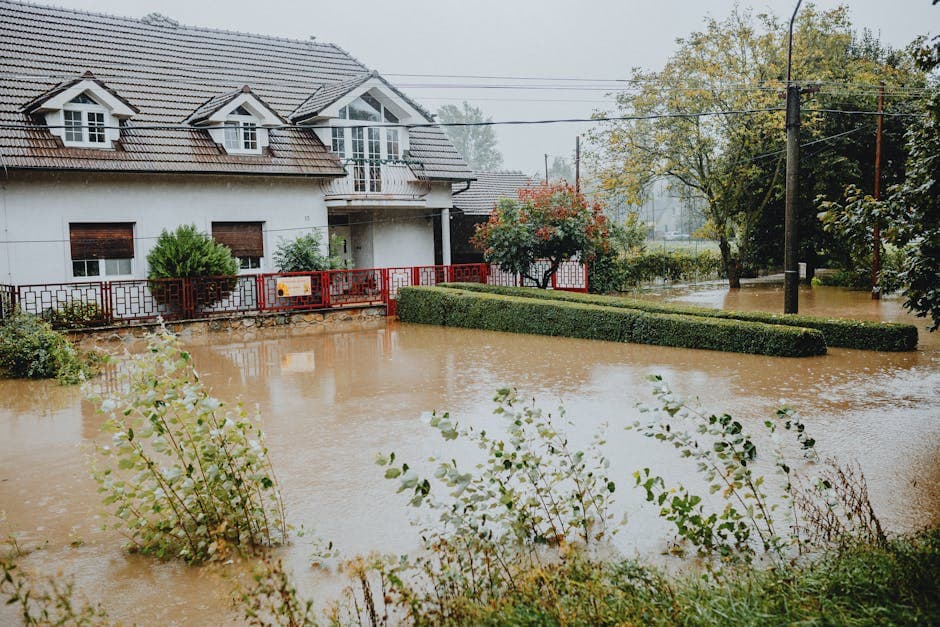
- Floodwater from rivers, creeks, or storm surge that enters a home from the outside. Floodwater picks up everything it touches: pesticides, gasoline, animal waste, sediment, and industrial chemicals. In DFW, flood-prone corridors along the Trinity River, White Rock Creek, Rowlett Creek, and their tributaries are common sources of Category 3 water intrusion.
- Standing water that has degraded from Category 1 or 2 to Category 3 due to time and temperature. IICRC standards recognize that clean water left standing for more than 72 hours in warm conditions can become Category 3 as microbial growth converts the water to a contaminated state. In a DFW summer with ambient temperatures above 90 degrees Fahrenheit and humidity at 70 percent, that conversion can happen even faster.
- Toilet backflow that contains fecal matter and urine, regardless of whether the water appears discolored.
- Groundwater intrusion in areas where agricultural runoff, septic system drainage, or industrial sites are upstream. In expanding DFW suburbs like Frisco, McKinney, and Celina, new construction sites can introduce sediment and chemical runoff into stormwater that then enters nearby homes.
If there is any chance the water in your home came from outside, from a sewer line, or has been sitting for more than three days, treat it as Category 3 until a professional confirms otherwise.
The Three Categories of Water Damage
Understanding the categories helps you assess the severity and urgency of any water damage situation. Here is a comparison of the three categories defined by the IICRC S500:
| Category | Water Type | Source Examples | Health Risk | Response Required |
|---|---|---|---|---|
| Category 1 | Clean Water | Burst supply line, faucet overflow, rainwater through a roof leak | Low (sanitary) | Extraction and drying within 48 hours |
| Category 2 | Gray Water | Washing machine discharge, dishwasher overflow, aquarium water | Moderate (may cause illness) | Extraction, drying, and antimicrobial treatment |
| Category 3 | Black Water | Sewage backup, floodwater, standing water over 72 hours | High (pathogens, bacteria, viruses) | Full PPE required, containment, extraction, demolition of porous materials, antimicrobial treatment |
The key distinction is health risk. Category 1 water can become Category 2 in 24 to 48 hours and Category 3 in 72 hours if left untreated. This progression is accelerated in warm, humid conditions like a DFW summer. Learn what to do immediately after any water damage to prevent category escalation.
Health Risks of Category 3 Water
Category 3 water is a serious health hazard. The contaminants it carries include bacteria (E. coli, salmonella, shigella), viruses (hepatitis A, norovirus), parasites (giardia, cryptosporidium), fungi, and chemical toxins. Exposure can occur through ingestion, inhalation of aerosolized droplets, or skin contact, especially through cuts or abrasions.
Common health effects include:
- Gastrointestinal illness from ingesting contaminated water, including nausea, vomiting, diarrhea, and abdominal cramps. Symptoms can appear 12 to 48 hours after exposure.
- Respiratory infections from inhaling contaminated water droplets during extraction or cleanup. This is a particular risk when pressure washers or high-pressure sprayers are used without proper respiratory protection.
- Skin infections from contact with contaminated water, especially if the skin is broken. Bacterial infections like staph and strep can enter through small cuts that may not even be visible.
- Allergic reactions to mold spores and other biological contaminants that flourish in standing water. Within 24 to 48 hours, mold begins colonizing wet materials, adding airborne allergen exposure to the list of hazards.
Never enter a room with Category 3 standing water without proper personal protective equipment. This includes rubber boots, waterproof gloves, eye protection, and at minimum an N95 respirator. If sewage is involved, full Tyvek coveralls and a P100 respirator or supplied-air respirator are recommended. The risks are not worth saving a few minutes or a few dollars of protective gear.
Why DFW Homes Are at Elevated Risk for Category 3 Water Damage
North Texas homeowners face several risk factors that make Category 3 water damage more likely and more serious than in many other parts of the country:
Flash Flooding on Expansive Clay Soil
DFW sits on the Blackland Prairie, a region of highly expansive clay soil. This soil absorbs water slowly and swells dramatically when wet. During heavy rain events, which DFW experiences 3 to 5 times per year with 2 or more inches in 24 hours, the soil cannot absorb the water fast enough. Surface water sheets across yards, streets, and parking lots, seeking the lowest point. In many DFW homes, especially those with negative grade, that lowest point is the foundation. Water ponds against the slab or foundation wall and seeps through cracks that opened during dry periods when the clay contracted.
Floodwater from outside carries everything it has picked up along the way: animal waste from lawns and parks, oil and gasoline from driveways and streets, pesticides and fertilizers from landscaping, and sediment from construction sites. Once it enters your home, it is Category 3, regardless of how clear it looks.
Sewage System Overload During Storms
Many DFW municipalities have combined or aging sewer systems that can be overwhelmed during heavy rain. When the sanitary sewer system reaches capacity, the backup has nowhere to go but into homes through floor drains, basement drains, and low-lying plumbing fixtures. This is especially common in older Dallas neighborhoods with infrastructure built before modern stormwater management standards. Homes in Lakewood, the M Streets, and East Dallas have historically been at higher risk for sewage backup during heavy rain events.
Slab-On-Grade Foundation Risks
The majority of DFW homes built after 1960 are on slab-on-grade foundations. These foundations sit directly on the expansive clay soil. When the soil moves, it creates cracks in the slab that can allow water to enter from below. During a heavy rain, the water table can rise temporarily above the slab level, pushing contaminated groundwater up through these cracks. Finished lower levels and converted garages in Plano, Frisco, and McKinney are especially vulnerable because living space was added below grade without proper waterproofing.
Aging Plumbing in Older Neighborhoods
Dallas neighborhoods like Preston Hollow, Lakewood, Oak Cliff, and the Park Cities have homes with plumbing that is 50 to 100 years old. Clay sewer lines from the 1950s and 1960s have a typical lifespan of 50 to 75 years. Tree roots find their way into the joints, create blockages, and cause sewage backups that enter the home through the lowest drain opening. In a home with a finished basement or lower level, the backup often comes through a floor drain, shower drain, or toilet on the lowest floor.

Insurance Coverage for Category 3 Water Damage
This is the most critical part of this article, because insurance coverage varies dramatically based on the source of the water. Understanding the distinction before damage occurs can save you tens of thousands of dollars and a lot of frustration.
Standard Homeowners Insurance (HO-3 Policy)
A standard HO-3 homeowners policy covers sudden and accidental water damage from internal sources. This includes a burst pipe, an overflowing toilet, a failed water heater, or a washing machine hose that lets go. If the Category 3 water came from a sudden internal source like a sewage backup from a blocked plumbing line, the policy typically covers the resulting damage minus your deductible. The key phrase is "sudden and accidental" — gradual leaks, long-term maintenance issues, or damage that occurred over time are excluded.
Most HO-3 policies also include a limited sewage backup endorsement, typically with a separate sub-limit of $5,000 to $10,000. This endorsement covers damage from sewage that backs up into your home through drains or plumbing fixtures. If you do not have this endorsement, your policy may not cover sewage backup at all. If you live in an area with aging sewer infrastructure or a history of backups, increasing this coverage limit is a wise investment.
Water backup coverage for sump pump failures is also a separate endorsement on most policies. If your sump pump fails during a heavy rain and water floods your finished lower level, the damage may not be covered unless you carry this specific endorsement.
Flood Insurance (NFIP)
If the Category 3 water entered your home from outside — as floodwater from a river, creek, storm surge, or surface runoff — standard homeowners insurance does not cover it. Flood damage is covered only by a separate flood insurance policy through the National Flood Insurance Program (NFIP) or a private flood carrier.
This is where many DFW homeowners are caught off guard. The 100-year floodplain maps maintained by FEMA do not capture all flood risk. In DFW, flash flooding occurs in neighborhoods that have never appeared on a flood map, because the flooding is driven by overwhelmed storm drainage systems on clay soil, not by riverine flooding. Understand the distinction between flood damage and water damage.
An NFIP flood policy covers up to $250,000 for the structure and $100,000 for contents in a residential building. The average cost for a preferred-risk policy in a low-to-moderate-risk zone is roughly $400 to $600 per year. Given the DFW area's history of flash flooding, every homeowner should consider this coverage regardless of their FEMA flood zone designation.
The Category 3 Water Restoration Process
Restoring a home after Category 3 water damage requires strict safety protocols and specialized equipment. Here is what the process looks like from start to finish:
Phase 1: Safety Assessment and Containment
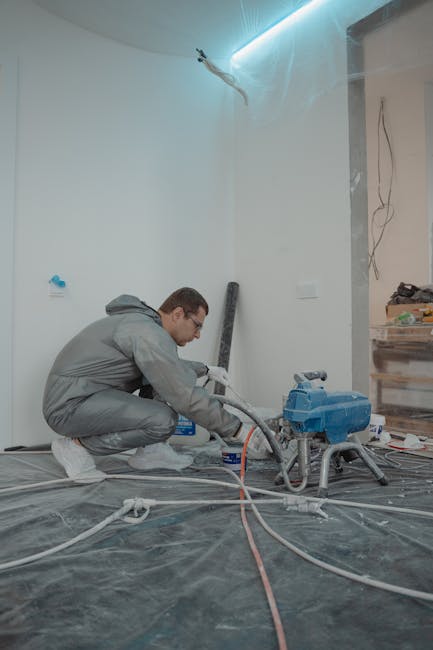
Before any work begins, the restoration crew conducts a safety assessment. Electricity is shut off to the affected area if standing water is present near outlets or appliances. The affected area is isolated from the rest of the home using physical barriers and negative air pressure to prevent contaminated particles and odors from spreading. All crew members put on appropriate PPE: Tyvek suits, rubber boots, waterproof gloves, and P100 respirators.
Phase 2: Contaminated Water Extraction
Standing Category 3 water is removed using truck-mounted or industrial-grade extractors. The water is pumped directly into a waste tank or sewer connection. It is never allowed to flow across uncontaminated areas. The crew takes care to avoid aerosolizing the water, which would spread airborne contaminants throughout the structure. Extraction typically takes one to four hours depending on the volume and layout.
Phase 3: Demolition of Contaminated Materials
All porous materials that came into contact with Category 3 water must be removed and disposed of as contaminated waste. This includes:
- Carpet, carpet padding, and area rugs that were wetted by black water. These cannot be effectively cleaned and must be removed.
- Drywall that was wetted by Category 3 water, typically removed to at least 24 inches above the water line or to the nearest structural interruption. The wall cavity is then cleaned and treated.
- Insulation in affected wall cavities, which acts as a sponge for contaminated water and must be fully removed and replaced.
- Baseboards, trim, and door casings that were in contact with the water, which are removed to allow drying of the framing behind them.
- Particle board, MDF, and laminate cabinetry or flooring that was wetted, which cannot be effectively sanitized.
Non-porous materials like concrete, tile, and metal can be cleaned and sanitized if they were exposed to Category 3 water, provided the cleaning is thorough and the materials dry completely.
Phase 4: Cleaning and Sanitizing
After demolition, all affected surfaces are cleaned and treated with EPA-registered antimicrobial and disinfectant solutions. This includes the exposed framing, subfloor, concrete slab, wall cavities, and any remaining structural elements. The cleaning process typically involves:
- HEPA vacuuming to capture fine particles
- Wiping all surfaces with disinfectant solution
- Applying antimicrobial treatment to prevent mold growth
- HEPA air scrubbing to capture airborne particles during and after the work
Phase 5: Structural Drying
After the contaminated materials are removed and the remaining structure is cleaned, the drying process begins. Industrial air movers and commercial dehumidifiers are placed to dry the exposed framing, subfloor, and concrete. In Category 3 situations, drying times are often longer than Category 1 because the affected structural members are fully exposed and the concrete or wood is often saturated from prolonged exposure. Drying typically takes 3 to 7 days, with daily moisture monitoring to confirm progress.
Phase 6: Post-Remediation Verification and Reconstruction
Once drying is complete, the crew performs a final inspection and moisture verification to confirm all materials are below acceptable moisture thresholds. Air quality testing may be performed to confirm that spore counts and contaminant levels are within normal ranges. At this point, the affected area is ready for reconstruction: new drywall, insulation, flooring, baseboards, and paint.
GOAT Home Services handles the full flood damage restoration process for Category 3 water damage throughout Dallas-Fort Worth, including water extraction, mold remediation, and reconstruction coordination.
Cost Considerations for Category 3 Water Damage
Category 3 water damage restoration is significantly more expensive than Category 1 or 2 because of the additional safety protocols, disposal requirements, and material replacement. The cost of water damage restoration in DFW varies based on the extent of contamination and the square footage affected, but Category 3 events typically cost more due to:
- Full PPE requirements for every crew member on site, which adds labor time and supply costs.
- Contaminated waste disposal fees for all removed materials, which cannot go to standard construction debris landfills in most cases.
- Complete material replacement rather than drying and saving. Every porous material that black water touched must be removed and replaced.
- Extended drying times for exposed structural members, which means more equipment running for more days.
- Post-remediation verification testing to confirm the area is safe for reoccupancy.
If you have flood insurance or a sewage backup endorsement on your homeowners policy, much of this cost is covered. If you do not have coverage, the out-of-pocket cost for Category 3 water damage restoration in a 500-square-foot affected area can range from $5,000 to $20,000 before reconstruction, with total costs including reconstruction often exceeding $30,000 for a whole-floor event.
How to Prevent Category 3 Water Damage in Your DFW Home
While not all Category 3 water events are preventable, DFW homeowners can take several practical steps to reduce their risk:
- Install a backwater valve on your main sewer line. This one-way valve allows sewage to flow out of your home but prevents it from flowing back in during a municipal system backup. A licensed plumber can install one for $500 to $1,500 depending on accessibility. For homes in neighborhoods with known sewer backup history, this is the single most effective prevention measure.
- Keep your gutters and downspouts clear and extend downspouts at least 5 feet from your foundation. Proper drainage prevents water from pooling against the foundation, which is the primary pathway for groundwater to enter a slab-on-grade home.
- Maintain positive grade around your foundation. The soil should slope away from your house at least 6 inches over the first 10 feet. If water flows toward your foundation when it rains, regrade the soil or add compacted fill.
- Have your sewer line inspected with a camera if your home was built before 1980 or if you have large trees near the sewer line. Tree root intrusion is the leading cause of sewer blockages in DFW. A $300 camera inspection every 3 to 5 years can identify problems before they cause a backup.
- Install a sump pump if you have a finished lower level or a basement that has ever taken on water. A battery-backup sump pump system costs $400 to $800 installed and can prevent thousands of dollars in flood damage.
- Verify your insurance coverage for sewage backup and flood. Check whether your homeowners policy includes a sewage backup endorsement and what the limit is. Consider adding flood insurance if you are in a flood-prone corridor or have ever experienced standing water near your foundation.
- Address slab cracks promptly if you notice them. Not every crack is structurally significant, but any crack that allows water entry needs to be sealed. In DFW's expansive clay soil, cracks that are harmless in dry weather can become active water pathways during heavy rain.
What to Do If You Suspect Category 3 Water in Your Home
If you believe there is Category 3 water in your home, follow these steps immediately:
- Do not enter the affected area. If the water is from sewage or floodwater, assume it is heavily contaminated. Keep children and pets away.
- Shut off electricity to the affected area if it is safe to do so from a dry location. If the water is near the electrical panel, call an electrician.
- Call a professional restoration company immediately. Category 3 water is not a DIY situation under any circumstances. We respond 24/7, 365 days a year. Call (469) 525-2254.
- Document the damage from a safe distance with photos and video for your insurance claim. Do not enter the water to get closer or frame a better shot.
- Call your insurance company to file a claim. Tell them you suspect Category 3 water damage and ask about your sewage backup or flood coverage. The adjuster will need to assess the damage, but the restoration crew should begin mitigation immediately. Most policies cover emergency mitigation even before the adjuster's inspection.
- Do not attempt to clean or dry anything yourself. Household cleaning products are not effective against Category 3 contaminants. Fans and dehumidifiers can aerosolize contaminants and spread them throughout your home. Leave the cleanup to professionals with proper equipment and training.
Frequently Asked Questions
How can I tell if water is Category 3?
You cannot tell by appearance alone. Clear water can still be Category 3 if it came from a sewage line or outside floodwater. The source determines the category. If the water came from a toilet (especially if it contained solid waste), a sewer line, a river or creek, or has been standing for more than 72 hours, treat it as Category 3.
Can Category 2 water become Category 3?
Yes. IICRC standards recognize that gray water (Category 2) can degrade to black water (Category 3) if left untreated. This typically occurs within 48 to 72 hours in standard conditions and faster in warm, humid environments. In a DFW summer, Category 2 water can reach Category 3 contamination levels in as little as 48 hours.
Does homeowners insurance cover Category 3 water damage?
It depends on the source. Sudden internal sources like a failed toilet or sewage backup are typically covered (often with a separate endorsement and sub-limit). Floodwater entering from outside requires a separate flood insurance policy. Review your policy or call your agent to confirm what is covered before damage occurs.
Can Category 3 water damage make my family sick?
Yes. Category 3 water carries bacteria, viruses, and parasites that can cause serious illness. Do not enter the affected area without proper PPE. If you have been exposed, wash thoroughly with soap and clean water, and monitor for symptoms. Seek medical attention if you develop fever, nausea, vomiting, diarrhea, or skin infections.
How long does it take to restore a home after Category 3 water damage?
The extraction and demolition phase takes 1 to 3 days. Drying takes 3 to 7 days. Reconstruction after drying (new drywall, flooring, paint, baseboards) takes 2 to 6 weeks depending on the extent of damage and contractor availability. The total timeline from emergency call to finished reconstruction is typically 4 to 10 weeks.
Is it safe to stay in my home during Category 3 restoration?
During the extraction, demolition, and drying phases, it is generally not safe to occupy the affected area or the immediately adjacent spaces. The containment and negative air pressure systems separate the work zone from the living area, but the equipment is loud, runs 24/7, and the disinfectants used can be irritating. For whole-floor Category 3 events, temporary relocation is strongly recommended. Talk to your insurance company about whether they will cover temporary housing under your policy's loss-of-use coverage.
The Bottom Line on Category 3 Water Damage
Category 3 water damage is the most serious classification of residential water damage. It carries real health risks, requires stringent safety protocols, costs significantly more to remediate, and demands professional equipment and training that is not available to homeowners. The key to minimizing cost and disruption is understanding what Category 3 water is, knowing whether your insurance covers it, and acting immediately when it happens.
If you have any standing water in your home and you are not sure what category it is, the safe assumption is Category 3 until a professional tells you otherwise. Do not enter the water. Do not try to clean it. Do not turn on fans. Call a professional restoration company and let them assess and contain the situation.
GOAT Home Services provides Category 3 water damage restoration throughout Dallas-Fort Worth. We respond 24/7 with a target arrival time of 60 minutes. Our crew holds IICRC certifications in water damage restoration and applied structural drying. We work directly with your insurance company to document the scope and manage the claim from start to finish, whether it is a flood claim or a homeowners claim. We also handle storm damage restoration and water extraction across the entire DFW metroplex. Call (469) 525-2254 for a free assessment. No obligation. No hidden fees. Just a straight answer about what your restoration will cost and how long it will take.