
Quick Answer
Ceiling water damage repair in DFW costs $300 to $15,000. What drives the price, what insurance covers, and when to call a pro in Dallas, Plano, or Frisco.
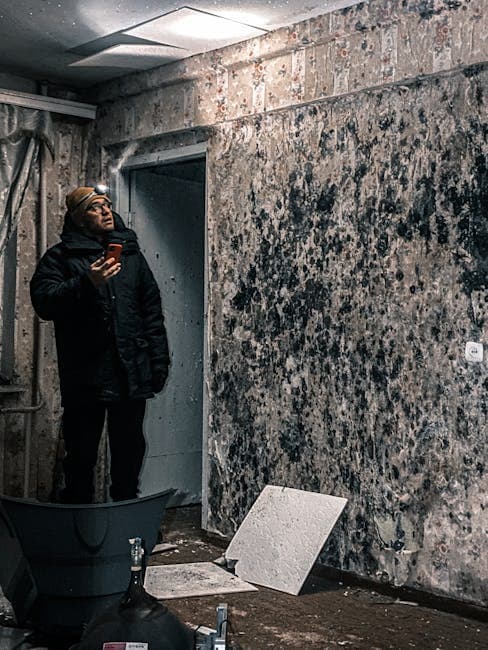
That brownish-yellow stain spreading across your ceiling did not appear overnight. It started as a slow drip from an AC condensate line, a pinhole leak in a supply line above the bathroom, or runoff from a flashing gap where the roofer missed a spot. By the time you see the discoloration, the drywall is already saturated, the paint is compromised, and the clock is ticking on mold growth.
We are GOAT Home Services, and we have walked into hundreds of DFW homes with ceiling water damage. Some homeowners catch it early and pay a few hundred dollars for a patch and repaint. Others wait until the ceiling sags, the texture blisters, or the stain doubles in size after the next rain. Those jobs run into the thousands. Here is what ceiling water damage repair actually costs in Dallas-Fort Worth, what drives the price, and how to know which category you are in.
What Determines the Cost of Ceiling Water Damage Repair
No two ceiling repairs cost the same, but the price range breaks down into four main factors. The size of the damaged area matters most. A stain the size of a dinner plate (12-18 inches across) usually means the drywall behind it is wet in a much larger radius, often 3-4 feet. Water wicks through the paper facing of drywall, so what looks small on the surface is almost always bigger underneath.
The second factor is the leak source. An AC condensate drain line clog that has been dripping for weeks causes slower, more widespread saturation than a sudden pipe burst. The third factor is ceiling finish. Flat paint is cheap to match. Orange peel, knockdown, or skip-trowel texture costs more because it requires a texture specialist. Popcorn ceilings, common in DFW homes built before the early 2000s, add time and cost because the texture is difficult to match and may contain asbestos.
The fourth factor is secondary damage. If the leak has been active for more than 48 hours, mold may have started colonizing the back side of the drywall. That turns a simple cut-and-patch into a mold remediation job, which changes the scope and the price entirely.
Ceiling Water Damage Repair Cost by the Numbers
The table below breaks down typical ceiling water damage repair costs across DFW. These are ranges based on industry-standard pricing for North Texas, reflecting local labor rates and material costs. Your actual cost depends on your specific situation, but this gives you a realistic starting point for planning.
| Repair Scenario | Typical Area | Cost Range (DFW) | What It Includes |
|---|---|---|---|
| Minor stain, patch and paint | 2 ft x 2 ft | $300 - $600 | Cut out wet drywall, patch, tape, mud, texture match, prime, paint |
| Moderate damage, larger patch | 4 ft x 4 ft | $600 - $1,200 | Cut out affected area, replace drywall, tape, mud, texture, paint entire ceiling |
| Major damage, full room section | 8 ft x 8 ft or more | $1,200 - $3,000 | Remove and replace large drywall section, insulation check, texture, prime, paint |
| Active leak repair + ceiling fix | Variable | $1,500 - $5,000 | Stop the leak (plumbing/roof repair), dry out structure, replace drywall, finish work |
| Water extraction + ceiling repair | Room-wide | $3,000 - $8,000 | Emergency water extraction, structural drying, mold check, drywall replacement, full paint |
| Mold remediation + ceiling repair | Variable | $4,000 - $15,000 | Mold containment and removal, HEPA air scrubbing, drywall replacement, texture, paint |
The most common scenario we see in DFW homes is the middle tier: a 4 ft x 4 ft section of ceiling drywall that needs replacement after an AC drain line clog has been leaking for 3-7 days. That typically lands between $800 and $1,200 by the time you factor in texture matching and painting the entire ceiling so it does not have a patchy look.
Insurance Coverage: What Gets Paid and What Does Not
Whether insurance covers your ceiling water damage repair depends entirely on the cause of the leak. This is the single most misunderstood part of the process among DFW homeowners, and getting it wrong can cost you thousands.
Standard homeowner policies (HO-3) cover sudden and accidental water damage. If a pipe bursts suddenly and floods your ceiling, the repair is typically covered minus your deductible. If an AC drain line clogs and overflows gradually, most policies consider that a maintenance issue and deny the claim. The distinction is between sudden and gradual, and insurance companies are aggressive about making this call.
Here is what we tell every DFW homeowner before they file: call a restoration company first, not your insurance agent. We can assess the damage, identify the cause, and give you an honest answer about whether the claim is likely to be covered. Filing a claim that gets denied still goes on your CLUE report and can raise your premiums. our insurance claims guide covers the full filing process step by step.
DIY Ceiling Repair vs Hiring a Professional
Some ceiling water damage repairs are DIY-friendly. A small stain from an old leak that has already been fixed and dried out completely can be spot-repaired with a patch kit, spackle, and paint. Homeowners who are comfortable with drywall work can handle patches under 2 ft x 2 ft for under $100 in materials.
But here is where DIY stops making sense. If the drywall feels soft or spongy to the touch, the paper facing has delaminated and the structural integrity is gone. Cutting that out and replacing it properly requires matching the ceiling texture, which is harder than it looks. A bad texture match is visible from across the room.
If the leak is still active, you cannot repair the ceiling until the source is stopped and the cavity is fully dried. Skipping the drying step traps moisture behind the new drywall, which guarantees mold growth within weeks. Professional water damage restoration includes moisture meters, thermal imaging cameras, and industrial air movers and dehumidifiers that pull moisture out of wall cavities in 2-3 days instead of the 2-3 weeks passive air drying would take.
If there is any chance the water is contaminated (sewage backup, floodwater from a storm, or water that has been sitting for more than 48 hours), DIY is not safe. Category 2 (gray water) and Category 3 (black water) require professional protective equipment and antimicrobial treatment.
What Professional Ceiling Water Damage Repair Looks Like
When we arrive at a DFW home for a ceiling water damage call, the process follows a consistent sequence. First, we identify and stop the leak source. If it is an AC drain line, we clear the clog and clean the drip pan. If it is a plumbing leak, we shut off the water to that line and call in a plumber if needed. If it is a roof leak, we tarp the affected area until the roofer can make permanent repairs.
Second, we assess the damage extent. We cut a small inspection hole if needed to check the back side of the drywall and the insulation above it. We use a moisture meter to map the wet area, which is always larger than the visible stain. We check for mold growth with a visual inspection and, if warranted, an air quality test.
Third, we set up drying equipment. This means air movers directed at the wet area, a dehumidifier in the room, and sometimes injection drying if water has traveled along the ceiling joists. We monitor moisture levels daily until the wood and drywall reach dry standards (usually below 15% moisture content on wood, below 1% on drywall).
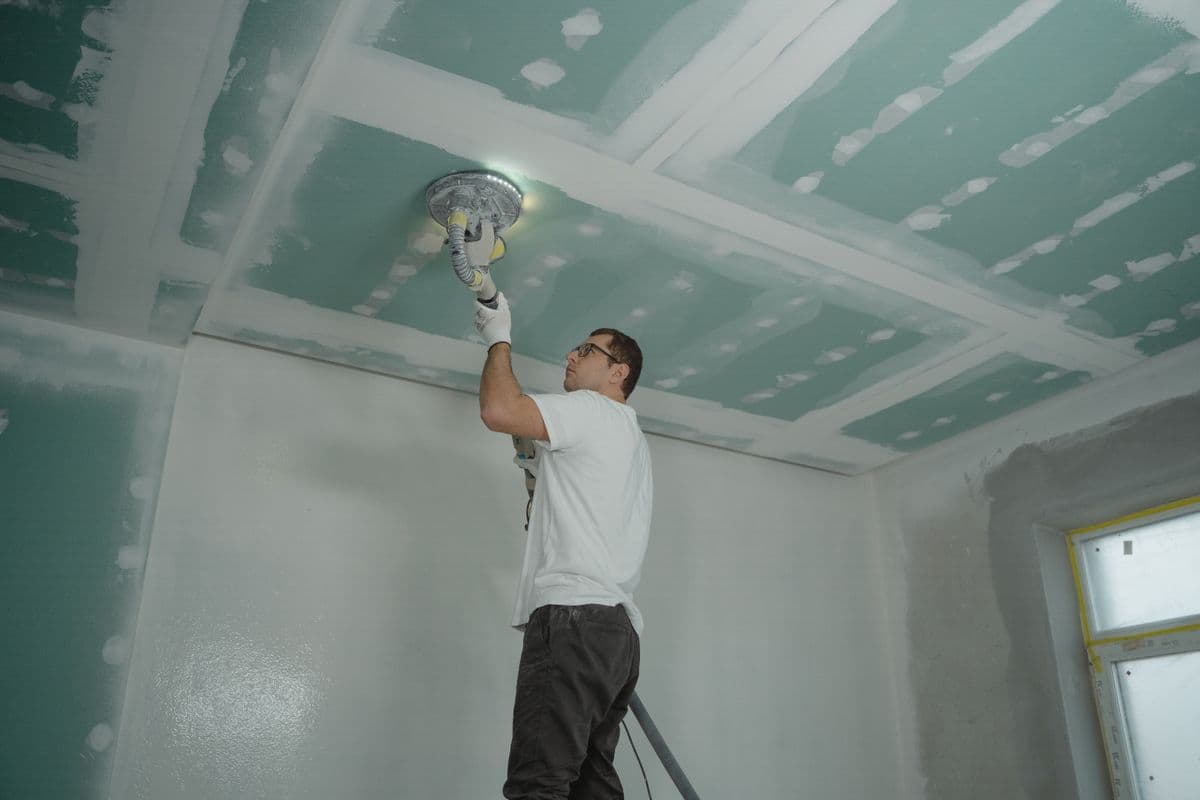
Fourth, once the structure is dry, we cut out the damaged drywall, install new board, tape the seams, apply joint compound in three coats with drying time between each, sand smooth, and apply primer. Finally, we texture the repair to match the existing ceiling finish and paint the entire ceiling surface so the repair is invisible.
The entire process from arrival to finished paint typically takes 5-10 days, depending on drying time, the number of mud coats needed, and the complexity of the texture match.
Preventing Ceiling Water Damage in Your DFW Home
The best repair is the one you never need. Ceiling water damage in DFW follows predictable patterns, and most of it is preventable with routine maintenance.
AC condensate drain lines should be flushed with a vinegar solution or a commercial pan tablet every month during summer. Pour a cup of distilled white vinegar down the access tee near the air handler, let it sit for 30 minutes, then flush with water. This prevents the algae and slime buildup that causes clogs.
Check your attic for stains or discoloration on the underside of the roof sheathing after every heavy rain. DFW storms can drive water through flashing gaps, compromised shingles, or chimney cricket failures. Catching a roof leak early means a $500 repair instead of a $3,000 ceiling restoration.
Inspect visible plumbing supply lines in the attic, especially in homes built before 2000. The brass fittings on older CPVC and galvanized pipes corrode over time and develop pinhole leaks. A slow drip from a pinhole leak can saturate attic insulation and ceiling drywall over weeks without any visible sign downstairs until the stain finally breaks through.
If you have a two-story home, check the ceiling below every bathroom on the second floor at least twice a year. Bathroom exhaust fans that vent into the attic instead of outside dump warm, moist air directly into the attic space, creating condensation on the underside of the roof deck that can mimic a leak. This is a common issue in DFW homes from the 1990s and 2000s that were built with improperly terminated fan vents.
Frequently Asked Questions About Ceiling Water Damage Repair Costs
Does homeowners insurance cover ceiling water damage repair?
It depends on the cause. Sudden and accidental damage (burst pipe, sudden appliance failure) is typically covered. Gradual damage from maintenance issues (slow AC drain line leak, long-term roof deterioration) is usually excluded. Always check with your carrier and consider having a restoration professional assess the cause before filing a claim.
How long does ceiling water damage repair take?
A small patch and paint can take 2-3 days if the area is already dry. A full repair involving drying, drywall replacement, texture matching, and painting typically takes 5-10 days from start to finish. Most of that time is waiting for joint compound to dry between coats.
Can I just paint over a water stain on my ceiling?
Only if the leak has been fully repaired, the drywall is completely dry, and there is no mold growth. Even then, you need to use a stain-blocking primer (Kilz or similar) or the tannins in the water stain will bleed through the new paint within weeks. If the drywall is soft, painting over it will not fix the problem.
What is the most common cause of ceiling water damage in DFW?
AC condensate drain line clogs are the number one cause of ceiling water damage in DFW homes during summer. The second most common cause is flashing failures around roof penetrations (chimneys, vents, skylights) during thunderstorm season. Slab leaks and supply line failures are less common but more expensive when they happen in DFW homes.
How do I know if my ceiling drywall needs to be replaced or just painted?
Press gently on the stained area. If the drywall feels soft, spongy, or flexes under pressure, it has delaminated and needs to be cut out and replaced. If it feels firm and dry, and the stain is from an old leak that has been fully repaired, you may be able to prime and paint over it after checking for hidden moisture with a meter.
Will ceiling water damage cause mold in my DFW home?
Yes, if the moisture is not fully dried within 48 hours. DFW's humid climate (60-75% average humidity in summer) slows natural drying and creates ideal conditions for mold colonization inside wall and ceiling cavities. Mold can colonize wet drywall within 24 hours in our climate. Professional drying is the only reliable prevention.