
Quick Answer
A ceiling water stain means moisture is pooling above in your DFW home. Learn the 3 most common causes, how to check, and when to call a professional.
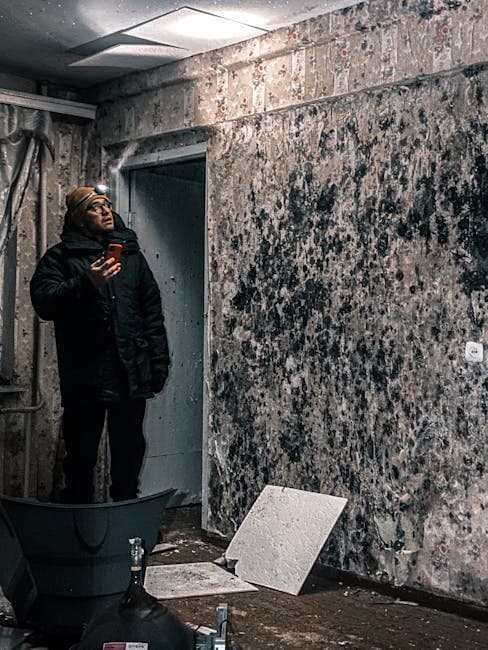
You look up and there it is. A brownish, yellowish, or copper colored patch spreading across your ceiling. Maybe it appeared after the last storm. Maybe it has been growing slowly for weeks and you finally noticed it. Either way, a water stain on your ceiling is never something to ignore. In our experience across Dallas, Plano, Frisco, and the surrounding metroplex, what looks like a small cosmetic issue is almost always a sign of moisture pooling where it should not be. And the longer you wait, the more expensive the fix.
The Signs: What You Are Actually Seeing
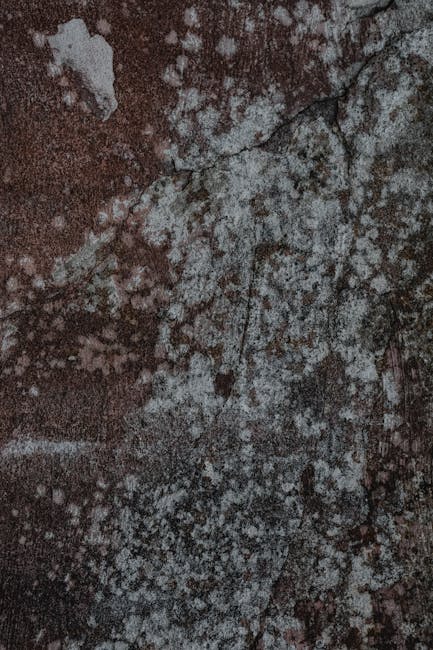
A ceiling water stain is not the problem itself. It is a symptom. The stain forms when water saturates drywall from above and carries dissolved minerals, dirt, or rust to the visible surface as it dries. What you are looking at is the residue left behind after the water evaporated. That means the water has already been there long enough to soak through, and in many DFW homes, that is long enough for secondary damage to begin.
The color of the stain gives you clues. Brown or yellowish stains usually point to a roof leak or plumbing leak where water picks up wood tannins, insulation residue, or rust from metal fasteners. Copper or green stains often mean a pinhole leak in a copper pipe. Dark stains with concentric rings, like rings on a tree stump, tell you this has been happening in cycles: water pools, dries, pools again. Each ring is a separate event.
If the stain feels wet or soft to the touch, water is actively pooling above you right now. If it is dry but the stain is growing, moisture is still present in the ceiling cavity. Either way, you need to act.
What Is Actually Happening Behind the Scenes
Water above a ceiling does not stay put. It spreads laterally along drywall, follows joists, drips onto insulation, and can travel several feet from the original entry point before showing up as a stain. The actual leak source is rarely directly above the stain. In DFW homes, we commonly find the source is a bathroom plumbing leak, an AC condensate drain clog, or a roof penetration, and the stain shows up 3 to 6 feet away where the ceiling joists direct the flow.
The hidden risks are what make ceiling water stains worth addressing immediately:
- Mold colonization: Mold spores are present in virtually every home. When drywall stays wet for 24 to 48 hours, those spores germinate and begin colonizing the material. The mold grows inside the ceiling cavity long before you see it on the surface.
- Insulation degradation: Wet fiberglass batt insulation loses its R-value. Once saturated, it compresses under its own weight and never recovers. Cellulose insulation is even worse: it absorbs water like a sponge and holds it against framing for days.
- Structural weakening: Drywall is gypsum between paper facing. When it gets wet, it loses structural integrity. A waterlogged ceiling can collapse without warning. If you see bulging or sagging along with the stain, do not stand beneath it.
- Electrical hazard: Many DFW homes built in the 1970s through 1990s have wiring run through ceiling joist bays. Water and electricity in the same cavity is a serious safety risk.
In North Texas specifically, our climate adds another layer to the problem. Summers with 70 to 85 percent humidity mean a damp ceiling cavity has almost no chance of drying on its own. The moisture stays trapped, and the damage compounds.
The 3 Most Common Causes in DFW Homes
After years of responding to ceiling water damage calls across the metroplex, we see the same causes repeating. Here are the three most common in DFW homes, ranked by frequency:
1. Air Conditioner Condensate Drain Clogs
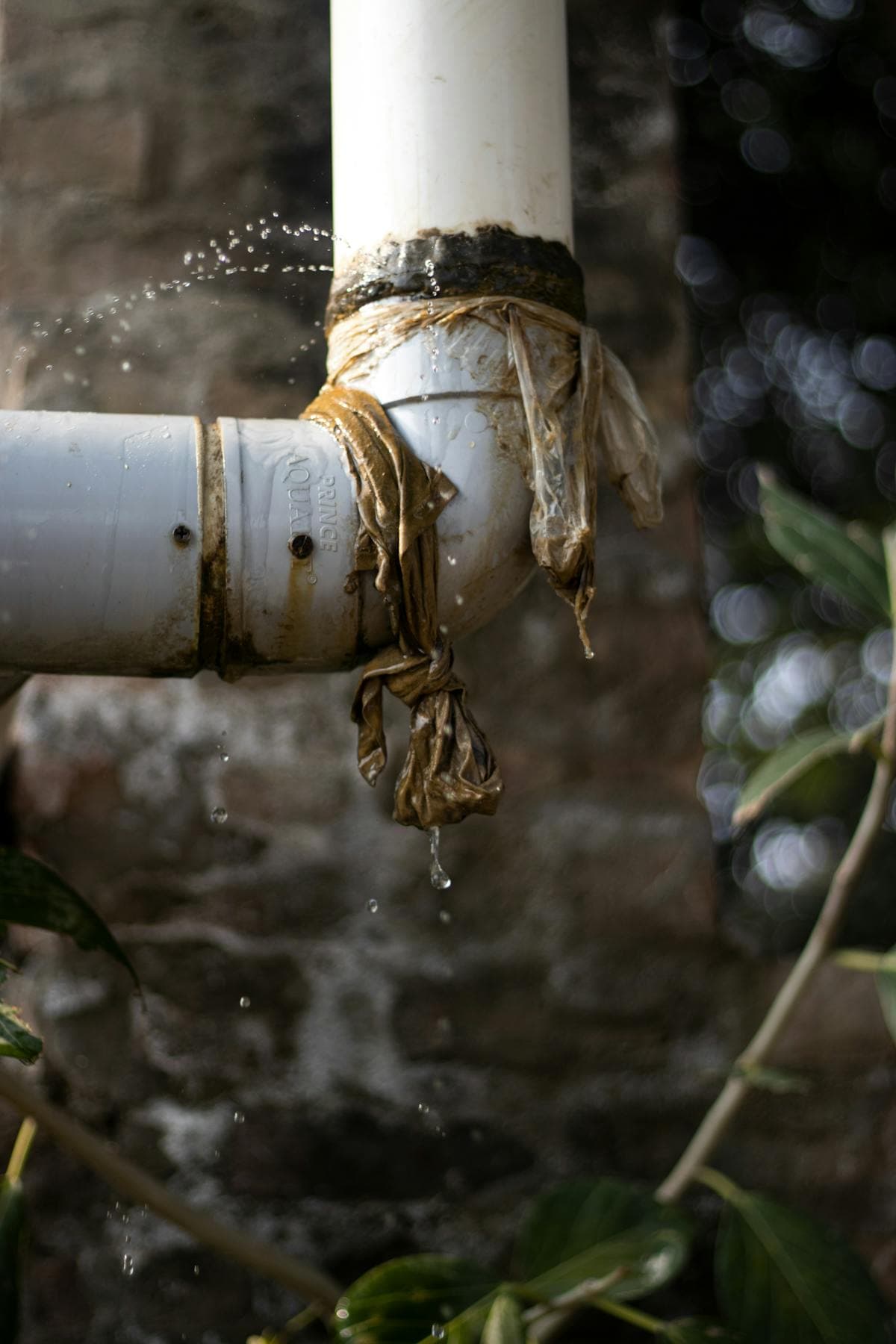
This is the number one cause of ceiling water stains we see in Texas homes. Your AC unit produces gallons of condensate every day during a DFW summer. That water drains through a PVC line that runs from the air handler, often through the attic, to the outside. Over time, algae and debris clog that line. When it backs up, water overflows the drain pan and soaks into the ceiling below. The stain usually shows up in a hallway or closet ceiling near where the air handler sits in the attic. If your AC has been running hard and you notice a new stain, check the drain pan first. Pour a cup of white vinegar down the drain line every spring to help prevent clogs.
2. Bathroom Plumbing Leaks
If the water stain is on a first floor ceiling directly below a second floor bathroom, the bathtub drain seal, toilet wax ring, or a supply line fitting is the likely culprit. These leaks are often slow and intermittent: you only see the stain after someone takes a shower upstairs. The water follows the plumbing penetration through the subfloor and spreads across the ceiling drywall below. In DFW homes built on expansive clay soil, foundation movement over time can crack drain fittings and pull supply lines just enough to start a slow drip. This is especially common in neighborhoods in Garland, Richardson, and older parts of Plano where foundation settling is widespread.
3. Roof Leaks at Penetrations
Every vent pipe, chimney, skylight, and exhaust fan that penetrates your roof is a potential entry point for water. The rubber boot around vent pipes degrades in the Texas sun after 10 to 15 years. Flashing around chimneys separates as the house settles. During DFW's spring storm season, when we can get 2 to 4 inches of rain in a single afternoon, these small gaps let water in. The water runs along a rafter or truss, drips onto the ceiling drywall, and shows up as a stain that grows after every heavy rain. If your stain only appears after storms and dries out between rain events, you are almost certainly looking at a roof penetration leak.
How to Investigate a Ceiling Water Stain Yourself
Before you call us, there are a few things you can check that will help identify the source and scope. None of these require special tools, and all of them give you useful information.
- Go into the attic. If you have access above the stained ceiling, put on a dust mask and crawl to the area directly above the stain. Bring a flashlight. Look for wet insulation, water pooling on the drywall from above, drips from roof sheathing, or a full AC drain pan. What you see up there tells you whether this is an active leak or an old stain.
- Check the floor above. If there is a bathroom, kitchen, or laundry room directly above the stain, inspect the fixtures in that room. Run the shower and flush the toilet while watching for new water at the stain below. Check for soft flooring, loose tiles, or a rocking toilet, all signs of a slow subfloor leak.
- Document with photos. Take clear photos of the stain from multiple angles, including close-ups that show the color and edge detail. Include a ruler or tape measure in at least one photo for scale. If the stain changes after rain or after running a specific fixture, take another photo. This documentation helps both you and any professional who follows up.
- Check for mold smell. Get close to the stain and smell the area. A musty, earthy odor suggests mold is already present in the ceiling cavity. If you smell it but cannot see mold on the surface, it is growing on the back side of the drywall.
- Monitor for 24 to 48 hours. Mark the edges of the stain lightly with a pencil. Check again the next day. If the stain has grown beyond your marks, water is still entering the cavity and you have an active problem that will not fix itself.
When You Can Handle This Yourself
There are limited situations where a ceiling water stain is a DIY fix. Here is our honest assessment of when you can handle it without professional help:
- One-time event, small stain, dry ceiling. If you had an overflowing bathtub or a spilled bucket upstairs, the stain is small (under 6 inches across), the ceiling is dry and firm to the touch, and you caught it within a few hours, you can likely handle this. Use a stain blocking primer like Kilz or Zinsser to seal the stain after the area has been dry for at least 48 hours, then repaint.
- AC drain clog caught immediately. If you identified a clogged condensate line as the cause, cleared the clog, the drain pan was not overflowing for more than a day, and the ceiling feels dry and firm, monitor it. If no new staining appears within a week, prime and paint.
The key test is the touch test. Press on the stained area with your finger. If it feels firm and dry, the damage is cosmetic. If it feels soft, spongy, or damp, the drywall is compromised and the cavity behind it needs professional attention.
When to Call GOAT Home Services
Most ceiling water stains we see in DFW homes fall on the professional side of the line. Here are the specific situations where you should call us immediately:
- The stain is growing. If your pencil marks are being overtaken, water is actively entering the cavity.
- The ceiling feels soft, spongy, or damp. The drywall core has absorbed water and lost structural integrity.
- The stain covers more than a square foot. Large stains mean significant water volume ran through the ceiling. The insulation above is almost certainly soaked and needs replacement.
- The ceiling is sagging or bulging. This is a collapse risk. Stay out of the room and call us immediately. A waterlogged ceiling can drop without warning.
- You smell mold. If there is a musty odor coming from the stain area, mold is already growing in the cavity. Painting over it traps the spores and makes the eventual remediation more extensive.
- The stain returned after you painted over it once. That means the water source was never fixed. You are now dealing with multiple cycles of wetting and drying, which accelerates material degradation.
- You cannot identify the source. If you have checked the attic, the floor above, and your AC drain, and you still do not know where the water is coming from, you need professional diagnostic tools.
We would rather you call us and have us tell you it is minor than have you wait three weeks and find out the ceiling joists are rotting. A diagnostic visit is fast and gives you certainty.
What to Expect When We Arrive
When you call GOAT Home Services about a ceiling water stain, here is what happens:
- Moisture mapping. We use thermal imaging cameras and pin type moisture meters to trace the water path through the ceiling. This shows us exactly how far the moisture has spread, often revealing a much larger affected area than the visible stain suggests.
- Source identification. We locate the water source, whether it is a pinhole pipe leak, a failed roof boot, or an overflowing AC pan. Fixing the stain without fixing the source just guarantees the stain comes back.
- Category determination. We classify the water by the IICRC standard: Category 1 (clean water), Category 2 (gray water with contaminants), or Category 3 (black water, grossly contaminated). The category determines the remediation approach and what materials can be saved versus what must be removed.
- Containment. If mold is present, we set up containment to prevent spores from spreading to the rest of your home during remediation.
- Water extraction and drying. We remove standing water and set up commercial air movers and dehumidifiers to dry the cavity and surrounding materials to the IICRC dry standard, typically within 3 to 5 days.
We serve the full Dallas-Fort Worth metroplex including Dallas, Plano, Frisco, McKinney, Arlington, Garland, Richardson, Allen, Carrollton, Lewisville, Flower Mound, and every city in between. Our average response time is under 60 minutes for water emergencies. Call (469) 525-2254 24 hours a day, 7 days a week.
A ceiling water stain is never just a cosmetic issue. It is your house telling you something is wrong. Listen to it early, and the fix is measured in hundreds of dollars and a few days of drying. Wait until the ceiling sags or the mold spreads, and the same problem becomes a major remediation project. We have seen both scenarios enough times to know: the stain is the cheap warning sign. It is what you do about it that determines the cost.