

Quick Answer
AC condensate drain clogs are the leading cause of summer ceiling water damage in DFW homes. How to spot a clogged drain line, unclog it yourself, and prevent $3,000+ water damage restoration bills.
If you live in Dallas-Fort Worth and you see a new water stain on your ceiling during summer, there is roughly a 50 percent chance your air conditioner caused it. Not a roof leak. Not a burst pipe. Your AC.
Every air conditioner in North Texas produces gallons of condensate per day during summer. When outdoor temperatures hit 100 degrees and your AC runs 14 to 18 hours a day, a single system can generate 10 to 20 gallons of water in 24 hours. That water drains through a PVC line from the air handler to the outside. And when that line clogs, the water backs up, overflows the drain pan, and soaks into your ceiling, walls, and floors.
In our experience responding to water damage calls across Dallas, Plano, Frisco, McKinney, and the entire metroplex from May through September, the AC condensate drain is the single most common cause of interior water damage during summer. Not storms. Not plumbing failures. The AC unit you depend on to survive a Texas summer. This guide covers why it happens, how to spot it, how to fix it, and how to prevent it from ever happening to you.
Why DFW Homes Are Especially Vulnerable
This problem is not unique to Texas, but it is worse here for several reasons:
- Extended cooling season: DFW air conditioners run from April through October, often 8 months straight. The longer the system runs, the more condensate it produces, and the more chances for a clog to develop. A house in Minnesota runs its AC maybe 3 months a year. A house in Dallas runs it 8 months.
- High humidity: DFW summer humidity averages 70 to 85 percent. High-humidity air contains more moisture, which means more condensate. On a 95-degree day with 70 percent humidity, your AC can produce 50 percent more condensate than on a dry 95-degree day.
- Attic-installed air handlers: Many DFW homes, particularly in suburbs built in the 1980s through 2000s like Plano, Frisco, McKinney, and Carrollton, have the air handler in the attic. When the condensate drain clogs on an attic unit, the water overflows directly onto the ceiling drywall below. You get a ceiling stain before you even know there is a problem.
- Algae growth in drain lines: The combination of warm temperatures, moisture, and dark PVC pipes creates ideal conditions for algae and slime to grow inside the drain line. This biological buildup is the primary cause of clogs in DFW homes, not debris or insects.
- Expansive clay soil settling: DFW's black clay soil expands and contracts with moisture changes, which over years can shift the foundation and change the slope of the drain line. A drain line that originally had proper slope can develop low spots or reverse slope over time, making it prone to clogging.
How Much Water Are We Talking About?
Understanding the volume helps explain why a clogged drain line causes so much damage quickly. A typical 3-ton residential AC system in DFW produces approximately:
- 10 to 15 gallons per day on a moderate summer day (90 degrees, 60 percent humidity)
- 15 to 20 gallons per day on a hot, humid day (100 degrees, 70 percent humidity)
- 400 to 600 gallons over a typical 30-day summer month
When that volume of water has nowhere to go because the drain line is clogged, the drain pan fills up. Most residential drain pans hold between 1 and 3 gallons. Once the pan overflows, every minute that passes means more water soaking into your ceiling, insulation, and drywall. A drain pan overflow that runs unnoticed for 2 to 3 hours can dump 5 to 10 gallons of water into your home. That is enough to saturate a 4-foot by 4-foot section of ceiling, soak through to the insulation, and start wicking down interior walls.
The 3 Warning Signs of a Clogged AC Drain Line
Most homeowners do not notice a clogged drain line until they see a ceiling stain. But there are earlier warning signs if you know what to look for:
1. Water Pooling Around the Indoor Unit or in the Pan
If you have access to your air handler, check the drain pan. If there is standing water in the pan when the AC has been running, the drain line is at least partially clogged. A properly draining system should have no standing water in the pan. The water should drain out as fast as it condenses. This is the earliest and most reliable warning sign. In attic-installed units common in Plano and Frisco homes, check the pan at least once a month during summer. Most pans have a float switch that shuts the system off when the pan gets too full, but these switches fail, and many older systems do not have them at all.
2. No Water Dripping from the Exterior Drain Pipe
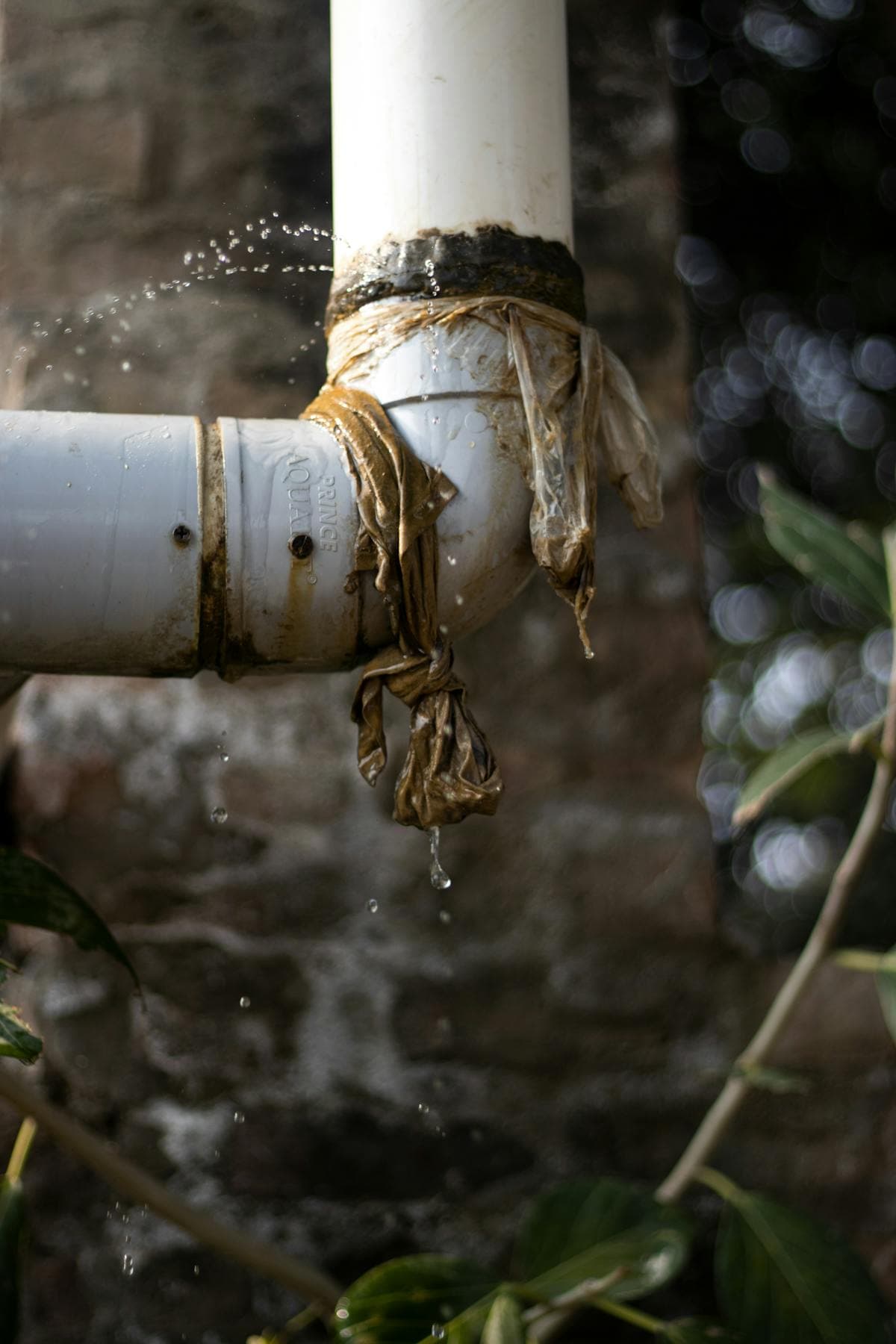
Find where your AC condensate drain exits the house. It is a PVC pipe, typically 3/4 inch in diameter, that comes out of an exterior wall near the AC unit or air handler. During summer, there should be a steady drip or trickle of water coming from this pipe when the AC is running. If there is no water coming out but the AC has been running for 30 minutes or more, the line is clogged. The water is backing up somewhere inside the system. Find and fix this before it becomes a ceiling stain.
3. A New Ceiling or Wall Stain Near the Air Handler
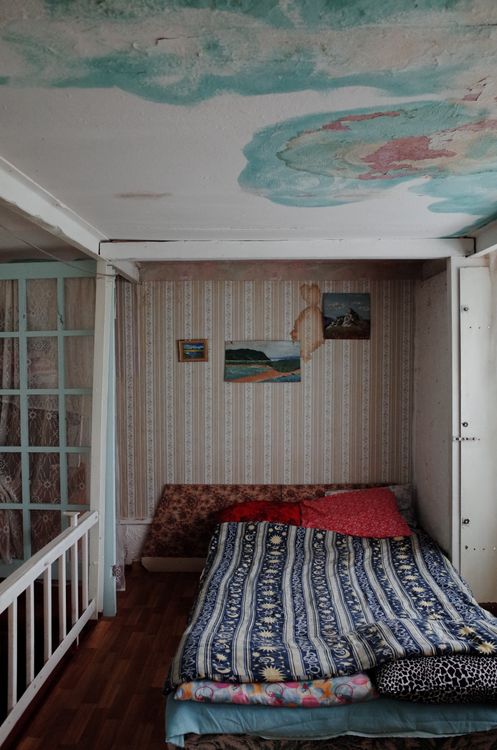
If you see a new water stain on a ceiling or wall directly below or near where your air handler sits, a clogged drain line is the most likely cause. In DFW homes with attic air handlers, the stain typically appears on the ceiling of a hallway, closet, or utility room directly beneath the unit. If the stain is in a first-floor ceiling directly below a second-story air handler, the cause is almost certainly a clogged condensate drain. Do not assume it is a roof leak just because it is on the ceiling. Check your AC drain line first.
How to Unclog Your AC Drain Line Yourself
If you catch a clog before it causes damage, clearing it yourself takes about 15 minutes and requires nothing more than a wet/dry vac or a few dollars in supplies. If you already have water damage from an overflow, skip to the next section and call a professional.
Method 1: Wet/Dry Vac (Most Effective)
- Turn off your AC system at the thermostat. Let it sit for 5 minutes so the drain pan stops filling.
- Locate the drain line access point. Most systems have a T-fitting with a removable cap near the air handler where you can access the drain line. This is the secondary drain port or service port.
- Remove the cap and attach your wet/dry vac hose to the opening. Use duct tape to create a seal if the fit is loose. A shop vac adapter, available at any hardware store for $5, creates a better seal.
- Run the vac for 2 to 3 minutes. You will hear the clog clear and see water and algae sludge being pulled through the line.
- Flush the line afterward by pouring a gallon of water mixed with 1 cup of white vinegar down the access port. Let it drain completely.
- Turn the AC back on and verify water is dripping from the exterior drain pipe within 15 minutes.
Method 2: Manual Flush (No Shop Vac)
- Turn off the AC system.
- Remove the drain line cap at the access point near the air handler.
- Use a wet/dry vac attachment or a small brush to clear visible debris from the opening.
- Pour a mixture of 1 part white vinegar to 2 parts hot water down the drain line. Use a funnel. Do not use bleach — it is corrosive to PVC over time and can damage the drain pan.
- Wait 30 minutes for the vinegar solution to break down algae and slime.
- Flush with clean water and check that it drains freely out the exterior pipe.
- Turn the AC back on and verify drainage.
Important: Do not use chemical drain cleaners like Drano or Liquid Plumber in your AC drain line. They are too aggressive for PVC and can damage the drain pan, evaporator coil, and condensate pump if you have one. White vinegar is the right choice. It is acidic enough to break down biological buildup but safe for all AC components.
Method 3: Compressed Air (Risky but Fast)
If you have an air compressor, you can blow the clog out from the exterior drain opening. Set the regulator to 30 PSI maximum, higher pressure can burst the PVC pipe or blow apart glued joints. Seal the nozzle against the exterior drain opening and give it a short burst. You will hear the clog clear. This method works but carries risk of blowing the clog deeper into the line or damaging connections. Only use this if the vac method did not work.
When a Clog Has Already Caused Water Damage
If you are past the prevention stage and already have a ceiling stain, wet drywall, or standing water in your home from an AC drain overflow, here is what to do:
- Turn off the AC. Stop the water source. Leave it off until the drain line is cleared and the overflow has been addressed. Running the AC while the drain is clogged will only make the damage worse.
- Turn off power to the air handler. If water has been leaking near or into the air handler, electrical components could be compromised. Shut off the breaker for the AC system.
- Move anything valuable out of the affected area. Furniture, electronics, documents. Even if they are not wet yet, the moisture will spread.
- Document the damage. Take photos and video of the stain, the wet area, and the drain pan before moving or cleaning anything. This is your insurance record.
- Clear the drain line using one of the methods above.
- Call a professional for the water damage. Ceiling drywall that has been saturated needs to be removed and replaced. Attic insulation that got wet needs to be removed and replaced. If the water sat for more than 24 hours, there is a mold risk that requires professional assessment. Learn about our mold remediation services.
Do not assume that clearing the drain line and letting the ceiling dry naturally is sufficient. In DFW's summer humidity, wet drywall does not dry on its own. The moisture stays trapped, the paper facing on the drywall begins to break down, and mold colonization begins within 24 to 48 hours. If the stain covers more than a dinner plate, you need professional drying equipment. Read our guide on what to do after water damage for the full process.
How Much Does AC Drain Line Water Damage Cost?
The cost depends entirely on how long the overflow ran before you caught it:
- Caught early (stain only, drywall still firm): Minor. Clear the drain, dry the area with fans and a dehumidifier, paint over the stain with stain-blocking primer. Under $100 if you do it yourself.
- Moderate (drywall soft, visible water damage): Cut out and replace affected drywall, remove and replace wet insulation, dry the framing. $500 to $2,000 depending on the size of the affected area.
- Severe (multiple rooms affected, water in walls, mold present): Full water extraction, structural drying equipment, drywall and insulation replacement, mold inspection and remediation. $3,000 to $10,000+. This is the scenario when the overflow ran unnoticed for days or weeks.
Homeowners insurance typically covers water damage from a sudden AC drain line clog. It is considered a covered peril under most HO-3 policies as sudden and accidental water damage. However, insurance will not cover gradual damage from a long-term clog that you should have noticed. If you have visible warning signs ignored for weeks, the claim may be denied. Standard homeowner policies cover sudden and accidental discharge from a plumbing or HVAC system, but exclude damage from lack of maintenance.

Prevention: The 15-Minute Maintenance Routine
A clogged AC drain line is almost entirely preventable. The maintenance takes 15 minutes, costs under $10 per year, and saves you thousands in potential damage. Do this at the start of cooling season (April in DFW) and again at mid-summer (July):
- Pour 1 cup of white vinegar down the drain line access port. Do this on a day when the AC has been running so there is some water in the system to carry the vinegar through. The vinegar kills algae and dissolves slime before it builds up enough to cause a clog. Do not use bleach.
- Check the drain pan. Look for standing water, cracks, or rust. If the pan has water in it when the AC is running, you have a partial clog or the pan itself is damaged. Pans are inexpensive to replace. A $40 drip pan is cheap insurance against a $5,000 ceiling collapse.
- Inspect the exterior drain pipe. Confirm water is dripping during AC operation. If the pipe is clogged at the exit point by dirt, spider webs, or insects, clear it with a stiff wire or pipe cleaner.
- Test the float switch (if you have one). Most modern systems have a float switch that shuts down the AC when the pan fills up. Lift the float manually to verify it triggers a shutoff. If it does not, the switch is bad and needs replacement. An electrician or HVAC tech can do this in 15 minutes for under $150.
- Consider a condensate pump with a shutoff. If your drain line runs uphill or is particularly long, a condensate pump may help. Many newer models include an automatic shutoff when the pump fails or the line clogs. These cost $100 to $200 installed by an HVAC professional.
The Hidden Risk: Mold After a Drain Line Overflow
The secondary problem that we see in many DFW homes after an AC drain overflow is mold. The water that backs up from a clogged drain line is condensate water, which is Category 1 (clean water). But it sits in a warm, dark drain pan and drain line where algae and bacteria thrive. When that water overflows into your ceiling, it brings biological contaminants with it.
Additionally, the wet drywall, insulation, and wood framing create a perfect environment for mold colonization. In DFW's summer humidity, mold can begin growing within 24 to 48 hours of a drain line overflow. If you had a clogged drain that overflowed and you are only now dealing with the drywall damage, assume mold is present in the ceiling cavity. A professional mold inspection can confirm whether the growth is contained or whether full remediation is needed.
DFW-Specific Warning: Older Homes and Second Stories
If you own a home built before 2000 in a DFW neighborhood like Lakewood, Preston Hollow, Oak Cliff (Dallas), or in older sections of Plano, Richardson, or Garland, your AC drain system may be aging or undersized. Original 3/4-inch drain lines from that era are more prone to clogging than the 1-inch lines used in newer construction. If your system still has the original drain line, consider having an HVAC contractor replace it with 1-inch PVC during the next service. It costs $200 to $400 and eliminates the most common clog pathway entirely.
If your air handler is on the second floor or in the attic of a two-story home in Frisco, McKinney, or Allen, the drain line travel distance is longer, and the line often has multiple 90-degree turns. Each turn is a potential clog point. A professional can install a T-fitting at each turn to allow easier access for cleaning.
When to Call a Professional for the AC Issue vs. the Water Damage
These are two separate problems that often get confused. Here is how to decide who to call:
- Call an HVAC professional if: The drain line is clear but your AC keeps shutting off, the system is not cooling properly, the drain pan has cracks or damage, you suspect the float switch is bad, or the drain line needs to be replaced. An HVAC tech handles the AC system itself.
- Call a restoration company if: You have visible water damage, saturated drywall, wet insulation, standing water, or suspect mold. A restoration company like GOAT Home Services handles the water extraction, structural drying, and mold remediation. We can coordinate with your HVAC contractor as needed.
In many cases, both are needed: an HVAC tech to fix the drain line, and a restoration company to fix the damage the clog already caused.
The Bottom Line
The AC condensate drain line is the most overlooked water damage risk in DFW homes. It is simple to maintain, cheap to fix, and expensive to ignore. A $10 bottle of white vinegar and 15 minutes of attention twice a year prevents a problem that costs thousands to repair.
If you already have water damage from a clogged AC drain, do not wait to see if it dries on its own. In North Texas humidity, it will not. The moisture will spread, the drywall will degrade, and mold will grow.
GOAT Home Services provides water extraction and structural drying throughout Dallas, Plano, Frisco, McKinney, Arlington, Fort Worth, Irving, Garland, Richardson, Carrollton, Allen, and every DFW suburb. We respond 24/7 and have crews on the road within 60 minutes. If you have a ceiling stain or suspect water damage from your AC, do not let it sit. Call us at (469) 525-2254 for a free assessment. We will tell you honestly whether you need professional drying or just a new drain line cap and a bottle of vinegar.