
Quick Answer
Lewisville water damage guide from DFW owner-operators. Lake Lewisville flooding, slab leaks, AC drain clogs, 60-minute emergency response. Call (469) 525-2254.
If you live in Lewisville, you know what it looks like when a summer storm rolls in off the lake. The sky goes dark over the water, the rain comes down in sheets, and the low spots along the I-35E corridor start holding water. Somewhere in town, a homeowner finds a ceiling stain they did not have this morning. Another one discovers their AC condensate line has been dripping into the attic for the past week. And along the Elm Fork of the Trinity River, a few houses near the floodplain take on water they cannot pump out with a shop vac.
We are GOAT Home Services, and we cover Lewisville as part of our DFW service area. Between Lake Lewisville, the Elm Fork, and a housing stock that runs from 1970s ranch homes to brand-new construction, Lewisville has a specific set of water damage risks. Here is what actually causes water damage in this city, what it costs to fix, and what the restoration process looks like when you need it.
Why Lewisville Homes Are Vulnerable to Water Damage
Lewisville sits on the Blackland Prairie, the belt of expansive clay soil that runs through the heart of North Texas. That soil shrinks in dry spells and swells when it gets wet. Every homeowner on a slab foundation in Denton County has seen some version of this: a dry August opens a hairline crack in the slab, October rain follows the crack, and suddenly there is a damp spot in the living room or moisture wicking up a wall in the garage.
The housing stock tells the rest of the story. Old Town Lewisville and the neighborhoods along the I-35E corridor are full of 1970s and 1980s slab-on-grade homes. Those houses are at the age where plumbing, water heaters, and AC systems start failing. Newer developments around Vista Ridge and toward the lake are better sealed, but they still sit on the same clay and still run their AC nine months a year.
The result is a city with three steady sources of water damage: flash flooding near the lake and the Elm Fork, AC drain line clogs in every housing era, and slab leaks in the older homes. We see all three every summer.
Lake Lewisville Flooding and Flash Flood Risk
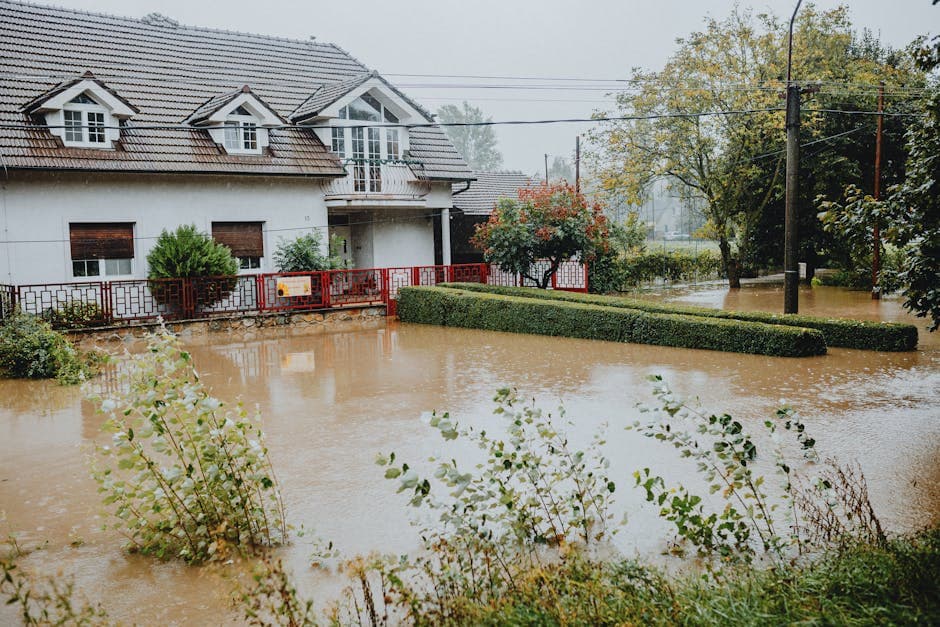
Lake Lewisville is one of the largest reservoirs in North Texas, and it sits right at the city's doorstep. When heavy rain hits the watershed upstream, the lake rises fast and the Elm Fork of the Trinity River carries the overflow south. Homes in the floodplain along the river corridor are the most exposed, but the bigger problem in Lewisville is urban flash flooding.
North Texas averages 37 inches of rain a year, and a good chunk of it arrives in a handful of hard events. The region sees 3 to 5 storms a year that drop 2 or more inches in 24 hours. In Lewisville, that means the I-35E underpasses flood, the drainage ditches behind Old Town back up, and low-lying streets near the lake hold water for hours. FEMA flood maps capture the river corridors, but a lot of DFW homes outside the mapped floodplain still take on water when the storm drains cannot keep up.
That distinction matters for insurance, which we get into below. For now, understand this: flash flood water that has touched streets, lawns, and storm runoff is contaminated water, not clean water. Treat it that way.
Warning
Never walk into standing water after a flood if you cannot see the floor beneath it. Floodwater can hide electrical current, sharp debris, and sewage. If your home has taken on water from a storm, turn off the power at the breaker only if you can do so safely from a dry spot, then wait for a professional assessment.
AC Drain Line Clogs: The Number One Summer Call in Lewisville
From May through September, the most common water damage call we take from Lewisville homeowners is a clogged AC condensate drain line. Here is how it works. Your air conditioner runs constantly during a Texas summer and pulls humidity out of the air. The condensate drains through a small PVC line to the outside. Algae and dust build up inside that line, form a plug, and the water backs up into the drain pan. When the pan overflows, the water drips into the attic insulation and soaks through the ceiling sheetrock.
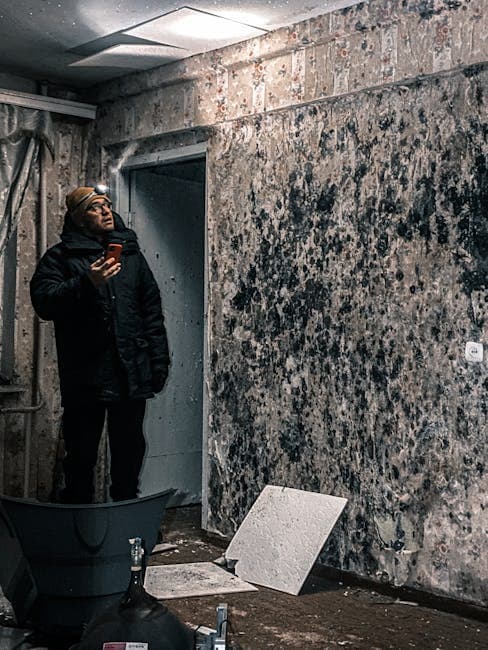
By the time a ceiling stain shows up in the living room, the attic has usually been holding water for days. A clogged line is a slow leak, so the damage is often worse than it looks from the stain size. If the overflow runs down an interior wall or into a return air duct, it can soak carpet, pad, and drywall before you ever notice.
The fix is simple to prevent: pour a cup of white vinegar down the condensate line once a month and flush it with water. That takes five minutes. The fix after a clog costs thousands. One of the biggest restoration bills we see in Lewisville every August is a $1,500 to $8,000 job that started as a five-minute maintenance task.
Slab Leaks in Lewisville's Older Homes
The 1970s and 1980s slab homes around Old Town, Valley Ridge, and the neighborhoods off Main Street are now 40 to 50 years old. The copper or galvanized supply lines in those slabs are at the end of their service life. When a line under the slab fails, the water does not leak into a visible pipe chase. It leaks into the soil under the foundation, and the clay absorbs it like a sponge.
Slab leaks are sneaky. The first sign is often a warm spot on the floor, a spike in the water bill, or the sound of running water when every faucet is off. On expansive clay, a slab leak also means the soil under one side of the house swells while the other side stays dry, which can move the foundation. We have seen homes where a slab leak sat undetected long enough to damage flooring, cabinetry, and the slab itself.
If you suspect a slab leak, shut off the water at the meter and call a professional for leak detection. A confirmed slab leak typically runs $4,000 to $15,000 to repair, and that is before any flooring or cabinetry work. It is one of the more expensive water damage categories in DFW, and insurance coverage depends on how the policy reads. Compare it against the other sources of water damage in our DFW water damage cost guide.
What Water Damage Restoration Costs in Lewisville
Prices vary with the source of the water, how long it sat, and what materials got wet. Here is a realistic range for the most common Lewisville scenarios, based on what restoration work actually involves across DFW.
| Water Damage Source | How Common in Lewisville | Typical Cost Range | Insurance Coverage |
|---|---|---|---|
| AC Condensate Line Clog | Very High (May-Sep) | $1,500 - $8,000 | Usually covered (sudden overflow) |
| Slab Leak | Moderate (1970s-1980s homes) | $4,000 - $15,000 | Policy-dependent, often covered |
| Storm / Flash Flood | Seasonal (Mar-May, Sep-Oct) | $5,000 - $40,000 | Flood insurance required |
| Roof Leak (hail/wind) | Moderate (storm season) | $1,000 - $7,000 | Wind/hail covered under HO-3 |
| Water Heater / Appliance Failure | Moderate (10+ year old units) | $1,500 - $6,000 | Usually covered if sudden |
These ranges cover extraction, structural drying, demolition of wet materials, and reconstruction in most cases. The fastest way to keep the number on the low end is to act within the first 24 to 48 hours. Water that sits gets into more materials, and wet materials mean more demolition.
Our Recommendation
Call a restoration company the same day you find active water damage, even if it looks small. The drying process and the insurance documentation matter more than the visible stain. A fast response is what keeps a $2,000 drying job from becoming a $20,000 rebuild.
The Restoration Process We Follow in Lewisville
When you call us, here is the sequence you can expect, whether the water came from an AC overflow, a slab leak, or a storm. It follows the IICRC S500 standard for water damage restoration.
-
Emergency response and source stop. We arrive within our 60-minute target, identify the water source, and stop it if it is still active. For storm water, that may mean extraction first. For a slab leak, we isolate the water line.
-
Assessment and category determination. We classify the water. Clean water from a supply line is Category 1. Water from an appliance or AC system is usually Category 2. Floodwater from the lake, the river, or storm runoff is Category 3 and gets treated as contaminated.
-
Water extraction. We pull out standing water with truck-mounted extraction equipment. Every hour that water sits costs more in materials and drying time.
-
Structural drying and monitoring. We place air movers and dehumidifiers, then check moisture levels daily in the walls, floors, and subflooring. Drying typically takes 3 to 7 days. We do not call the job done until moisture readings are back to normal.
-
Demolition and reconstruction. Wet drywall, insulation, and flooring that cannot be saved get removed. We coordinate the rebuild with your insurance scope and your adjuster.
-
Final inspection and sign-off. We walk the property with you, confirm the drying is complete, and hand over the documentation you need for your claim file.
Insurance Coverage: What Lewisville Homeowners Need to Know
Standard homeowners policies (HO-3) cover sudden and accidental water damage: a burst pipe, an appliance overflow, an AC drain overflow. They do not cover flood. Water that enters your home from the ground, the lake, or storm runoff is only covered if you carry a separate flood policy, either through FEMA's National Flood Insurance Program or a private carrier.
Two other things trip people up. First, gradual leaks are not covered. If a slab leak has been running for months, the carrier can deny the claim as a maintenance issue. Second, you have a mitigation duty: your policy expects you to prevent further damage. That means calling for water extraction and drying promptly, not waiting for the adjuster.
File the claim early, take photos of everything before anything is moved, and keep receipts for emergency work. A well-documented claim with a clear mitigation timeline is far easier to settle. Our insurance claims guide walks through the full process, and for cost expectations on flood-specific damage, see our DFW flood damage cost guide.
Lewisville Water Damage FAQ
Does homeowners insurance cover flooding from Lake Lewisville or the Elm Fork?
No, not under a standard HO-3 policy. Flood damage from rising water requires separate flood insurance. Check with your agent about the National Flood Insurance Program, especially if you live near the lake, the river, or in a low-lying area that has flooded before. Even homes outside the mapped floodplain can flood when storm drains back up, so the coverage decision is about your risk tolerance, not just the FEMA map.
How fast does mold grow after water damage in Lewisville?
Fast. In DFW's summer humidity, mold can begin colonizing wet materials within 24 to 48 hours. That is why drying starts immediately, not after the insurance adjuster visits. If your home has been wet for more than two days, assume mold is already starting in the affected wall cavities and plan for mold inspection as part of the restoration. See our mold growth timeline guide for the details.
What should I do before the restoration crew arrives?
Stop the water source if you can do it safely. Turn off the water at the meter for a suspected leak, or shut off the AC at the thermostat for an overflow. Move furniture and valuables out of the wet area, and lift anything off the floor that you want to save. Take photos of the damage for your claim. Do not try to dry a soaked home with household fans alone, and do not walk into standing water.
The Bottom Line
Lewisville water damage comes down to three patterns: flash flooding near the lake and the Elm Fork, AC drain line clogs that turn a five-minute chore into a five-figure bill, and slab leaks in the older homes on Denton County clay. You can prevent the AC overflow yourself, you can know your flood risk before the storm, and you can catch a slab leak early if you watch the water bill. When water does get in, the fastest way to control the cost is to act in the first 24 hours.
Key Takeaways
Flash flood water is contaminated water, and standard homeowners insurance does not cover it. AC condensate lines should be flushed monthly during summer. Slab leaks hide under the foundation, so a warm floor or a climbing water bill means call for leak detection. Whatever the source, the restoration clock starts the minute the water gets in, and we answer it 24 hours a day.
If your Lewisville home has water damage, call us at (469) 525-2254. We answer 24 hours a day, 7 days a week, 365 days a year, and we target arrival within 60 minutes across Lewisville, from the Lake Lewisville shoreline and Old Town to Vista Ridge and the I-35E corridor. Expect Greatness.