

Quick Answer
Flood damage restoration in DFW costs $3,000-$45,000. Clean water, sewage backup, storm flooding pricing from 10-plus years in Dallas, Fort Worth, and Plano.
If water is sitting in your living room, your first question is not "what caused this." Your first question is "how much is this going to cost me?" And the honest answer is: it depends on what kind of water is in your home, how far it has spread, and how fast you act.
Flood damage restoration in DFW typically runs between $3,000 and $45,000, but those two numbers describe very different situations. A $3,000 job is usually a clean water extraction from a burst pipe that gets addressed within 24 hours. A $45,000 job is a Category 3 flood from a sewage backup or storm surge that sat for days, required full structural drying, and needed reconstruction of affected areas.
For a full breakdown of what drives flood restoration prices in DFW, see our DFW restoration cost guide.
We are GOAT Home Services, and we have been handling flood damage restoration across Dallas, Fort Worth, Plano, Carrollton, and the entire DFW metroplex for over a decade. This guide breaks down what flood damage restoration actually costs, what drives the price up or down, and what your insurance will cover when the water rises.
What Determines Flood Damage Restoration Costs in DFW?
Every flood damage job is different, but the cost comes down to five factors that apply across every DFW neighborhood from Preston Hollow to Stonebriar.
Water category. The IICRC S500 standard classifies water into three categories. Category 1 (clean water from a burst pipe or supply line) is the cheapest to remediate because there is no contamination risk. Category 2 (gray water from a dishwasher overflow or washing machine) contains contaminants and requires additional sanitization. Category 3 (black water from sewage backup, rising floodwater, or groundwater) is grossly contaminated and requires full containment, hazardous material handling, and extended drying protocols. The jump from Category 1 to Category 3 can triple or quadruple the restoration cost.
Affected square footage. Restoration companies quote by the square foot of affected area. A flooded laundry room is a very different price than a flooded first floor. In DFW, where open-concept floor plans are common in newer construction, water can spread across 1,000+ square feet before it hits an interior wall. Every additional 100 square feet adds $500 to $1,500 in extraction, drying, and materials.
Drying time. North Texas humidity makes flood drying slower and more expensive than in drier climates. In July and August, when outdoor humidity sits at 65 to 75 percent, industrial dehumidifiers and air movers must run for 5 to 7 days instead of 2 to 3. Each extra day of equipment rental adds $200 to $400 to the bill. This is why a summer flood cost more to remediate than the same flood in December.
Materials affected. Water-damaged drywall, insulation, flooring, and cabinetry must be removed and replaced. Hardwood floors in older DFW homes (1960s to 1980s construction) are especially vulnerable because they absorb moisture from underneath and warp irreversibly. Replacing 500 square feet of hardwood flooring adds $4,000 to $8,000 to the restoration total. Carpet and pad replacement runs $2 to $6 per square foot installed.
Mold risk. The single most expensive cost multiplier is untreated moisture that turns into a mold problem. In DFW's humid climate, mold can begin colonizing wet drywall within 24 to 48 hours. A flood that gets addressed immediately costs what it costs. A flood that sat for three days before you found it triggers mold remediation, which adds $500 to $6,000 or more depending on the affected area. This is the number one reason homeowners see their restoration bill double.
Warning
The most expensive mistake DFW homeowners make after a flood is waiting. Every hour of delay increases the restoration cost because water spreads through drywall, under baseboards, and into subflooring. In DFW's summer humidity, mold begins colonizing wet materials within 24 hours. If you see standing water, call for extraction immediately. A same-day emergency response costs the same as a next-day response, but the next-day job will be more expensive because the damage has already progressed.
Flood Damage Restoration Cost Tiers for DFW Homes
Here is what DFW homeowners actually pay for flood damage restoration based on the scope of the job. These ranges come from real jobs we have completed across Dallas, Tarrant, and Collin Counties.
| Scope of Damage | Cost Range | Typical Scenario | Timeline |
|---|---|---|---|
| Small / Localized | $3,000 - $8,000 | One room, Category 1 clean water, no contamination. Burst supply line, overflowing bathtub. Standard extraction and drying, no structural removal needed. | 2-4 days |
| Medium / Contained | $8,000 - $15,000 | One to two rooms, Category 2 or early Category 3 water. Washing machine overflow, partial sewage backup. Requires containment, sanitization, partial drywall removal. | 4-7 days |
| Large / Multi-Room | $15,000 - $25,000 | Multiple rooms or an entire floor, Category 3 black water. Storm surge or sewage backup. Full containment, hazardous material handling, significant drywall and flooring removal. | 7-12 days |
| Full-Structure | $25,000 - $45,000+ | Whole-home flooding from storm surge or broken main water line. Category 3 throughout. Full structure drying, extensive demolition, reconstruction, potential subfloor replacement. | 2-4 weeks |
What Insurance Covers for Flood Damage in Texas
This is where most DFW homeowners get confused, and the confusion can cost thousands.
Standard homeowners insurance (HO-3 policies) covers sudden and accidental water damage from internal sources like burst pipes, appliance overflows, and plumbing failures. It does NOT cover flood damage from external sources like rising water, storm surge, or groundwater intrusion. Those require a separate flood insurance policy through the National Flood Insurance Program (NFIP) or a private flood insurer.
In DFW, the distinction matters because most homeowners assume their standard policy covers flash flooding. A storm that overwhelms the storm drains on your street and sends water into your garage is not covered by your HO-3 policy unless you carry flood insurance. According to FEMA, roughly 40 percent of flood insurance claims come from properties outside designated high-risk flood zones, which means many DFW homeowners in Frisco, McKinney, and Allen wake up to a denial letter after a flash flood.
What your standard policy typically covers:
- Burst water supply lines and plumbing failures (Category 1 water)
- Appliance overflows (washing machine, water heater, dishwasher)
- AC condensate drain overflow (one of the most common claims we process in DFW)
- Sudden pipe leaks behind walls or under sinks
- Fire-hose water damage from fire suppression (Category 2 or 3 depending on source)
What requires separate flood insurance:
- Rainwater entering through doors, windows, or garage slabs
- Storm surge or groundwater intrusion after heavy rain
- Overflowing creeks or drainage channels (Trinity River, Rowlett Creek, White Rock Creek)
- Seepage through foundation cracks caused by heavy rain saturating your soil
Our Recommendation
If your home is in a DFW neighborhood with known flash flooding, a separate flood insurance policy costs $500 to $1,500 per year depending on your zone and coverage level. That is a fraction of the cost of one uninsured Category 3 restoration. We have seen homeowners in Dallas and Arlington pay for a $20,000 restoration out of pocket because they assumed their standard policy covered groundwater intrusion. Check your policy before the next storm.
How Sewage Backup Costs Add Up
Sewage backup is one of the most expensive flood restoration scenarios because it is Category 3 black water with biological contaminants. A single sewage backup event in a DFW home typically costs $8,000 to $25,000 depending on the affected area and whether the backup reached finished living spaces.
What makes sewage backup expensive is the disposal protocol. Contaminated materials cannot go to regular landfills in Texas. They must be disposed of as biohazard waste, which adds $500 to $2,000 to the disposal line item alone. The affected area requires antimicrobial treatment, full HEPA vacuuming, and in many cases HVAC system cleaning if the backup aerosolized contaminants into the ductwork. HVAC cleaning after a sewage event adds $500 to $1,500.
Most standard homeowners policies in Texas include coverage for sewer backup if you carry the right endorsement. This is usually a separate line item on your policy with a sub-limit of $5,000 to $10,000. If your policy does not have this endorsement, a sewage backup claim will be denied as a maintenance issue. Check your policy declarations page before it happens.
Storm-Related Flooding: The DFW Variable
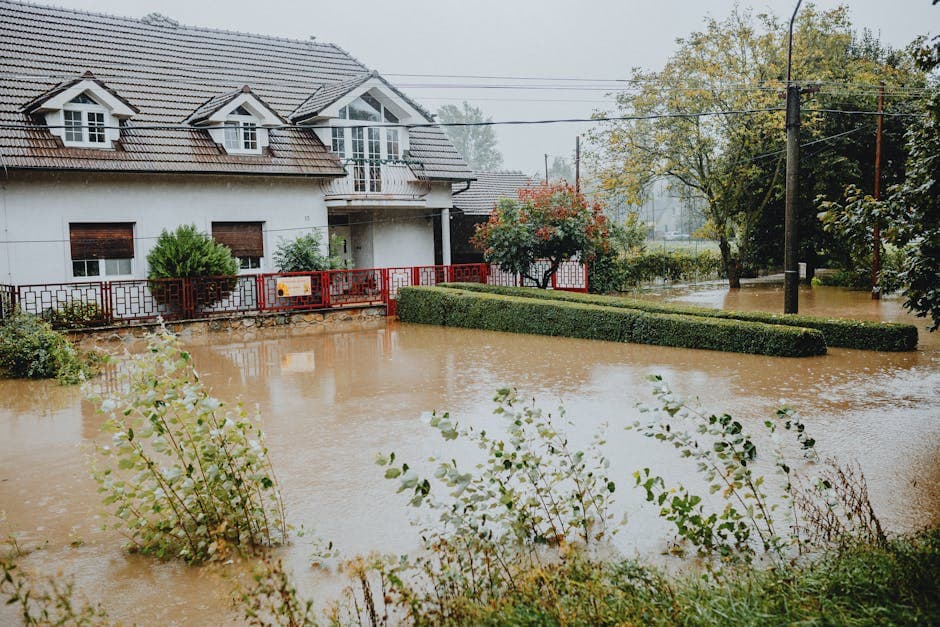
DFW storms produce a specific kind of flood damage that is different from plumbing failures. When the sky drops three inches of rain in two hours, as happens multiple times each summer in neighborhoods across Dallas, Plano, and Frisco, the water comes from outside. It carries mud, debris, and whatever was on your property and your neighbors' properties.
This means storm flooding is almost always Category 3 water, even if the source is rain. The debris load, sediment, and potential contaminants in storm runoff make it unsafe for DIY cleanup. Industrial extraction equipment, HEPA filtration, and professional sanitization are required.
The insurance distinction matters here. Storm flooding from rain entering your home through windows or doors is not covered by standard homeowners policies. However, storm damage from wind-driven rain that enters through a roof or wall opening created by the storm IS typically covered as part of storm damage. The adjuster looks at the entry point. If the roof was torn off by hail and rain entered through the open roof deck, it is a covered storm claim. If water came in under the garage door, it is a flood claim.
This distinction can save DFW homeowners thousands of dollars. When a storm hits, document the entry point. Take photos of the roof damage before you look at the water damage inside. A roof penetration that led to water intrusion is a covered claim under most DFW homeowners policies.
Key Takeaways
Flood damage restoration in DFW costs $3,000 to $45,000. The cheapest way to restore a flood is to call for extraction within hours, not days. Check your insurance policy now for flood exclusions and sewer backup endorsements before the next storm hits. And after any storm, photograph the exterior damage first before documenting the interior water damage, because the entry point determines your insurance coverage.
Frequently Asked Questions About Flood Damage Restoration Costs in DFW
Does homeowners insurance cover flood damage in Texas?
Standard Texas homeowners policies cover sudden and accidental water damage from internal sources (burst pipes, appliance overflows) but do not cover external flooding from rain, storm surge, or groundwater intrusion. Flood coverage requires a separate NFIP or private flood insurance policy. About 40 percent of FEMA flood claims come from properties outside high-risk flood zones, so even if your home is not in a designated floodplain, carry flood insurance if your neighborhood has experienced flash flooding.
How much does sewage backup cleanup cost in DFW?
Sewage backup restoration in DFW typically costs $8,000 to $25,000 depending on the affected area and whether the backup reached finished living spaces. This includes biohazard waste disposal ($500 to $2,000), antimicrobial treatment, HEPA filtration, and potential HVAC duct cleaning ($500 to $1,500). Check your homeowners policy for a sewer backup endorsement, which typically provides a $5,000 to $10,000 sub-limit.
What is the difference between water damage and flood damage for insurance purposes?
The insurance distinction is based on the source of the water. Water damage comes from an internal source like a burst pipe, overflowing appliance, or plumbing failure. Flood damage comes from an external source like rising water, storm surge, or groundwater intrusion. Standard HO-3 policies cover the first but not the second. The entry point is critical: wind-driven rain through a storm-damaged roof is typically a covered storm claim, while water entering under a door is a flood claim requiring separate flood insurance.
How can I reduce the cost of flood damage restoration?
The single most effective way to reduce restoration costs is to act within 24 hours. Same-day water extraction prevents water from spreading, minimizes structural damage, and eliminates the mold risk multiplier. Insulation removal within 48 hours prevents moisture wicking up walls. Running your HVAC fan (if safe) can help reduce humidity. But professional extraction equipment is significantly more effective than shop vacs and box fans. The cost of a professional response is the same whether you call immediately or wait three days, but the scope of work will be dramatically smaller if you call immediately.
What does Category 3 water restoration involve?
Category 3 water restoration involves containment barriers to isolate the affected area, negative air pressure to prevent contaminants from spreading, full extraction and disposal of contaminated water, removal of all affected porous materials (drywall, insulation, carpet, padding), antimicrobial treatment of all surfaces, HEPA air filtration throughout the drying process, and in some cases HVAC system cleaning. The full protocol is defined by the IICRC S500 standard, which is the industry benchmark for professional water damage restoration.
Is mold remediation included in flood damage restoration?
Standard flood damage restoration includes drying and sanitization, which prevents mold growth if performed within 24 to 48 hours. If the water has been sitting for more than 48 hours before restoration begins, mold may have already colonized affected materials, and separate mold remediation would be required. In DFW's humid climate, mold growth is almost guaranteed within 72 hours of a flood event. This is why the most expensive flood damage jobs are almost always the ones where the homeowner waited to call. Read our DFW mold remediation cost guide for what that adds to the bill.
The Bottom Line on Flood Damage Restoration Costs in DFW
Flood damage restoration in DFW costs $3,000 to $45,000. The difference between the low end and the high end is determined primarily by how fast you act, whether the water is contaminated, and whether your insurance covers the scenario you are facing.
The three things every DFW homeowner should do today:
Check your insurance policy. Look for flood exclusions and sewer backup endorsements. If your home is in a flash-flood-prone neighborhood in Dallas, Fort Worth, Plano, or Frisco, consider adding a separate flood policy.
Know your water shutoff. In a Category 1 flood from a burst pipe, shutting off the main water supply stops the damage. Every adult in your household should know where the shutoff valve is and how to operate it.
Save GOAT's number now. When the water is rising, you do not want to research restoration companies. If your home floods tonight, call GOAT Home Services at (469) 525-2254. We serve all of Dallas-Fort Worth, and we dispatch crews within an hour for emergency flood response. Free assessment, no obligation, 24/7/365.
For more information on water damage costs, see our general water damage restoration cost guide and our Category 3 water damage guide. If you are dealing with mold concerns after a flood, see what mold remediation costs in DFW. For storm damage specifically, read our emergency roof tarping and board-up guide.