

Quick Answer
Frisco water damage guide from DFW owner-operators. Slab leaks, AC drain clogs, PGA corridor flooding. 60-min emergency response. Call (469) 525-2254.
If you live in a newly built home in Frisco, Texas, you might think water damage is something that happens to older houses in other parts of DFW. Think again. We are GOAT Home Services, and we have been responding to water damage calls across Collin County since 2016. In Frisco alone, we have seen every type of water intrusion imaginable: slab leaks under brand-new construction, AC drain clogs that flood attics in the PGA corridor, and flash flooding that turns Main Street between Dallas Parkway and the Tollway into a river during a July thunderstorm.
Frisco sits on the same Blackland Prairie clay soil as the rest of North Texas, but the city's rapid growth from 2000 to 2020 means a different mix of vulnerabilities than older DFW suburbs. Thousands of homes were built in the last two decades with slab-on-grade foundations. While newer construction has better moisture barriers than homes from the 1980s, the expansive clay soil still shifts. That movement creates stress points in plumbing lines under the slab.
Why Frisco Homes Are Different From Other DFW Suburbs
The key difference is age and construction era. Where Plano's housing stock is dominated by homes built between the 1960s and 1990s, Frisco's residential neighborhoods are almost entirely post-2000 construction. The Stonebriar area, The Rail District, and neighborhoods along the PGA corridor were built during a period when building codes were stricter about moisture management, but the soil conditions remain the same.
Frisco experienced explosive growth from 2005 to 2019. The city's population more than tripled, going from about 38,000 residents to over 170,000. That growth means most Frisco homes are under 20 years old, which creates a specific set of water damage risks that differ from older DFW suburbs. We serve every Frisco neighborhood including the PGA corridor, Stonebriar Centre, The Rail District, and west Frisco.
| Water Damage Source | Frequency in Frisco | Affected Home Age | Insurance Coverage | Early Warning Signs |
|---|---|---|---|---|
| AC Drain Clog | Very High (May-Sep) | All ages, peak 5-15 yrs | Often covered if sudden | Ceiling stain, musty attic smell, higher humidity |
| Slab Leak | Moderate-High (newer homes) | 5-20 years old | Varies by policy | Warm floor, spongy tile, higher water bill |
| Flash Flood | Moderate (storm season) | All ages near creek beds | Flood policy required | Standing water near foundation, creek rising |
| Plumbing Failure | Moderate | All ages | Typically covered | Dripping sounds, water pressure changes, wet drywall |
The Hidden Risk in New Construction: Slab Leaks Under 10-Year-Old Homes
Here is something most Frisco homeowners do not realize. A slab leak does not require an old house. In fact, we see more slab leaks in homes built between 2005 and 2018 than in older construction, and the reason is the soil.
Frisco sits on expansive clay that swells when wet and shrinks when dry. During the 2011 drought, the soil across Collin County shrank dramatically. Then came the record rains of 2015 and 2019, and the soil swelled back. Homes built during those boom years settled into foundation movement that put stress on PEX and copper plumbing lines running under the slab. By year five to ten, those stress points start showing up as pinhole leaks.
We have seen this pattern repeatedly in the neighborhoods around Stonebriar Centre and along Dallas Parkway. The homes were built with high-quality materials, but no amount of construction quality can fully prevent soil movement from putting stress on pipes under a 10,000-square-foot concrete slab. When this happens, Category 3 water damage from contaminated slab leaks requires immediate professional extraction.
AC Drain Clogs: The Most Common Summer Water Damage Call in Frisco
From May through September, Frisco's AC condensate drain lines are the leading cause of water damage calls we receive. Here is how it works. Your air conditioner pulls humidity out of the air and channels the condensate through a PVC pipe to the outside of your home. In Frisco's climate, with humidity levels regularly hitting 70 percent in summer, algae growth inside that pipe accelerates.
When the drain line clogs, water backs up into the emergency drain pan, overflows, and drips into the attic. By the time a ceiling stain appears on your first floor, the attic can be holding multiple gallons of water that have been slowly soaking through sheetrock for days or weeks. This is the same problem we detail in our guide to AC drain line clogs across DFW.
How to Check Your AC Drain Line: A 5-Minute DIY Test
Shut off your AC at the thermostat and locate the condensate drain line. It is a 3/4-inch PVC pipe running from your indoor unit to the outside of your home. Look for a PVC access port with a cap near the unit. Remove the cap and pour a cup of white vinegar down the line. If the vinegar disappears slowly or not at all, you have a clog forming.
Next, go outside and check where the drain terminates. You should see water flowing freely during AC operation. If you see only a drip or no flow at all, the line is partially or fully blocked.
If you catch it early, a shop vac on the exterior drain outlet can clear many clogs. For stubborn blockages, a mixture of vinegar and baking soda followed by hot water works better than commercial products. If neither works, call us. An untreated clog will cost $800 to $3,000 in ceiling and attic repairs.
Flash Flood Risk: Where Frisco Water Damage Calls Spike After Storms
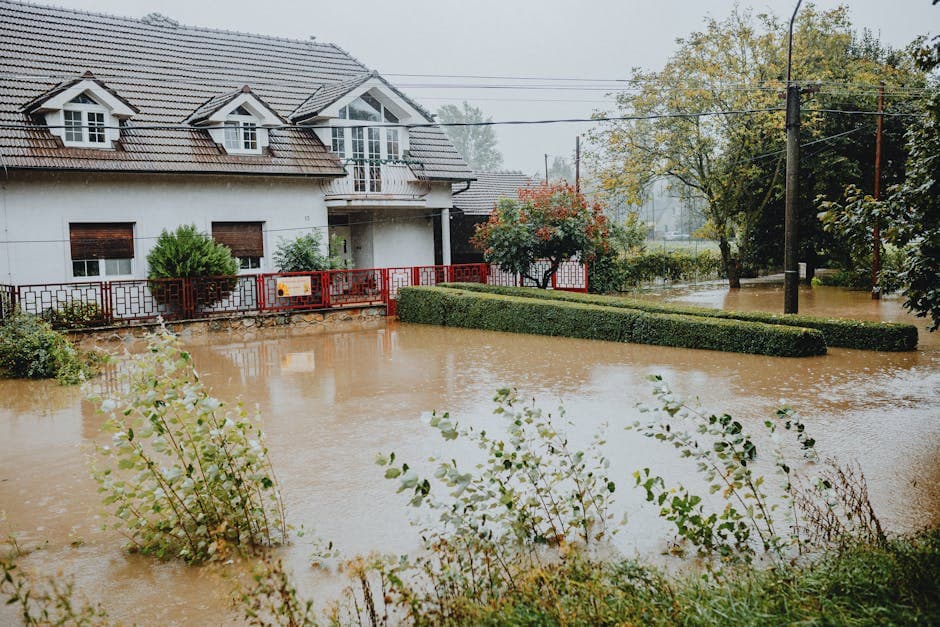
Frisco is not in a FEMA-designated high-risk flood zone for most of its area, but flash flooding is a real threat during DFW's intense rainfall events. The city sits at the convergence of several creek watersheds, and when the ground is already saturated from a wet June or July, even a 2-inch rain event can cause sheet flow that finds its way through foundation gaps.
The neighborhoods most at risk are those built near the Cottonwood Creek watershed on the east side and along Rowlett Creek to the north. During our response to the May 2023 storms, we had crews working in the neighborhoods around Stonebriar and along Main Street where standing water accumulated faster than the storm drains could handle. When floodwaters hit, Category 3 water from contaminated sources requires immediate extraction and sanitization.
What to Do When Flash Flooding Threatens Your Frisco Home
First, move valuables and furniture to higher ground. Even a few inches of standing water can cause $5,000 in flooring damage.
If water is entering your home, shut off the electricity at the breaker panel if it is safe to do so. Never stand in water while touching electrical panels.
Call us before the floodwaters recede. We can have a crew dispatched within 60 minutes of your call, and early extraction prevents secondary damage that drives up restoration costs by 30 to 50 percent.
What Insurance Covers in Frisco and What It Does Not
Standard homeowners insurance policies (HO-3) cover sudden and accidental water damage, which means a burst pipe, a failed water heater, or a slab leak that suddenly manifests as visible water intrusion. However, there are three major exceptions that catch Frisco homeowners off guard.
First, gradual damage is not covered. If your slab leak has been running for months and the adjuster determines the damage is the result of ongoing neglect rather than a sudden event, the claim can be denied. This is why early detection matters so much. A warm spot on your floor in March costs $200 to fix. The same warm spot ignored until August can cost $15,000 in subfloor and ceiling repairs.
Second, flood damage requires a separate flood insurance policy through the National Flood Insurance Program (NFIP). A flash flood from Cottonwood Creek that enters your home through the slab is not covered under a standard HO-3 policy. If you live in a low-lying area near the creek beds, we recommend reviewing your flood coverage with your agent.
Third, maintenance-related damage is excluded. An AC drain clog that overflowed because the line was never cleaned falls into a gray area that some insurers interpret as maintenance neglect. The key is timing. If you can show the clog formed suddenly and you called for help within 24 hours, most DFW carriers will cover it. For more on working with adjusters, read our insurance claims guide.
The Restoration Process for Frisco Water Damage
When you call us for water damage in Frisco, here is exactly what happens. We answer the phone ourselves, no voicemail trees. We ask about the source of the water, how long it has been running, and whether the damage is active or contained. In most Frisco emergencies, we can have a crew at your home within 60 minutes.
Once on site, we assess the damage with moisture meters and thermal imaging cameras to find hidden moisture behind walls and under flooring. We extract standing water with truck-mounted pumps, then place industrial air movers and dehumidifiers to dry the structure. We monitor moisture levels daily until the structure meets the IICRC drying standard. We work with your insurance adjuster directly, providing moisture logs, drying reports, and documentation for the claim.
How Frisco Homeowners Can Prevent Water Damage Before It Starts
The water damage calls we see most often in Frisco are preventable with basic maintenance. Here is what every homeowner should do on a regular schedule.
Flush your AC condensate drain line at the start of summer and again in mid-July. Pour a cup of white vinegar down the access port or use a commercial condensate drain treatment. This takes five minutes and prevents the most common type of water damage in Frisco's newer homes. Check your water bill monthly for unexplained increases. A slab leak that adds $40 to your monthly bill has been running for weeks, and the damage is already underway.
Frisco-Specific Prevention Checklist by Home Age
Homes built 2005-2015: Check AC drain lines monthly during summer. These homes have longer PVC runs in unconditioned attics and are prone to clogs. Schedule a professional HVAC tune-up annually before May.
Homes built 2015-2020: Monitor water bills closely for the first 8 years. Slab leaks in newer construction often appear at stress points where plumbing crosses expansion joints in the foundation. The clay soil movement from seasonal drying cycles is most pronounced in these homes.
Homes built 2020-present: Focus on exterior drainage. New developments sometimes have storm infrastructure that has not fully settled. Check that downspouts are directing water at least 6 feet away from the foundation, especially after heavy rains.
The Bottom Line
Frisco is one of the fastest-growing cities in Texas, and that growth has created a housing stock with unique water damage vulnerabilities. The combination of expansive clay soil, new construction slab foundations, and DFW's intense seasonal weather means every Frisco homeowner should know the specific risks their neighborhood faces.
The most expensive water damage call we see in Frisco is almost always one that could have been prevented or caught early. A $4 bottle of vinegar flushed through the AC drain line in June can prevent a $5,000 ceiling repair in August. A monthly water bill check can catch a slab leak before it soaks through the subfloor and into your living room.
If you have water damage in your Frisco home right now, or if you suspect a slab leak or a hidden moisture problem, call us. We serve every Frisco neighborhood from Stonebriar to The Rail District, west Frisco to the PGA corridor. We will come to your home, assess the damage, and tell you exactly what needs to happen. No scare tactics, no upselling, no unnecessary work. Just the truth about what is happening and the most direct path to fixing it.
Call (469) 525-2254 for a free assessment. We are available 24/7/365, and we answer the phone ourselves. No voicemail trees, no call centers. A real person who can get a crew to your Frisco home within 60 minutes if the situation demands it.