
Quick Answer
Carrollton TX storms drop 3 inches in 90 minutes. Flood cleanup, foundation seepage, and emergency water damage repair from DFW owners with 10-plus years serving The Villages and historic downtown Carrollton.
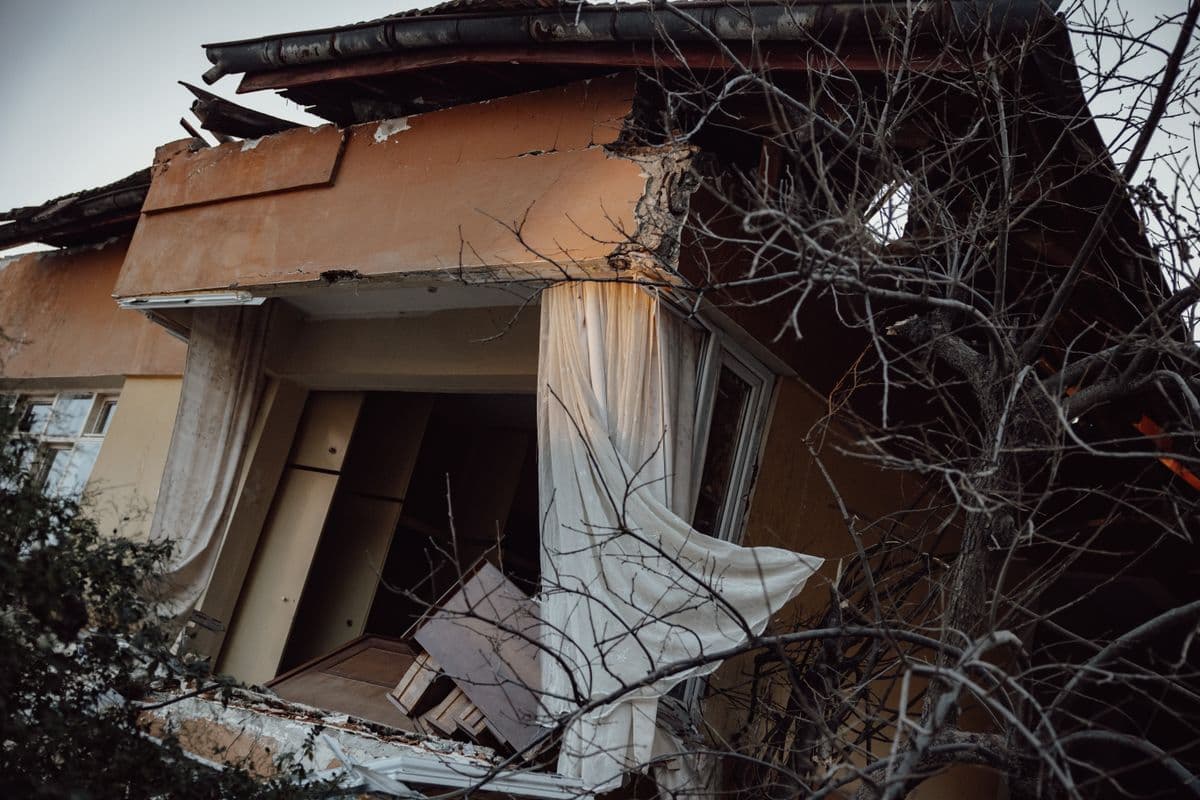
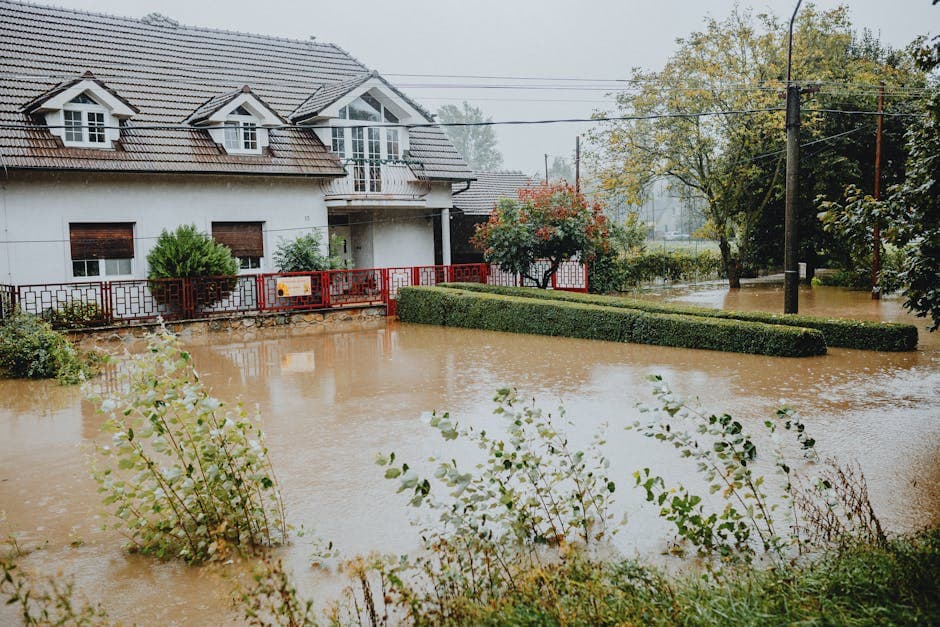
If you own a home in Carrollton, you have seen our summer storms roll in off the Trinity River basin. The sky turns green. The rain comes down so hard you cannot see the house across the street. Within an hour, low-lying intersections near Crosby Road and the Trinity Mills area are under water, and calls start coming in from homeowners in The Villages of Carrollton and the historic downtown district whose crawlspaces and garages are filling with water.
Carrollton sits at a unique intersection of flood risk factors. The city straddles the Elm Fork of the Trinity River. Its older sections, developed in the 1950s through 1970s, have drainage infrastructure designed for a far different climate than the one we have today. The newer developments north of Hebron Parkway sit on highly expansive clay soil that shrinks during dry spells and swells during rain, creating foundation cracks that channel water straight into basements and slab-on-grade homes. When a thunderstorm drops 3 inches in 90 minutes, which happens multiple times every summer in Carrollton, the ground cannot absorb the water fast enough and it goes somewhere. Often that somewhere is your home.
We have responded to water damage calls in Carrollton after every major rain event over the last decade. After the spring storms that sent the Elm Fork over its banks into neighborhoods near Sandy Lake Road. After the summer downpours that turned the intersection of Crosby and Belt Line into a pond. After the sudden microbursts that dumped 4 inches on the Hebron Parkway corridor and overwhelmed every storm drain in the area. The patterns we see are consistent across Carrollton, and the mistakes homeowners make are predictable. Most of the damage we extract, dry, and restore could have been prevented with knowledge and preparation before the storm.
Why Carrollton Floods: The Local Factors That Put Your Home at Risk
Carrollton's flood risk is driven by four interconnected factors that make it distinct from other DFW suburbs. Understanding these helps you know when your home is most vulnerable.
The Elm Fork and Its Tributaries
The Elm Fork of the Trinity River runs through the western edge of Carrollton, and Furnace Branch and other small creeks drain the central and eastern parts of the city. During heavy rain, these waterways rise fast. Homes along Sandy Lake Road, near the Elm Fork Greenbelt, and in areas adjacent to Furnace Branch are at elevated risk of flooding from adjacent waterways. Even homes that are not in a mapped FEMA flood zone can experience water intrusion through saturated soil during extended rain events. The water table rises, and basement walls and slab foundations that are normally dry begin to seep moisture.
The Blackland Prairie Clay Problem
Carrollton sits on the same Blackland Prairie expansive clay that causes foundation problems across most of DFW. During the hot, dry Texas summer, the clay shrinks and cracks. When the rain comes, those cracks fill with water and the clay swells, exerting lateral pressure on foundation walls. The movement opens gaps at the cove joint, where the foundation meets the wall, and water follows the path of least resistance into the home. Homes built on slab-on-grade foundations, which make up the majority of Carrollton's post-1960 housing stock, are particularly vulnerable to this type of intrusion. The water does not need to come over the top of the foundation. It comes through the bottom.
Foundation crack warning: If you have noticed foundation cracks in your Carrollton home during the dry months, those same cracks become water entry points during heavy rain. Sealing visible cracks with hydraulic cement before summer storm season can prevent thousands of dollars in water damage. A tube of hydraulic cement costs $15 at any hardware store on the Hebron Parkway corridor and takes 30 minutes to apply. Compare that to a $5,000 water damage restoration job.
Aging Storm Drainage in Older Carrollton Neighborhoods
Carrollton's older neighborhoods, particularly those developed in the 1950s through 1970s around the historic downtown area and along the Frankford Road corridor, have storm drainage systems built for a different era. As the city has added impervious surface through new construction, parking lots, and road widening, the runoff volume has increased beyond what the original drainage was designed to handle. During a major storm, streets in these neighborhoods become temporary rivers because the storm drains simply cannot carry the water away fast enough. If your home sits on a low-lying lot in one of these older Carrollton sections, street flooding is a seasonal reality during summer thunderstorms.
Urban Development and Runoff Patterns
The rapid development north of Hebron Parkway and along the SH 121 corridor has changed how water flows through Carrollton. New subdivisions, retail centers, and parking lots create impervious surfaces that shed water rather than absorbing it. A field that used to soak up rainwater is now a parking lot that sends that water downstream into older neighborhoods. This is a well-documented phenomenon in Carrollton: homes that did not flood 20 years ago now flood regularly after heavy rain because the watershed upstream has been completely transformed. If you live south of Hebron Parkway, your flood risk is higher today than it was when your home was built.
What to Do Before the Next Summer Storm: Carrollton-Specific Prep
Preparation for Carrollton storms follows the same basic principles as the rest of DFW, but a few items deserve special attention based on the city's specific risk profile.
Check Your Foundation for Cracks
Walk the perimeter of your home during a dry spell and inspect the foundation where it meets the ground. Stucco and brick veneer can hide foundation movement, so look for telltale signs: diagonal cracks in brick mortar, gaps between the foundation and the soil, door frames that no longer close properly, or drywall cracks above doorways. Any of these indicate foundation movement that will create a water entry path when the rain comes.
Know Your Flood Zone and Local Drainage
Check the FEMA Flood Map Service Center for your Carrollton address. But do not stop there. Talk to your neighbors, especially those who have lived in the neighborhood for more than 10 years. They will tell you which streets flood during heavy rain, which intersections become impassable, and whether water has ever entered their homes. Local knowledge is more valuable than a federal map for predicting whether your specific lot will flood. In Carrollton, homeowners near the Elm Fork Greenbelt, along Furnace Branch, and in low-lying sections of The Villages of Carrollton consistently report the highest flood risk.
Clear Your Gutters and Downspouts
Carrollton's older neighborhoods have mature live oaks, pecans, and elms that drop leaves, acorns, and branches into gutters throughout the summer. A clogged gutter during a thunderstorm sends water cascading over the edge of the roof directly against the foundation. Cleaning gutters twice a year, once in late spring and once in late fall, costs nothing but time and prevents a water intrusion pathway that causes thousands in damage. Pay particular attention to downspout extensions: they should carry water at least 5 feet away from the foundation. Many Carrollton homes have downspouts that terminate right at the foundation wall, dumping roof water directly into the soil next to the slab.
Check Your Sump Pump Before Storms Arrive
If your Carrollton home has a sump pump, test it before every storm season. Pour a bucket of water into the sump pit and confirm the pump activates and discharges water away from the foundation. A failed sump pump during a storm is the most common emergency call we get in Carrollton after heavy rain. If your pump is more than 5 years old, consider replacing it before it fails. A new submersible sump pump runs $150 to $400 at any hardware store in Carrollton. A basement flood from a failed pump costs $5,000 to $25,000 to restore.
Emergency Water Damage Response: What to Do When Water Enters Your Carrollton Home
A storm rolls through. The rain stops. You go down to the basement or the garage and find standing water. Here is the immediate action plan, in priority order.
Step 1: Safety First
If there is standing water and the power is still on, do not enter the area. Water conducts electricity, and the risk of electrocution is real. If you can safely reach the breaker panel, shut off power to the affected area. If you cannot, wait for professional help. Wear rubber boots and gloves if you must enter standing water. Assume the water is contaminated, particularly if it came from outside the home. Street flooding carries bacteria, chemicals, and debris.
Step 2: Stop the Source
If the water is coming from inside the home, a burst pipe, an overflowing toilet, a failed water heater, shut off the main water valve immediately. If the water is coming from outside through the foundation or a basement wall, there is nothing you can do to stop the source until the ground dries out. Focus on moving valuables to higher ground and preparing for professional extraction. In Carrollton, the most common post-storm water entry points are foundation cracks, cove joints, and window wells.
Step 3: Document Everything
Before moving anything or starting cleanup, take photos and video of all affected areas. Capture wide shots showing the full extent of the water, and close-ups of specific damage to flooring, walls, and personal property. This documentation is essential for your insurance claim. Carrollton homeowners with thorough photo documentation consistently receive faster claim approvals and higher settlements than those who start cleanup before documenting.
Step 4: Call for Professional Extraction
Standing water that sits for more than 24 hours begins to cause secondary damage: drywall wicks moisture upward, wood flooring buckles, and mold spores begin germinating within 24 to 48 hours. In Carrollton's summer humidity, the clock moves even faster. Professional water extraction within the first 12 hours is the single best predictor of a successful restoration outcome. If you have water in your Carrollton home, call a restoration company immediately, even if the water seems minor. What looks like a small puddle can conceal saturated subflooring, soaked insulation, and water that has migrated under baseboards into wall cavities.
| Water Source | Typical Cost in Carrollton | Insurance Coverage | Response Priority |
|---|---|---|---|
| Foundation crack (rainwater seepage) | $2,000 - $8,000 | Usually excluded without flood policy | Moderate |
| Surface floodwater (street runoff) | $5,000 - $25,000 | Requires separate flood insurance | High |
| Roof leak from wind damage | $3,000 - $15,000 | Covered under standard HO-3 | Critical |
| Failed sump pump during storm | $5,000 - $20,000 | Varies by policy and endorsement | Critical |
| Overland flooding (creek overflow) | $10,000 - $45,000 | Requires separate flood insurance | Critical |
How Insurance Covers Storm-Related Water Damage in Carrollton
Insurance coverage for storm-related water damage in Carrollton depends on one critical distinction: how the water entered your home. This distinction determines whether your claim is approved or denied, and it is the most common source of surprises for homeowners after a storm.
Wind-Driven Rain vs. Ground Flooding: The Key Difference
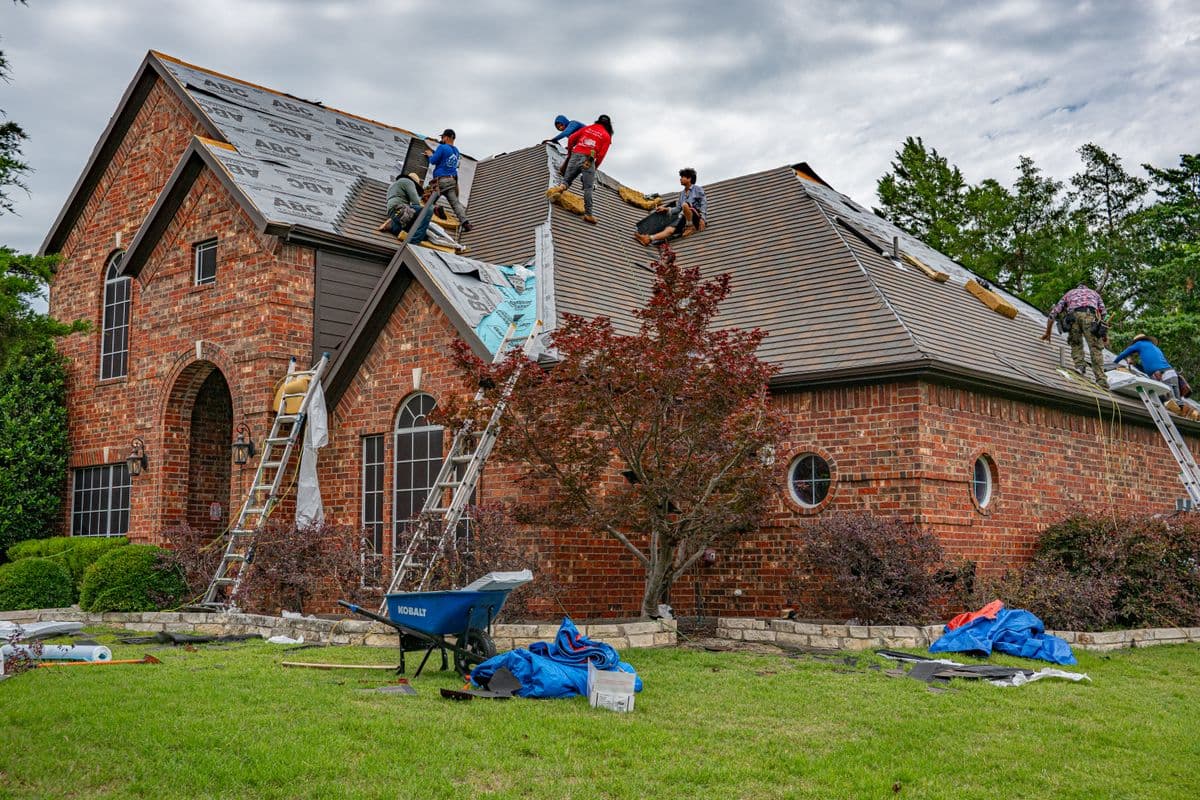
Standard HO-3 homeowners insurance policies cover water damage that enters through a sudden opening created by wind. If the storm blew shingles off your roof and rain entered through the exposed deck, that is covered. If the wind drove rain through a window that was blown open or broken by debris, that is covered. If water seeped through a foundation crack because the ground was saturated from hours of rain, that is not covered under a standard policy. It requires a separate flood insurance policy through the National Flood Insurance Program (NFIP) or a private flood carrier.
Check your Carrollton address for flood risk. The FEMA Flood Map Service Center can tell you whether your home is in a designated flood zone. But in Carrollton, many homes that experienced interior flooding from surface water runoff during major storms are technically outside the 100-year floodplain. FEMA maps do not capture localized drainage failures or urban runoff from new development upstream. If you live in a low-lying area near the Elm Fork, Furnace Branch, or in one of the older neighborhoods with undersized storm drains, consider a flood insurance policy even if the map says you are outside the flood zone.
Carrollton and Sewer Backup Coverage
During heavy rain, Carrollton's combined storm and sanitary sewer systems can be overwhelmed, causing sewage to back up into homes through floor drains and basement plumbing. Standard homeowners insurance does not cover sewer backup. It requires a separate endorsement, typically costing $50 to $100 per year. If you have a finished basement or a below-grade living space in your Carrollton home, this endorsement is one of the best investments you can make. A single sewer backup event can cause $10,000 to $30,000 in damage, and without the endorsement, you are paying for it out of pocket.
What to Document for Your Insurance Claim
After a storm damages your Carrollton home, your insurance adjuster will need specific evidence to approve your claim. The more documentation you provide, the faster and more complete your settlement will be. Photograph the exterior damage first: missing shingles, damaged gutters, broken windows, debris impact marks. Then document the interior: standing water depth, water stain height on walls, damaged belongings with serial numbers if available. If you can identify the entry point, photograph that specifically. For a roof leak, that means a photo of the hole or damaged shingle. For foundation seepage, a photo of the crack with water visible. The adjuster needs to connect the interior damage to a specific storm event. Without that connection, the claim is at risk of denial.
The Restoration Process After a Storm in Carrollton
When we arrive at a Carrollton home after a storm, the process follows a proven sequence that maximizes recovery and minimizes long-term damage:
Emergency assessment and water extraction. We arrive within 60 minutes and begin pumping standing water immediately. Truck-mounted extractors remove water at 150 to 200 gallons per minute. The first 12 hours are critical for preventing secondary damage.
Structural drying and dehumidification. Once standing water is removed, we place industrial air movers and dehumidifiers to dry structural materials. In Carrollton homes, drying times typically run 3 to 7 days depending on the extent of saturation and the materials involved.
Demolition of non-salvageable materials. Saturated drywall, insulation, carpet, and padding that cannot be dried in place are removed to expose framing and wall cavities to airflow. In older Carrollton homes, we often find that water migrated much further behind walls than the visible damage suggests.
Disinfection and antimicrobial treatment. Any surfaces that came into contact with floodwater or sewage backup receive professional-grade antimicrobial treatment to prevent mold growth before reconstruction begins.
Reconstruction and restoration. Once drying is verified by moisture meter readings, we replace drywall, insulation, flooring, trim, and any other materials removed during the demolition phase. Full reconstruction takes 2 to 6 weeks depending on the scope.
Frequently Asked Questions
Does Carrollton require flood insurance for homes near the Elm Fork?
If your home is in a FEMA-designated Special Flood Hazard Area (SFHA) and you have a federally backed mortgage, flood insurance is mandatory. But many Carrollton homes that have flooded from surface water runoff and urban drainage issues are technically outside the SFHA. The FEMA Flood Map Service Center shows the official designations. Even if your mortgage lender does not require flood insurance, homeowners near the Elm Fork Greenbelt or in low-lying areas along Furnace Branch should strongly consider purchasing it. Flood insurance through NFIP costs approximately $700 to $1,200 per year for most Carrollton homes, far less than a single restoration event.
How fast does mold grow after a Carrollton home floods?
Mold spores begin germinating within 24 to 48 hours of moisture introduction. In Carrollton's summer humidity, when indoor RH often exceeds 65%, the timeline accelerates. Visible mold can appear within 48 to 72 hours on damp drywall, wood, and cardboard. This is why professional drying must begin within 24 hours of water intrusion. If you are waiting for an insurance adjuster before calling a restoration company, you are giving mold a head start. Most insurance policies cover mold remediation when it results from a covered water loss, as long as you took prompt action to mitigate the damage.
What should I do if my Carrollton basement floods during a storm?
First, do not enter standing water if the power is still on. Shut off power to the basement from the breaker panel. Then call a professional restoration company immediately. In Carrollton, basement flooding most commonly results from foundation cracks, window well failures, or sump pump failure during heavy rain. While waiting for the crew, document the damage with photos and video. Do not start pumping the water out yourself until a professional has assessed the situation. Removing water too quickly from a basement that is under hydrostatic pressure from saturated soil outside can cause the walls to collapse inward.
Is water damage from a summer storm covered by my Carrollton homeowners insurance?
It depends on how the water entered. If the storm created an opening (wind blew shingles off, a tree branch broke a window, etc.) and rain entered through that opening, standard HO-3 insurance covers the damage. If water seeped through the foundation or entered through a basement window well because the ground was saturated, it is typically considered groundwater or surface water flooding and is not covered without a separate flood insurance policy. The adjuster will determine the entry point based on your documentation and the physical evidence. This distinction is why we always recommend thorough photo documentation before any cleanup begins.
How do I find a restoration company I can trust in Carrollton?
Look for three things: IICRC certification, local presence, and transparency about pricing and insurance. A restoration company that is IICRC-certified follows industry standards for water extraction, drying, and mold prevention. A company with a local Carrollton presence will have crews that can arrive quickly, often within 60 minutes during an emergency. A company that is transparent about pricing will provide a written estimate and explain the process before starting work. We recommend interviewing at least two companies before making a decision, but if the water is actively rising, call whoever can get there fastest first.
The Bottom Line for Carrollton Homeowners
Summer storms in Carrollton are not a question of if, but when. The city's location along the Elm Fork, its expansive clay soil, and its mix of older and newer housing create a unique storm damage risk profile that every Carrollton homeowner should understand before the next storm arrives.
The most cost-effective steps are the simplest: check your foundation for cracks during dry weather and seal them. Clean your gutters before storm season. Test your sump pump. Know whether your insurance covers flood damage or only wind-driven rain. And save the number of a local restoration company before you need it.
If your Carrollton home floods tonight, call GOAT Home Services at (469) 525-2254. We dispatch crews within 60 minutes for emergency water extraction and structural drying. We serve all of Carrollton, from the historic downtown area to the developments north of Hebron Parkway. Free assessment, no obligation, 24/7/365. We live and work in the same DFW community we serve, and we know Carrollton's homes, its storm patterns, and its insurance landscape from a decade of restoration work in this city.
For more information, see our guides on water damage restoration costs in DFW, Category 3 water damage and black water risks, what to do immediately after water damage, and emergency roof tarping and board-up services. If you are dealing with mold after a flood, see our Carrollton mold remediation cost guide.