
Quick Answer
DFW sewage cleanup guide: Dallas City Code Sec. 49-24 splits pipe repairs at the property line, and mold can start in 24 hours. Call (469) 525-2254 today.
A sewage backup is the only water loss where the water itself can make your family sick. Here is the sequence we follow on every contaminated-water call in Dallas-Fort Worth, where the city's responsibility ends and yours begins, and the 24 to 48 hour window that decides what you can save.
What Do You Do First When Sewage Backs Up?
Raw sewage is Category 3 water under the IICRC S500 standard: grossly contaminated with fecal matter, bacteria, and viruses. Our Category 3 water damage guide covers the classification in depth. The point here is that you cannot judge the contamination level by how the water looks. A gray trickle under a kitchen sink and a brown flood across a garage floor carry the same organisms, and both demand the same protections before anyone steps in.
Here is what has to happen before a single mop moves.
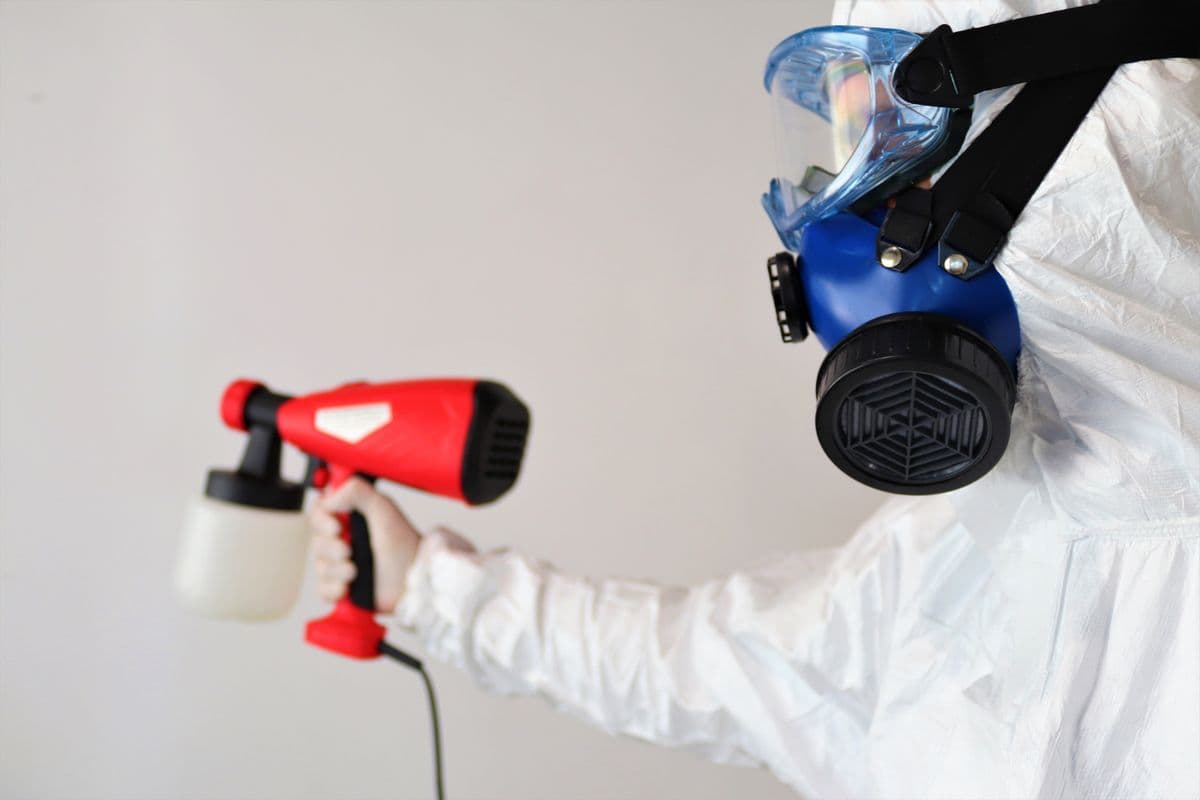
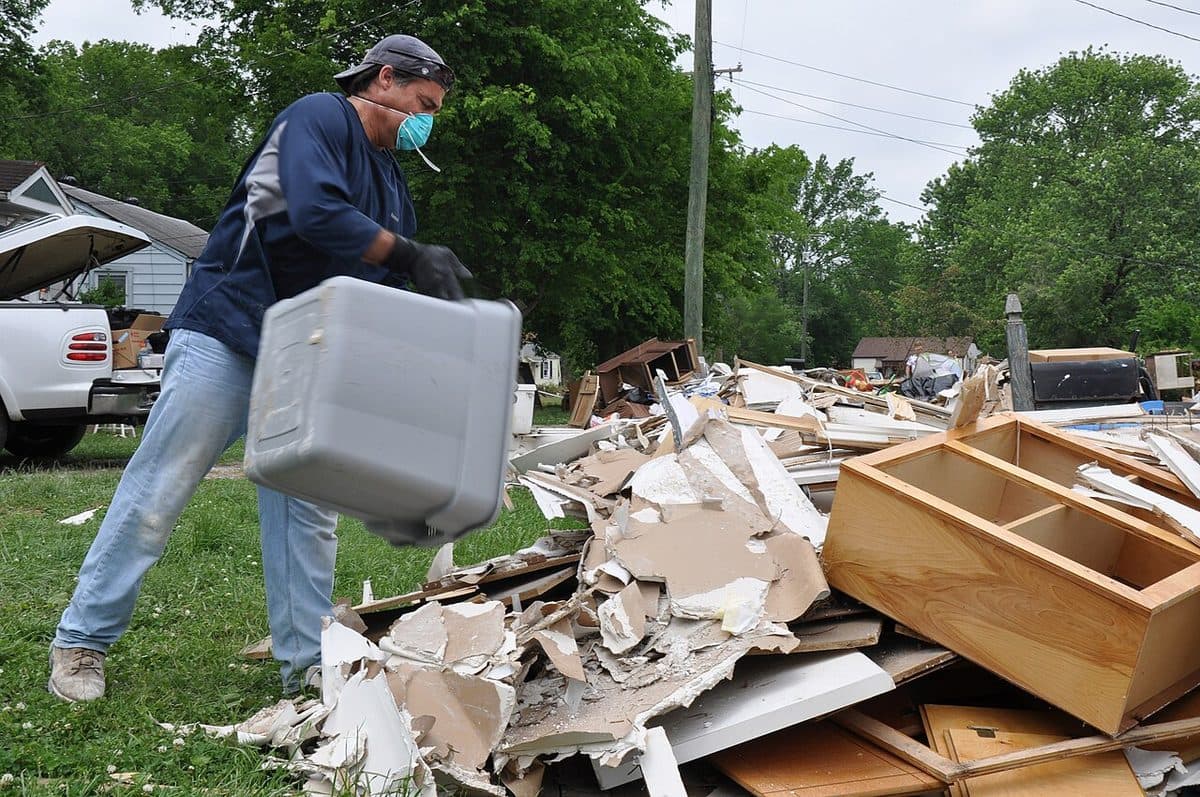
- Put on real protection. The EPA's flooded-home guidance is explicit: at a minimum, wear an N95 respirator, goggles without ventilation holes, and protective gloves. Garden gloves and a bandana are not protection. Rubber boots should go past the ankle, and clothes worn in the water should be laundered separately or discarded.
- Kill power to the affected area. If standing water is anywhere near an outlet, an appliance, or the water heater, shut the breaker off at the panel. If water is near the panel itself, stay out and call the utility. The most dangerous first instinct on a backup call is plugging in a shop vac in a wet room.
- Get people out of the exposure zone. Children, pets, pregnant household members, and anyone with a compromised immune system or a respiratory condition should not be in the house while contaminated water stands. The EPA says the same about who should never take part in flood and sewage cleanup work.
- Do not run your HVAC. If sewage water reached or climbed near your return ducts, running the system spreads contamination through every room. Close the register and leave the system off until the affected area is dried and cleared.
- Call your utility before you call anyone else if neighbors are affected too. When several houses on the street back up at once, the blockage is in the municipal line, not your plumbing, and running a plumber's snake accomplishes nothing. In Dallas, report a sanitary sewer backup through the city's 311 portal.
Treat raw sewage like a hazmat event for the first hour, not a mess. That is the rule we enforce on every crew we send, and it is the rule we give every homeowner who calls before anyone touches a towel.
Who Owns the Backup: You or the City?
Before you spend a dollar on repairs, figure out who owns the failed pipe. This determines whether your plumber bill is nothing or several thousand dollars, and whether your claim is really a utility matter.
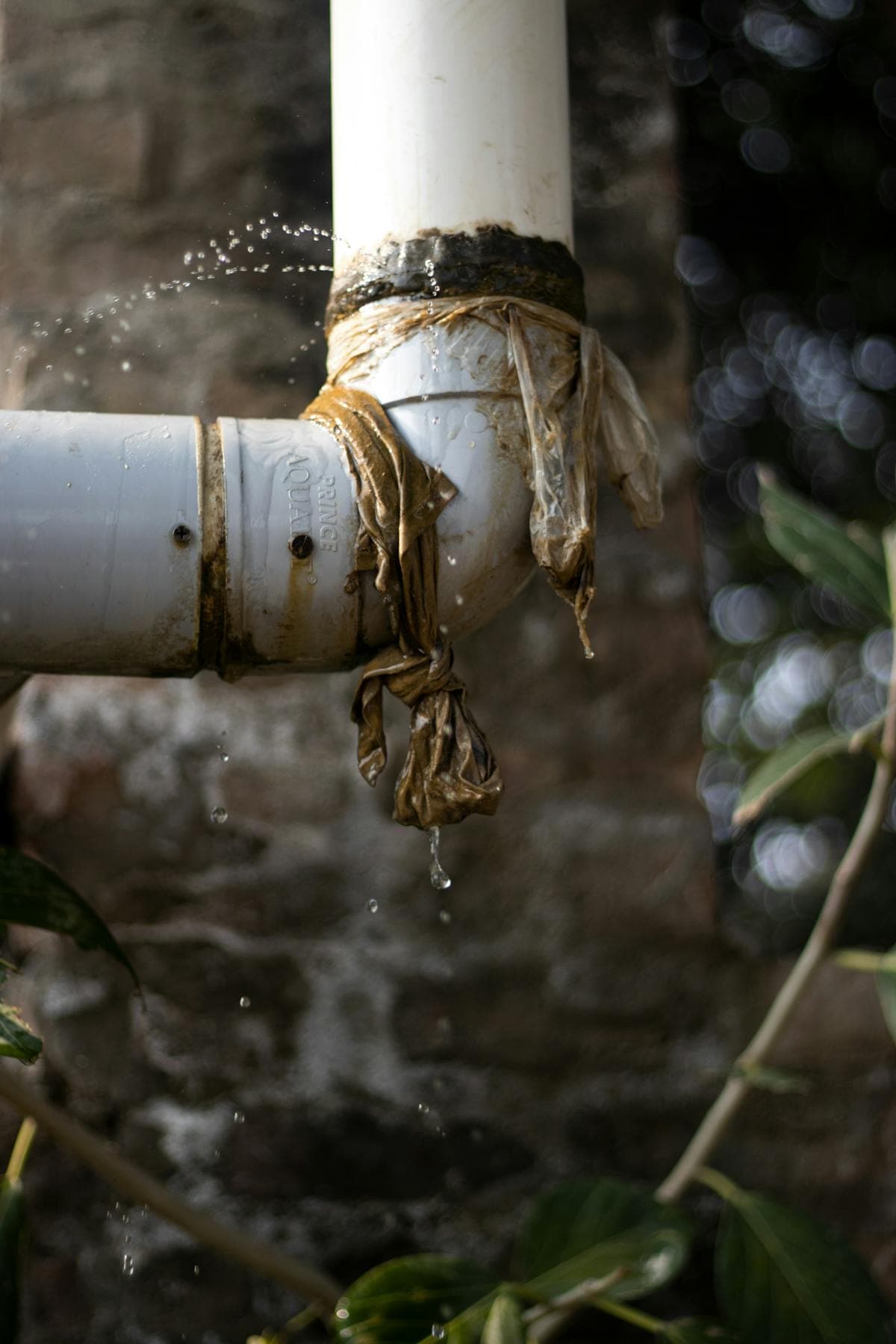
In Dallas, the answer is written into the city code. Dallas City Code Sec. 49-24 makes the city responsible for maintenance of the wastewater service connection from the main to the property line. Everything from the property line into the house, which includes the sewer lateral running under your yard, is the property owner's responsibility. Other DFW cities draw the line differently, so call your utility and ask for the boundary in writing before you authorize a repair.
Two DFW conditions produce most of the lateral failures on our calendar. The first is age. The older Dallas neighborhoods built from the 1920s through the 1950s, places like Oak Cliff and Lakewood, sit on clay tile sewer lines that tree roots find and open up joint by joint. The second is ground movement. North Texas sits on Blackland Prairie clay, a highly expansive soil that shrinks and swells with the wet and dry cycles. That movement shears lateral joints and creates bellied sections where waste pools and eventually blocks. A backup in a slab-on-grade home in Arlington or Grand Prairie, where most housing went up in the 1970s and 1980s, often traces back to exactly this.
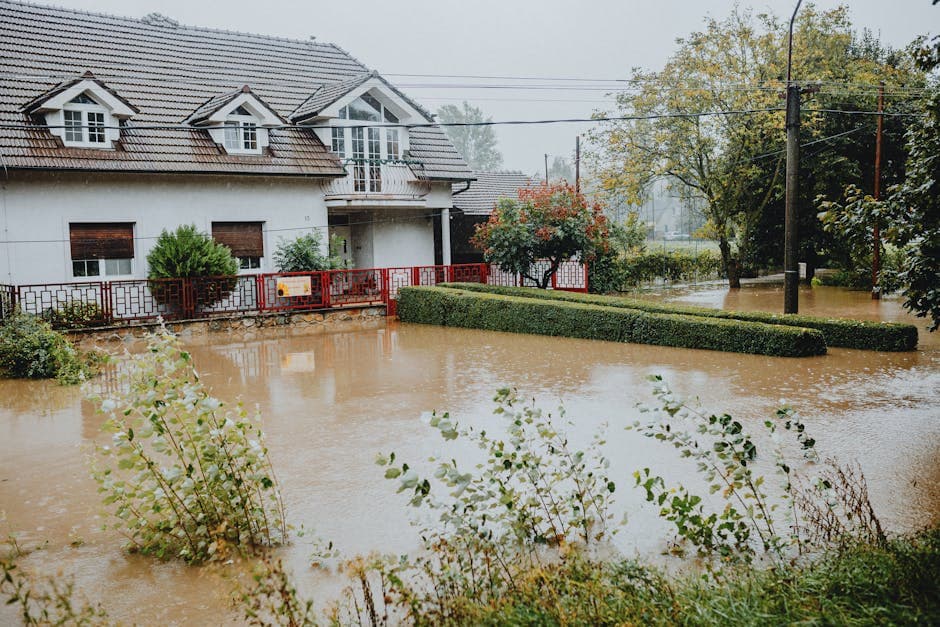
Here is the field test we walk homeowners through. If only your house is backing up, the problem is almost certainly your lateral, which is your cost. If multiple houses on your street have backups, gurgling drains, or a seeping manhole, that is a municipal blockage, and it belongs on the city's docket the same hour, the same situation our Dallas flooding guide walks through for storm-driven surcharges. We would rather you spend ten minutes on a utility call than a full plumber visit on a surcharged main.
What Is the Correct Cleanup Sequence?
Work these steps in order. Every shortcut at this stage risks turning a same-week recovery into a months-long insurance fight or a mold colony.
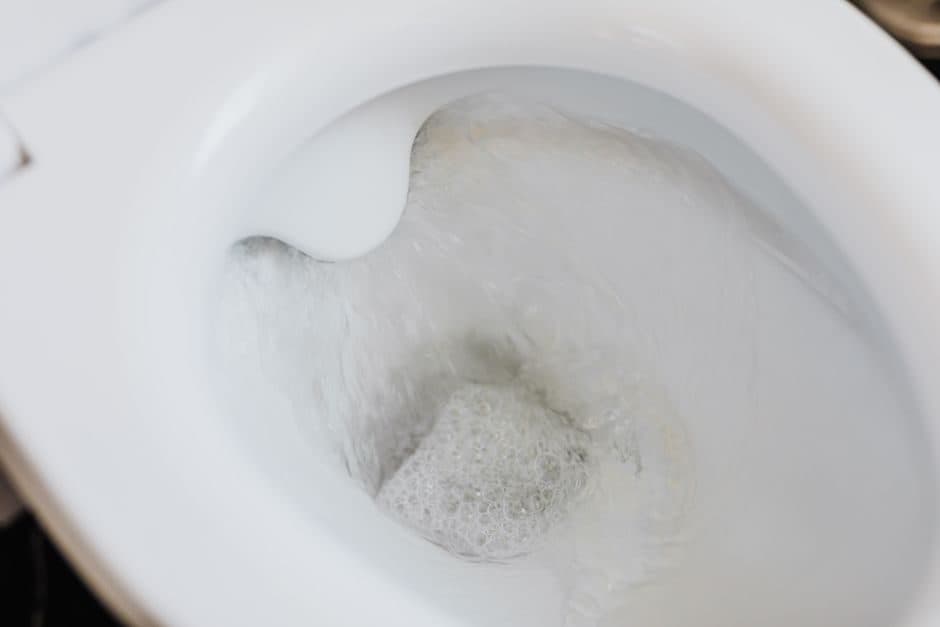
- Stop using every fixture in the house. No sinks, no showers, no washing machine, no toilets if you can avoid them. Every gallon you add to a blocked line comes back into your home. If a toilet is the source and it will not stop running, our guide to stopping a flooding toilet shows the shutoff that ends it.
- Photograph and video everything before you move a single item. Full-room shots wide, then close-ups of damage on furniture, walls, and floors. Your adjuster will reconstruct this loss from your photos, and the documentation habits we cover in our water damage follow-up guide apply double to a sewage claim.
- Call a licensed plumber or your utility, then a restoration professional. The cause gets fixed before the cleanup counts. Texas licenses plumbers statewide through the Texas State Board of Plumbing Examiners, so the license number you get is verifiable.
- Extract standing water, and never pump it into the street. Contaminated water goes to a sanitary drain or a vacuum truck. Professionals pull Category 3 water with truck-mounted extraction and dispose of it to code.
- Make the discard decisions fast. The CDC's mold cleanup guide is blunt: throw away anything that was wet with flood water and cannot be cleaned and dried completely within 24 to 48 hours. Mattresses, pillows, upholstered furniture, foam-backed rugs, and wall-to-wall carpet with pad do not make it out of a sewage event.
- Remove contaminated drywall and insulation above the waterline. Porous wall materials wick sewage moisture higher than the visible tide line. The standard cut is 12 to 24 inches above the waterline, and the cavity gets dried with commercial dehumidifiers, not house fans.
- Clean hard surfaces before you disinfect them. Detergent and water first to physically remove contaminants, then an EPA-registered disinfectant according to its label contact time. Never mix bleach with any other cleaner, and never run the HVAC until the area is dry and cleared.
What can be saved and what has to go after a sewage backup?
Discard: mattresses, pillows, stuffed animals, baby toys, upholstered furniture, foam-backed or wall-to-wall carpet and pad, books and paper goods, open food, cosmetics, and any drywall or insulation the water touched. Salvage candidates: solid wood furniture, metal items, glass, hard plastics, sealed hardwood that was dried within hours, and clothing laundered hot with bleach. When a salvaged item is genuinely valuable, get a professional cleaning quote before deciding; if the quote approaches replacement cost, discard it and claim it.
Why is the clock so much tighter in North Texas?
Mold can begin growing on wet materials within 24 hours, per the EPA's flood cleanup guidance, and our climate accelerates everything after that. The NWS DFW climate normals show average relative humidity holding high across most months of the year. A sewage-saturated wall cavity in a Frisco or Plano home in warm months is therefore a mold colony on a timer. Our full timeline, hour by hour, is in how fast mold grows after water damage in DFW.
Our stance is simple: extraction and containment in the first day are worth more than every deep-cleaning product in the hardware store. If the water has stood longer than a day, assume the porous materials are gone and manage the loss accordingly.
Can You Handle a Sewage Backup Yourself?
Homeowners can genuinely handle a small, contained spill with gloves, boots, detergent, and disinfectant. A backup that has entered wall cavities, carpet and pad, or a lower level is a different class of work, and the difference is not effort, it is containment. Professional crews build polyethylene containment, run negative air, and dry structural cavities to a verified moisture content. The table below is how we scope the line on calls.
| Situation | Realistic homeowner response | Where a professional is needed |
|---|---|---|
| Small spill on tile or concrete, discovered immediately | Full PPE, extract, detergent wash, then EPA-registered disinfectant | Not usually required if dried within hours |
| Water reached carpet or pad | Pull and discard carpet and pad, disinfect the slab | Yes, if the pad soaked or the room is large |
| Water climbed drywall or ran into a wall cavity | Cut out contaminated drywall and insulation above the waterline | Yes, cavity drying and containment are commercial work |
| Lower level flooded or multiple rooms affected | Stop fixtures, photograph, ventilate, move contents to a dry space | Yes, Category 3 events are professional remediation |
| Sewage odor or musty smell persists after cleaning | Do not paint or mask it | Yes, a lingering smell means residual contamination or moisture |
We draw the line at wall cavities and standing water. The honest version of this advice is that most sewage backups are beyond do-it-yourself the hour they start, and days spent trying to save a carpet pad cost more in mold risk than the remediation would have.
Will Insurance Cover a Sewage Cleanup?
Sewage claims turn on one distinction: sudden and accidental, or gradual. A toilet that overflowed tonight, or a lateral that collapsed during a cold snap, is sudden. Slow seepage from a bellied pipe you have been ignoring since it smelled is gradual, and standard homeowner policies treat gradual damage very differently.
Most standard HO-3 homeowner policies exclude water that backs up through sewers or drains unless the policy carries a sewer-and-drain endorsement. Texas homeowners commonly added that endorsement after the major regional floods taught the market a lesson, but commonly is not universally. Check your declarations page before you assume you have it, and ask your carrier directly whether the endorsement covers the lateral itself or only the interior cleanup. That distinction decides who pays for the dig.
Practical steps that protect the claim:
- File the same day you discover the loss, and say clearly that the water was Category 3 sewage.
- Photograph everything before discard, and keep a written discard list with estimates.
- Do not repair the lateral until your carrier has been notified, unless it is an active health hazard.
- Keep every invoice. Mitigation costs are generally recoverable when the loss itself is covered.
We recommend requesting the cleanup scope in writing from the adjuster and comparing it line by line against the IICRC-based scope your restoration contractor produces. When the two disagree, the gap is negotiable, and you do not have to accept the first number. Our insurance page explains how we handle documentation and adjuster coordination on your behalf.
How Do You Know the Cleanup Is Done?
A sewage cleanup is finished when the house tests dry and smells neutral, not when the truck leaves. Walk this checklist before you sign off on any project, including the parts you did yourself.
- Moisture verified, not assumed. Wall cavities and subfloor read at normal moisture content with a meter, and the drying equipment ran until they did.
- All Category 3 materials actually discarded. No carpet pad stored in the garage "to look at later."
- No residual odor. A musty or sewage smell at close-out means hidden contamination, and it becomes mold on the schedule in our mold growth timeline.
- The cause is repaired. The lateral is cleared, lined, or replaced, and your utility conversation is documented in writing.
- The claim file is complete. Photos, discard list, plumber invoice, mitigation invoices, and the adjuster's written scope are in one folder.
The questions we ask on every sewage backup call
Can I just bleach the floor and mop it dry? Only for a truly small spill caught immediately. Disinfectant on soil does not work; the contaminants have to be physically removed with detergent first, and porous materials still have to go. How long until I know if mold started? Growth can begin at 24 hours, so judge at day three and day seven with your nose and eyes along baseboards. Is a city-side blockage ever my problem? In Dallas, the city maintains from the main to the property line under City Code Sec. 49-24, but interior damage from a surcharged main is a claim conversation with the city and your carrier, not a DIY cleanup. Do sewers back up more in winter? The pipes themselves rarely freeze in most DFW winters, but blockages declare themselves when heavy household use meets cold weather, and the freeze weeks are when a minor root intrusion becomes a full backup.
If you are standing in a sewage loss right now in Dallas or anywhere in our DFW service area, start with the 24/7 emergency response line at (469) 525-2254 before step one, not after step seven. Contaminated water is the one loss where waiting a day changes what your house can become, and we treat it that way: containment first, always.