
Quick Answer
Allen water damage guide: AC drain clogs, flash floods, slab leak restoration and insurance claims from Collin County owners with 10+ years experience.
If you own a home in Allen, Texas, you already know the drill when the sky opens up and drops three inches of rain in under an hour. The drainage ditch behind the Bethany Lakes neighborhood fills fast. Water pools against the foundation on Arbor Creek Drive. And somewhere in town, a homeowner discovers their AC condensate line has been quietly overflowing into the attic for the last week, soaking through sheetrock and staining a ceiling that looked fine on Tuesday.
We are GOAT Home Services, and we cover Allen as part of our DFW service area. Over the years we have seen the same patterns repeat. Allen homes have specific water damage risks that come from their construction era, their soil conditions, and the North Texas climate. Here is what actually causes water damage in Allen, how to catch it early, and what the restoration process looks like when you need it.
Why Allen Homes Are Vulnerable to Water Damage
Allen sits squarely on the Blackland Prairie, the belt of expansive clay soil that runs through the heart of North Texas. This is the same soil that causes foundation problems across Dallas, Plano, and McKinney. It shrinks during dry spells and swells when it gets wet. Every Allen homeowner with a slab foundation has seen some version of this: a dry August cracks the slab, October rain follows those cracks, and suddenly there is moisture in the crawl space or a damp spot on the living room floor.
The housing stock in Allen is predominantly post-1990 construction. That means almost all homes are slab-on-grade with brick veneer exteriors. The city grew fast from the 1990s through the 2010s, and the newer neighborhoods near Allen High School and along Exchange Parkway have tight modern construction. The Estates of St. Andrews, Twin Creeks, and the sections near Celebration Park are mostly 2000s and 2010s builds with solid building envelopes.
But newer construction does not mean immune to water intrusion. In fact, some of the most expensive water damage we see comes from a purely modern problem: AC condensate drain line clogs.
The Number One Cause of Summer Water Damage in Allen
From May through September, the single most common water damage call we get from Allen homeowners is a clogged AC condensate drain line. Here is how it works. Your air conditioner runs constantly during a Texas summer. It pulls humidity out of the air and drains the condensate through a small PVC pipe. That pipe leads outside, usually near the foundation.
Algae, mold, and dust buildup inside that pipe eventually create a plug. When the plug forms, the water backs up. It overflows the drain pan. It drips into the attic insulation. It soaks through the ceiling sheetrock. By the time the stain appears in your living room (more on ceiling stains here), the attic can be holding gallons of water that have been sitting for days.
| Water Damage Source | Frequency in Allen | Typical Cost Range | Insurance Coverage |
|---|---|---|---|
| AC Condensate Line Clog | Very High (May-Sep) | $1,500 - $8,000 | Usually covered (sudden & accidental) |
| Slab Leak | Moderate (older homes) | $4,000 - $15,000 | Often covered, policy-dependent |
| Flash Flood (storm) | Seasonal (Mar-May, Sep-Oct) | $5,000 - $40,000 | Flood insurance required |
| Roof Leak (storm damage) | Moderate (hail/wind) | $1,000 - $7,000 | Wind/hail covered under HO-3 |
| Foundation Crack (soil movement) | Low (gradual onset) | $8,000 - $20,000+ | Excluded (maintenance issue) |
| Appliance/Water Heater Failure | Moderate (age 10+ years) | $1,500 - $6,000 | Usually covered if sudden |
Flash Flooding Risks in Allen
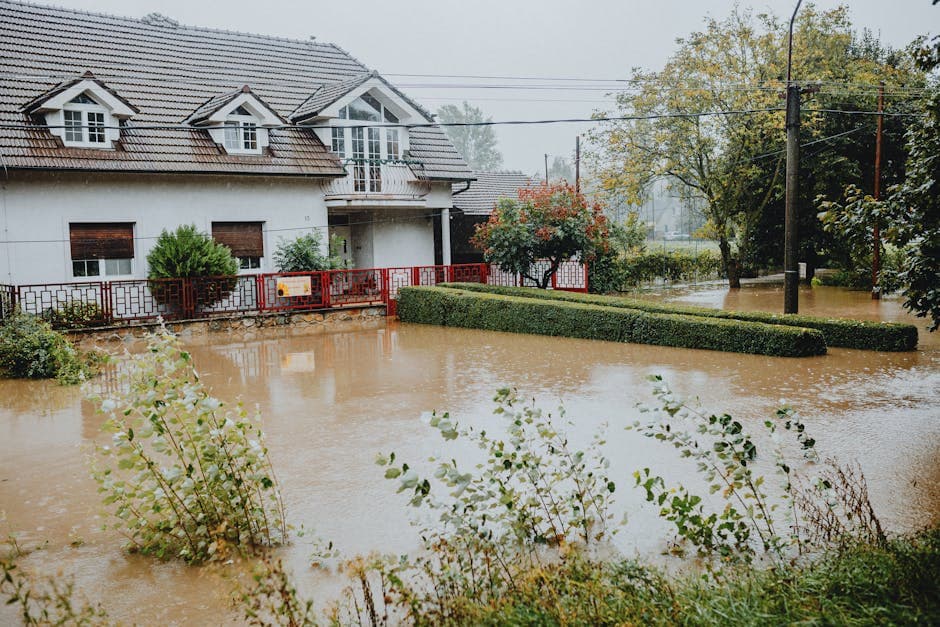
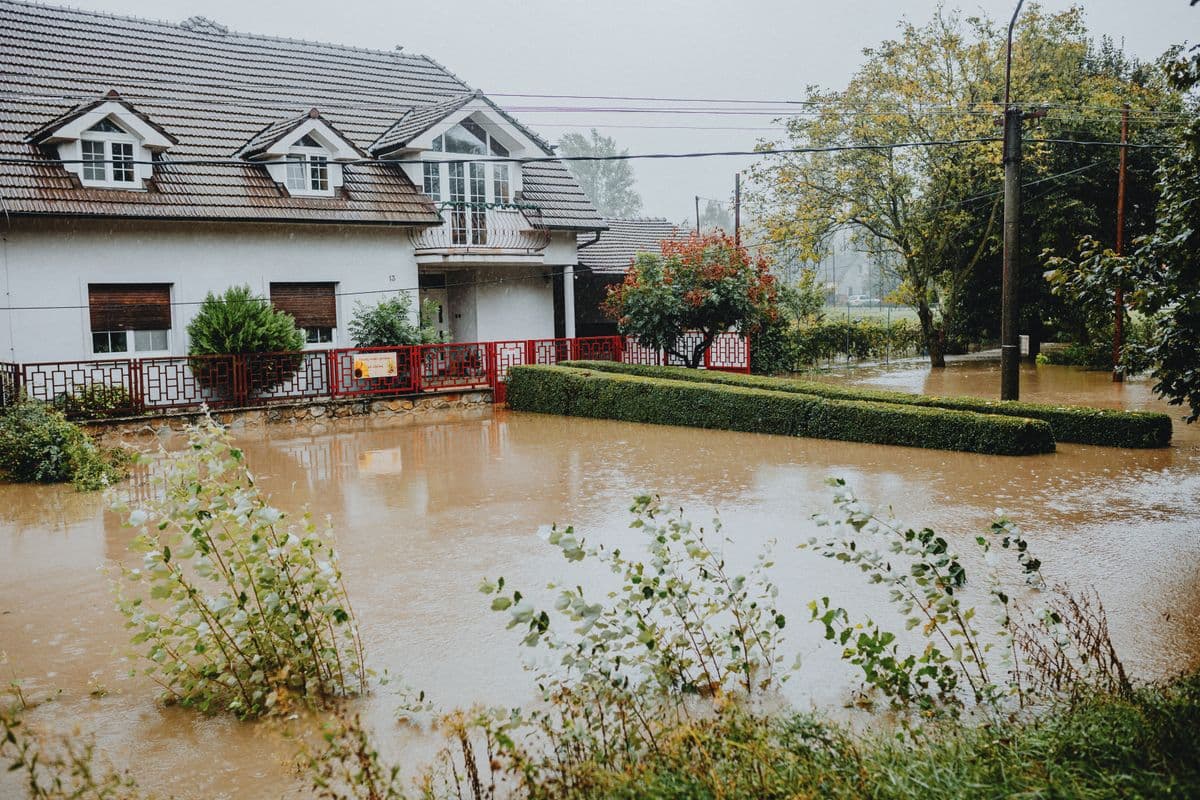
Allen sits near the headwaters of several small creeks that drain into the East Fork of the Trinity River. During a heavy thunderstorm, these creeks can rise fast. The areas around Bethany Creek, Allen Station Park, and the sections near Stacy Road and Custer Parkway see the most street flooding. Six inches of moving water can knock a person off their feet, and twelve inches will float most vehicles.
The neighborhoods along Bethany Drive and the stretch near Bethany Lakes Park are especially prone to flash flooding during summer storms. If water enters your home from outside during a rain event, that is technically flood damage. Standard HO-3 policies do not cover flood damage (more on water categories). You need either a separate flood insurance policy through the NFIP or a private flood carrier. This is the single most underinsured water damage risk for Allen homeowners.
Warning
Standard homeowners insurance in Texas does not cover flood damage. If water enters your Allen home from the ground up during a storm, you are likely paying out of pocket unless you have a separate flood policy. The NFIP average flood claim in Collin County is roughly $34,000. Check your policy before the next storm.
How the Restoration Process Works in Allen
When you call us for water damage in Allen, here is what happens. We dispatch a crew to your home, usually within an hour. Our technicians assess the extent of the water intrusion, identify the category of water (clean, gray, or black), and start extraction immediately. Time is the critical factor. Mold can begin colonizing wet materials within 24 hours. The IICRC S500 standard for water damage restoration (cost guide here) emphasizes rapid drying to prevent secondary damage.
The restoration timeline depends on the extent of the damage and the materials affected. Here is what a typical Allen water damage job looks like:
-
Emergency Call and Dispatch. You call, we dispatch our nearest crew to your Allen home. We arrive within an hour for emergency calls.
-
Inspection and Assessment. We locate the source of the water, determine the category, and map the affected areas with moisture meters and thermal imaging.
-
Water Extraction. Industrial pumps and vacuums remove standing water. We extract from carpet, padding, hardwood floors, and any saturated materials.
-
Structural Drying. Air movers and dehumidifiers dry out the affected structure. This takes 3 to 5 days depending on the materials and severity. We monitor moisture levels daily.
-
Cleaning and Sanitizing. Affected surfaces are cleaned, antimicrobial treatments are applied, and any contaminated materials are removed and disposed of properly.
-
Restoration and Repair. Damaged drywall, insulation, flooring, and trim are replaced. We return the affected areas to their pre-loss condition.
-
Final Inspection. We walk through the completed work with you, verify everything is dry and clean, and answer any questions about maintenance or prevention.
Insurance Claims for Allen Homeowners
Navigating insurance after water damage is one of the most stressful parts of the process for Allen homeowners. We work directly with your insurance company throughout the restoration. We document everything. We provide the estimates and scopes of work that adjusters need. And we help you understand what your policy covers, so there are no surprises when the claim settles.
For Allen homeowners, the critical distinction is always sudden versus gradual damage. Standard HO-3 policies cover sudden and accidental water damage. That means a burst pipe, an overflowing washing machine, or a sudden AC drain line backup is typically covered. Gradual damage from a slow leak, foundation settlement, or long-term humidity is usually excluded as a maintenance issue.
Does my Allen homeowners insurance cover AC condensate line overflow?
Usually yes, if the overflow was sudden and not the result of long-term neglect. Most standard HO-3 policies cover the resulting water damage from a clogged condensate line, but they will not cover the cost of unclogging the line itself or repairing the AC unit. Document the date you discovered the overflow and call your insurance company promptly.
How long does an insurance claim take in Collin County?
After a major storm, adjuster inspections in Collin County typically take 3 to 7 days. For isolated incidents (single-home water heater failure, for example), the timeline is usually faster, often 2 to 4 days. You can speed things up by having a restoration company like GOAT provide an initial estimate before the adjuster arrives.
What if my claim is denied?
If your claim is denied, ask for a written explanation. Common denial reasons for Allen homeowners include: exclusion for flood damage (if storm surge), exclusion for gradual leaks (if the leak was ongoing), or insufficient documentation of the damage. You have the right to request a re-inspection and to file an appeal with the Texas Department of Insurance.
Preventing Water Damage in Your Allen Home
The best water damage restoration is the one you never need. Here are steps every Allen homeowner can take this summer to reduce their risk.
Clean your AC condensate line monthly from May through September. Pour a cup of white vinegar through the access port near your indoor air handler. This kills algae and prevents clogs before they form. If your AC unit does not have an accessible cleanout port, call an HVAC professional to install one. It costs around $100 and can save you thousands in water damage restoration.
Check your gutters and downspouts. Allen homes with gutter systems that discharge too close to the foundation are at higher risk for water intrusion. Make sure downspouts extend at least 5 feet away from the slab. Gutters should be cleaned in the spring and fall, especially after the oak trees drop their leaves.
Know where your water shutoff valve is. In most Allen homes, the main shutoff is on the exterior wall facing the street, usually near the foundation, inside a plastic or metal box. If you have a plumbing emergency, shutting off the water fast can reduce damage by thousands of dollars.
Monitor your water bill. A sudden increase in water usage that you cannot explain is often the first sign of a slab leak. If your usage jumps by 30% or more and no one in the house changed their habits, call a plumber to check for a leak between the meter and the house.
Our Recommendation
Walk your Allen home's foundation line once a month during summer. Look for foundation cracks wider than 1/8 inch, soil pulling away from the slab (indicating settlement), or standing water near the foundation after a rain. These are early warning signs that water intrusion is a matter of when, not if.
Frequently Asked Questions About Water Damage in Allen, TX
What is the most common cause of water damage in Allen homes?
AC condensate drain line clogs are the most common cause of residential water damage in Allen during the summer months. The combination of high humidity (60-75% from May through September) and continuous AC operation creates ideal conditions for algae and mold to form inside condensate lines, leading to backups and overflow.
Does Allen have a high risk of flooding?
Allen faces moderate flash flood risk, particularly in neighborhoods near Bethany Creek and along the tributaries of the East Fork Trinity River. Most flooding events in Allen are street flooding during heavy thunderstorms (3+ inches in under 2 hours). Fewer than 5% of Allen homes are in a designated FEMA 100-year flood zone, but even homes outside the floodplain can experience water intrusion during extreme rain events.
How fast does mold grow after water damage in Allen?
Mold can begin colonizing wet materials within 24 to 48 hours in the North Texas climate (full mold growth timeline). Allen's summer humidity makes this timeline even shorter. If your home has been wet for more than 48 hours and you smell a musty odor or see visible discoloration, mold growth has likely started. Professional drying within the first 24 hours is the most effective prevention, and our mold remediation team can ensure it is done right.
How much does water damage restoration cost in Allen?
For a typical Allen home, water damage restoration costs range from $1,500 for a minor AC condensate overflow to $15,000 or more for a major slab leak or flood event. The cost depends on the extent of water migration, the materials affected, and whether mold remediation is needed. Most insurance claims for sudden water damage cover the cost minus your deductible.
Who regulates water damage restoration companies in Texas?
The Texas Department of Licensing and Regulation (TDLR) regulates mold remediation contractors in Texas. Water damage restoration companies are not directly licensed by the state, but the IICRC (Institute of Inspection, Cleaning and Restoration Certification) sets the industry standards for water damage restoration (S500) and mold remediation (S520). We hold IICRC certifications including WRT, FSRT, and others.
When to Call GOAT Home Services
If you live in Allen and you have standing water, a ceiling stain that is growing, or a musty smell that will not go away, call us. We answer the phone 24 hours a day, 365 days a year. A real person, not a voicemail tree. We dispatch our crews to Allen within an hour for emergency calls.
We work with your insurance company directly. We document everything. We do not use scare tactics, and we do not upsell services you do not need. Our goal is to get your Allen home dry, safe, and back to normal as quickly as possible.
Call us at (469) 525-2254 for a free estimate. We serve Allen and all of DFW.