
Quick Answer
Dallas mold inspection guide: what a licensed inspector checks, why Texas bars one firm from assessing and removing the same mold, and the 24-hour clock.
A mold inspection answers one question: is there a mold problem in this house, and what has to be done about it? In Texas, who is allowed to answer that question is written into law. Here is what a real inspection in Dallas covers, and the two phone calls to make before anyone touches a wet wall.
Do You Actually Need a Mold Inspection?
Not every suspicious spot earns a professional visit. We tell homeowners this straight because it saves money and because an inspection on a two-inch bathroom tile patch is a waste of everyone's afternoon.
Here is when we say skip it. A small patch of surface growth on grout, glass, or another hard non-porous surface, under roughly 10 square feet, in a room with no history of a leak, is a cleanup task. The EPA's own cleanup guidance says homeowners can handle growth below that 10 square foot line themselves, provided the material is not porous and the moisture source gets fixed. Scrub it, dry it, and move on.
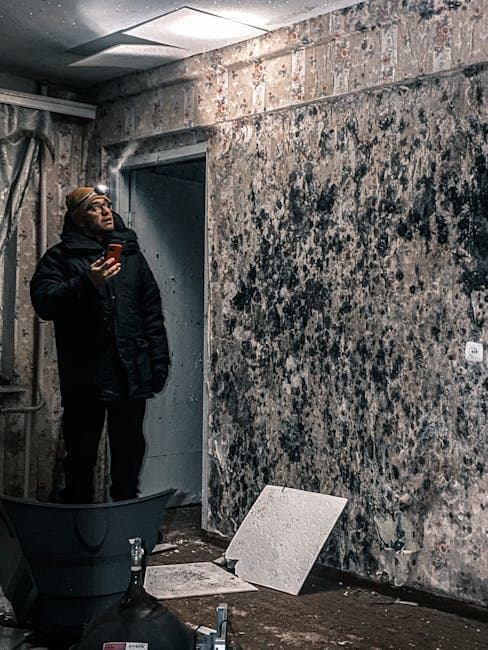
Here is when we say book the inspection. A musty smell that lives in one room and outlives your cleaning. A ceiling stain, especially one that keeps recurring (read the ceiling stain guide before you paint). A water leak of unknown age behind finished walls. Symptoms in the household that fade on weekends away. A real estate transaction in one of Dallas's older pockets, from Oak Cliff to Lakewood, where decades of unknown maintenance history sit behind the drywall (and asbestos may too: what removal costs here). And any time a remediation company tells you they found mold and then quotes the cleanup in the same breath. That last one is a licensing problem, and this post explains why.
Our stance after years of DFW jobs: the smell, not the spot, is the inspection trigger. Visible mold you can reach is usually the last inch of a moisture trail you cannot see.
Why Dallas Homes Earn the Inspection
Dallas housing stock runs the full age spectrum inside one metro, and each era has its own moisture signature. Pre-1960 neighborhoods, Oak Cliff and much of Dallas proper included, run pier-and-beam foundations. An uncovered vent, a torn vapor barrier, or a wet crawl space turns the underside of the house into a humid greenhouse, and the growth shows up above it as a musty first floor.
Post-1960 suburbia flipped to slab-on-grade poured over Blackland Prairie clay. That clay shrinks hard in drought and swells in rain, and every cycle works the slab a little. Where slabs and the pipes run through or under them move, copper joints and drain fittings flex, and a slow leak nobody hears feeds wall cavities for months before anything visible appears. Then the summer factor. North Texas dew points sit in the 70s for weeks from May through September, and an oversized or short-cycling air conditioner stops pulling moisture out of your air. That combination, tight houses plus humid summers plus failing condensate lines, is the most common mold story we walk into in this metro.
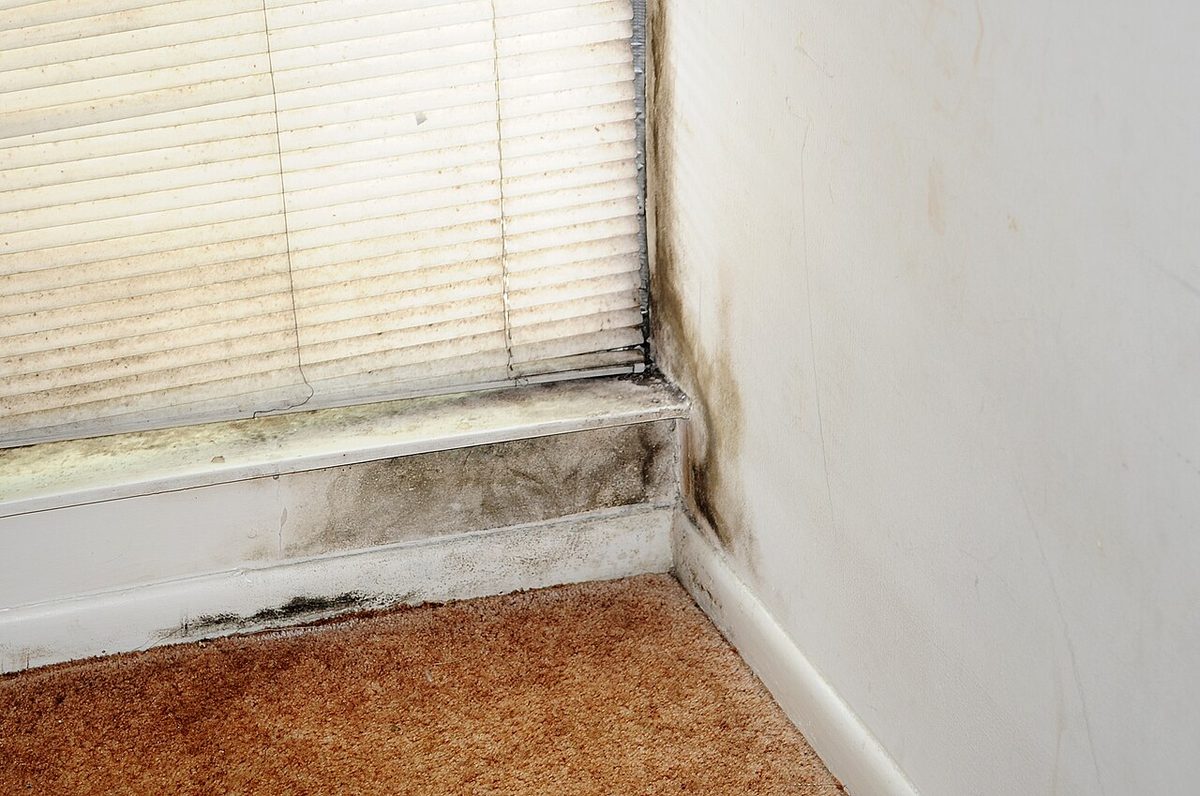
The EPA baseline applies to all of it: dry wet materials within 24 to 48 hours of a leak, and keep indoor humidity below 60 percent, with 30 to 50 percent as the ideal band. Dallas summers push uncovered moisture past that window constantly, which is why so many inspection calls here start as a water event nobody dried properly. The full hour-by-hour version of that clock lives in our guide on how quickly mold grows after water damage.
Our position: in this climate, "wait and see" is the expensive option. A cheap set of readings now beats a remediation scope later.
Who Can Legally Inspect Mold in Texas?
This is the section the other Dallas inspection pages skim past, and it is the single most useful thing a homeowner can know before booking anything. Texas licenses mold people through the Texas Department of Licensing and Regulation, and it splits the industry in half on purpose.
A licensed mold assessment consultant or technician inspects, samples where warranted, and writes the remediation protocol. A licensed mold remediation contractor does the physical cleanup. And per TDLR's own mold program FAQ, the same licensee is not allowed to conduct both assessment and remediation activities on the same project. One company cannot find your mold, write the plan for removing it, and also bill you for removing it. The state built that wall to kill the diagnosis-is-the-sales-pitch conflict of interest.
The licensing bar is real, not decorative. TDLR's company license application page shows what a licensed mold assessment or remediation company carries: an $850 company license fee, commercial general liability coverage of $1 million per occurrence filed with the state, and a licensed consultant or contractor acting as responsible person. Individuals pass a state exam before either license issues.
So before anyone inspects your house, do the two-minute check. Ask for the TDLR license number and run it through TDLR's license search. Verify which side of the wall the company sits on. If the inspector wavers on the number, you have learned what you need to know. We think this one habit filters out most of the bad actors in this metro before they ever get a deposit.
What Happens During the Inspection, Step by Step
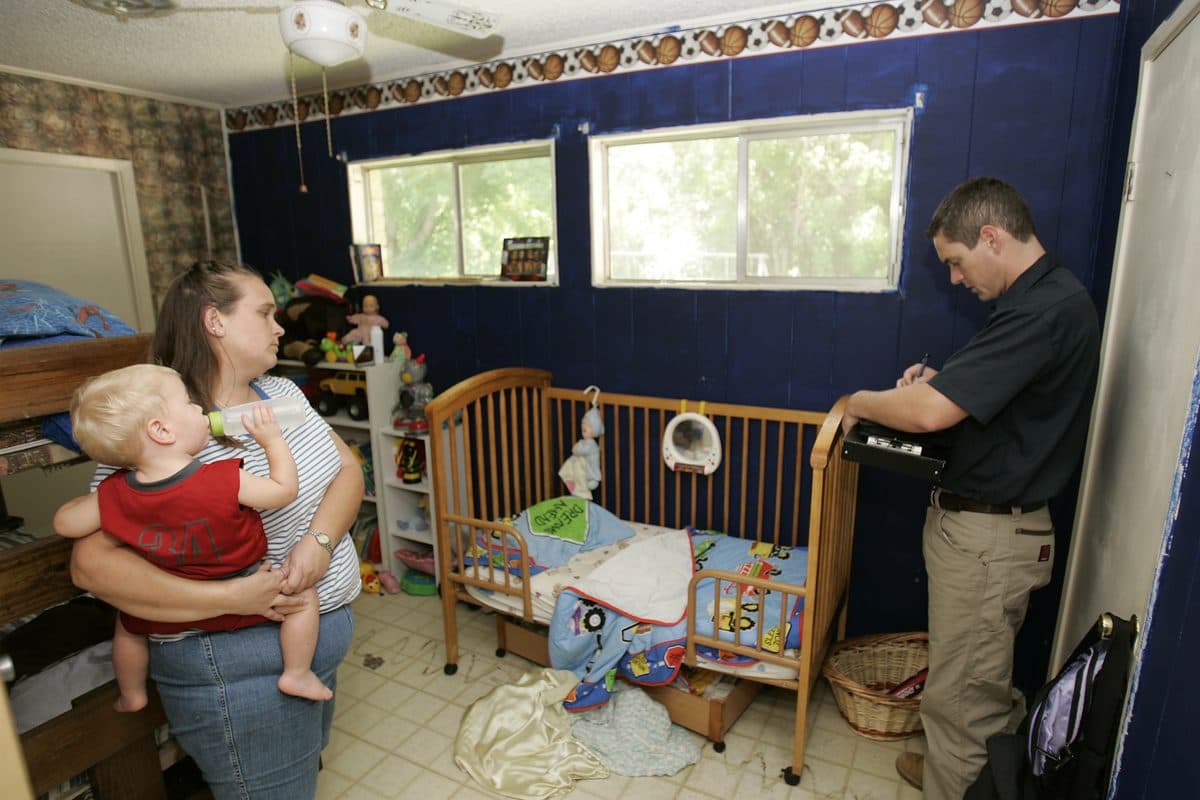
Before you book, a legitimate inspector should be able to tell you, in writing: the fee, what the visit includes, whether sampling is part of the quoted price or a separate decision, and who holds the license. If pricing is a mystery until boots are on your floor, book elsewhere. Our honest cost math, including what testing should and should not run you, is in our Dallas mold inspection cost guide.
Then the visit itself, in order:
- History interview. Ten minutes about leaks, smells, allergies, past water events, and which rooms bother whom. This steers everything after it.
- Room-by-room visual sweep. Every accessible space, with deliberate attention to bathrooms, kitchens, laundry, attics, and crawl spaces.
- Moisture readings. Pin and pinless moisture meters on suspect materials, plus the dry materials next to them as an honest baseline. This is the step that separates an inspection from a glance.
- Thermal imaging. Temperature differences on walls and ceilings where moisture hides behind finishes.
- HVAC check. Supply vents, returns, the air handler, condensate pans and lines. The most common air-quality amplifier in a Dallas house.
- Sampling decision, made in front of you. Good assessors sample only when findings justify it. A baseline air sample from outside the house compared against indoor air is the standard method for judging airborne levels. Sampling everything is upselling, not science.
- Written findings. Observations, readings, lab results where samples were taken, and a plain-language answer to your original question.
Here is where the growth actually hides in Dallas houses, which is what step two is hunting:
Above the ceiling: attics and AC condensate
Attic growth on roof sheathing is the metro's default find. The three causes we open most often:
- A bathroom fan vented into the attic instead of outside
- An attic AC coil dripping into a plugged drain pan
- A slow roof penetration leak wetting the deck above the insulation
The brown ring on your ceiling is months behind what the inspector sees on the deck.
Under the floor: pier-and-beam crawl spaces
In pre-1960 Dallas, Oak Cliff especially, the inspector goes under the house. The three findings that turn a crawlspace into a mold factory feeding your first floor:
- Vents left open through humid weather
- A missing or torn vapor barrier over the dirt
- A dryer vented into the joists instead of outside
Inside the walls and around the shell: slab-era leaks
In slab homes, clay movement stresses plumbing, and a slow tee leak wicks up wall cavities for months. Tells the inspector confirms: one wall cooler or damper than its neighbors, baseboard paint lifting at an exterior floor line, and a musty smell confined to exactly one room.
Our standard on the visit itself: no inspection is complete without numbers written down. Readings, not opinions, decide what happens next.
What the Report Must Contain, and the Texas Paper Trail
An inspection that ends in a verbal "yeah, you got mold" is worth nothing except a sales call. The finished paperwork is the product you paid for, and in Texas it feeds directly into your legal protections.
If the findings support cleanup, the licensed assessment consultant writes the remediation protocol. The protocol specifies the quantities and locations of materials to be removed, the methods, and the clearance criteria that must be met. You take that protocol to a remediation contractor of your choosing, which is the entire point of the licensing split. When the work finishes, a clearance assessment happens, and the paperwork gets very concrete: TDLR's mold FAQ spells out that the remediation contractor must sign and give you a Certificate of Mold Damage Remediation no later than the 10th day after the project stop date, with the licensed consultant who performed the post-remediation assessment also signing it. The same FAQ is blunt that a consultant who never wrote the protocol cannot simply test and declare a project cleared.
The table below lays out that paper trail, document by document, built directly on the sequence TDLR's mold FAQ defines:
| Document | Who signs it | Why it protects you |
|---|---|---|
| Inspection report | Licensed assessment consultant or technician | Written findings with moisture readings and lab results, your answer in writing |
| Remediation protocol | Licensed assessment consultant | Scopes the work; you hand it to any licensed remediator and compare bids apples to apples |
| Post-remediation assessment | The same consultant who wrote the protocol | Proves the cleanup met the clearance criteria it was scoped against |
| Certificate of Mold Damage Remediation | Remediation contractor plus the assessing consultant | Due by the 10th day after work ends; your carrier and any future buyer will want it |
That paper trail is the entire reason the assessment/remediation split exists, and it is the standard any Dallas firm you hire should produce in writing without being chased. If you are weighing whether the problem in front of you is a weekend or a contractor, our warning signs checklist sorts it symptom by symptom.
What About Insurance and the Dallas Market?
The inspection itself is rarely the big money. The question homeowners actually care about mid-inspection is what happens to the repair bill, and the honest answer starts with the Texas Department of Insurance. Its mold coverage guidance says most homeowner policies cover sudden and accidental water damage, like a burst pipe, and mold that develops on a damaged item from that covered loss is covered. Gradual leaks and seepage are not covered, and flood-fed mold is not covered, because home policies here exclude flood entirely. Cleanup and testing after the damaged item is removed usually need a mold endorsement you bought before the loss.
That rule is exactly why the inspection report matters financially. The report documents when the water arrived and where it came from, which is the difference between "sudden and accidental" and "gradual maintenance issue" in an adjuster's file. Photograph everything before cleanup, stop the water, dry what you can, and keep receipts, because mitigating further damage is your duty under the policy. The whole claims sequence, including supplements when walls open up worse than the estimate, is on our insurance page.
On the Dallas side of the market: the metro has plenty of licensed assessors and our own mold remediation services in Dallas run under the state's split structure, same as every compliant firm in the state. The species question behind most calls, what counts as the dangerous kind, is covered honestly in our black mold remediation guide for Dallas.
When to Act: The Dallas Clock
Here is the timeline compressed. You smell mustiness or find a stain, you book an inspection with a licensed assessor. You had water in the house within the last two days, the inspection is urgent, because the EPA's 24 to 48 hour drying window is the difference between a drying job and a remediation job. The protocol exists and a contractor is scheduled, your only job is changing quotes against the same scope.
If you are in Dallas, Plano, Frisco, Richardson, or anywhere in the metro with a smell you cannot source or a leak of unknown age, call us at (469) 525-2254. We dispatch 24/7, and one honest walkthrough with moisture meters either clears the house or produces the readings that make your next calls simple. The inspectors Texas licenses exist to give you an answer you can verify. Get the answer first. Everything else is a bid.