Quick Answer
Asbestos removal in Dallas-Fort Worth runs $5 to $15 per sq ft indoors, and almost no homeowner here has heard of the 10-working-day Texas notice rule.
Asbestos is cheap to leave alone and expensive to ignore. Most Dallas-Fort Worth homes built before 1980 have at least one material worth testing, and the removal bill is rarely the surprise. The paperwork and the licensing are. Here are the honest numbers, the Texas rules that shape them, and the quotes you should walk away from.
What Determines the Cost
Five things set the price of an asbestos job: what the material is, where it lives, how much of there is, whether it crumbles, and whether the project trips a notification rule. Friable material, anything you can crumble by hand like pipe cement or attic insulation, drives the price because the crew has to build containment and run negative air around it. Non-friable material like vinyl floor tile can often be removed wet and intact for less.
Location matters more than volume. Ten square feet of pipe insulation in a tight mechanical closet costs more than forty square feet of accessible ceiling. When we open a wall on an older Dallas job and find suspected material behind it, work stops until a licensed inspector has samples in hand. That pause costs a day. Skipping it can cost the whole claim.
Our stance: budget for testing before you budget for removal. A $1 inspection-driven decision beats a $0 guess every time, and the sections below show exactly what each scenario runs.
Real Cost Ranges by Category
The industry-wide averages below come from HomeGuide's asbestos cost guide, which publishes its data openly. Interior removal averages $5 to $15 per square foot, and exterior work runs $10 to $125 per square foot. Here is what that looks like broken out by the materials we run into most in older DFW houses.
| Material or location | Typical removal rate | What moves the price |
|---|---|---|
| Popcorn and textured ceilings | $4 to $20 per sq ft | Friability, ceiling height, room count |
| Vinyl floor tile and mastic | $4 to $15 per sq ft | Mastic grinding adds time |
| Attic and wall insulation | $10 to $25 per sq ft | Access, vermiculite volume |
| Pipe and duct insulation | $3 to $15 per linear foot | Linear runs, tight chases |
Those are national rates, and Dallas labor is not cheap, so read the upper half of each band as your local reality. The same guide notes that popcorn ceilings from the 1980s and earlier commonly contain asbestos, and that any insulation installed between 1920 and the early 1990s carries real risk. That date range covers a huge share of the housing stock inside Dallas's old streetcar suburbs and 1950s additions.
If you are staring at a stained old ceiling and wondering whether the ceiling is even sound, settle the water question first using our ceiling water stain guide. A leak that damaged textured ceiling material can turn a "leave it alone" call into a removal project.
Our stance: get three quotes on the same scope in writing, because asbestos bids spread wider than quotes in any other restoration trade we work around. A bid far under the pack is not cheaper, it is a different job.
How Testing Works Before Anything Gets Touched
Removal money should never be committed before a lab says yes. A licensed asbestos inspector takes small samples from each suspected material, one per surface or run, and the samples go to a lab for polarized light microscopy. DSHS licenses the inspectors, the labs, the supervisors, the workers, and the transporters separately, which is why one company doing the testing, the removal, and the clearance on your house is a structural conflict, not a convenience.
Results typically come back within a few days, and a typical Dallas house investigation collects a handful of samples: one from the ceiling texture, one from the floor tile and its mastic, one from pipe cement, one from attic insulation if vermiculite is present. What you are buying is a map. The map is what turns a scary five-figure possible scope into a priced three-room scope, and it is the first document a future buyer's inspector will ask for anyway.
Two rules from DSHS's licensing page are worth knowing before you let anyone touch a floor. Persons who remove resilient floor covering in public buildings after an 8-hour Resilient Floor Covering Institute course are exempt from the licensing requirement, but only while the flooring stays intact and non-friable. The moment someone starts grinding the mastic under your tile, that exemption is gone, and so is the cheap path.
Our stance: test every distinct material, not just the one you are worried about. Tile tests clean more often than the mastic under it, and a test plan that samples one and skips the other is how remediation budgets double mid-project.
Where Dallas-Era Homes Hide It
Asbestos was in Dallas homes from the 1920s through the 1980s, and it hides in predictable spots. Any pre-1980 house heading into renovation deserves a full hunt list, and these are the spots that matter.
- Popcorn ceilings. Especially in bedrooms and hallways added or refinished before 1980.
- 9-by-9 vinyl floor tiles and the black cutback mastic under them.
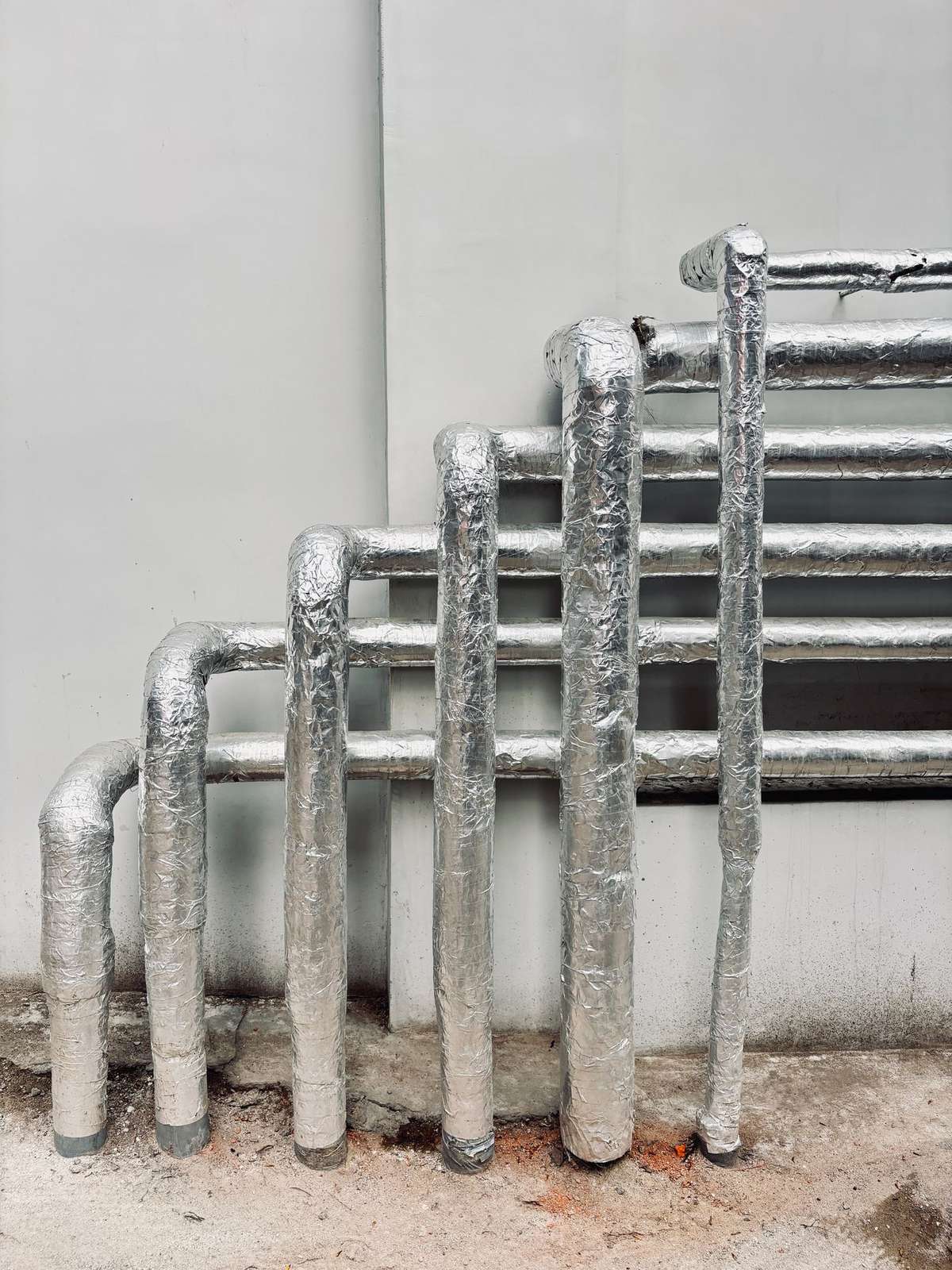
- Pipe lagging on boiler and supply lines in basements and mechanical rooms, the classic white crumbly wrap.
- Vermiculite attic insulation, often silvery and pebble-like, from the same 1920s-to-1990s window.
- Duct tape and mastic on older forced-air runs, and joint compound on renovated walls.
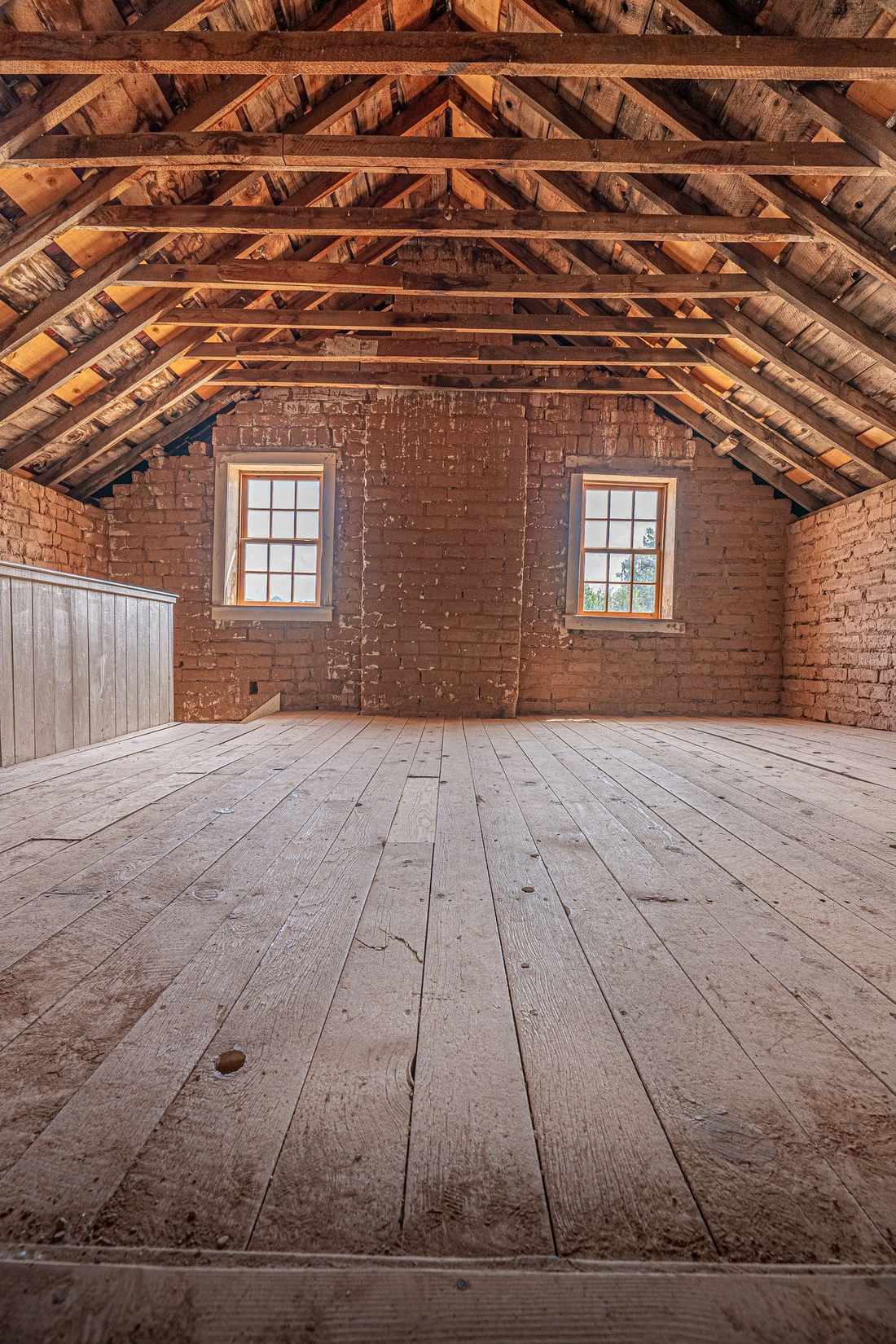
Old attics are where we most often see vermiculite paired with another problem: mold feeding on roof leaks above it. The two issues get handled under different rules, and our black mold remediation guide for Dallas covers that side.
Our stance: if your home predates 1980 and a renovation will cut, sand, drill, or demo anything but framing, test first. Sheetrock and joint compound are the materials homeowners forget.
The Texas Paperwork Layer
This is the section no national cost guide covers, and it is where Dallas projects get surprised. Texas asbestos rules run through the Department of State Health Services under the Texas Asbestos Health Protection Rules.
Three facts change your timeline. First, per DSHS notification guidance, most notified abatement and demolition projects must be filed at least 10 working days before work starts, not calendar days, and the owner pays a notification fee with a minimum of $55 invoiced after the project. Second, the same guidance confirms that demolishing one private residence does not require a DSHS notification under the asbestos NESHAP, which is a genuine carve-out for whole-house teardowns. Third, the licensing rules are scoped to public buildings: per DSHS's general asbestos FAQ, licensing applies to asbestos-related activity in public buildings, and only a licensed asbestos abatement contractor may remove asbestos from one.
Here is what a legitimate license behind your crew means, straight from DSHS's licensing requirements. An abatement supervisor carries a supervisor license earned with a department exam plus 90 days of documented work experience, and the worker registration fee is $65 against the supervisor application fee of $400. The full rules set the training behind it: a five-day contractor and supervisor course with at least 14 hours of hands-on work and a 100-question exam passed at 70 percent.
The same call-order logic we walk through in our Dallas mold inspection guide applies here: inspect and test with one party, remediate with another, so nobody grades their own homework.
Our stance: even though a private home sits outside the public-building licensing trigger, hire only a company that works with DSHS-licensed supervisors anyway. Federal OSHA rules and your future buyer's inspector do not care about the residential carve-out.
What Insurance Covers Here
Do not plan on the insurance company paying to remove asbestos. The material itself is treated as a maintenance condition, not sudden damage, and carriers in Texas write it that way. What can trigger coverage is the covered peril that disturbed it: a burst pipe that shredded an insulated line, or storm damage that tore open a wall with lagging behind it.
What we tell every homeowner on an older-house claim: get the material tested before demolition, and get your carrier's position in writing before abatement starts, not after. Our insurance claims page walks through how we document conditions like this so the file answers the adjuster's questions before they get asked. Disturbed material that spreads dust through the house also degrades your indoor air, which is the whole story behind our sick house syndrome guide.
Our stance: treat asbestos money as your budget line and insurance as a possible reimbursement, never as the funding plan.
Why the Cheapest Quote Usually Costs More
The low bidder saves money by cutting exactly the parts you cannot see after the walls close. No independent air clearance. No visible warning signage. Wet methods skipped to save an hour, which is precisely how fibers get airborne into your own ductwork.
What a real asbestos quote includes
- A written scope naming each material and location, tied to test results
- Containment build with negative air and HEPA filtration, described not just named
- Wet removal methods and sealed, labeled disposal at an approved site
- Final clearance performed by a party that is not the remover
- Documentation package you can hand a future buyer or adjuster
Questions the low bidder cannot answer
- Which DSHS-licensed supervisor is on this project, and what is their license number
- Who performs clearance air monitoring, and are they independent of the removal company
- Where the waste is hauled, and who signs the disposal records
- What happens and who pays if clearance fails the first time
A failed remediation means re-cleaning, re-testing, and sometimes legal disclosure of a botched job when you sell. That cleanup costs multiples of the money the low bid saved.
Our stance: hire on documentation, not price. The paper trail is worth as much as the containment, because it is what protects the house on the next renovation and the next sale.
The Verdict: Which Path Fits Your Situation
Removal is not always the answer, and the right call depends on the material and your plans for the house. HomeGuide's guide prices encapsulation, sealing the material in place, at $2 to $6 per square foot for ceilings and floors against removal at $4 to $20. Here is the call we would make room by room.
- You are staying put and the material is intact: encapsulate or enclose. Sealed popcorn ceiling and new flooring over intact tile are legitimate, cheap, and standard practice.
- You are renovating and the work will cut or sand the material: remove it as part of the project, tested first, with licensed supervision. This is the scenario where DIY hurts people.
- You are selling and the buyer's inspector flagged it: removal with a full clearance documentation package protects the sale; a disclosure of undisturbed material often closes just as cleanly, but the paperwork has to be honest.
- You are demolishing the house: the one-private-residence notification carve-out applies, but the workers still deserve wet methods and proper bagging, and most reputable abatement firms will do the survey anyway.
Our stance: leave intact, undisturbed asbestos alone and spend your money on the test report and the disclosure file. Spend removal money only where renovation or damage disturbs the material, never out of panic.
The Bottom Line: What You're Actually Paying For
An average single-material Dallas job, say one popcorn ceiling or a run of pipe lagging, lands in the low thousands at the rates above. Multi-room projects, attic vermiculite, or anything requiring full containment push the total up quickly. On top of the labor sit the real line items: testing, containment, independent clearance, and disposal.
Three numbers to carry into any quote conversation: $5 to $15 per square foot indoors per HomeGuide, 10 working days of lead time on notified projects, and a $55 minimum notification fee. A contractor who cannot say all three out loud has not done this kind of work in Texas, and probably cannot produce the paperwork your file needs later.
When test results come back positive, GOAT Home Services coordinates the licensed abatement and then rebuilds behind it under one roof through our asbestos abatement service, so you are not chasing a remover, a cleaner, and a framer through one adjuster. You can reach us at (469) 525-2254. Test first, plan the paperwork, and the removal part is the easy half.