
Quick Answer
Texas mold damage guide for DFW homes: the 24-hour moisture clock, TDLR license rules, what insurance covers, and the 8-step cleanup sequence we actually run.
Mold damage is a water problem wearing a mold costume. In Dallas-Fort Worth, the climate hands mold a running start on every slow leak we find. Here is the sequence we follow on real DFW jobs, what Texas law requires of every contractor who touches it, and how you prove the work is actually finished.
Where Does Mold Damage Come From? Find the Water, Then Read the Clock
Before you scrub a single spot, you need two things settled. First, the moisture source. Second, how long that spot has been wet.
The federal baseline comes from the EPA's mold guidance: dry wet materials within 24 to 48 hours and keep indoor humidity below 60 percent, because mold spores simply will not grow without moisture present. That clock is the whole reason mold quotes in this metro look the way they do. A burst supply line found the same afternoon is a drying job. The same line found three weeks later is a remediation job, because the drywall and the wall cavity below it have been drinking the whole time.
DFW makes the clock run faster than the brochure suggests. From May through September, this metro sits at dew points in the 70s for weeks at a stretch, and an AC that is oversized or short-cycling stops pulling that moisture out of your air. Add Blackland Prairie clay, which moves slabs year after year and quietly stresses the drain and supply lines run through them, and you get the most common mold story we see: a small slab or tee leak nobody heard, feeding a wall cavity through an entire humid summer.
Here is the hour-one checklist we walk every homeowner through:
- 1. Find and stop the water. Know where your main shutoff is before you need it. A leak that keeps feeding makes every later step pointless.
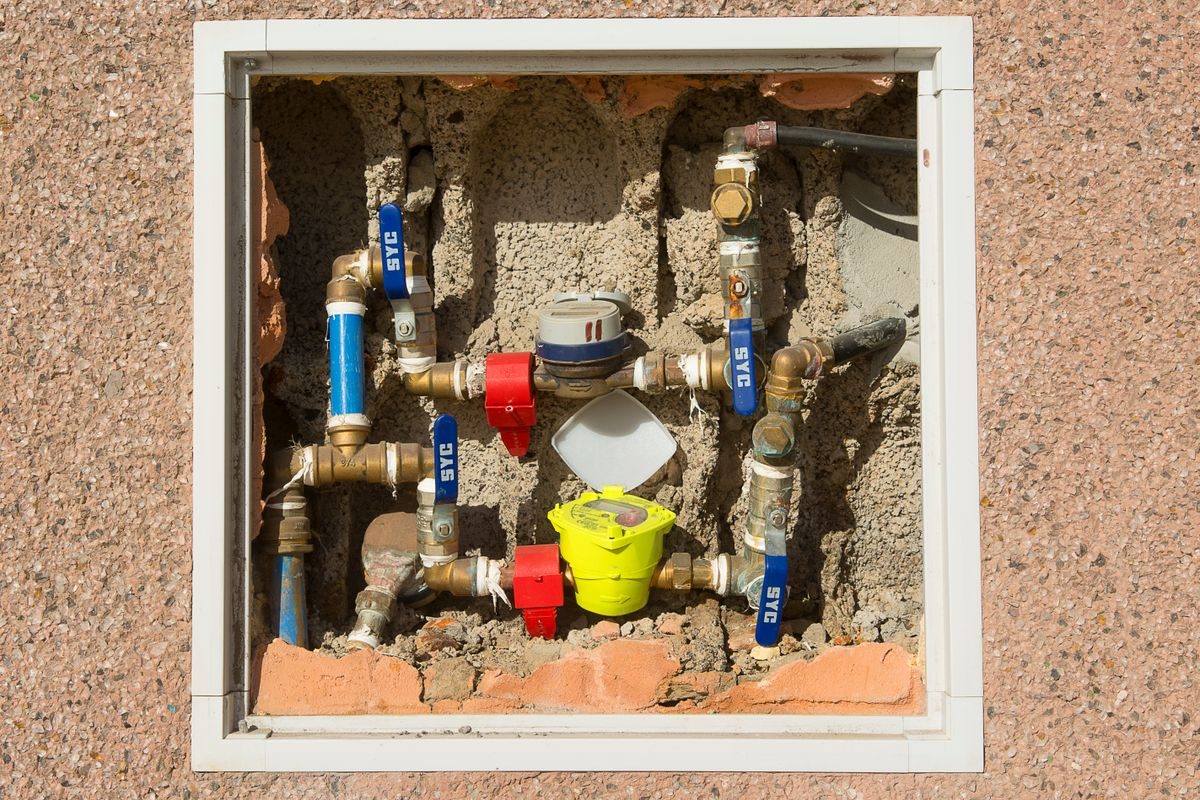
- 2. Run the meter test. With every fixture off, watch the water meter dial. If it turns, you have a hidden leak, and no amount of surface cleaning fixes what is under the floor.
- 3. Measure, don't guess. A $15 hygrometer from any hardware store tells you whether the room is sitting above the EPA's 60 percent humidity ceiling. A damp-smelling closet that reads dry is a cleaning problem. The same closet damp to the touch is a construction problem.
Our position after years of DFW mold jobs: if the moisture source is still active, you do not have a mold problem yet, you have a scheduled one. Kill the water first. Everything else is stage two.
Who Can Legally Remove Mold in Texas, and Why That Splits the Industry?
Texas does this differently from most states, and almost nobody outside the industry knows it. The EPA guide tells you to hire someone experienced. Texas makes that enforceable. The Texas Department of Licensing and Regulation licenses mold assessment consultants and mold remediation contractors separately, by state exam, and the state's own company license application page shows what a real company carries: the $850 company license fee and commercial general liability coverage of $1 million per occurrence, held on file with the state.
That split matters more than the fee. In Texas, the company that finds and measures your mold legally cannot be the company that removes it. An independent licensed assessor writes the remediation protocol, and after the work, the same consultant performs the post-remediation clearance before the project can be called done. The Texas Department of Insurance tells homeowners to verify the state license before filing a mold claim, and reminds you that mold professionals must hand over a certificate that the mold was removed.
So here is the lever. Any company that flinches when you ask for a TDLR number is saving you the trouble of finding out the hard way. Every mold project we run in this state is scoped under a licensed assessor's protocol, and one of our project managers holds a Texas Mold Remediation Contractor license in his own name. Check the number at TDLR's license search before you sign. It costs you two minutes and filters out the guys with a truck, a sprayer, and no exam.
When Can You Clean Mold Yourself, and When Must You Call a Pro?
The EPA gives homeowners a real, defensible line: under roughly 10 square feet of growth, which is about a 3-foot by 3-foot patch, on a hard non-porous surface, most people can clean it themselves with detergent and water, dry the surface completely, and fix the moisture source. That is a genuine threshold, and we point homeowners to it honestly.
Two conditions blow past it even on a small patch, and we will tell you this even when it costs us the job. First, if the water that caused it was sewage or floodwater, this is no longer a mold question, it is a contaminated-water question, and the EPA itself says call a professional. Second, if the growth is in drywall, insulation, carpet pad, or any other porous material, the roots go into the material and wiping the surface is theater.
The table we keep on our own wall, since homeowners keep asking us to draw the line:
| Situation | Reasonable DIY | Call a licensed remediator |
|---|---|---|
| Size and surface | Under 10 square feet on tile, glass, or metal | Any growth in drywall, insulation, or carpet pad |
| Water behind it | Clean supply water found within a day | Any leak older than two days, or unknown age |
| Water source | Condensation or a splash | Sewage, floodwater, or groundwater |
| HVAC involved | Growth nowhere near ducts | Any growth at vents, ductwork, or the air handler |
| Odor test | Smell gone after cleaning and drying | Musty smell that outlives the cleanup by a week |
Note what is not on that list: bleach. The top of the internet still recommends it, and on porous drywall it is close to useless because the water in it feeds what the chlorine misses. We would rather you find this post than learn that the hard way.
The Remediation Sequence We Run, Step by Step
When a DFW home crosses the line, this is the order of operations our mold remediation crews run. It follows the IICRC S520 standard and Texas's licensed-assessor structure, and it is the same sequence whether the job is one wall in a Garland bath or a whole attic in Frisco.
- 1. Source control. The water stops before anything else happens. A plumbing repair, a tarp, or a shut valve, depending on what the inspection finds. If your ceiling stain came from the AC condensate line, that line gets cleared or rerouted first.
- 2. Moisture map. We meter the affected materials and the dry materials next to them, and we write both numbers down. The dry readings are your baseline, and they are what the final verification gets compared against.
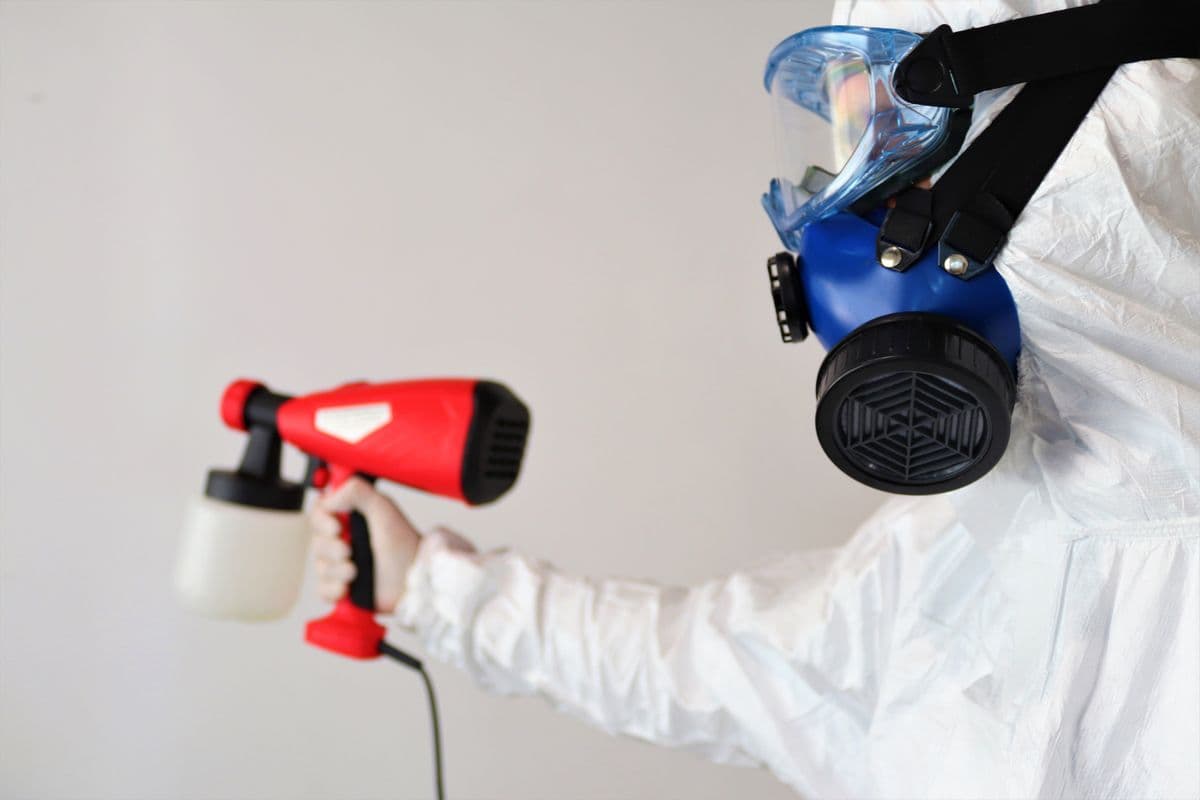
- 3. Containment. Plastic barriers seal the work area, and negative air with HEPA filtration keeps disturbed spores from touring the rest of your house. This is the step DIY skips and the reason DIY mold jobs spread.
- 4. Removal. Porous materials with growth in them come out, bagged and sealed at the source. Materials that can be cleaned get cleaned; materials that cannot get removed. No heroics over a wet piece of drywall.
- 5. Cleaning of what stays. HEPA vacuum, then damp-wipe the exposed structure until the surface reads clean, and antimicrobial treatment where the protocol calls for it.
- 6. Drying to target. Air movers and dehumidifiers run until our moisture readings match the baseline numbers from step two, not until the wall feels dry.
- 7. Clearance. The independent licensed assessment consultant re-inspects, samples where the protocol requires, and signs off. In Texas this is a legal checkpoint, not a courtesy call.
- 8. Rebuild and documentation. New drywall, insulation, and paint, plus a paper trail: the moisture logs, the photos, the protocol, and the Certificate of Mold Damage Remediation. Your adjuster will want all of it.
The honest timeline and cost reality behind those eight steps lives in our guides on how long remediation takes and what remediation costs in DFW. We publish both because guessing is how homeowners get surprised.
Where Does Mold Hide in DFW Homes?
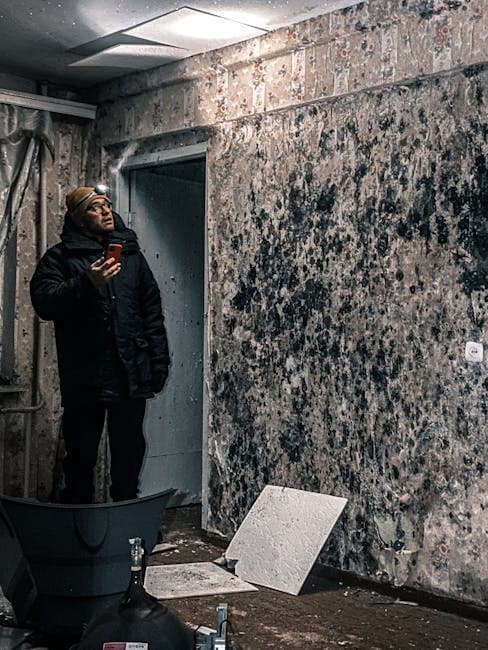
Mold damage that shows itself on a baseboard rarely starts there. These are the hiding spots we open most often across the metro, and they are worth ten minutes of your weekend.
Above the ceiling: attics and AC condensate
Behind the wall: slab and supply-line leaks on clay soil
Under the floor and around the shell: crawl spaces, baths, and windows
Our stance on all three: if you find growth in a hiding spot, you found the last inch of a journey that started months ago at the water. Treat the source location as the real problem and the visible spot as the receipt.
What Does Insurance Typically Cover in a Texas Mold Claim?
This is where Texas guidance beats every national article, so we will keep it concrete. The Texas Department of Insurance lays out the rule plainly on its mold coverage page: most homeowner policies cover sudden and accidental water damage, like a burst pipe or a broken washer hose, and mold that develops on a damaged item from that covered loss is covered. Gradual leaks and seepage are not covered, and mold fed by a flood is not covered, because home policies here do not cover floods at all.
The gap most homeowners discover mid-claim is cleanup and testing. Per TDI, most policies do not include mold cleanup and testing after the damaged item is removed, unless you carry a mold endorsement. The state's home insurance guide lists mold removal among the add-on endorsements you can buy before, not after, the loss.
What that means for the way you handle the first 48 hours:
- Photograph everything before anyone touches anything, including the suspected source.
- Report the water loss immediately, because TDI notes hidden water damage usually must be reported within days of discovery.
- Make temporary repairs to stop further damage and keep every receipt. Mitigating the loss is your contractual duty, and the drying log becomes claim evidence.
- Do not throw out damaged materials until the adjuster has seen them, unless they are a health hazard.
We work claims this way on purpose: moisture map on hour one, dated photos as we find, daily drying logs, and an itemized scope your adjuster can price line by line. When the carrier questions whether the mold came from a covered sudden loss, that documentation is the answer. Our insurance page walks the whole process, including supplements when we open a wall and find more than the estimate saw.
How Do You Know the Mold Damage Job Is Actually Done?
The EPA gives the finish line for any mold cleanup, licensed or DIY: the water problem is completely fixed, visible mold and moldy odors are gone, a revisit days later shows no new growth or moisture, and the household re-occupies the space without symptoms. In Texas you get one extra proof on top of that, and we think it is the most useful consumer protection in the whole process: the remediation contractor signs and gives you a Certificate of Mold Damage Remediation no later than the 10th day after the project's stop date, and the licensed assessment consultant who ran the clearance signs it too, stating the contamination was remediated and the underlying cause was corrected.
So before you release final payment on any Texas mold job, you should be holding three things: the assessor's clearance, the signed certificate, and before-and-after moisture readings that actually match the dry baseline. A company that completed the work properly will hand all three over without being asked. If any of the three requires a phone call and a wait, that tells you something.
If the timeline matters to you, read how fast mold grows after a DFW leak so you know what the next 48 hours will decide, then call us at (469) 525-2254. We dispatch 24/7 across Dallas, Plano, Frisco, Arlington, Garland, and the rest of the metro, and a same-day moisture map either clears your worry or scopes the real job. The clock is the enemy in mold damage. You beat it by measuring early, not by scrubbing hard.