
Quick Answer
Dallas pipes freeze in the attic, not the yard. DFW sees 5 to 10 hard-freeze nights a year, December through February. Here is the October prep that works.
A Dallas freeze does not break the pipes you can see. It breaks the ones in your attic, your garage, your crawlspace, and the shallow service line from the street. We dry out the homes that flood every freeze: the risk sits in an unconditioned space nobody checked. Here is the prep that works, in the order it matters.
Why Dallas Homes Freeze When Northern Homes Do Not
Dallas sits in a freeze environment the local housing stock was never built for. Austin Water's cold weather guidance tells Texas residents to let faucets drip at a trickle during freezing weather and open cabinet doors on exterior walls, advice you will never hear in Minnesota, because northern plumbing sits below the frost line and inside conditioned space. Texas plumbing does not.
Three local factors stack against DFW homes:
- Shallow service lines. The water line from the city meter to your house runs far shallower here than in freeze-hardy states, which is why the street-side line is often the first thing to lock up in a multi-day hard freeze.
- Attics with no heat. In a Dallas home, supply lines for bathrooms and kitchens frequently run through a ventilated, unheated attic. The moment outdoor air drops into the 20s, that attic is the coldest plumbing space in the house.
- Crawlspace vents built for summer. Pier-and-beam vents exist to dump hot, humid air in July. In January they are open slots letting wind chill blow directly across your drain and supply lines. Freeze guidance for Texas homes says it plainly: seal leaks in crawl spaces before the cold arrives, and cover the vents on pier-and-beam houses the same week.
The Texas Department of Insurance has reached the same conclusion from the claims side: in its frozen-pipe advisory, the agency tells homeowners to start pipe wrapping in the attic, because that is where many Texas homeowners saw pipes freeze in past winter events.
Our stance after a decade of post-freeze drying jobs: in Dallas, freeze prep is mostly an attic, garage, crawlspace, and hose-bib problem. Treat it that way and you skip most of what walks through our doors in January.
When Does Freeze Season Hit DFW? Your Month-by-Month Timeline
DFW averages five to ten hard-freeze nights (below 28 degrees) per year, and the freeze window runs December through February. An Arctic overlay winter can put several of those nights back to back, and that is the pattern that actually breaks pipes: one cold night is survivable for most homes, three consecutive nights in the teens is not.
| When | What gets done |
|---|---|
| October, now | Insulate exposed attic and garage pipes, install foam covers on every exterior faucet, find your shut-off valves |
| Late November | Cover pier-and-beam crawlspace vents, drain and store hoses, winterize the sprinkler backflow |
| First freeze watch | Open cabinets on exterior walls, set the drip the night before the cold arrives |
| During the freeze | Keep the drip running and the thermostat steady, 60 degrees minimum, day and night |
| Extended freeze (2+ nights below 28) | Shut the system down and drain it if the house will be empty; keep 60 degrees if occupied |
| The thaw | Check every pipe route for weeps and cracks, know where your main shut-off is before you need it in the dark |
We publish this guide in late October on purpose. The prep that works is the prep finished before the first freeze watch, not the hardware-store run the afternoon the National Weather Service names your county.
Which Spots in Your Dallas House Freeze First?
Walk your house in this order. Each spot is a place we dry out after the thaw.
1. The attic
Your highest-value half hour. Find every water line routed through attic space, typically bathroom groups and, in many Dallas homes, the kitchen main run. Foam sleeve insulation on those lines is a hardware-store afternoon, not a contractor job. The Texas Department of Insurance advisory puts the attic first for the same reason we do: it is where Texas homes actually froze.
2. Every exterior hose bib
The faucet on the back wall is the single most common freeze casualty in DFW, because the pipe behind it runs through exterior wall or attic space with a short stub to the outside. Remove the hose first (a hose left connected lets water sit in the bib and freeze it from the outside in), then fit a foam cover over the bib. If your home has frost-free spigots, find the shut-off inside the garage or pantry that feeds them, turn those lines off, and drain them for the winter.
3. The garage
Walls in an attached garage are not conditioned. If a water line or water heater rides an interior garage wall, wrap it. Keep the garage door closed during freeze events; if you park two cars and open that door daily in a hard freeze, it is your biggest cold air intake.
4. Crawlspace vents on pier-and-beam homes
If you live in Oak Cliff, Lakewood, downtown Fort Worth, or any DFW neighborhood with pre-1960 homes, this is your section. Cover each foundation vent with a vent cover or rigid foam cut to size before the first freeze, then remove or loosen the covers in spring so summer moisture does not trade one problem for another. Uncovered vents in a freeze freeze the drains under your floors first, and under-floor bursts are the most expensive water damage calls a restoration crew can get, because the water has nowhere to go but the joists and the drywall from below.
5. Under the sinks on exterior walls
Open the cabinets the night a freeze watch is issued. The kitchen sink wall and any powder room on a perimeter wall are where this advice earns its keep, per Austin Water's cold weather list: open cabinets, drip the faucets, let the house heat reach the pipe. If the cabinet holds an ice maker or disposal plumbing, leave the door open all freeze season.
6. The water heater and its relief line
Cold attic air around a tank in an attic-mounted pan stresses the tank and its piping, and in a freeze the temperature-and-pressure relief line can weep or freeze. We cover the failure modes in our guide to water heaters leaking from the top, and the same winter inspection applies: sight-line every fitting while the system is warm and dry, not the morning it is not.
Once the audit is done, tag the two valves that matter: the main shut-off at the meter (a meter key lives in the kitchen drawer all winter) and the house-side valve where the line enters. A burst line in a Dallas freeze is usually discovered at the thaw, and the flood damage is measured by the seconds between the discovery and that valve.
The 30-minute freeze-prep checklist, in order
- Wrap exposed attic and garage pipes in foam sleeve, every line you can reach.
- Pull all hoses, drain them, store them, foam-cover every exterior bib.
- Cover pier-and-beam crawlspace vents (return in spring).
- Winterize the irrigation backflow and blow out the sprinkler zones.
- Locate and exercise the meter valve and the house main valve.
- Tape a card inside a kitchen cabinet: valve locations and the drip stations for your house.
- Set a phone alert for NWS freeze watches for your county.
How Much Should You Drip, and Which Faucets?
The single most-asked freeze question is the drip. Here is the honest version we give callers during a freeze event.
Which faucets. Pick one hot and one cold station farthest from the meter on each floor, usually the upstairs bathroom at the end of the longest run. The point is moving water and relieved pressure in the run most likely to freeze.
How much. Cold nights in the low 20s: a trickle you can count, roughly one drop per second, is the standard guidance, the same one on Austin Water's freeze list. When the forecast sits below freezing for a day or more and lows reach the teens, North Texas plumbers advising during past freeze events went louder than the trickle, calling for a small continuous stream, because Texas service lines are shallow and a single drop is not always enough to keep them moving through a multi-day deep freeze.
Hot and cold both. The hot side matters because hot lines often carry more of the run through attics, and because the drip on hot pulls warm house water through that run.
The tradeoff in writing. A running faucet through a weekend freeze costs dollars of water. The alternative is an open ceiling. We will take the water bill, and we would rather you take it too and never need us.
What Do You Do If a Pipe Freezes? Thaw It Without Burning the House Down
No water from a faucet on a cold morning means a frozen line. Work this order:
- Shut off water at the main before you start. If the pipe thaws with a crack in it, you want to control the flood, not meet it.
- Open the nearest faucet so steam has an exit while you apply heat.
- Warm the pipe gently: hair dryer, heating pad, or towels soaked in warm water, starting at the faucet end and working back toward the wall. Austin Water's thaw steps carry the same warning we give on every freeze call: never use an open flame. A torch against a pipe in an attic full of stored cardboard and duct insulation is how a freeze night turns into a fire loss, and fire losses are a different and worse page of this business.
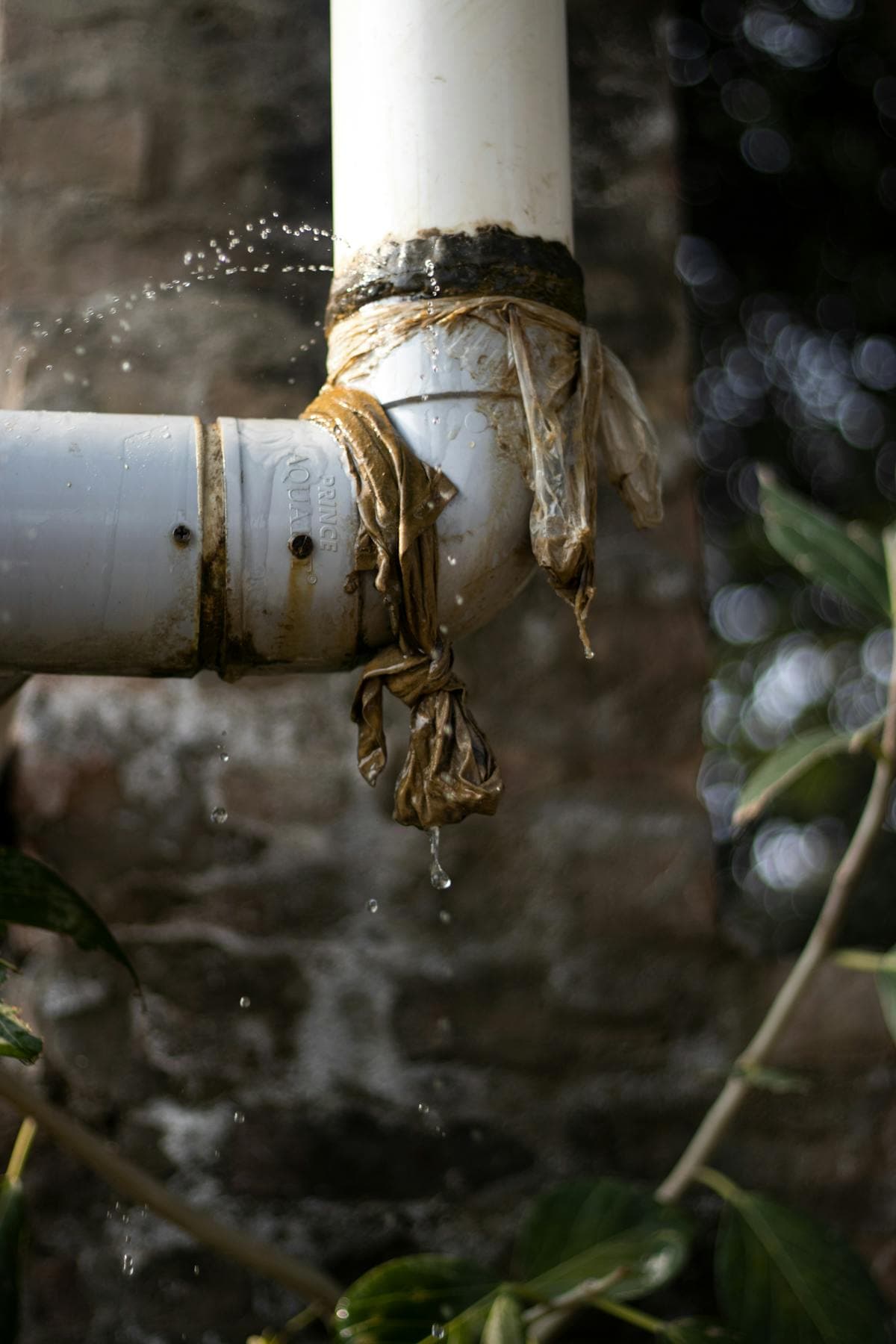
- Check the pipe after flow returns. Look for weeps and hairline splits along the section you warmed. A weep found at the thaw is a shut-off and a call, not a bucket.
- Stay home through the thaw if the freeze was long. Frozen lines reveal their damage as they warm. If you must leave, shut the main off before you go.
A separate risk nobody wants: water from a burst line sits in drywall and subfloor long enough that mold growth can start within 24 to 48 hours on wet material in this climate. The thaw discovery is a clock, not an inconvenience.
Does homeowner insurance cover a burst pipe from freezing?
Should new construction skip freeze prep?
What GOAT Does When the Thaw Goes Wrong
When a freeze loss lands, our dispatch runs 24/7, and through freeze events that is the busiest week of our year. Our crews arrive to extract standing water, set structural drying on the framing and subfloor, and document moisture readings your adjuster can verify, because what you do in the first day after water damage decides both the repair bill and the claim. DFW freeze losses carry a pattern we plan for: the burst is usually in an unconditioned space, the water has already run long because nobody was home for the thaw, and the ceiling below shows it first. A brown stain spreading across a ceiling joint is the same signature we walk through in our guide to water stains on the ceiling, and in winter it means go look in the attic now. If you are reading this at 6 a.m. with water coming through a fixture, our freeze-response line is (469) 525-2254.
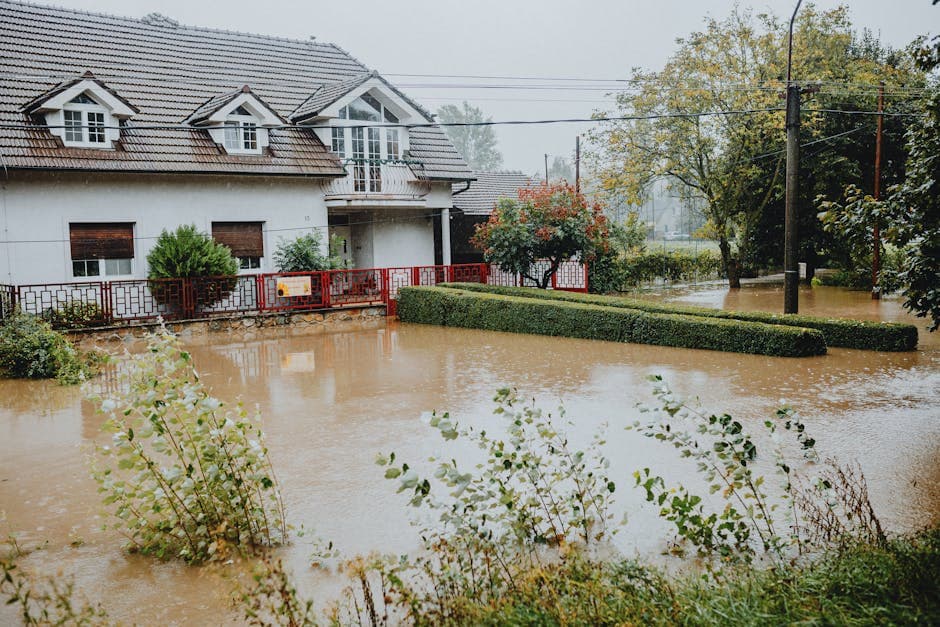
Our water extraction and structural drying service is what stops the mold clock. Flooding in Dallas places freeze losses against the other water problems this city produces and walks through the claim, and Dallas-specific coordination runs through our Dallas service area page.
The Freeze-Prep Verdict
Done in October, freeze prep costs an afternoon and a roll of foam. Done wrong, it is measured in dried ceilings. We recommend finishing the whole list before Thanksgiving, and our stance after a decade of DFW freeze seasons is blunt: insulate the attic lines, cover every bib, cover the crawlspace vents, know your valves, and when the watch drops, open the cabinets and set the drip the night before the cold arrives. If you want the audit done right the first time, call us and we will walk the six spots with you.