

Quick Answer
Fort Worth flood season guide. Trinity River flooding, Fairmount flash floods, clay soil risks. 60-min emergency response from GOAT Home Services.
Fort Worth flood season does not announce itself with a calendar date. It comes with a weather alert, a Trinity River that has been creeping up for days, or a cloudburst over the North Side that turns your street into a river before you can grab your valuables. We are GOAT Home Services, and we have been responding to Fort Worth floods since our first year in business.
DFW receives 37 inches of rain annually, with heavy rainfall events that drop 2 or more inches in a single day. That is the baseline. The real danger comes from slow-rise river flooding on the Trinity and flash flooding in neighborhoods that sit in natural drainage corridors. Here is what Fort Worth homeowners need to know before, during, and after flood season hits.

Why Fort Worth Floods Differently From the Rest of DFW
Fort Worth sits at the confluence of the Trinity River and several smaller creeks that drain the northern edge of the Blackland Prairie. Unlike Dallas, which is more centrally drained, Fort Worth's topography creates natural collection points. The city's original 1840s layout followed the river bluffs, but decades of development have filled in wetlands and built over natural drainage paths.
The 1957 Fort Worth flood remains the benchmark. A stalled weather system dropped heavy rain over four days, pushing the Trinity River past flood stage. The flood killed 18 people and displaced thousands. The Army Corps of Engineers responded by building a network of levees and floodwalls that protect downtown today.
But the 1957 event was not just about volume. It exposed how Fort Worth's clay soil behaves under sustained saturation. The Blackland Prairie vertisol shrinks during drought, opening cracks in foundation slabs. When heavy rain follows a dry spell, which is exactly what happens in North Texas spring, water follows those cracks directly into basements and crawl spaces.
We have seen this pattern repeat in Fort Worth homes built between the 1950s and 1980s. The slab cracks form during summer drought, then October rains drive water through them. Homeowners discover damp carpet in their finished basement or garage, or a musty smell that appeared overnight.
The Trinity River Factor: Slow-Rise vs Flash Flood
We track two flood patterns on the Trinity River, and each requires a different response timeline. The National Weather Service issues river stage forecasts days out for slow-rise flooding. When the river crests above 26 feet at the Galveston Island gauge, Fort Worth's emergency management activates its flood response.
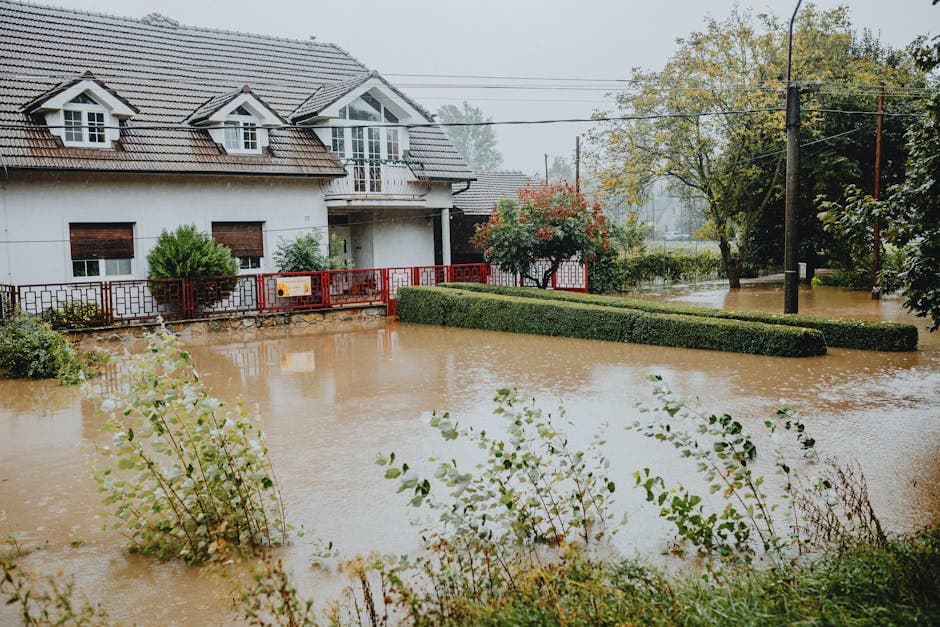
Flash flooding is different. It hits without warning. A storm that drops heavy rain in minutes overwhelms street drains and sends water rushing down streets that normally drain fine. The areas most vulnerable are the natural drainage corridors: the stretch along Pecan Creek near TCU, the drainage ditches behind Fairmount homes, and the low-lying sections of the Near Southside.
| Flood Type | Timeline | Primary Corridors | Insurance Requirement |
|---|---|---|---|
| River Flood (Trinity) | Rises over 24-72 hours | Trinity River, Village Creek, Pecan Creek | Flood insurance required |
| Flash Flood (storm) | Rises within 6-24 hours | Street drains, low-water crossings, creek beds | Flood insurance required |
| Drainage Backup | Immediate (within hours) | Municipal storm drains, aging pipe systems | Usually covered under HO-3 if sudden |
Fort Worth Flood-Prone Neighborhoods at a Glance
- River Oaks / Comal Heights: Trinity River floodplain. Monitor river stage forecasts.
- Near Southside (TCU area): Flash flood risk from Pecan Creek. Street drains back up during cloudbursts.
- Fairmount: Older homes on clay soil. Foundation seepage after 2+ inch rainfall events.
- Alliance / North Fort Worth: New construction but drainage infrastructure still catching up. Ponding on newer streets during heavy storms.
- Stop Six / East Fort Worth: Aging storm drain system. More prone to backup flooding than river flooding.
Room-by-Room: Where Fort Worth Flood Water Hits First
Fort Worth homes have distinct vulnerability patterns based on construction era and foundation type. Here is where we see water entering first, based on the jobs we have run across Tarrant County.
Basements (pre-1960 pier-and-beam): Homes in Fairmount, Ryan Place, and the Cultural District often have unfinished basements that sit below grade. When street flooding or a backed-up storm drain sends water toward the foundation, it enters through window wells and foundation walls first. The Blackland Prairie clay holds water against the foundation for hours after the rain stops.
Garage slabs (1970s-1990s construction): Most Fort Worth homes built from the 1970s through the 1990s have attached garages with slab-on-grade floors. These slabs sit at the same elevation as the surrounding grade. When water pools against the garage door during a flash flood, it seeps under the door and through expansion joints. We see this most often in neighborhoods like Wedgwood, Comal Park, and along University Drive.
Crawl spaces (1950s-1980s): Homes without basements but with raised foundations are vulnerable through the crawl space vents. When the water table rises during sustained rain, which happens when the Trinity is high for days, groundwater pushes up through the soil and enters through those vents. The moisture then migrates into the first-floor walls.
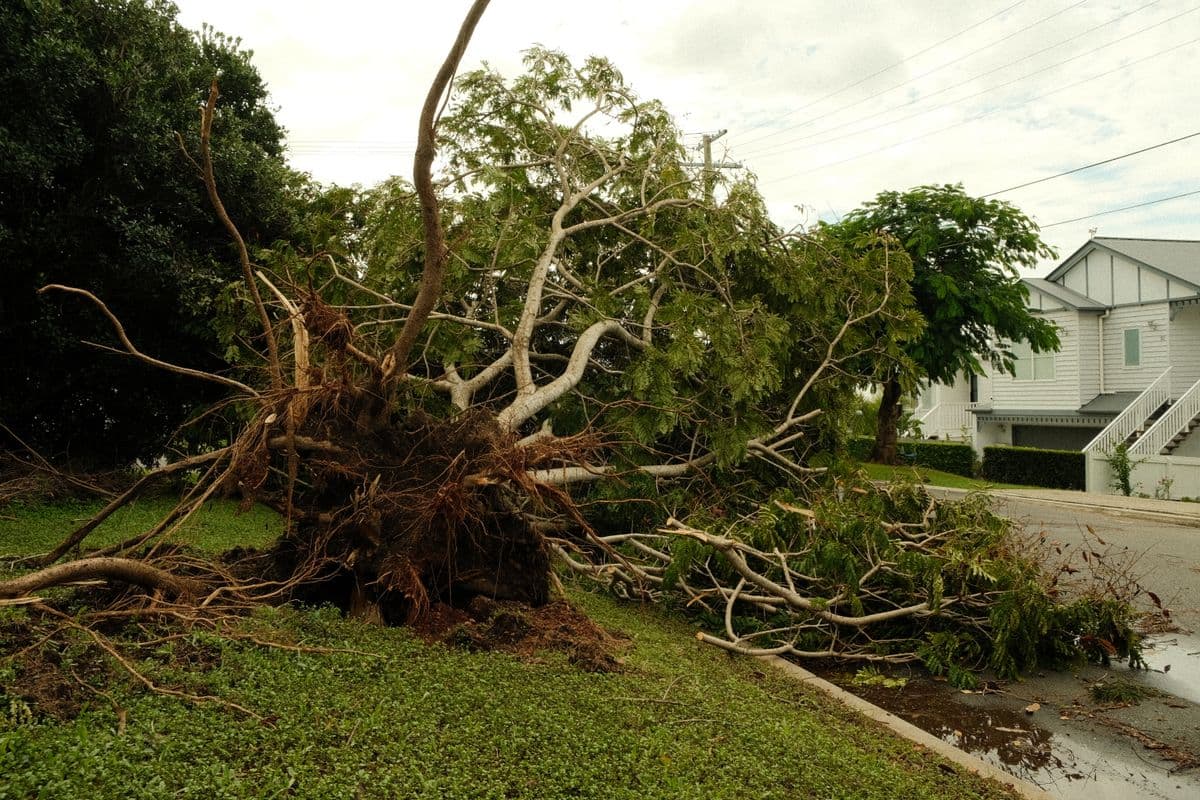
Roofs and gutters (all eras): Fort Worth's 110 mph design wind speed means debris from storms clogs gutters and downspouts. When gutters overflow, water dumps directly onto the foundation. Homes with poor grading, common in post-2000 construction where builders did not account for clay soil movement, send that water toward the slab.
Fort Worth Flood Season Timeline: When to Expect What
Fort Worth's flood risk does not follow a single pattern. It shifts with the seasons, and each season brings its own threat profile. Spring brings slow-rise river flooding as snowmelt from the High Plains combines with cloudbursts. Summer delivers daily afternoon storms that dump 2 to 4 inches in under an hour, overwhelming street drains already clogged with debris. Fall carries the risk of tropical moisture events when Gulf hurricanes send remnant bands north, producing heavy rainfall in a single day. Winter is quieter but brings its own danger: sustained rain followed by overnight freezes that turn standing water into ice, blocking drainage and creating slip hazards.
| Season | Primary Flood Risk | What to Watch For |
|---|---|---|
| Spring (Mar-May) | Slow-rise river flooding + flash floods | Trinity River crest forecasts above 26 ft, soil already saturated from winter rains |
| Summer (Jun-Aug) | Flash flooding from cloudbursts | Street drains overwhelmed by debris, sudden 3+ inch rainfall in minutes |
| Fall (Sep-Nov) | Flash flooding from tropical remnants | 5+ inch rainfall events from slow-moving systems, tropical moisture advection |
| Winter (Dec-Feb) | Drainage backup + freeze-thaw slab issues | Standing water freezing in gutters, expansion cracks in clay soil from freeze-thaw cycles |
Fort Worth Flood Prevention Checklist: What to Do This Weekend
- Check your floodplain status. Go to FEMA's Flood Map Service Center and enter your address. If you are in the 100-year floodplain, you need flood insurance regardless of what your mortgage company says.
- Clear gutters and downspouts. Remove leaves, pine needles, and debris. Extend downspouts at least 6 feet from the foundation, longer if your soil is clay-heavy (which it is in Fort Worth).
- Test your sump pump. Pour a bucket of water into the pit. The pump should kick on quickly and discharge away from the house. If you do not have a sump pump and you are below grade, get one before flood season.
- Sandbag vulnerable entry points. Home Depot and Lowe's in Fort Worth stock sandbags by late February. A standard sandbag barrier is 3 feet high and can hold back water. Focus on garage doors, basement windows, and any door that sits at grade level.
- Move valuables above the first floor. If you are in a flood-prone area, move photo albums, important documents, and electronics to the second floor or a safe deposit box.
- Verify your insurance. Standard HO-3 policies exclude flood damage. The NFIP average flood claim in Tarrant County is $34,000. You need a separate flood policy if you are in a flood zone, and even if you are not, flash flooding from street drainage failure can still damage your home.
What to Do When Prevention Fails: The First 48 Hours
Flood water in Fort Worth does not wait for business hours. Our emergency response team is available 24/7, and we target a 60-minute arrival time for urgent water damage calls across Tarrant County.
If you discover flooding or standing water, here is what we recommend doing immediately, based on the IICRC S500 standard for water damage restoration:
- Safety first. Turn off electricity at the main breaker if water is above ankle level. Do not walk through standing water if you cannot see the ground, it may hide electrical hazards or debris.
- Call us immediately. Even if the water seems minor, category 2 and category 3 flood water (from streets, storm drains, or the Trinity River) contains contaminants. We recommend our mold remediation service to address this. Mold can begin colonizing wet materials within 24 hours in Fort Worth's humid climate.
- Remove standing water. Use a sump pump if you have one, or bail with a bucket and rope. If the water is coming from an external source (street flooding, not a burst pipe), focus on getting it away from your foundation with a utility pump.
- Open windows and doors. Only if outdoor humidity is below 60 percent. Fort Worth summer humidity often runs high, which means opening windows without dehumidification can make things worse.
- Document everything for insurance. Take photos of all water damage before moving anything. Keep receipts for any emergency purchases (sandbags, pumps, tarps). If you have flood insurance, the claims process is different from standard homeowners insurance. It goes through the NFIP.
Warning
Flood water from street runoff or the Trinity River is category 3 (black water), grossly contaminated. Do not attempt to clean it yourself with household products. Professional extraction, antimicrobial treatment, and structural drying are required to prevent health risks and mold growth.
The GOAT Flood Response Process in Fort Worth
When you call us for flood damage restoration in Fort Worth, here is exactly what happens. We arrive with industrial-grade pumps, moisture meters, thermal imaging cameras, and drying equipment sized for the job. Our crews are IICRC-certified and carry the tools to extract water from carpet, padding, hardwood flooring, drywall, and insulation.
The GOAT Flood Damage Process
- Mobilization: We dispatch the nearest crew to your Fort Worth address. Our trucks are stocked for flood jobs, pumps, vacuums, air movers, dehumidifiers, and containment materials.
- Inspection and categorization (45 min): We determine the water category (clean, gray, or black), map all affected areas with moisture meters, and photograph everything for insurance documentation.
- Extraction: Industrial pumps remove standing water. Carpet, padding, and saturated materials are pulled where necessary. We prioritize structural drying over surface cleaning.
- Drying and dehumidification (3-7 days): Air movers and dehumidifiers run continuously. We monitor moisture levels daily with calibrated meters. Fort Worth's clay soil and high humidity mean this phase often takes longer than in drier climates.
- Cleaning and sanitization: Affected surfaces are cleaned, antimicrobial treatments are applied, and contaminated materials are removed and disposed of properly.
- Restoration and repair (3-14 days): Damaged drywall, insulation, flooring, and trim are replaced. We return your home to its pre-loss condition.
- Final inspection: We walk through the completed work with you, verify everything is dry and clean, and answer any questions about ongoing maintenance or prevention.
Fort Worth-Specific Insurance Considerations
Standard homeowner policies (HO-3) cover sudden and accidental water damage like a burst pipe or appliance overflow. They do not cover flood damage. Flood insurance is a separate NFIP policy with a 30-day waiting period.
The average flood claim in Tarrant County is $34,000, according to the National Flood Insurance Program. But here is what most Fort Worth homeowners do not know: you can file a claim for emergency mitigation services even before your flood policy pays out. If we arrive within 60 minutes and extract water, set up drying equipment, and prevent mold growth, those are covered mitigation expenses.
Fort Worth's floodplain management ordinance requires new construction in the 100-year floodplain to be elevated above the base flood elevation. But homes built before 1975, which make up much of Fairmount and the Near Southside, sit at the original grade. If you own one of those homes and it floods, the NFIP will cover the structure and contents up to policy limits, but only if you have a separate flood policy in place.
We would rather you prevent a small problem than pay us to fix a big one. But flood water in Fort Worth is not like a burst pipe, it carries contaminants from the street, the Trinity River, and the city's aging storm drain system. If the water came from the Trinity River, a backed-up storm drain, or street runoff during a cloudburst, call us immediately. That water is category 3 (black water), and it requires professional extraction, antimicrobial treatment, and structural drying. Do not walk through it barefoot, do not try to mop it up with household towels, and do not wait for it to evaporate on its own. If the flooding is from a burst pipe inside your home and the water is clean (category 1), you can start cleanup yourself. Turn off the main water valve, remove standing water with a wet/dry vacuum or pumps, and open windows if humidity is low. But call us within 24 hours anyway, even clean water left sitting in Fort Worth's climate will trigger mold growth within 24 to 48 hours.
Call (469) 525-2254 for a free assessment. We are available 24/7/365, and we answer the phone ourselves. A real person who can get a crew to your Fort Worth home within 60 minutes if the situation demands it. Our 24/7 emergency response team handles extraction, drying, and insurance documentation. For more on what coverage looks like, read our guide to DFW flood insurance claims. If you have questions about the restoration process itself, see our water extraction services page. We also recommend reviewing our Dallas flood preparation guide for broader DFW context. For storm-specific damage like hail and wind, check our storm damage restoration overview. Expect Greatness.