
Quick Answer
Fort Worth water damage guide: Trinity River flooding, slab leaks on clay soil, and 60-min emergency response from owners with 10-plus years in Tarrant County.
Fort Worth is different from its eastern neighbor. The Trinity River runs through the middle of the city, the soil shifts under nearly every foundation, and the housing stock ranges from 1920s bungalows in Ryan Place to brand-new builds in Walsh Ranch. When water gets in, it gets in differently depending on which Fort Worth neighborhood you call home. We have restored properties across every corner of this city, from the Near Southside to far north Keller, and the patterns are distinctive enough that a generic water damage guide written for Dallas misses most of what actually floods a Fort Worth home.
This guide covers what Fort Worth homeowners actually encounter, the specific risks of Trinity River flash flooding, slab leaks on expansive clay, and aging sewer infrastructure in the central city, and what the restoration process looks like when you call a local crew who knows the territory.
Why Fort Worth Homes Flood Differently
Fort Worth sits at the confluence of the West Fork and Clear Fork of the Trinity River. The river bisects the city north to south, and the floodplain touches some of the most developed parts of town. But river flooding is only one piece of the story. The three most common causes of water damage in Fort Worth homes are:
- Flash flooding from Trinity River tributaries. Fort Worth averages 36 inches of rain per year, but almost half of it falls in April, May, and June. Creeks like White Rock, Fossil, Sycamore, and Village Creek can rise 8 to 10 feet in a few hours during a heavy storm. Homes built near these drainages flood even when the Trinity itself stays within its banks. We respond to water emergencies in the Fort Worth neighborhoods along Clear Fork after every heavy rain event.
- Slab leaks on expansive clay. Fort Worth sits on the same Barnett Shale formation that extends across much of North Texas, but the clay soil in west Fort Worth is among the most expansive in the metroplex. As the soil dries in the summer heat, it shrinks and pulls away from the foundation. When the rains return, the soil swells and pushes against the slab. That seasonal shift cracks water lines running under or through the slab. We see slab leak calls spike in Fort Worth every August and September, just after the driest part of the summer.
- Aging infrastructure in the central city. Core Fort Worth neighborhoods like Fairmount, Ryan Place, Berkeley Place, and Morningside have water mains and sewer laterals from the 1950s and 60s. Cast iron pipes corrode from the inside. Clay pipes crack from root intrusion and soil movement. When a water main breaks under the street or a sewer lateral backs up into a basement, the homeowner gets a Category 3 water loss that requires immediate professional response.
The Trinity River Watershed: What It Means for Your Property
The Trinity River floodplain in Fort Worth stretches from roughly the Fort Worth Zoo northward through the Cultural District, past the Stockyards, and out toward Saginaw and Lake Worth. Homes within the 100-year floodplain are required to carry flood insurance, but many Fort Worth properties that flood are technically outside the mapped floodplain. They flood because stormwater infrastructure in older parts of the city was designed for a 2-year or 5-year storm event, and DFW storms routinely exceed those thresholds.
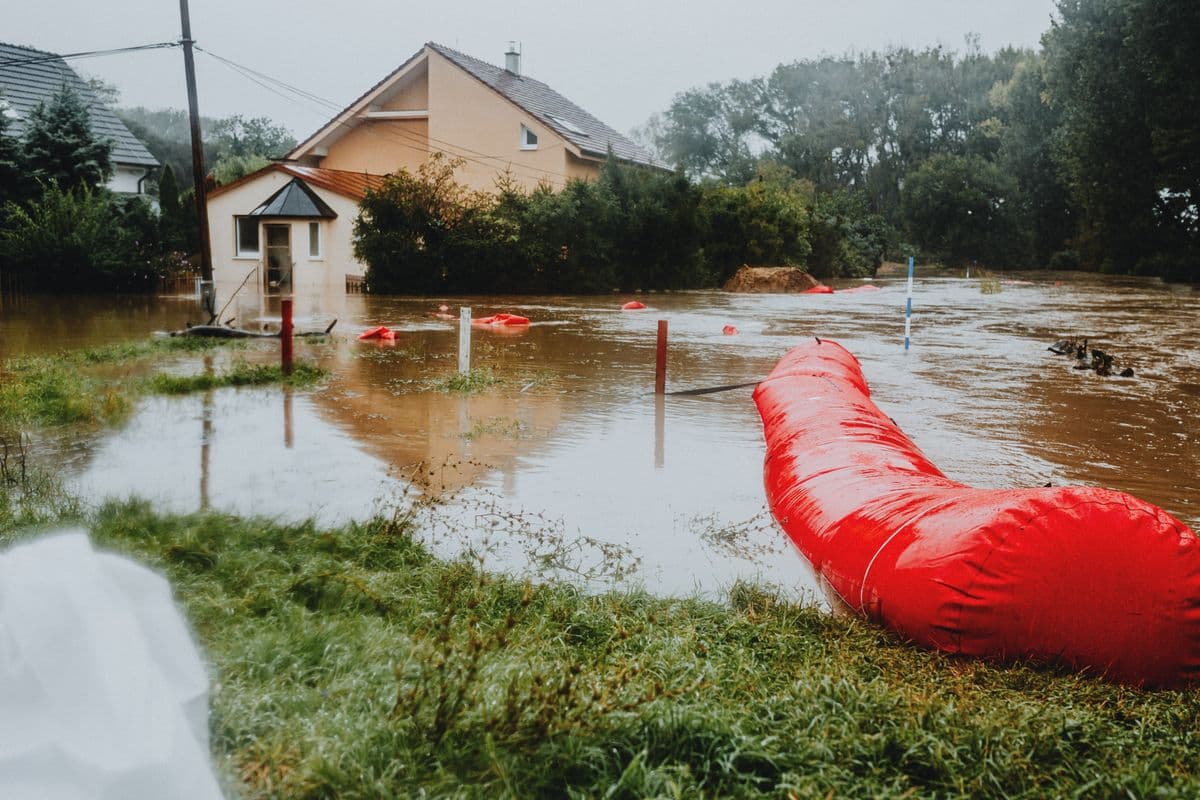
In May and June of 2024, parts of west Fort Worth received over 8 inches of rain in a 48-hour period. Streets in Crawford Farms and Ridglea Hills became impassable. Water entered homes through garage doors, back doors, and foundation vents long before the Trinity reached flood stage. The lesson is that Fort Worth flood risk cannot be read from a FEMA map alone. If your street floods during a heavy thunderstorm, your house is at risk even if it sits 500 feet above the river.
Flood damage and water damage are treated differently by insurance and by restoration contractors. Flood damage, defined by the NFIP as water that touches the ground before entering your home, requires separate flood insurance and follows different restoration protocols than water damage from an internal source like a burst pipe or an overflowing toilet. We help Fort Worth homeowners navigate this distinction on every job.
The Neighborhood Breakdown: Water Damage by Area
Fort Worth at a glance: The city covers nearly 350 square miles. Water damage patterns shift dramatically across that geography. Knowing your neighborhood's specific risk profile is the first step in prevention.
Central Fort Worth (76102-76107): Fairmount, Ryan Place, TCU Area
These historic neighborhoods have some of the oldest housing stock in the city. Many homes have pier-and-beam foundations, cast iron drain lines, and basements finished decades ago. Water entry typically comes from three sources: failed drain lines under the house (cast iron corrodes from the inside until a crack becomes a gusher), poor surface grading that directs rainwater toward the foundation, and sewer backups during heavy rain when the city's combined sewer system is overwhelmed. Restoration here requires extra care with original hardwood floors, plaster walls, and historic building materials.
West Fort Worth (76109, 76116): Ridglea Hills, Benbrook, Western Hills
This part of Fort Worth sits on some of the most expansive clay in the metroplex. Slab leaks are the dominant water damage pattern here. The soil movement differential across a slab foundation can exceed 2 inches in a dry year, which is enough to snap a copper water line under the slab. Homes built between 1970 and 2000 are most vulnerable because their original copper plumbing has had 25 to 55 years of soil movement cycles to fatigue. Telltale signs include warm spots on the floor, unexplained increases in the water bill, and the sound of running water when all fixtures are off.
North Fort Worth (76131, 76177, 76244): Alliance, Keller, Haslet
Newer construction in far north Fort Worth has different vulnerabilities. These homes typically have PVC and PEX plumbing, which resists the corrosion issues of older materials, but they face high risks from HVAC condensate overflow (attic units produce gallons of condensation daily, and a clogged drain line can dump that water into your ceiling within hours) and from improper grading around the foundation. We respond to calls in Keller and Alliance where the home is less than 5 years old but the builder's grading directs stormwater toward the foundation. The same AC drain line clog pattern we see across DFW is especially prevalent here because attic units run 8+ months of the year.
East Fort Worth (76108, 76120): Lake Worth, Meadowbrook, Handley
Properties near Eagle Mountain Lake and Lake Worth face risks from both seasonal lake level changes and aging infrastructure. The 1970s and 80s housing stock in Meadowbrook and Handley shares the same cast iron drain line failure patterns as the central city, but at lower density. Flooding along the West Fork of the Trinity affects this area during major rain events. Emergency response time is critical because the distance from central Fort Worth restoration companies can mean water sits for hours longer.
The Restoration Process: What Happens When You Call
When you call us for a water emergency in Fort Worth, here is exactly what to expect. Before flood season hits, read our guide to Fort Worth flood season preparation. The process is the same whether the water came from a burst pipe, a slab leak, a roof leak during a storm, or a sewer backup.
Emergency response: We serve every Fort Worth neighborhood. Our crew can arrive at your property within 60 minutes of your call, 24 hours a day, 7 days a week, including holidays. Every hour of standing water compounds the damage.
- Emergency call and dispatch. You call (469) 525-2254. Our dispatch team asks about the water source, the affected area extent, and whether the water is clean, gray, or black. A crew is dispatched from our nearest response location.
- On-site assessment. The crew leader inspects the affected area, identifies the water category (Category 1 clean, Category 2 gray, Category 3 black), documents the damage with photos and moisture readings, and shuts off the water source if still active.
- Extraction. Truck-mounted extraction units remove standing water. We extract until carpet, pad, and exposed flooring are no longer saturated. For slab leaks, we begin locating the leak point in the slab so the plumber can make the repair.
- Demolition. Wet drywall, insulation, baseboards, and carpet padding are removed. We cut drywall at the moisture line plus 12 to 18 inches above visible damage to ensure no moisture remains in the wall cavity.
- Drying. Industrial air movers and desiccant dehumidifiers are placed strategically to create a drying gradient. Fort Worth's summer ambient humidity, which regularly exceeds 70 percent, makes this step harder than in a drier climate. We use commercial-grade equipment because the drying window in humid conditions is shorter.
- Monitoring. Our crew returns every 24 to 48 hours to check moisture levels in affected materials. Drying typically takes 3 to 5 days for a single-room loss, longer for multi-room or multi-story losses.
- Clearance and restore. When all materials reach dry standards, we remove drying equipment and provide a final drying report. Reconstruction, replacing drywall, paint, flooring, and trim, begins after clearance if your scope includes it.
Insurance Coordination in Fort Worth
Fort Worth homeowners often ask whether water damage is covered by their policy. Standard homeowners insurance covers sudden and accidental water damage from internal sources: burst pipes, slab leaks, overflowing fixtures, and appliance failures. It generally does not cover flood damage (water that enters from outside the structure, such as rising creek water) or damage from gradual leaks you should have noticed, the maintenance exclusion.
We provide detailed documentation on every job, including moisture maps, drying logs, photos at every stage, and a final report that your adjuster can use to process the claim. Our insurance claims guide walks through the entire process step by step. We help Fort Worth homeowners document damage in a way that satisfies both insurance and FEMA requirements simultaneously.
Cost of Water Damage Restoration in Fort Worth
| Type of Water Loss | Typical Scope | Estimated Cost Range | Insurance Typically Covers? |
|---|---|---|---|
| Burst pipe (Category 1) | Single room, less than 500 sq ft | $1,500 to $4,000 | Yes, minus deductible |
| Slab leak | Multiple rooms, slab access | $5,000 to $15,000 | Yes (plumbing plus restoration) |
| Sewer backup (Category 3) | Basement or lower level | $5,000 to $20,000 | With sewer backup rider |
| Flash flood (groundwater) | Ground floor, varies | $8,000 to $40,000+ | Only with flood insurance |
Costs in Fort Worth tend to run slightly lower than Dallas for equivalent scope, typically 10 to 15 percent less, because contractor overhead in Tarrant County is lower. For more detailed cost breakdowns, see our DFW cost guide for mold remediation and restoration pricing.
When To Call for Emergency Service
Knowing when water damage requires professional intervention is the difference between a $500 cleanup and a $15,000 restoration. Call a professional crew if:
- Water is more than 1/4 inch deep across any room. Standing water at that depth has already saturated carpet padding and will begin wicking up drywall within hours.
- The water source is unknown. A hidden slab leak can dump 50 to 100 gallons per day under your home.
- The water is from a sewer backup, toilet overflow with solids, or groundwater that entered through the foundation. These are Category 3 losses requiring hazardous-material handling protocols.
- More than 24 hours have passed since the water intrusion and you still see or smell moisture. The mold window in DFW is 24 to 48 hours before visible growth begins in warm, humid conditions.
- You have a finished basement or lower level with standing water. Below-grade spaces in Fort Worth homes, especially in the TCU area and Near Southside, cannot dry naturally and require professional extraction and dehumidification.
Frequently Asked Questions
Does homeowners insurance cover water damage in Fort Worth?
Most standard homeowners policies cover sudden and accidental water damage from internal sources: burst pipes, slab leaks, and appliance failures. They do not cover flood damage, gradual leaks, or sewer backups unless you have a specific rider. We work with every major insurance carrier serving Tarrant County and provide the documentation adjusters need.
How long does water damage restoration take in Fort Worth?
For a single-room Category 1 loss, extraction and drying typically take 24 to 72 hours. Larger losses involving multiple rooms, Category 2 or 3 water, or slab leaks requiring plumbing repairs can take 5 to 14 days for the drying phase alone. Reconstruction after drying is a separate phase that can take 2 to 8 weeks depending on material availability and contractor schedules.
What is a slab leak and why is it common in Fort Worth?
A slab leak is a water line that has burst or is leaking under your concrete foundation. Fort Worth's expansive clay soil is the primary cause. The soil expands and contracts dramatically with seasonal moisture changes, putting stress on copper pipes embedded in the slab. After 20 to 30 years of movement cycles, the pipes develop pinhole leaks or full cracks. Signs include warm spots on the floor, high water bills, and the sound of running water when all fixtures are off.
Should I buy flood insurance in Fort Worth even if I am not in a flood zone?
Yes. More than 40 percent of NFIP flood insurance claims come from properties outside the mapped high-risk flood zone. Fort Worth's aging stormwater infrastructure and the frequency of heavy rain events mean properties outside the 100-year floodplain still flood with some regularity. Flood insurance is relatively inexpensive outside high-risk zones, typically $400 to $800 per year, and the waiting period is 30 days after purchase.
Can a slab leak cause mold in Fort Worth?
Yes, and this is one of the most overlooked risks of slab leaks. Water leaking under the slab saturates the ground and wicks up through the slab itself via capillary action. The moisture then migrates into drywall, baseboards, and wood flooring. In Fort Worth's humid climate, mold can begin growing within 24 to 48 hours, often hidden behind baseboards and under flooring. If you have had a slab leak, mold testing or remediation should follow the plumbing repair.
The Bottom Line
Fort Worth's water damage risks are distinct from the rest of the DFW metroplex. The Trinity River watershed, expansive clay soils, aging central-city infrastructure, and rapid growth in the northern suburbs create a unique set of vulnerabilities. Whether you live in a 1920s bungalow in Fairmount or a brand-new home in Alliance, understanding your specific risk profile is the most important step you can take to protect your property.
If water has already found its way into your Fort Worth home, call us immediately at (469) 525-2254. We serve every Fort Worth neighborhood from the Stockyards to Walsh Ranch, and we are available 24/7/365 for emergency water extraction, drying, and restoration. We handle the entire process from initial assessment to final reconstruction, and we provide the documentation your insurance company needs to process your claim without delays. Contact us online or call now and we will have a crew moving toward your property within 60 minutes.