Quick Answer
Grand Prairie storm damage guide from DFW owner-operators. How to respond to flash flooding near Joe Pool Lake and Mountain Creek after summer storms. Call (469) 525-2254 for 24/7 emergency service.
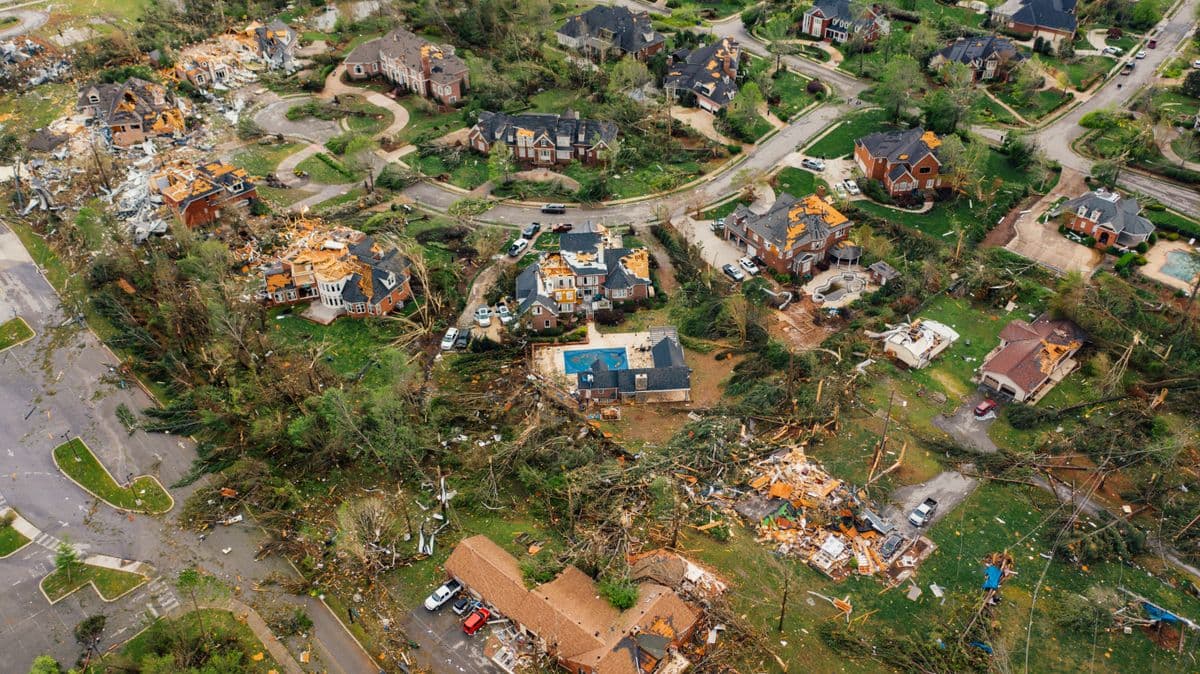
If you live in Grand Prairie, Texas, you know the drill when the sky turns green and the sirens start testing. A summer thunderstorm rolls in from the west, drops two inches of rain in forty minutes, and suddenly the water is pooling against your foundation on Pioneer Parkway, seeping through the garage slab on South Belt Line Road, or pouring through a wind-damaged roof in the Lake Ridge neighborhood. The question is not whether a storm will hit your home. It is how fast you can respond when it does.
We are GOAT Home Services, and we cover Grand Prairie as part of our DFW service area. Over the years we have seen the same patterns repeat after every major summer storm. Grand Prairie homes have specific vulnerabilities that come from their construction era, the city's position along the Mountain Creek watershed, and the North Texas climate. Here is what actually happens when a summer storm damages your Grand Prairie home, what you need to do in the first 24 hours, and how the restoration process works from start to finish.
Why Grand Prairie Homes Are at Higher Storm Risk
Grand Prairie sits in a geographic position that makes it particularly vulnerable to summer storm damage. The city is located along the eastern edge of Tarrant County, where the Blackland Prairie transitions into the White Rock Escarpment. This topography creates natural drainage channels that funnel stormwater through the Mountain Creek watershed, Joe Pool Lake, and the Trinity River bottomlands. When a summer storm drops heavy rainfall, these drainage systems can overload quickly.
The housing stock in Grand Prairie adds another layer of risk. Most of the city's residential construction dates from the 1970s through the 1990s, with slab-on-grade foundations built on expansive clay soil. The older neighborhoods near Main Street and the historic downtown area have drainage infrastructure designed for a different era. Newer developments in the southern sections near Joe Pool Lake face flash flooding from rapid stormwater runoff off the escarpment.
Summer storms bring three specific threats to Grand Prairie homes: wind damage to roofs and siding, flash flooding from overwhelmed drainage, and the rapid mold growth that follows any water intrusion in July and August when humidity sits at 65-75 percent.
The First 24 Hours After a Storm
The first 24 hours after a summer storm are the most critical for minimizing damage to your home. We have seen the same sequence of events play out across Grand Prairie neighborhoods, and the homeowners who act fastest always end up with lower restoration costs and fewer long-term problems.
| Timeframe | Action Required | Why It Matters |
|---|---|---|
| First 1-2 hours | Safety check: downed power lines, gas leaks, structural damage | Injuries spike in the first hour after storms when homeowners rush into unsafe conditions |
| 2-6 hours | Emergency tarping for roof damage, board-up for broken windows | Every hour of exposure doubles the water damage footprint |
| 6-12 hours | Water extraction from standing water, wet vacuuming of carpets | Mold begins colonizing within 24-48 hours of moisture exposure |
| 12-24 hours | Structural drying setup: air movers, dehumidifiers, moisture monitoring | Proper drying prevents secondary damage to framing, drywall, and subfloors |
The most important thing you can do in the first hour is stay safe. Downed power lines are common after DFW summer storms, and gas leaks from damaged appliances or shifted foundations can create explosion risks. If you smell gas or see sparks, get out of the house and call 911 from outside. Do not re-enter until emergency services clear the building.
Warning
Do not walk through standing water in your home if there may be electrical hazards. If the power is out and water is present, assume energized wires are submerged. Wait for professional assessment before entering flooded areas.
Roof Damage After Grand Prairie Summer Storms
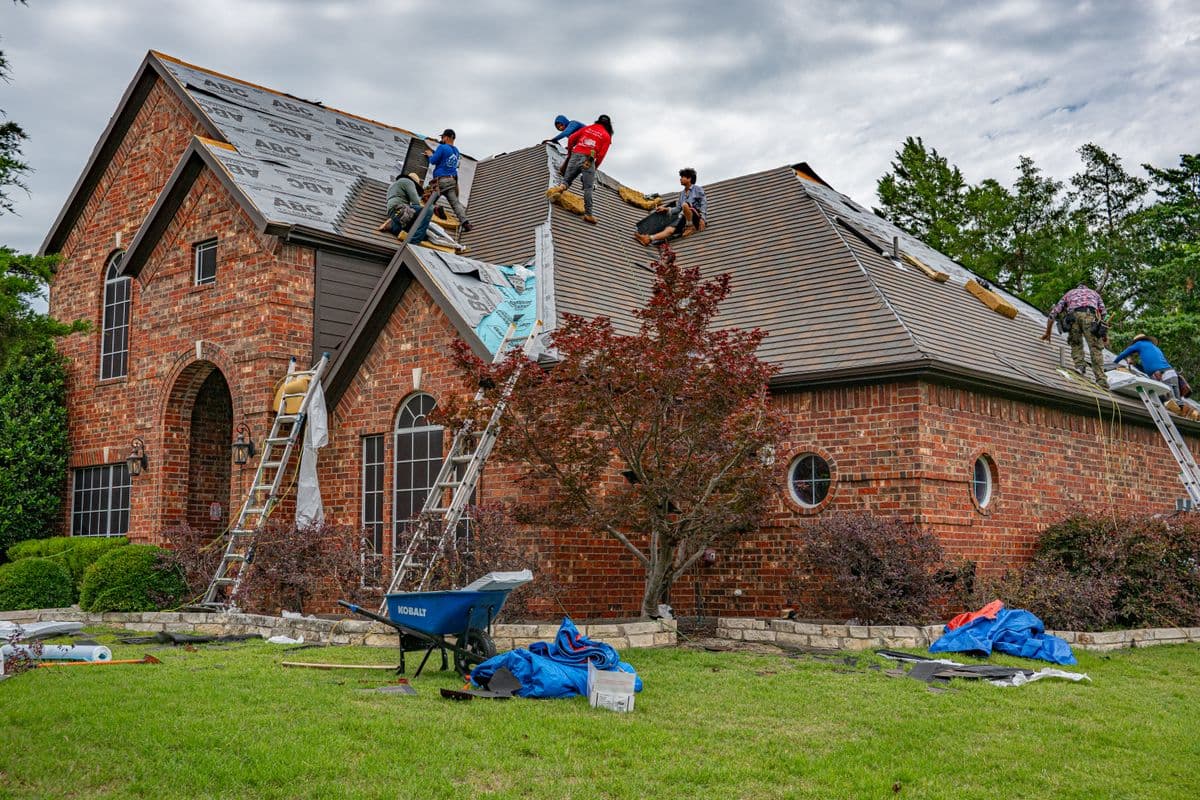
Roof damage is the most common storm-related issue we see in Grand Prairie. The city's housing stock predominantly uses composition asphalt shingle roofing, which is vulnerable to the high winds and hail that come with DFW summer thunderstorms. Wind speeds in Grand Prairie can exceed 70 mph during severe storms, enough to lift shingles, expose the underlayment, and allow water to penetrate the roof deck.
The IBC wind design requirement for Tarrant County is 110 mph, but many of Grand Prairie's older homes were built to earlier codes with less stringent wind resistance. This means roof failures are more common in 1970s and 1980s construction than in newer homes built after the code upgrades.
After a summer storm passes, check your roof from the ground using binoculars if you cannot safely access it. Look for missing or curled shingles, exposed nail heads, and granule loss in the gutters. Inside the house, check attics and upper-floor ceilings for water stains. Even a small roof leak can saturate attic insulation, soak through ceiling drywall, and create conditions for mold growth within 48 hours.
If you find roof damage, call a restoration company immediately for emergency tarping and board-up services. A professional tarping job costs $300 to $800 and can prevent $5,000 to $15,000 in additional interior water damage while you wait for permanent roof repairs. We cover emergency tarping and board-up across all of Grand Prairie, from the Lake Ridge area to the northern sections near the I-30 corridor.
Flash Flood Risks in Grand Prairie
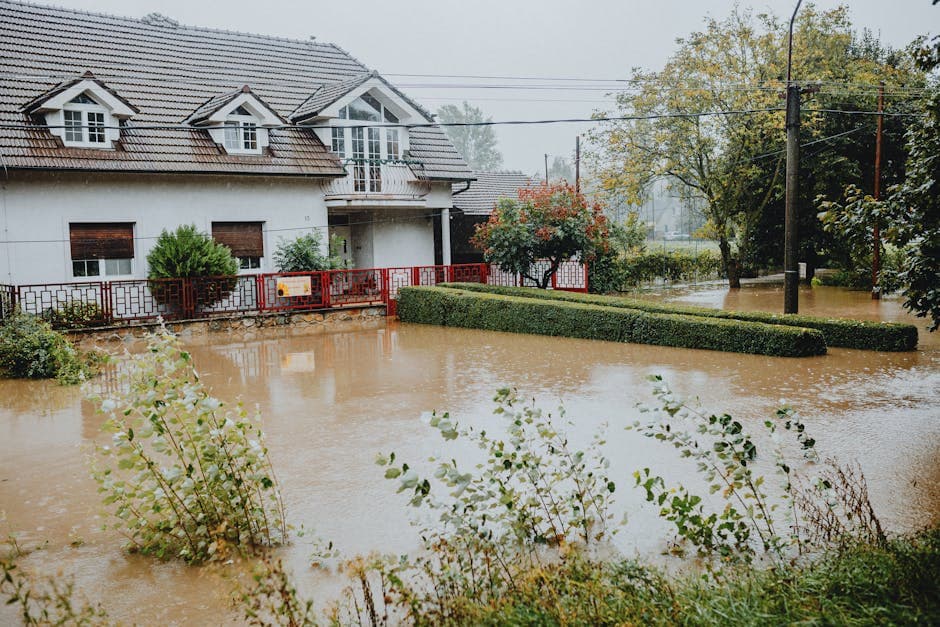
Grand Prairie's position along the Mountain Creek watershed and near Joe Pool Lake creates specific flash flood risks that homeowners in other parts of DFW do not face. The city experiences heavy rainfall events 3 to 5 times per year, and urban development in the northern sections has altered natural drainage patterns in ways that increase flood risk for established neighborhoods.
The 1970s-era storm drain systems in older parts of Grand Prairie were designed for lower rainfall intensities than what North Texas now receives. As storms have intensified over the past two decades, these older systems cannot keep up. Water backs up into streets, finds its way through foundation cracks in slab-on-grade homes, and pools against garage slabs that were poured at grade level without curbs.
Our Recommendation
If you live near the Mountain Creek corridor or the Joe Pool Lake spillway area, check your insurance claim documentation status annually. Standard homeowners insurance (HO-3) specifically excludes flood damage. A separate flood policy through the NFIP or a private carrier is the only way to cover storm-related surface water flooding.
Flash flooding in Grand Prairie typically comes from one of two sources: stormwater runoff that overwhelms street drainage and enters homes through garage slabs and foundation cracks, or backup from overloaded storm sewers that push water up through floor drains and basement sump pits. Both scenarios produce Category 3 water damage (black water) because the floodwater carries bacteria, chemicals, and debris from streets and yards. Category 3 water requires professional extraction and disinfection. It cannot be handled with a shop vac and bleach.
If flash floodwater enters your home, do not try to pump it out yourself from an unfinished basement or crawlspace. Removing water too quickly from outside the foundation can cause structural collapse if the pressure differential is significant. Professional restoration crews use controlled extraction techniques that balance the water removal rate with the structural conditions of the home.
AC Drain Clogs and Summer Humidity
Summer storms are not the only source of water damage in Grand Prairie during July and August. The AC condensate drain line is responsible for a surprising number of water damage calls we get from this city. Grand Prairie's older homes (1970s-1980s) were built with AC units in attics or interior closets, where the condensate line runs through unconditioned space. When the humidity hits 65 percent or higher, which it does from June through September, the AC runs almost constantly and produces gallons of condensate per day.
If that condensate line clogs from algae buildup, the backup overflows the drain pan, and water pours into the attic, through the ceiling, and into the living space below. We have seen this happen so many times in Grand Prairie homes that we recommend checking your condensate line at the start of every summer and having it professionally cleaned if you have not done it in the past 12 months. For a broader overview of water damage restoration costs in DFW, see our cost guide covering all major loss types across the metroplex.
The connection between storm season and AC drain clogs is more direct than most homeowners realize. Summer storms increase humidity levels, which makes AC units run longer, which produces more condensate, which increases the likelihood of a clog if the drain line has any buildup. August is consistently the worst month for AC-related water damage in Grand Prairie, right when the city is recovering from the summer storm season.
Insurance Coverage After a Summer Storm
Understanding what your insurance policy covers before a storm hits is the single most important step you can take. Our comprehensive insurance claims guide explains the full process. We deal with insurance adjusters every day, and the number-one surprise homeowners face is discovering that their policy excludes the type of damage they just experienced.
Does homeowners insurance cover wind damage from summer storms?
Standard HO-3 policies cover wind damage, including roof damage from high winds. This includes the cost of emergency tarping, water extraction from wind-driven rain, and interior repairs caused by the roof breach. Your deductible applies. Most DFW policies have a separate wind/hail deductible that is a percentage of the dwelling coverage, typically 1-2 percent.
Does insurance cover flash flooding from stormwater runoff?
No. Standard homeowners insurance specifically excludes flood damage, including surface water flooding from stormwater runoff. You need a separate flood insurance policy through the National Flood Insurance Program (NFIP) or a private carrier. There is a 30-day waiting period for NFIP policies to take effect, so you cannot buy a flood policy the day before a storm and expect coverage.
Does insurance cover AC condensate overflow?
Coverage for AC condensate overflow varies. If the overflow is sudden and accidental (the drain line was functional and then clogged), most policies cover the resulting water damage to floors, walls, and ceilings. If the overflow results from lack of maintenance (a clog that built up over months), the insurance company may deny the claim. Document your AC maintenance to protect your claim.
How do I file a storm damage claim in Texas?
Call your insurance agent or carrier immediately. Take photos and video of all damage before any cleanup begins. Keep samples of damaged materials (carpet, drywall, insulation) if the adjuster wants to see them. Do not throw anything away until the adjuster completes their inspection. Get an estimate from a licensed restoration company before the adjuster arrives. We can help you document the damage and provide a detailed scope of work for your claim.
The Restoration Process: What to Expect
When you call us for storm damage in Grand Prairie, here is what happens next. Our goal is to stabilize your home, prevent additional damage, and start the restoration process as quickly as possible.
-
Emergency call and dispatch. We answer 24/7. When you call (469) 525-2254, we take your information and dispatch a crew to your Grand Prairie home. Our target is 60 minutes to arrival for emergency calls.
-
Rapid assessment and stabilization. Our crew arrives, assesses the damage, and performs emergency mitigation. This includes roof tarping, board-up, water extraction, and setting up drying equipment. We prioritize stopping the source of the water and preventing further damage.
-
Detailed scope and insurance documentation. We document every square foot of damage with photos, moisture readings, and written descriptions. This documentation supports your insurance claim and ensures nothing gets missed.
-
Structural drying and monitoring. We place air movers and dehumidifiers in the affected areas and monitor moisture levels daily. The drying process typically takes 3 to 7 days depending on the extent of the water intrusion and the materials affected.
-
Demolition and reconstruction. Water-damaged drywall, insulation, flooring, and trim get removed and replaced. We coordinate with your insurance adjuster to make sure the scope matches your policy coverage.
-
Final inspection and sign-off. We walk through the completed restoration with you, confirm everything meets your standards, and provide documentation for your insurance claim file.
Key Takeaways
Grand Prairie faces unique storm risks from its position along the Mountain Creek watershed, 1970s-1990s housing stock on expansive clay soil, and the summer storm patterns that drop 2-3 inches of rain in under an hour. Act fast after a storm: check for roof damage, watch for flash flooding near Joe Pool Lake and Mountain Creek corridors, and call a restoration company immediately for emergency tarping and water extraction. The first 24 hours determine whether the damage is a fixable inconvenience or a long-term problem.
If a summer storm has damaged your Grand Prairie home, call us at (469) 525-2254. We answer 24 hours a day, 7 days a week, 365 days a year. We serve all of Grand Prairie, from the Lake Ridge area and Joe Pool Lake corridor to the historic downtown district and the I-30 corridor neighborhoods. Expect Greatness.