
Quick Answer
Fire damage restore in Irving TX. Smoke soot cleanup, water damage from firefighting. IICRF-certified, 60-min response. Insurance claims help.
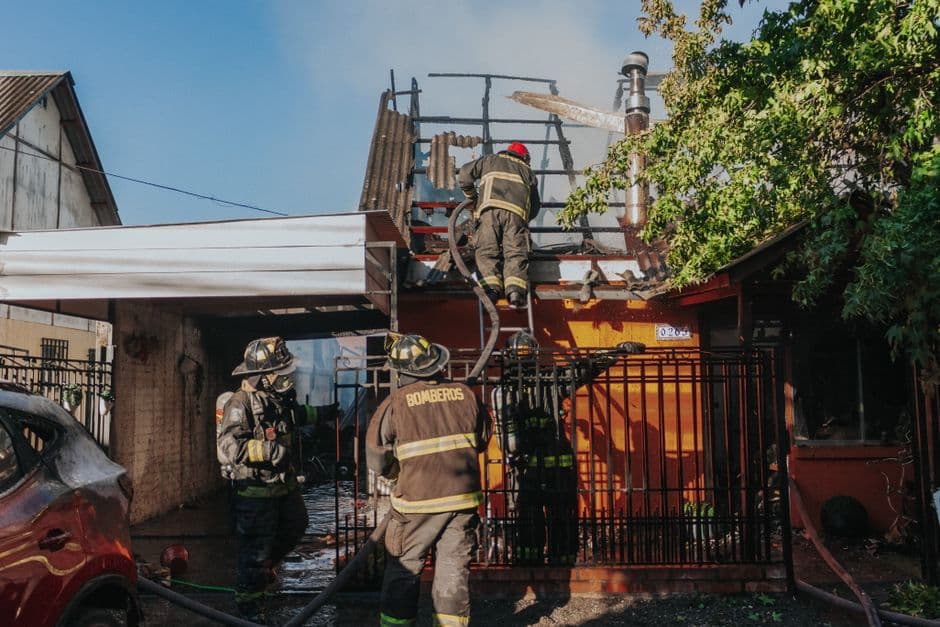
Fire is the one call that is different from every other job we take. Water damage is loud, messy, and obvious. A house fire is quiet by comparison, at least at first. You smell it before you see it. You hear the smoke alarm at 2 a.m., and the next thing you know the fire department is cutting a hole in your roof and your home is wet, blackened, and unlivable for weeks.
We are GOAT Home Services, and we handle fire restoration across Irving as part of our DFW service area. Graham, our co-owner, holds the Master Fire and Smoke Restorer designation and is IICRC certified in fire and smoke restoration, so this is not a side service for us. Here is what Irving homeowners need to know about fire damage: why it happens in this city and what the restoration process actually looks like.
The Four Fire Profiles We See in Irving Homes
Irving sits at the intersection of Dallas and Tarrant counties, and its housing stock reflects that mix. You will find 1960s tract homes in the older neighborhoods near the floodplain, 1990s suburban splits in the master-planned communities, and commercial-condo hybrids in Las Colinas. That variety creates different fire dynamics than anywhere else in North Texas.
The three biggest fire risks we see in Irving homes break down by era. Homes built before 1980, particularly in South Irving and around the Cotton Bowl area, lack arc-fault circuit interrupters. When a family runs a window unit, a space heater, and a microwave on a 45-year-old circuit, the wiring gets hot. Heat in the wall cavity is how a lot of electrical fires start. Homes built from the 1990s through 2010, in areas like Las Colinas, Valley Ranch, and the Heritage District, have open floor plans with high-BTU cooking appliances. Kitchen fires spread from the stove to adjacent living areas in under five minutes because there is no door or wall to slow them down. And the newer construction from 2015 onward uses engineered lumber and synthetic insulation materials that produce different smoke chemistry than traditional framing lumber.
| Fire Type | Where It Starts in Irving | What It Damages | Restoration Complexity |
|---|---|---|---|
| Kitchen / grease fire | Stove, vent hood, cabinets in 1990s-2010s open floor plans | Kitchen cabinets, sheetrock, appliances, smoke throughout the living space | Medium: contained area, but smoke travels far in open plans |
| Electrical fire | Wall cavities, panels, attic wiring in pre-1980 homes | Hidden structural damage, melted wire, heavy smoke in wall cavities | High: requires opening walls to find hot spots and hidden damage |
| HVAC / appliance fire | Furnace, water heater, dryer vent in 1990s-era homes | Mechanical room, ductwork, soot blown through the entire HVAC system | High: soot in ducts spreads contamination to every room |
| Lightning / storm-related fire | Roof, attic, electrical panel during spring storms | Roof decking, attic structure, sometimes combined with water damage from roof openings | Highest: combined fire and water, often structural |
Here is what we tell Irving homeowners: the fire is the event, but smoke is the bill. A small kitchen fire that is out in four minutes can still contaminate every porous surface in the house because smoke is an aerosol of partially burned material that settles into drywall, carpet, upholstery, and clothing. Irving's wind patterns, the city sits in a natural corridor between the Trinity River floodplain and the Walnut Creek valley, mean smoke from exterior fires spreads faster and farther than in many DFW suburbs. We recommend calling a restoration crew before noon on the day of the fire. That is the window where 48-hour soot etching and 24-hour mold growth do not become permanent.
Smoke and Soot Damage in Irving Homes
Smoke damage is not one thing. It is four things, and they behave differently depending on what burned and where.
Wet smoke comes from low-heat, smoldering fires and is sticky, smeary, and the hardest to clean because it bonds deeper into the surface. Dry smoke comes from fast, hot fires and is powdery. It gets into every crack and is harder to find. Protein smoke comes from cooking fires and is nearly invisible. A thin, greasy film that stains walls and leaves everything smelling like burned food. Fuel-oil smoke comes from furnaces and appliances and leaves a dark, heavy residue that corrodes metal within hours.
Every type is acidic. Soot starts etching brass doorknobs, clouding glass, and staining porous materials within 24 hours. That is why the clock on smoke damage starts at the fire, not when you get around to calling someone. A surface wiped down within a day may be fine. The same surface left for a week is permanently damaged.
Irving's housing stock makes this worse. The 1990s construction boom in Las Colinas and Valley Ranch used engineered floor trusses and synthetic-backed carpet, which absorb smoke residue differently than the solid-sawn framing and wool carpet found in pre-1980 Irving homes. And almost every Irving home has a forced-air HVAC system that circulates smoke through the entire structure the moment the blower kicks on.
For smoke and soot damage, we recommend professional smoke damage restoration rather than DIY cleaning. Household cleaners smear soot and push it deeper. The proper sequence is dry-cleaning soot first, then wet-cleaning, then deodorizing with thermal fogging or ozone. That sequence is exactly what our odor control process follows.
Fire and Water: The Two-Part Damage
Here is what most Irving homeowners do not expect: a fire almost always becomes a water damage job too. The Irving Fire Department puts 500 to 1,000 gallons per minute on a working structure fire, and that water goes everywhere. It runs down walls, pools in the slab, soaks carpet, and saturates the sheetrock the smoke just coated.
So a fire restoration in Irving is really two restorations running at the same time. The fire side handles smoke, soot, and structural fire damage. The water side handles extraction, drying, and dehumidification of everything the fire hoses soaked. Drying has to start within 24 hours because in DFW's humidity, wet materials start growing mold within 24 to 48 hours.
That combination is why our fire restoration crew works alongside our water team on every fire job. You cannot clean soot off a wall that is still wet, and you cannot dry a wall cavity that is full of smoke residue. The sequence is non-negotiable: extract and dry first, then clean smoke and soot, then deodorize, then rebuild. We have been through this process enough times in Irving homes, from the 1960s bungalows near the river to the 2020 builds in the Heritage District, to know that skipping a step always means a callback.
How GOAT Covers Irving
Irving is one of our core service cities. We cover Las Colinas, Valley Ranch, the Heritage District, South Irving, and everything in between. When you call us after a fire, we answer 24 hours a day, 7 days a week. We target arrival within 60 minutes across the entire city. Irving's 62 square miles mean response time varies. We can be at a home in the Entertainment District in 15 minutes but it takes 45 minutes to reach the far southern edge near Camp Wisdom Road. We know the neighborhood layouts, and we know which Irving homes need permits for electrical or structural work before reconstruction can begin. Our recommendation for Irving homeowners: call before the sun comes up. The 24-hour window for soot etching makes that first hour after the fire department leaves the most critical.
Can I clean smoke damage myself to save money?
We do not recommend it. Soot is acidic, and household cleaners smear it deeper into surfaces. Smoke odor penetrates porous materials that surface cleaning cannot reach. It takes thermal fogging or ozone treatment to break the odor molecules down. The moment smoke has traveled through the house or the HVAC system, professional smoke damage restoration is the difference between a clean home and one that still smells like fire in six months.
Your insurance covers fire damage, here is what you need to document
Fires are covered under standard HO-3 policies, including smoke, soot, and water damage from firefighting. That is different from flood, which requires separate NFIP coverage. Document everything before anything is cleaned. Photos of all rooms, close-ups of damage, and the fire department report number. Most Irving homeowners have replacement cost value coverage on the dwelling, which means you get paid for full reconstruction minus the depreciation holdback, which is released when the job is complete. Keep every receipt for additional living expenses. Hotels, restaurant meals, and commuting costs while your home is being restored.
The Fire Restoration Timeline in Irving
How long does fire restoration take in Irving?
A small, contained kitchen fire with light smoke damage can be cleaned and deodorized in one to two weeks. A fire that involved the roof or the structure, with significant water damage from firefighting, can take two to four months when reconstruction is included. The drying phase alone takes 3 to 7 days. The insurance estimate and material lead times drive the rebuild schedule. In Irving's 62-square-mile footprint, our crews can typically start within 60 minutes of your call.
What to do the night of a fire, before the restoration crew arrives
Get everyone out and stay out until the fire department clears the structure. Do not turn the HVAC back on. That circulates soot through every room. Do not touch or clean anything. Soot smears, and the insurance documentation needs the scene intact. If the structure is open, ask the fire department about temporary board-up or call us. We carry materials in every truck. Take photos from outside if it is safe, and call a restoration company that answers 24/7. The board-up window does not wait for business hours.
When to Call Us (And When You Can Handle It Yourself)
If the fire was contained to a pan on the stove and there is no visible smoke damage beyond the kitchen, you may be able to handle the cleanup yourself. Dry-cleaning sponges, HEPA vacuuming, and replacing the HVAC filter are sufficient. But if the smoke traveled beyond the room of origin, if any surface is still wet from firefighting, or if you cannot eliminate the smell after 48 hours of cleaning, that is our line in the sand. We would rather send a crew for a small job and tell you it was easy than have you wait until the soot etching or mold growth makes it expensive.
For DFW homeowners dealing with fire, smoke, or soot damage, we recommend calling a restoration company the night of the fire, not the morning after. Your insurance mitigation duty starts the moment the fire is out, and the 48-hour cleaning window on smoke damage does not pause while you get three quotes.
Key Takeaways
Smoke is the expensive part of a fire, and it is acidic, so cleaning has to start within 48 hours. Fire almost always means water damage too, and the drying clock starts immediately. Irving's mix of pre-1980 and post-1990 construction creates different fire dynamics in every neighborhood. And fire is covered by standard homeowners insurance, so the claim process should not be a barrier to calling for help.
If your Irving home has fire, smoke, or soot damage, call us at (469) 525-2254. We answer 24 hours a day, 7 days a week, 365 days a year. We target arrival within 60 minutes across Irving, from Las Colinas to South Irving. Expect Greatness.
Fire Damage Restoration Costs in DFW and Fire Damage Restoration in Arlington, TX cover the cost ranges and city-specific details we see across North Texas.