
Quick Answer
Fire damage cleanup in DFW: the 5-phase order, what to toss, the Texas soot rules most DIY guides miss, and what your insurer requires before you scrub.
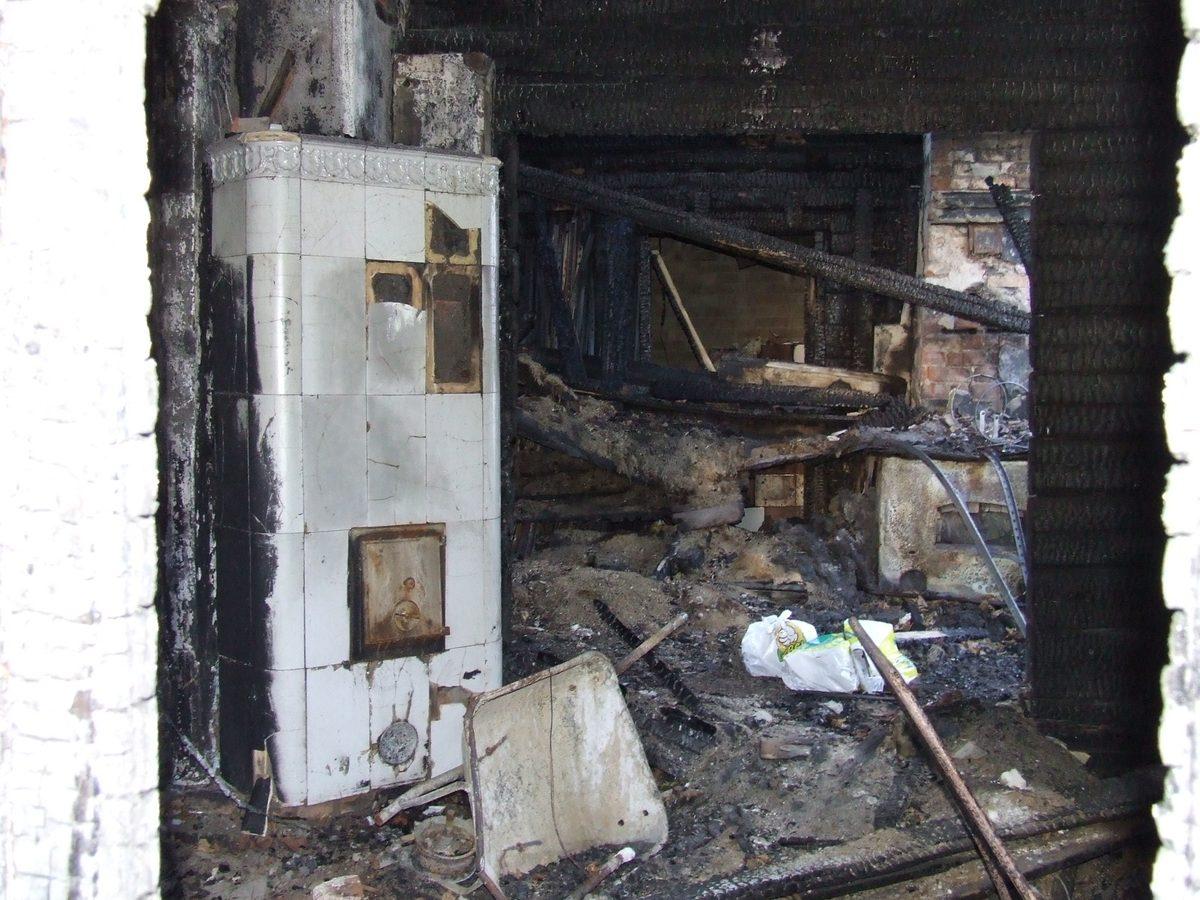
A house fire leaves three kinds of damage: the burn, the smoke that coated everything, and the water the crews used to stop it. Clean in the wrong order and a bad week becomes a mold claim. Here is the sequence our crews work in, what you can honestly handle yourself, and where DIY stops.
Before You Touch Anything: Clearance, Safety, and the Clock
Do these five things before you pick up a sponge. Everything after this section assumes they are done.
- Get the clearance. Do not re-enter until the fire department releases the home. Ask them directly whether the structure, the electrical, and the gas are cleared for occupancy-level work.
- Wear the right gear. Los Angeles County public health guidance for soot cleanup calls for gloves, long sleeves, and an N95 dust mask minimum. Soot is alkaline, oily, and full of fine particulate. A bandana is not protection.
- Photograph everything before you move anything. Every room, every damaged item, wide shots before close-ups. Your adjuster will want this record, and once debris leaves the house that evidence is gone.
- Call your insurer and start the claim the same day. The Texas Department of Insurance claims guide puts the duty plainly: as a policyholder you are required to take reasonable steps to prevent further damage, the dry-in and protection steps the industry calls mitigation.
- Leave the HVAC off. The system ran for the whole fire and for the hose water after it. Every fan setting you choose is a soot delivery system.
Our stance: the clock starts the day of the fire, not the day you decide to clean. Hose water in a closed Texas house is a mold situation on a schedule, and an insurer that sees a slow response can argue you failed to mitigate.
The 5-Phase Cleanup Order, Why Sequence Beats Speed
Restoration companies do not clean rooms in whatever order feels productive. We work phases, because each phase creates the conditions for the next one.
- Phase 1: Secure. Tarp the roof, board up openings, and get weather out of the structure. The full decision tree is in our board-up and tarping guide.
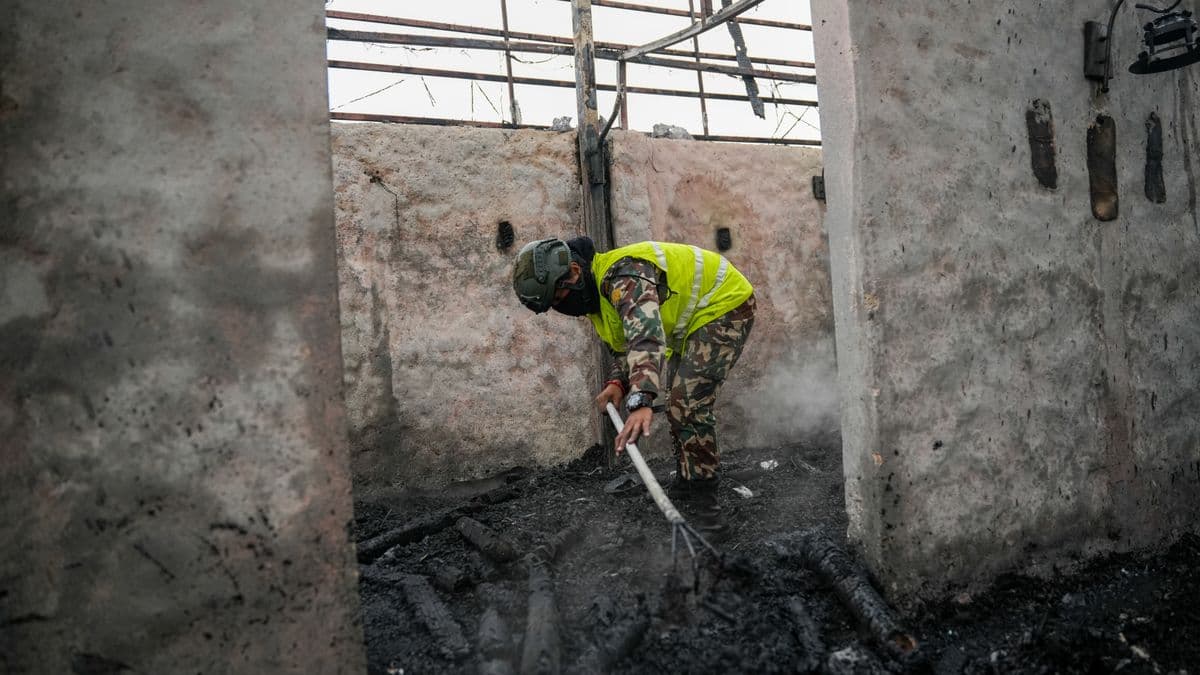
- Phase 2: Extract the water. Fire hose water is not clean water. It has passed through flame, soot, and burnt materials, which puts it in the same contaminated class as the waste-water backup covered in our category 3 water guide. Extract it like contaminated water: gear on, extraction first, not mopping.
- Phase 3: Dry the structure. Air movers plus dehumidifiers, not open windows alone. Drying finishes before wet cleaning starts, because wet cleaning a soaked wall just pushes moisture deeper.
- Phase 4: Dry soot removal first. Vacuum loose soot with a HEPA machine and lift the rest with a dry chemical sponge, holding the nozzle above the surface the way the LA County protocol describes. Never start with a wet rag. Wet wipes smear oily soot into drywall and upholstery, turning a cleanable surface into a replaced one.
- Phase 5: Wet clean, then treat odor. Only now do detergents come out, followed by odor treatment on the sources the cleaning exposed. The odor sequence is covered in our guide to getting smoke smell out of your house.
| Phase | DIY is reasonable when | Call a pro when |
|---|---|---|
| Secure | A window or door is the only opening | Any roof or wall opening |
| Water extract | A few gallons from over-spray | Hose water filled rooms |
| Dry | One wall is damp, caught within a day | Anything wet past 24 hours |
| Dry soot | A small patch outside the burn room | Soot in multiple rooms or in ducts |
| Odor | One soft item smells | The whole house smells |
Our stance: order is the difference between cleaning and making it worse. A homeowner who extracts and dries first can save most of a house. One who starts scrubbing walls on day two can total it.
What Goes Out the Door and What Comes Back on the Shelf
The sorting decision is faster than most people expect. Heat, smoke, and water from the firefighting reach farther than the flames did, and several categories of items are not salvageable no matter how they look.
Toss these, even if they look fine
Save and clean these
Our stance: if you are debating whether a soft, porous, soot-exposed item is worth saving, it is not. Spend the hours on the structure and the claim instead.
The DFW Twist: Hose Water, Slab Foundations, and Texas Humidity
National cleanup advice was written for every climate. Three things about North Texas homes change the math after a fire.
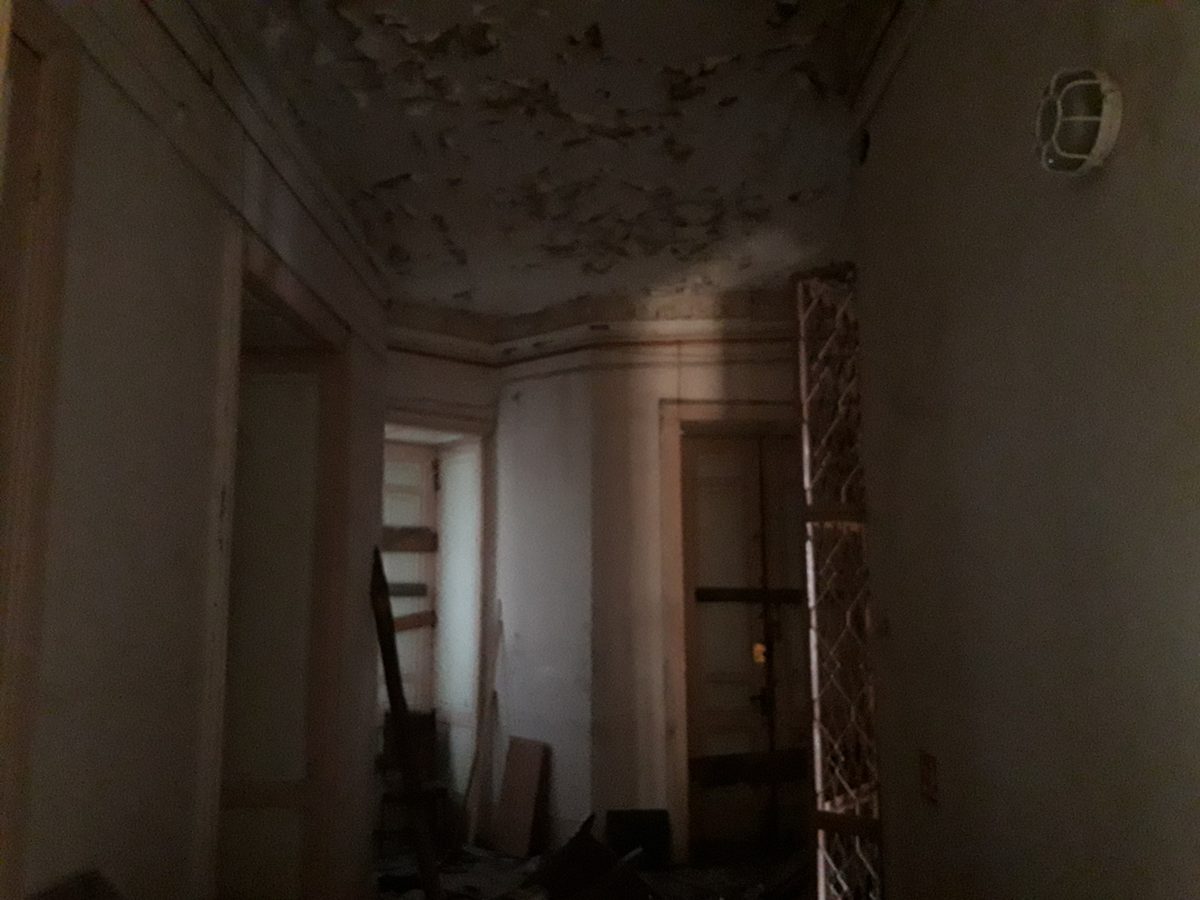
Most DFW homes sit on a slab. A typical fire pump runs hundreds of gallons through the house before the crews knock the fire down. That water spreads across a slab, wicks up drywall and baseboards, and pools under cabinets where nothing can see it. Homes built on basements or crawl spaces at least have somewhere water can go. Your slab has nowhere to put it.
Texas humidity closes the mold clock in days. A house that sat closed with soaked materials after the fire is the exact condition mold needs. The timeline and the DFW-specific numbers are in our guide to how fast mold grows in Texas homes. Check hidden cavities, not just visible walls.
Texas regulates the fix separately. Once cleanup crosses into remediation territory, state law enters the picture. The EPA's cleanup guidance draws the DIY line at roughly 10 square feet of visible mold, and anything past the scope of normal and customary home repair in Texas falls under TDLR licensing. Mold work requires a licensed remediation contractor, and a company that is licensed for mold is not automatically licensed for the fire side of the job. Ask for both, in writing.
Our stance: in DFW, the fire is often the smaller bill. The hose water behind your drywall is what decides whether you are cleaning a house or rebuilding one in six weeks.
What Your Insurer Needs From the Cleanup Itself
The cleanup and the claim are the same project. The Texas Department of Insurance sets the expectation in its policyholder guide: you keep the property from getting worse, and you keep records that prove it. Practically, that means four things while you work.
- Photograph before every phase, not just at the start. Water extraction before and after. Debris removal room by room. These photos are how you prove the water damage you are claiming came from the firefighting and not from neglect.
- Keep every mitigation receipt. Tarping, board-up, a rental dehumidifier, plywood, plastic sheeting. These are claim-recoverable loss-mitigation costs in most policies, and the deductible math is better when the receipts exist.
- Build the contents list as you sort, not afterward. Room by room: item, approximate age, approximate replacement cost. Do not guess values you cannot support; describe what you have and let the adjuster respond.
- Get the adjuster's scope in writing before permanent repairs start. Emergency mitigation is required. Permanent reconstruction before the adjuster has seen it is where claims get arguments. Our insurance claims page covers how we document jobs so adjusters accept them the first time.
Our stance: the homeowners who get full value from a fire claim are the ones who treated cleanup as documentation, not just chores. Clean like your paperwork depends on it, because it does.
How GOAT Handles Fire Cleanup in DFW
When our crews run a fire job, we work the same 5 phases above with commercial equipment behind them.
- The water phase gets water specialists. Our lead holds IICRC water and fire credentials, including the FSRT certification, and Graham carries the Master Fire and Smoke Restorer designation. Fire jobs start with water control because water decides what structure survives.
- Soot gets HEPA and chemistry, not rags. Dry ice and media blasting for structure, ultrasonic and dump-tank cleaning for contents, and acidic soot neutralization on surfaces, which is the scope behind our smoke damage service.
- Odor gets treated at the source. Ozone, hydroxyl, and thermal fogging, matched to where the smoke residue actually lives. That is the work on our odor control service.
- The rebuild stays in-house. Structural repair and reconstruction ride under the same fire restoration contract, so you are not coordinating three companies through one adjuster.
- Documentation is part of the job. Moisture logs, photo records, and scope language an adjuster can read. A clean file moves claims.
Our stance: we would rather quote you for the full scope honestly than start cheap and grow the job mid-claim. Fire work done twice costs twice.
When to Stop Scrubbing and Call: The Walkthrough Test
Run this check on any room before you commit your weekend to it. If two or more boxes apply, the room is ours, not yours.
- Soot reached the ceiling or disappeared into a soffit, wall, or duct run
- The house sat closed more than a day with wet materials inside
- More than one room needs a wet wash
- Anyone in the house has asthma or another respiratory condition
- The smell returns within a day of cleaning
- Water pooled on the slab and you cannot see under the cabinets
If the room passes every box, work the sequence above: photograph, gear up, sort, dry soot first, wet clean last, dry everything, document as you go. If it fails, call where we can start the same day.
You can reach a person at GOAT Home Services any hour at (469) 525-2254. If you are past the first 48 hours and still smelling smoke, the residue is done spreading and the real cleanup starts now.