
Quick Answer
Managing storm damage after severe weather hits your Plano home. Hail-damaged roofs, flash flooding, and navigating insurance claims after a DFW storm.
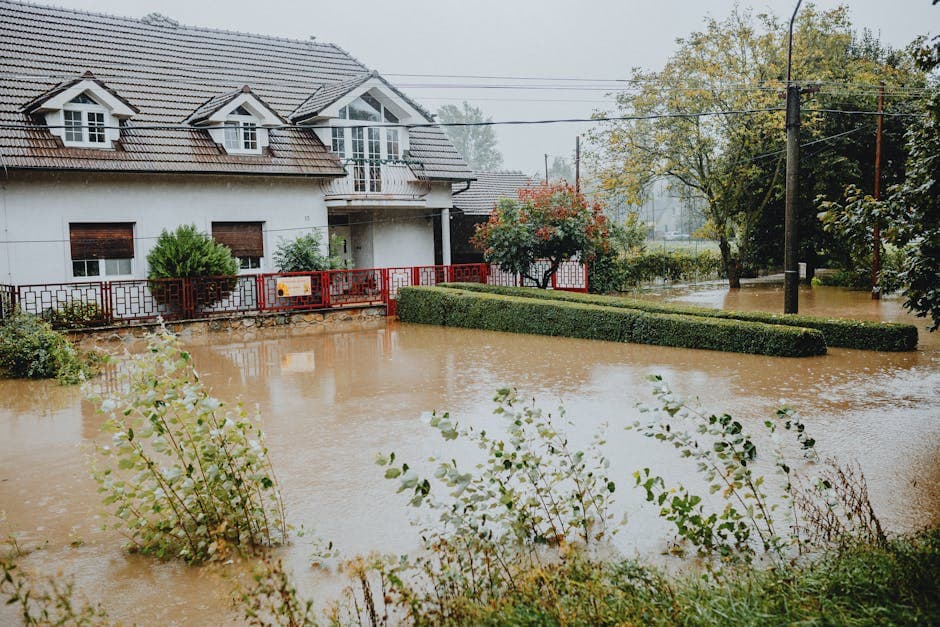
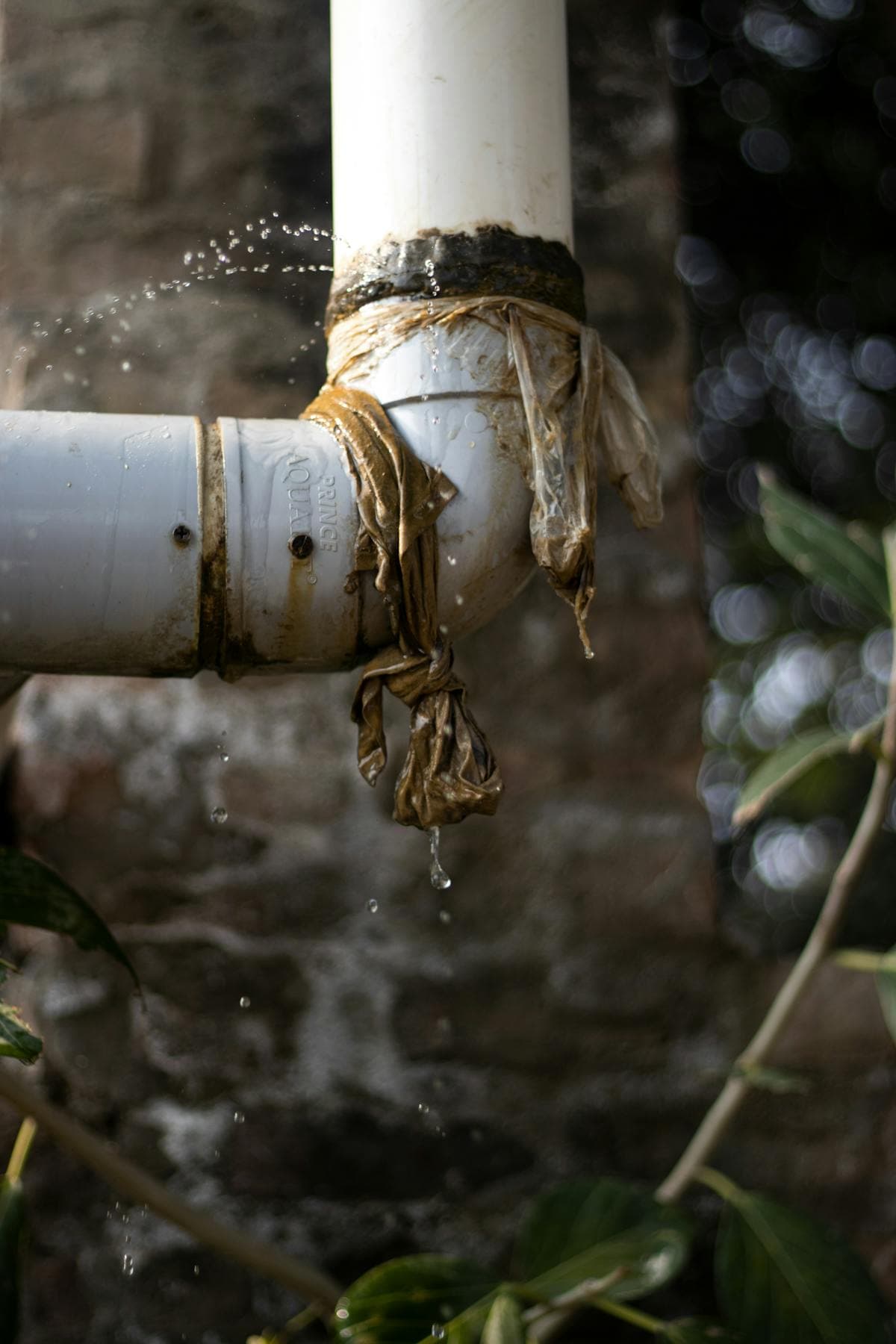
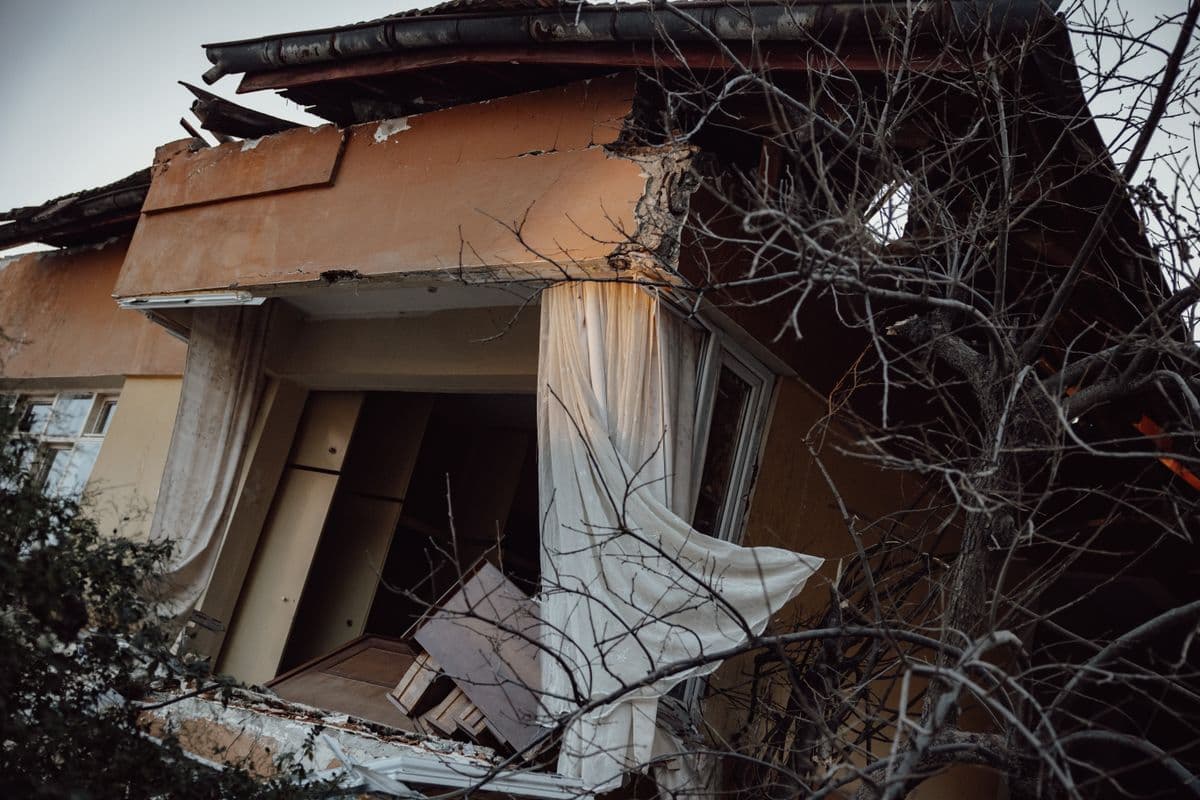
The storm passed. The sirens stopped. Your Plano neighborhood is quiet now, but the damage is just becoming visible. A smashed patio table, a roof that looks like someone took a hammer to it, water pooling in a downstairs room you have never seen wet before. This is the moment when your decisions over the next few hours determine whether this becomes a $2,000 insurance claim or a $25,000 nightmare.
We have responded to storm damage calls across Plano after every major North Texas weather event in the last decade. After the 2023 hailstorm that pounded east Plano with golf-ball-sized stones. After the spring floods that turned Rowlett Creek into a river and sent water into homes near the Arbor Hills Nature Preserve. After the straight-line wind events that snapped century-old oaks onto roofs in the historic downtown area. The post-storm patterns are consistent. The mistakes homeowners make are predictable. (Our pre-storm preparation guide covers what to do before the next big one hits.) This guide walks you through what to do in the first 24 hours after a storm hits Plano.

Phase 1: The Safety Assessment (First Hour)
The instinct after a storm passes is to walk outside and assess the damage. That instinct is correct, but the order matters. Do not walk into a structurally compromised area. Do not step into standing water that might be electrified. Here is the order of operations we recommend to every Plano homeowner we talk to after a storm:
Check for Gas Leaks and Electrical Hazards
If you smell natural gas, do not turn on any lights, do not use your phone inside the house, do not flip any switches. Leave immediately, call 911 from outside, and then call Atmos Energy at 888-286-3700. If you see downed power lines, assume they are live. Stay at least 30 feet away and call Oncor at 888-313-4747. Do not approach them, even if they look de-energized. The lines can re-energize without warning.
Look for Structural Damage
Walk around the exterior of your home before going inside. Look for cracks in the foundation, walls that are leaning or bowing, a chimney that has separated from the roofline, or a roof that is visibly sagging. If any of these are present, do not enter the house. Call a structural engineer or a licensed contractor before going inside. If the damage is limited to missing shingles, broken windows, or visible water stains, it is usually safe to enter, but proceed carefully. Check ceilings for sagging, a water-logged ceiling can collapse under its own weight.
Plano-Specific: Know Your Flood Zone
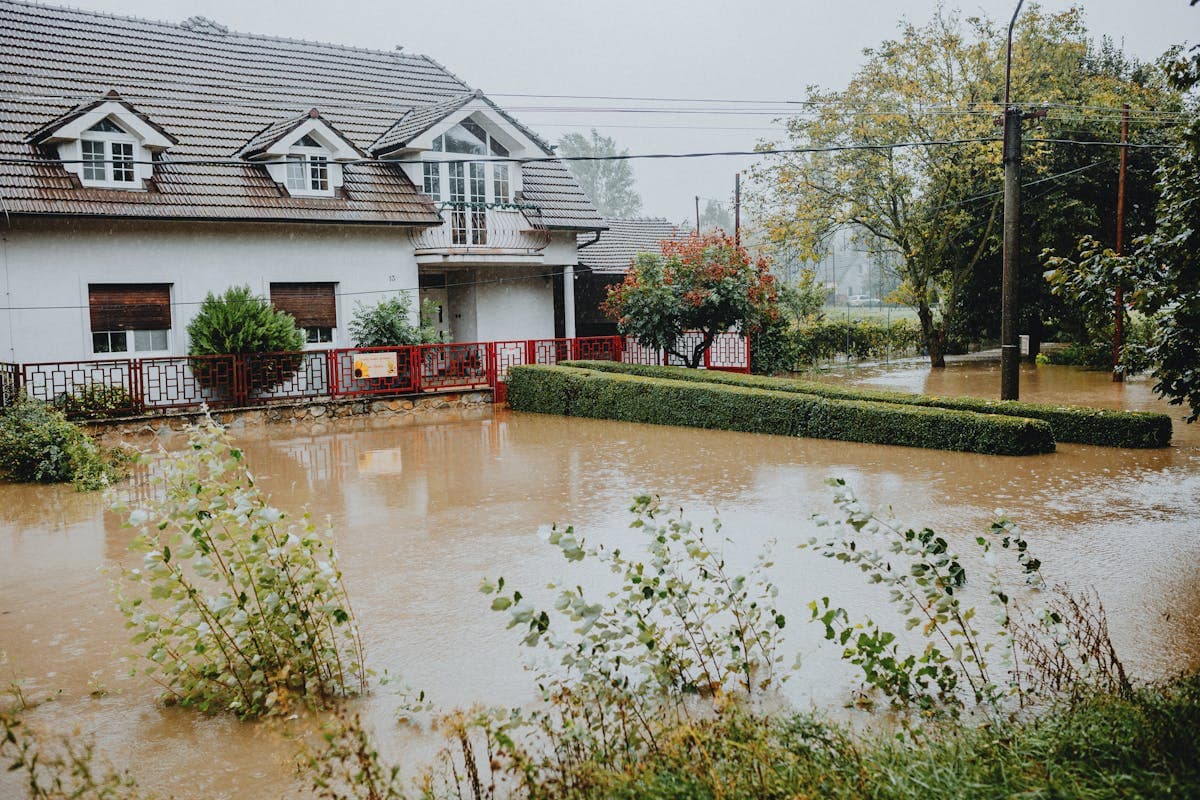
Plano has several areas that flood with notable consistency. If you live near Rowlett Creek, White Rock Creek, or Indian Creek, you already know this. Homes along the floodplains of these waterways are at higher risk during the heavy, sustained rainfall that accompanies North Texas spring storms. If your home is in a FEMA-designated flood zone, and water entered your home from outside (not from a roof leak), treat the water as Category 3 contamination. It carries bacteria, chemicals, and debris from the surrounding area. Do not wade in it without protective boots and gloves, and do not let children or pets near it.
Phase 2: Document Everything (Hour 1-3)
Before you move a single item, before you sweep water out the door, before you pull the soaked carpet, document every square foot of damage. This documentation is the foundation of your insurance claim, and it is the only evidence you will have if your carrier questions the scope of the loss.
Take Wide-Angle Photos and Video
Walk through every affected room and take photos from each corner so the adjuster can see the full room in context. Then take close-ups of specific damage: the cracked window, the water stain on the ceiling, the soaked baseboard, the dented roof vent. If you have a phone capable of video, walk slowly through the house narrating what you are seeing. This matters more than you think. A 3-minute video with a time stamp is stronger evidence than 50 individual photos.
Document the Exterior
Walk the perimeter of your home and photograph the roof from ground level, the siding, the windows, the foundation. If you have hail damage, photograph dents in roof vents, gutters, downspouts, AC condenser fins, and metal trim. These soft metal surfaces show hail impact more clearly than asphalt shingles and provide the adjuster with clear evidence of a hail event. If you have a drone or can safely access a second-story window, photograph the roof surface. Many restoration companies, including ours, will send someone to do a roof inspection as part of the initial assessment. You do not need to climb on the roof yourself.
Make a Written Inventory
Write down every damaged item you can identify: furniture, electronics, clothing, documents, appliances, flooring, wall coverings. For each item, note the approximate age, purchase price if known, and current condition. This will save you hours when you file the claim. The insurance adjuster will ask for this list. Having it ready before they arrive means the claim moves faster. Do not throw away damaged items until the adjuster has seen them or given you permission to dispose of them.
Phase 3: Stop the Damage From Getting Worse (Hour 2-6)
Insurance policies require homeowners to take reasonable steps to prevent further damage after a covered loss. This is called "mitigation" in insurance language. If you do not tarp a hole in your roof and the next rain causes more water damage, your insurance may not cover the additional damage. Here is what to do and in what order:
Tarp the Roof
If your roof is damaged, get it covered before the next rain. In DFW during storm season, the next storm can arrive within hours. If you cannot safely access your roof, call a restoration company or a roofing contractor to tarp it. Most emergency restoration companies in Plano, including us, include tarping as part of the emergency response. If you have a manageable hole and are comfortable on a ladder, a heavy-duty tarp from Home Depot or Lowe's ($30-$60) secured with 2x4 lumber and roofing nails can hold until a professional repair is made. Do not walk on a damaged roof. If the decking is compromised, you can fall through. Let a professional handle it.
Board Up Broken Windows and Doors
Any opening in your home's envelope is an invitation for rain, debris, animals, and unauthorized entry. Board up broken windows and doors with plywood as soon as it is safe to do so. Most hardware stores in Plano, including the Home Depot on US 75 and the Lowe's on Preston Road, carry pre-cut plywood panels during storm season. Measure your window and door openings before you go, or buy 4x8 sheets and cut them on site. Emergency boarding is a service we provide as part of our 24/7 emergency response. If the damage is extensive, call us instead of trying to board up a dozen windows yourself.
Remove Standing Water if Safe
If there is standing water inside your home and it is safe to enter (no electrical hazards, no structural concerns), begin removing it. A wet/dry shop vac can handle small volumes of standing water on hard floors. For carpeted areas, the water has already saturated the pad and subfloor. You will not remove it with a shop vac. When the carpet pad absorbs water, it acts like a sponge held against the subfloor. The moisture wicks into the wood and creates a mold hazard within 24 to 48 hours. Professional water extraction with truck-mounted units is the only reliable way to dry a flooded room. We have extracted thousands of gallons of water from Plano homes after spring storms. The equipment matters.
Set Up Fans and Dehumidifiers
If the power is on, set up box fans pointing at wet areas and run them continuously. If you have a dehumidifier, run it in the wettest room. This is not a substitute for professional drying, but it buys you time by slowing the rate of moisture absorption into building materials. In Plano's humid climate, where summer relative humidity routinely hits 70 percent or higher, air drying alone will not work. The moisture in the air prevents evaporation from wet surfaces. Professional drying equipment, commercial air movers and refrigerant dehumidifiers, create the specific airflow and vapor pressure differential needed to dry structural materials to the IICRC standard.
Phase 4: File Your Insurance Claim (Day 1-2)
Filing a storm damage claim in Plano follows a specific sequence. The order matters, and doing it correctly on the first try can save weeks of back-and-forth with the adjuster.
Call Your Insurance Company
Call your insurance agent or the company's claims line as soon as you have documentation. Most major carriers have 24/7 claims lines specifically for storm events. Have your policy number ready. Tell the representative: the date and time of the storm, the type of damage you have identified (roof, water intrusion, broken windows, structural, etc.), and whether you have already started mitigation (tarping, boarding up, water removal). Do not wait days to file. The longer you wait, the more the adjuster may question whether the damage was caused by the storm or by delayed response.
Know What Your Policy Covers
Standard Texas homeowners policies (HO-3 and HO-B forms) cover storm damage, but the specifics matter:
- Wind and hail damage to your roof: Covered under most policies, minus your deductible. Roof claims are the most common storm-related claim in Plano. The standard deductible for wind and hail in Texas is typically 1 percent of the dwelling coverage amount. On a $400,000 home, that is a $4,000 deductible. Some policies have a separate, higher wind/hail deductible. Check your policy declarations page.
- Water damage from rain entering through a storm-damaged roof: Covered, as long as the roof damage was caused by the storm and the water entered through that damage. If the roof was already leaking before the storm, a common issue in older Plano homes, the carrier may deny coverage.
- Flood damage from rising water: Not covered under standard homeowners insurance. You need a separate flood insurance policy through the National Flood Insurance Program (NFIP) or a private carrier. If the water entered your home because Rowlett Creek overflowed its banks, that is flood, not storm water intrusion. Many Plano homeowners do not realize this until after the storm.
- Tree removal: Most policies cover the cost to remove a fallen tree that damaged your home or is blocking access. They typically do not cover removal of a fallen tree that did not hit anything. If a tree fell in your yard but missed the house, the cleanup is your expense.
- Additional living expenses (ALE): If your home is uninhabitable during repairs, your policy may cover hotel stays, meals, and other living expenses. Keep receipts for everything.
Work With a Restoration Company That Handles Insurance
This is where having the right restoration partner matters. A company that works directly with insurance carriers can document the scope of the loss in the format the adjuster expects, provide moisture mapping and thermal imaging reports that substantiate the claim, and negotiate scope adjustments if the initial estimate is insufficient. We handle the insurance coordination on every storm damage job we do in Plano. The homeowner should not have to translate restoration scope into insurance language. That is our job.
Phase 5: The Restoration Process (Week 1-4)
Once the emergency is stabilized and the claim is filed, the restoration phase begins. Here is what the process looks like for a typical Plano storm damage job:
Day 1-2: Emergency Mitigation
Water extraction, roof tarping, boarding up, and initial drying setup. The goal is to stabilize the property and prevent secondary damage. For a Plano home with a damaged roof and water intrusion, this phase typically takes 1 to 2 days. Our crew sets up drying equipment, monitors moisture levels twice daily, and adjusts equipment placement as drying progresses. We document every reading with moisture maps and photos for the insurance file.
Day 3-7: Detailed Assessment and Estimating
Once the property is dry and stable, we complete a detailed scope of work. This includes identifying all materials that need to be removed and replaced, not just dried. Drywall that has been saturated to the core cannot be saved. Insulation that has been wet for more than 48 hours must be removed and replaced. Carpet padding is always replaced after water exposure, even if the carpet can be cleaned. The scope is submitted to your insurance company with supporting documentation: moisture readings, thermal images, photos of affected materials, and a line-item estimate.
Week 2-4: Repairs and Reconstruction
Once the insurance company approves the scope, reconstruction begins. Depending on the extent of the damage, this can include: drywall replacement, insulation replacement, painting, flooring installation (carpet, hardwood, LVP, tile), cabinet repair or replacement, and trim and baseboard installation. For Plano homes that sustained significant hail damage, roof replacement is often the largest line item. A full roof replacement on a typical Plano home (2,000-2,500 square feet) runs $8,000 to $15,000 depending on the material and the complexity of the roofline. We coordinate with the roofing contractor to ensure the roof replacement and interior repairs happen in the right sequence.
Plano-Specific Storm Risks: What We See Most Often
Plano's storm damage patterns are distinct because of the city's geography, housing stock diversity, and development patterns. Here is what we see most often when we respond to storm calls in Plano:
Hail Damage to Roofs
Plano sits in a hail corridor that runs through Collin County. The city has experienced multiple significant hail events in the last decade, with stones ranging from quarter-sized to golf-ball-sized. The neighborhoods most affected tend to be east of US 75, where the housing stock includes a higher proportion of older roofs. A composition shingle roof that has been in service for 15 years or more is significantly more vulnerable to hail impact than a newer roof. After a severe hailstorm, the number of roof replacement claims in Plano spikes dramatically. If your roof is over 12 years old and you experienced hail above 1 inch in diameter, we recommend having it inspected by a licensed roofer or a restoration professional who can document the damage for insurance purposes.
Flash Flooding in Low-Lying Areas
Plano has several flood-prone areas, particularly along the Rowlett Creek corridor and near the intersection of Spring Creek Parkway and Alma Drive. During the heavy rainfall that accompanies DFW severe storms, these areas can see water rise rapidly. Homes with walk-out basements or finished lower levels on sloping lots near these creeks are at the highest risk. The 2024 Memorial Day weekend storm caused significant flash flooding in these areas, with water entering homes that had never flooded before. If you live in one of these areas, water intrusion during a storm is not a matter of if, but when.
Straight-Line Wind Damage
Tornadoes get the headlines, but straight-line winds cause more property damage in Plano over the course of a typical storm season. The bow echoes that sweep across Collin County can produce sustained winds of 70 to 90 mph, enough to uproot trees, rip siding off homes, and send patio furniture through windows. The Legacy West area, with its newer construction and open lots, is particularly exposed to wind damage because the buildings lack the windbreak of mature tree cover. Older neighborhoods with large trees face a different risk: falling limbs and entire trees onto roofs, cars, and structures. We see this combination, wind damage to the building envelope plus tree impact damage, in nearly every major Plano storm event.
When You Can Handle It Yourself vs When to Call a Professional
We want every Plano homeowner to know what they can safely handle after a storm and what requires a professional. Here is the honest breakdown:
Handle It Yourself
- Cleaning up small debris from your yard (branches, leaves, loose shingles) that did not come through the roof or damage the structure. Wear gloves. Watch for nails.
- Drying out a small area of water on a sealed hard floor that you caught within 2 hours, where the water is clean (rainwater or supply line, not sewage or floodwater). A towel and a fan may be sufficient.
- Photographing and documenting damage for your insurance claim. You know your home better than anyone. Your documentation is valuable.
- Moving furniture and valuables out of a wet area to prevent further damage, as long as it is safe to enter. Move items to a dry area or elevate them.
Call a Professional
- Any roof damage that requires climbing a ladder or walking on the roof. Roofing is one of the most dangerous residential trades. A wet, damaged roof is even more dangerous.
- Standing water that has been sitting for more than 24 hours. It is already supporting microbial growth and may be contaminated regardless of its source.
- Any water that has migrated under flooring, into wall cavities, or through multiple rooms. If you cannot see the full extent of the water migration, you cannot dry it yourself.
- A musty smell developing after a storm. That smell is mold beginning to colonize. By the time you smell it, the spores have been growing for at least 24 to 48 hours.
- Electrical damage, gas leaks, or structural concerns. These require licensed professionals with the right training and equipment.
- Any damage where you plan to file an insurance claim. Having a professional restoration company document the scope and manage the mitigation creates a paper trail that strengthens your claim.
Why Plano Homeowners Trust GOAT Home Services After a Storm
We live and work in the same DFW community we serve. When a storm rolls through Plano and the calls start coming in, our trucks are on the road within 60 minutes, often sooner. We know the Plano housing stock, from the ranch-style homes built in the 1960s and 1970s east of US 75 to the new construction in west Plano near the Frisco border. We know the flood-prone intersections and the neighborhoods where hail damage clusters. We know which insurance carriers have good storm coverage and which ones require more documentation. We have handled storm damage restoration in Plano for years. We know what to expect, and we know how to get your claim paid and your home restored.
If a storm just went through your Plano neighborhood and your home was damaged, here is what we recommend: take the safety steps in Phase 1, document everything in Phase 2, take reasonable mitigation steps in Phase 3, file your claim in Phase 4, and then call us. Even if you are not sure whether the damage is bad enough to need professional help, a free on-site assessment gives you a professional opinion with no obligation. It is better to have someone look at it and tell you it is minor than to discover a $10,000 problem three months later when mold has taken hold behind a wall you thought was fine.
GOAT Home Services provides storm damage restoration services throughout Plano, Dallas, Frisco, McKinney, Carrollton, Allen, Richardson, Garland, Arlington, Irving, and every DFW suburb. We respond 24/7 with free on-site assessments. Our team holds IICRC certifications in water damage restoration and applied structural drying. We work directly with your insurance company to document the scope, negotiate the estimate, and manage the claim from start to finish. Call (469) 525-2254 for a free assessment and a straight answer about what your storm damage restoration will cost and how long it will take. No obligation. No hidden fees.