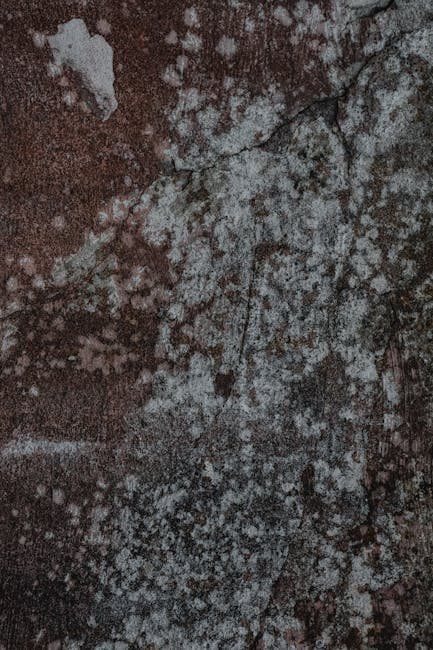

Quick Answer
Garland homes face elevated mold risk from June through September humidity. Warning signs specific to Garland's housing stock, when to inspect, and what the remediation process actually looks like.
If you live in Garland and you have found mold in your home, you are not alone. Garland sits on the same Blackland Prairie clay that most of DFW is built on, the same clay that cracks during our dry months and draws water during our wet months. And with June humidity settling into the 65-to-80 percent range where mold thrives, Garland homeowners see more mold this time of year than any other.
This guide covers what mold remediation actually looks like in a Garland home: what causes it, how the process works, what it costs, and how to choose a company that knows the city. We have responded to mold calls across Garland from the neighborhoods near Downtown Garland to the homes around Firewheel Town Center and Lake Ray Hubbard. The patterns are consistent. The surprises are predictable. Here is what you need to know.
Why Garland Homes Are at Elevated Mold Risk
Garland has a few specific characteristics that make mold a recurring problem for its homeowners. Understanding these helps you know what to watch for and when to act.
| Factor | Central & South Garland (Pre-1980) | North Garland & Firewheel (Post-1990) |
|---|---|---|
| Foundation Type | Slab-on-grade and some pier-and-beam in Downtown area | Slab-on-grade, post-tension in newer builds |
| Primary Mold Risk | Aging copper pinhole leaks, crawl space moisture, original plumbing failures | Slab cracks from expansive clay, AC condensate overflow, newer but settling foundation |
| First Sign of Mold | Musty smell, soft flooring, baseboard staining, dark spots at wall base | Damp carpet in hallways, warped door casings, ceiling stains below attic unit |
| Peak Risk Season | June through September, plus 48 hours after any heavy rain event | June through September, plus during any extended AC runtime period |
| Prevention Focus | Annual plumbing inspection, crawl space vapor barrier, foundation drain maintenance | Monthly water meter leak checks, AC condensate line cleaning, gutter maintenance |
1. Housing Stock Age and Foundation Type
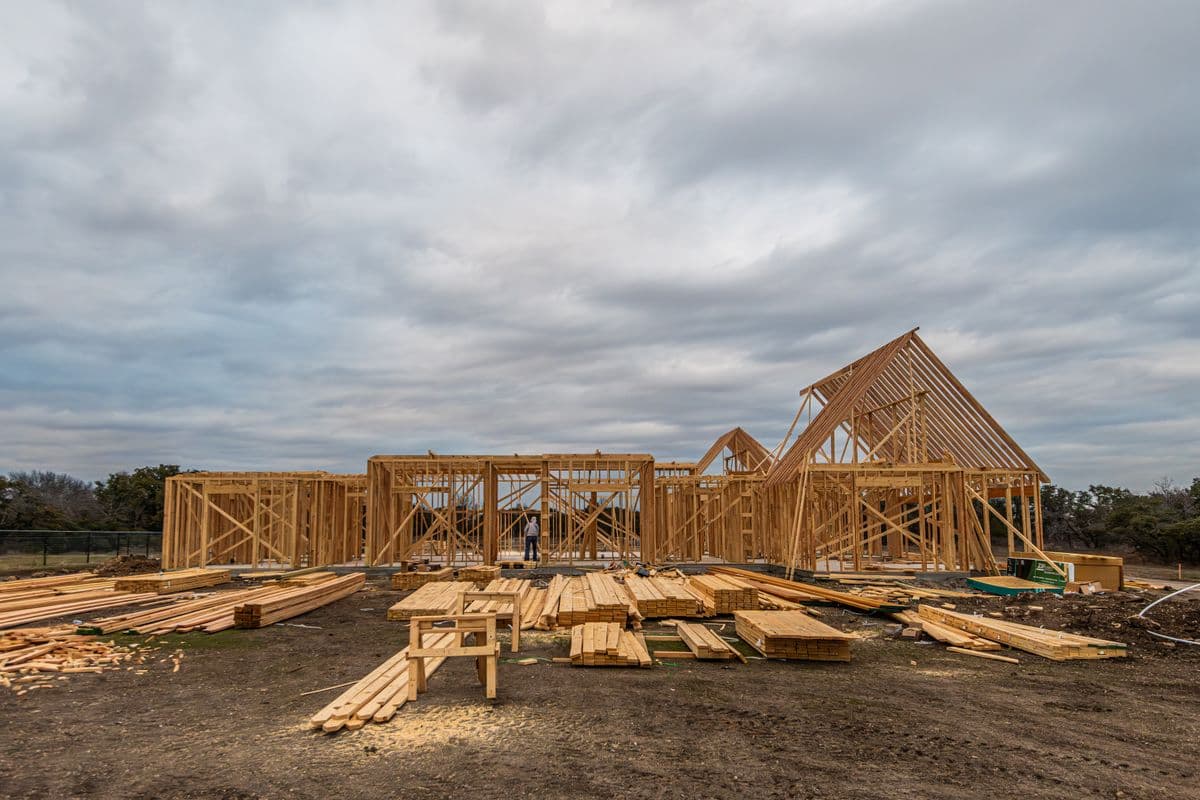
Garland's housing stock spans multiple eras. The central neighborhoods near Downtown Garland and the areas south of Belt Line Road were built predominantly in the 1950s through the 1970s, many on slab-on-grade foundations. The homes north of the President George Bush Turnpike and around Firewheel Town Center are newer construction from the 1990s through the 2010s.
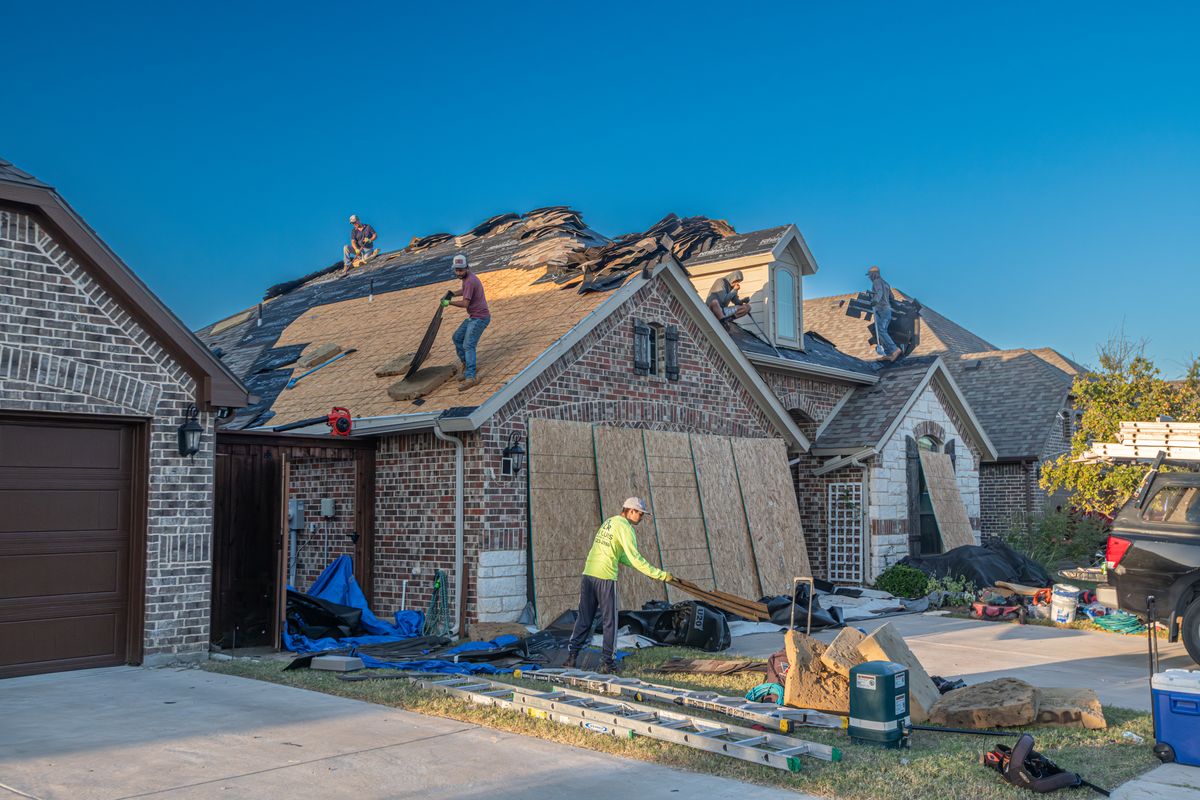
The older slab-foundation homes are the ones we see the most mold problems in. Here is why: DFW's expansive clay soil puts continuous stress on concrete slabs. When the soil dries during our summer heat, the clay shrinks and the slab settles. When the rain comes, the clay expands and pushes the slab back up. Over years of this cycle, slabs develop hairline cracks. Water follows those cracks under the foundation, where it wicks up through the concrete by capillary action into the framing and subfloor. Mold develops inside wall cavities where no one sees it until it has been growing for months.
In Garland's mid-century homes, this process is accelerated by the original plumbing. Copper supply lines in homes from the 1950s and 1960s develop pinhole leaks as they age. We have walked into Garland homes where a pinhole leak in a slab line had been leaking for two years before the homeowner noticed mold at the base of a wall. By that point, the mold had colonized the entire wall cavity and spread to adjacent rooms through the shared stud bays.
2. Garland's Location and Climate
Garland sits at the eastern edge of Dallas County, close to Lake Ray Hubbard. The proximity to the lake means the area receives slightly higher average humidity than more inland parts of DFW. The difference is small, a few percentage points, but in mold terms, any time indoor relative humidity stays above 60 percent, you are in the risk zone. Garland's summer average is well above that threshold from June through September.
The city also sits in a zone that receives heavy thunderstorm activity. According to NOAA data, DFW receives about 37 inches of rain annually, and Garland's eastern location means it catches the outflow from Gulf storms that push through the metroplex. Flash flooding along Rowlett Creek and Duck Creek affects properties in the floodplain, and even properties outside the mapped flood zone experience water intrusion through foundation cracks during 2-to-4-inch rain events.
Warning: Garland Homeowners
If your home is within a half mile of Rowlett Creek or Duck Creek, even if it is not in a FEMA mapped flood zone, check your crawl space or foundation perimeter after every 2+ inch rain event. The clay soil in these corridors saturates faster than the rest of Garland and can drive moisture into your home through foundation cracks within 12 hours of heavy rainfall.
3. Crawl Spaces and Pier-and-Beam Homes
While slab foundations dominate Garland's post-1960 construction, the older homes near Downtown Garland often have pier-and-beam foundations. These create crawl spaces that are notoriously difficult to keep dry. Pierce-and-beam crawl spaces in Garland are typically 18 to 36 inches tall, uninsulated, and vented to the outside through foundation vents. During DFW's summer humidity, those vents pull moist air into the crawl space, where it condenses on the cool undersides of the floor joists and subfloor. Mold develops on the wood, and the spores migrate upward through gaps in the flooring into the living space above.
We have done dozens of crawl space mold jobs in Garland's older neighborhoods, and the approach is always the same: seal the crawl space, install a vapor barrier over the soil, add a dehumidifier, and treat the affected wood with antimicrobial agents. If the mold has caused structural damage to the floor joists, sistering or replacement is necessary. This is not a DIY project. It requires professional containment and drying equipment, not a spray bottle of bleach.
Warning Signs: Slab-on-Grade Homes (Most of Garland)
In a Garland slab home, watch for: dark staining or bubbling paint on the lower 12 inches of interior walls, especially on walls shared with bathrooms or kitchens (often a slab leak). A patch of carpet or flooring that stays damp with no visible spill (moisture coming up through the slab). Baseboards that have separated from the wall or show a faint dark line at the bottom edge. Warped door casings or doors that suddenly stick in their frames after years of fitting fine. A musty smell you notice when you first walk into the house but stop noticing after 15 to 20 minutes (your nose acclimates, but the mold is still there).
Warning Signs: Pier-and-Beam Homes (Downtown Garland)
In a Garland pier-and-beam home, the signs are different: wood flooring that feels soft or spongy underfoot in one area (moisture in the subfloor from the crawl space below). A musty or earthy smell that gets noticeably worse after rain (rainwater entering the crawl space). Visible mold or dark staining on the underside of floor joists visible from the crawl space access. Elevated indoor humidity that your AC cannot bring below 55 percent even when running continuously. Floor vents that show rust or corrosion on the metal grille (condensation from humid crawl space air).
The Mold Remediation Process for Garland Homes
When we get a mold call from a Garland homeowner, the process follows a consistent sequence. Every mold job is different, but the steps are the same:

-
Inspection and Assessment. We start with a visual inspection of the affected area and surrounding spaces, using moisture meters to measure the moisture content of building materials and thermal imaging cameras to detect hidden moisture behind walls and under floors. We check humidity levels in the room and the HVAC system's operation. In Garland, we pay special attention to areas around windows, exterior walls, and plumbing fixtures. If visible mold covers more than 10 square feet or if we suspect wall cavity penetration, we set up containment before anything else.
-
Containment Setup. For any mold job larger than a small surface patch, we seal off the affected area with 6-mil plastic sheeting, set up a negative air machine with a HEPA filter that exhausts to the outside, and create a decontamination chamber for worker entry and exit. The goal is preventing spore dispersal to the rest of the home. In Garland homes where mold has entered the HVAC system, we turn off the system and seal the registers inside containment.
-
Material Removal. Affected drywall, insulation, baseboards, carpet, padding, and any other porous materials that cannot be cleaned in place are removed and double-bagged for disposal. Removal typically extends 12 to 24 inches beyond visible mold growth to capture all contamination. Exposed studs and framing are HEPA vacuumed and treated with an antimicrobial agent. In Garland homes with slab leaks, the bottom 12 to 24 inches of drywall is removed around the entire affected perimeter.
-
Drying. High-velocity air movers and commercial dehumidifiers are placed throughout the affected area. The target: below 15 percent moisture content for wood and below 5 percent for concrete, per IICRC standards. In Garland's summer humidity, drying typically takes 3 to 7 days. Humidity levels are monitored daily. Drying must be complete before any reconstruction begins.
-
HEPA Vacuuming and Antimicrobial Treatment. Once the area is dry, all surfaces inside containment are HEPA vacuumed to capture remaining spores. An EPA-registered antimicrobial agent is applied to kill residual mold and prevent regrowth. The framing is sealed with a mold-inhibiting primer before reconstruction.
-
Post-Remediation Verification. We recommend a post-remediation clearance test by an independent industrial hygienist. Air samples from inside the affected area are compared to a baseline sample from outside the home. If the indoor spore count is within normal range, remediation is verified complete. This step is optional but recommended for insurance documentation and peace of mind.
-
Reconstruction. Once remediation is verified, reconstruction begins: drywall, insulation, baseboards, trim, and flooring replacement. In Garland homes where mold affected finished basements or attics, reconstruction includes painting and finishing. Reconstruction is typically handled by a separate contractor unless the restoration company offers it in-house. We coordinate with you and your insurance company to ensure a smooth transition from remediation to reconstruction.
What Mold Remediation Costs in Garland
Mold remediation costs in Garland follow the same patterns we see across DFW. The size of the affected area, the accessibility of the mold, and whether the HVAC system is involved are the three main cost drivers.
- Small patch, surface mold only: $500 to $1,500. A contained spot under a sink, around a window frame, or on a bathroom wall from shower moisture. No drywall removal is needed.
- Single room, moderate contamination: $2,000 to $6,000. A leak behind a wall has allowed mold to colonize the drywall and framing in one room. Drywall removal and replacement is required.
- Multi-room or HVAC contamination: $6,000 to $15,000. Mold has spread through shared wall cavities or the HVAC ductwork. Full containment across multiple rooms, HVAC cleaning, and extended drying time.
- Full-structure remediation: $15,000 to $30,000+. Widespread contamination from a long-undetected leak, floodwater, or months of uncontrolled humidity. Entire structure needs to be contained, cleaned, and in some cases, partially rebuilt.
We have seen each of these scenarios in Garland homes. The single-room scenario is the most common. It usually traces back to a plumbing leak or a roof leak that went unnoticed for weeks or months.
Our Recommendation
If you find mold in your Garland home, call your insurance agent before you call a restoration company. Ask about your mold sub-limit and whether the cause of the moisture is a covered peril under your policy. Then call a remediation company. The order matters because the insurance company will ask what caused the moisture before they authorize the work. We have seen too many Garland homeowners start remediation only to learn their claim was denied because the moisture source was a gradual leak rather than a sudden event.
Insurance Coverage for Mold Remediation in Garland
Standard homeowners insurance policies in Texas, the HO-3 form, have specific limitations for mold coverage. Here is how it works:
- Mold caused by a covered peril: If the mold resulted from a sudden, accidental event like a burst pipe or an appliance overflow, the cost of remediation is typically covered up to a policy sub-limit. Most standard HO-3 policies have a mold sub-limit between $5,000 and $15,000. If the remediation costs more than the sub-limit, the homeowner is responsible for the difference.
- Mold from gradual leakage: If the moisture source was a slow leak that went undetected, many insurers will deny the claim on the basis that the damage resulted from long-term maintenance issues rather than a sudden event. This is the number one reason mold claims are denied in Garland. The key question is always: when did the leak start and when did you know about it?
- Mold from floodwater: Mold caused by floodwater from outside the home requires a separate flood insurance policy through the National Flood Insurance Program or a private flood carrier. Standard homeowners policies exclude flood-related damage entirely.
- Mold from excluded sources: Mold caused by earth movement, insects, or pets is not covered. Neither is mold resulting from a pre-existing condition that was known but not addressed.
How to Choose a Mold Remediation Company in Garland
Not all restoration companies handle mold remediation well. Here is what to look for in a Garland mold remediation company:
- IICRC certification: The Institute of Inspection, Cleaning and Restoration Certification sets the industry standard for mold remediation. The applicable certification is the Applied Microbial Remediation Technician (AMRT) or Water Damage Restoration Technician (WRT). Ask what certifications the crew holds.
- Texas Mold Remediation Contractor license: The Texas Department of Licensing and Regulation (TDLR) requires mold remediation contractors to be licensed. Verify the company's license before hiring. You can check on the TDLR website.
- Experience in Garland: A company that works in Garland regularly knows the city's building department, the local supply houses, and the typical building patterns in different neighborhoods. This local knowledge translates into faster permitting and fewer surprises during the remediation process.
- Insurance claim experience: Mold remediation generates a significant volume of documentation: moisture readings, containment logs, cleaning logs, air sampling results, scope of work, invoices. A company that handles insurance documentation poorly can cost you thousands in denied or delayed coverage.
- Full-service capability: The best companies handle the entire mold remediation process in-house: inspection, containment, removal, drying, treatment, and post-remediation verification. If a company subcontracts any of these steps, the coordination adds time and risk.
Garland-Specific Resources and Information
Garland homeowners dealing with mold have access to the usual DFW infrastructure: emergency services, insurance carriers, and restoration companies. A few things specific to Garland:
- Building permits: The City of Garland requires building permits for reconstruction work after mold remediation. The Building Inspection Department is located at 217 N. 5th Street. Permits are typically processed within 5 business days for standard residential work.
- Property taxes: Garland is in Dallas County. If your mold remediation was caused by a covered insurance claim, the loss in property value may be eligible for a temporary tax reduction through the Dallas County Appraisal District. This is an often-overlooked benefit that can save you several hundred dollars in property taxes for the tax year following the damage.
- Local utilities: If your mold was caused by a plumbing leak, and the leak was on the city side of the water meter, the City of Garland may be responsible for the repair. Contact Garland Utilities at (972) 205-3000 to report the leak and determine responsibility. We have seen cases where the city's responsibility for the leak repair affected the insurance claim's outcome.
Frequently Asked Questions About Mold Remediation in Garland
How do I know if I have mold or just mildew in my Garland home?
Mildew grows on surfaces and appears as white or gray powdery patches. Mold penetrates into materials and appears in various colors including black, green, brown, and orange. Mildew can usually be cleaned with a household cleaner. Mold requires professional remediation if it covers more than 10 square feet or has penetrated porous materials. The smell is also a clue: mold produces a musty, earthy odor that mildew does not.
Can I remove mold myself in Garland?
For small patches of surface mold under 10 square feet where the moisture source has been fixed, DIY removal is possible with proper precautions: wear an N95 respirator, gloves, and eye protection. Use a HEPA vacuum to capture loose spores, then clean with a detergent solution. Do not use bleach: it kills surface mold but does not penetrate porous materials, so the mold roots remain and regrowth is likely. For anything larger than 10 square feet, mold in wall cavities, mold in HVAC systems, or if you suspect black mold, call a professional.
How long does mold remediation take in a Garland home?
A single-room remediation takes 3 to 7 days including drying time. Multi-room remediation takes 7 to 14 days. Full-structure remediation can take 2 to 4 weeks. The drying time is the variable: in Garland's summer humidity, drying takes longer than it would in a drier climate, sometimes by a factor of two.
Does homeowners insurance cover mold remediation in Garland?
It depends on the cause. Mold from a sudden covered peril like a burst pipe is typically covered up to your policy's mold sub-limit (usually $5,000 to $15,000). Mold from a slow, undetected leak is often denied. Mold from floodwater requires a separate flood insurance policy. Always check with your agent before starting work.
What causes black mold in Garland homes?
Black mold (Stachybotrys chartarum) requires sustained moisture and a cellulose food source like drywall paper, wood, or paper-faced insulation. It develops when moisture has been present for 7 to 14 days without drying. In Garland, the most common causes are slab leaks that wick water into wall framing, plumbing leaks behind walls or under sinks, roof leaks that saturate attic sheathing and insulation, and crawl space moisture from humid air condensing on cool surfaces.
Prevention Checklist for Garland Homeowners
- Check your water meter monthly. Turn off all fixtures, note the reading, wait 15 minutes, and check again. A moving meter means a leak somewhere.
- Keep indoor humidity below 50 percent. Use your AC or a dehumidifier during the June through September humidity season.
- Clean your AC condensate drain line annually. A $150 service call prevents a ceiling water stain and the mold remediation that follows.
- Inspect your crawl space twice a year if your home has pier-and-beam. Look for standing water, damp soil, or musty smells.
- Check under sinks and around toilets for signs of moisture or discoloration every 3 months. These are the most common small-leak locations.
- After any heavy rain event above 2 inches, check your attic for signs of water intrusion and your foundation perimeter for standing water.
The Bottom Line on Mold Remediation in Garland
Key Takeaways
Mold in Garland is seasonal but predictable. June through September is peak season. Check your home's vulnerable areas at the start of summer. Moisture causes mold, and the moisture source must be fixed first. If you remediate mold without fixing the leak or humidity problem, it will come back, usually within weeks. Speed matters: mold can colonize wet materials within 24 to 48 hours. A small leak today can become a room-scale remediation job in two weeks. Insurance covers some but not all mold: know your policy's mold sub-limit and understand the difference between sudden damage and gradual damage. The distinction determines whether the claim is paid.
If you suspect mold in your Garland home, have it assessed. The cost of knowing what you are dealing with is free when you call the right company. The cost of waiting is the difference between a $1,500 treatment and a $15,000 remediation plus reconstruction.
GOAT Home Services provides mold remediation services throughout Garland, Dallas, Plano, Frisco, McKinney, Carrollton, and the entire DFW metroplex. We respond 24/7 with free on-site assessments. Our team holds IICRC certifications for mold remediation and works directly with your insurance company. Call (469) 525-2254 for a free assessment. No obligation. No scare tactics. Just a straight answer about what you are dealing with and what it will take to fix it.