
Quick Answer
Attic mold remediation in DFW costs $1,500-$15,000. Real cost drivers for Dallas and Carrollton attics: roof leaks, AC clogs, insulation, and insurance help.
Walk into an attic in Dallas or Carrollton in August and you will feel it before you see it: the heat, the dust, and sometimes that musty smell that does not belong. Attic mold is one of the most common jobs we get called for in late summer, and the first question is always the same. What does it cost to fix?
The honest answer is that attic mold remediation in DFW runs anywhere from $1,500 for a small patch to $15,000 or more when the whole attic and the insulation are involved. That range sounds useless until you understand what actually moves the number. This guide breaks attic mold remediation costs down the way we price them in the field, so you can estimate your own job before you pick up the phone.
Why Attic Mold Costs More Than Mold in a Living Room
Mold in a bathroom or living room is usually a surface problem. The drywall comes out, the studs get cleaned, and the room dries in a couple of days. An attic is a different environment entirely, and the price reflects it.
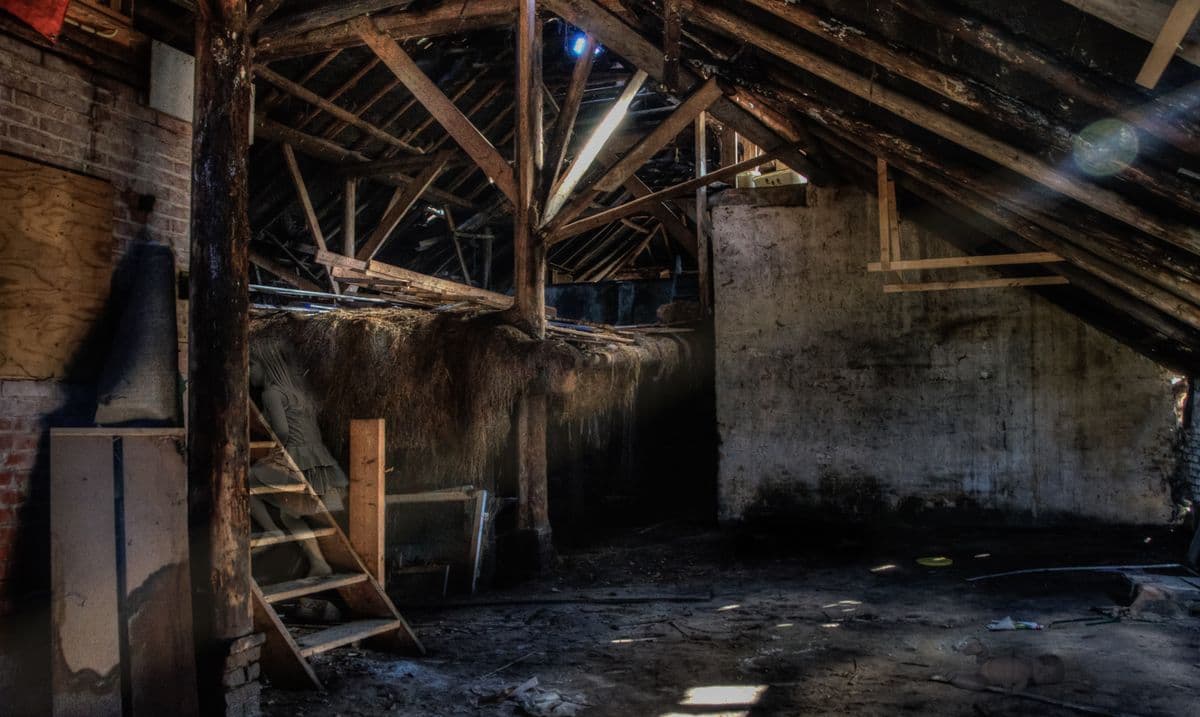
First, attics are confined spaces. The work area is cramped, the pitch of the roof limits how fast a technician can move, and in a DFW summer the temperature inside a dark attic can push past 130 degrees. That slows the work and requires more people rotating through the job. Second, the mold is usually not just on one surface. It grows on the underside of the roof deck, along the rafters, across the top of the insulation, and sometimes down the inside of the drywall ceiling below. Treating one spot without addressing the rest means it comes back, and it will come back fast in our humidity.
Third, and this is the big cost driver, insulation. Blown-in fiberglass or cellulose insulation that has mold on it cannot be cleaned in place. It has to be vacuumed out, bagged, and disposed of, then replaced after the structure is treated. That material cost is on top of the remediation labor, and it is why a full attic job in Dallas routinely lands in the five figures while a wall patch in the same house is a fraction of that.
Attic Mold Remediation Cost Tiers for DFW Homes
Every job is different, but after a decade of attic work across North Texas, the jobs sort into four tiers. Use these ranges to ballpark your own situation, then get an inspection for a firm number.
| Scope | Cost Range | What Is Included | When It Applies |
|---|---|---|---|
| Spot treatment | $1,500-$4,000 | Small affected area, localized containment, HEPA cleaning, no insulation replacement | Recent roof leak caught early, mold on less than 10 sq ft of roof deck |
| Moderate attic job | $4,000-$8,000 | Larger affected area, full containment, negative air pressure, partial insulation removal | Mold across multiple bays, visible on rafters and insulation, musty smell present |
| Full attic remediation | $8,000-$15,000 | Whole attic treated, all affected insulation removed and replaced, HEPA scrub, clearance testing | Widespread growth, long-standing leak, mold inside the HVAC ductwork |
| Attic + HVAC contamination | $12,000-$20,000+ | Everything in the tier above plus duct cleaning or replacement, air handler treatment | Mold has been pulled into the HVAC system and is circulating through the house |
One note on the low end: if a company quotes you under $1,000 to "clean" attic mold, they are almost certainly spraying the visible spots and leaving. Spraying mold on wood does not remove it, and in an attic it does nothing about the spores in the insulation. That cheap job is the reason so many DFW homeowners pay twice, once for the spray and once for the real remediation.
What Actually Drives Attic Mold Costs in Dallas and Carrollton
Four factors move the price on attic mold jobs in DFW. Knowing them helps you understand why two neighbors with the same sized attic can get two very different numbers.
How long the moisture has been there. A roof leak that started last week produces a small, contained problem. The same leak running for six months spreads across the roof deck, soaks the insulation, and often reaches the ceiling drywall below. Time is the single biggest multiplier on attic mold cost, which is why we tell every homeowner to check the attic after every heavy rain.
The moisture source. Mold remediation without fixing the leak is wasted money. The source in DFW attics is usually one of three things: a roof leak, a clogged AC condensate drain, or poor ventilation that lets warm humid air condense against a cold roof deck. Addressing the source is part of the job, and it adds inspection and sometimes minor roof or HVAC work to the total.
Insulation type and amount. Blown-in fiberglass is the most common attic insulation in DFW homes built after 1980, and it is cheap to remove and replace. Spray foam is different. Mold does not grow on closed-cell spray foam the way it grows on fiberglass, but when it does develop on the surface, cleaning it properly takes specialized tools and more labor. Older homes in places like Lakewood or the Heritage District in Irving may have cellulose or even vermiculite, which carries its own handling requirements and costs.
Access and attic design. A walk-up attic with a full floor is easy to work in. A low-clearance attic over a 1970s ranch in Carrollton's Trinity Mills area, where a technician has to crawl across joists to reach the affected bays, adds hours to the job. So does the presence of stored belongings that have to be moved, protected, and put back.
Warning
If your attic has mold, do not go up there with a spray bottle of bleach and a respirator from the hardware store. Disturbing mold without proper containment releases spores into the air you breathe and spreads contamination to the rest of the house through the HVAC system. Attic work should be done by a Texas mold remediation contractor with HEPA filtration and containment in place.
Roof Leaks, AC Condensation, and the Other Moisture Sources
Attic mold never appears on its own. It needs a moisture source, and in DFW there are four that show up over and over.
Roof leaks. The DFW storm season runs March through May with a secondary season in September and October, and hail events average two to three a year. A roof that looks fine from the street can have a nail pop or a damaged shingle that lets water in during a downpour. Water follows the roof deck down to the lowest point, which is often right where the mold shows up. See our guide on emergency roof tarping and board-up for what to do when a storm damages your roof before you get a repair scheduled.
Clogged AC condensate drains. This is the one that surprises people. The AC condensate line drains out of the attic, and when it clogs, the pan overflows. The water soaks the insulation around the air handler and runs down the ceiling. In July and August, when the AC runs constantly, a clogged drain can dump gallons into the attic before anyone notices. We cover the full pattern in our AC drain line clog guide.
Condensation from poor ventilation. DFW humidity runs 60 to 75 percent from May through September, with dew points hitting 70 to 75 degrees in July and August. When warm humid air gets into an attic and meets a cold surface, it condenses. Over a summer, that repeated condensation keeps the roof deck damp enough for mold to establish. Ridge vents, soffit vents, and proper insulation levels are the fix, and it is cheaper than remediation.
Bathroom and kitchen exhaust vented into the attic. This one is a code violation in new construction, but it is common in older DFW homes. A bathroom fan that dumps humid air into the attic instead of outside is a mold machine. If you have that setup, the exhaust should be re-routed to the exterior as part of fixing the problem.
Does Homeowners Insurance Cover Attic Mold in Texas?
Standard homeowners policies (HO-3) cover sudden and accidental water damage. If a burst pipe or a storm-driven roof leak causes water to enter your attic and mold follows, the remediation is typically covered as part of the water damage claim. The mold is treated as a consequence of the covered water event, not a separate exclusion.
What insurance does not cover is mold from gradual causes. A slow roof leak that has been dripping for a year, a long-term condensation problem, or an AC drain that has been overflowing on and off all summer are all considered maintenance issues by carriers. The claim gets denied, and the remediation is out of pocket. Texas does not have a statutory mold exclusion like some states, but standard policies still exclude mold from long-term moisture, so the distinction matters.
File the claim early and document everything. Photos of the mold, the moisture source, and the timeline matter. Keep receipts for emergency mitigation. If the mold traces to a covered water event, your adjuster needs to see the connection clearly. Our insurance claims guide walks through the full process, and if you are trying to distinguish the kind of water you are dealing with, start with our category 3 water damage guide.
What a Professional Attic Mold Remediation Includes
When you hire a real remediation company, here is the process you should expect. The IICRC S520 standard for mold remediation is the industry baseline, and this is how it plays out in an attic.
-
Inspection and moisture assessment. We identify the mold, find the moisture source, and measure the affected area. This is where the firm estimate comes from, and it should include the source fix, not just the cleanup.
-
Containment setup. The affected attic bays get sealed with plastic sheeting and negative air pressure. HEPA filtration runs continuously so spores do not travel through the house.
-
Insulation removal. Affected blown-in insulation is vacuumed out, bagged, and disposed of. This is the step that separates real remediation from a spray job.
-
HEPA cleaning of surfaces. The roof deck, rafters, and framing get cleaned with HEPA vacuums and antimicrobial treatments. Wood that is structurally sound is cleaned and kept; rotted wood is replaced.
-
Source repair. The roof leak, condensate drain, or ventilation problem gets fixed so the mold does not return.
-
Insulation replacement and clearance testing. New insulation goes in, the containment comes down, and a final air sample confirms the space is clear.
That last step, clearance testing, is worth paying for. It is the difference between being told the job is done and proving it. A post-remediation air sample gives you documentation to keep for the claim file and for your own peace of mind.
Our Recommendation
Get at least two attic mold quotes, and make sure both include the same scope: containment, insulation removal, source repair, and clearance testing. Compare the scope, not just the number. A low quote that skips containment or testing is not a bargain, it is a second job waiting to happen.
Attic Mold Removal Cost FAQ
How much does attic mold remediation cost in Dallas or Fort Worth?
Most attic mold jobs in DFW land between $1,500 and $15,000. Small spot treatments run $1,500 to $4,000, moderate jobs $4,000 to $8,000, and full attic remediation with insulation replacement $8,000 to $15,000 or more. The biggest factors are how long the moisture has been present, whether the insulation is affected, and whether the mold has reached the HVAC system.
Can I remove attic mold myself to save money?
We do not recommend it. Attic mold remediation requires containment, HEPA filtration, and proper disposal of contaminated insulation. Disturbing mold without containment spreads spores through the house, and in a DFW summer the attic heat makes safe DIY work even harder. If the affected area is tiny and the moisture source is fixed, you might handle it with proper PPE and cleaning, but the moment the mold covers more than a small patch or touches insulation, call a professional.
Does attic mold affect home value or resale?
Yes. A Texas home disclosure form requires sellers to disclose known mold, and buyers' inspections routinely include attic checks. Undisclosed or unremediated attic mold can kill a sale or force a credit at closing that is larger than the remediation bill would have been. If you are selling, get the mold handled and documented before listing. If you are buying, include an attic inspection in your due diligence, especially on older homes.
How do I know if I have attic mold before it gets expensive?
Look for a musty smell on the second floor, dark streaks on the underside of the roof deck, black or green patches on the rafters, and discolored or matted insulation. Check the attic after every heavy rain and at the end of summer. A flashlight and a mask are enough for a quick look; if you see anything suspicious, call for an inspection rather than climbing around in contaminated material.
The Bottom Line
Attic mold remediation in DFW costs $1,500 to $15,000 for most homes, and the number is driven by how long the moisture has been there, whether the insulation is affected, and whether the HVAC is involved. You can control the cost by checking your attic after storms, flushing your AC condensate line, and fixing leaks early. Once mold is established, real remediation requires containment, insulation removal, source repair, and clearance testing, and that is what you are paying for.
Key Takeaways
Attic mold is a confined-space job that costs more than surface mold because insulation has to be removed and replaced. Insurance covers attic mold only when it traces to a sudden, accidental water event. The cheapest quote is usually the one that skips containment and testing. Fix the moisture source or the mold comes back.
If you suspect attic mold in your DFW home, call us at (469) 525-2254. We respond 24/7 across Dallas, Fort Worth, Plano, Carrollton, Garland, Richardson, and every city in between, and we will tell you honestly whether you need a full remediation or just a source fix and a clean-up. Expect Greatness.