
Quick Answer
McKinney storms drop 3 inches in 60 minutes. Flood cleanup and insurance claim guide from DFW restoration experts. 10+ years serving Collin County homeowners.
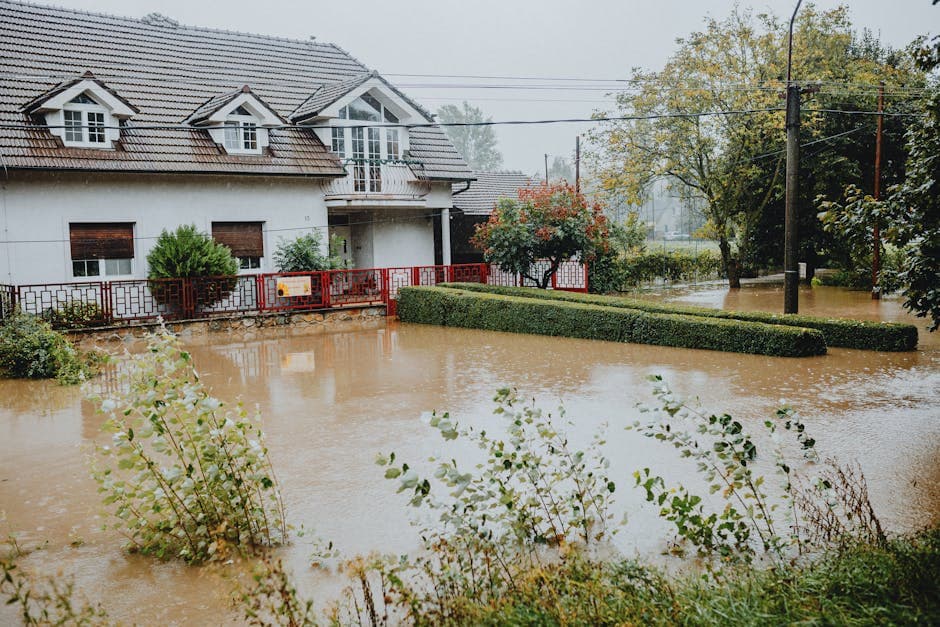
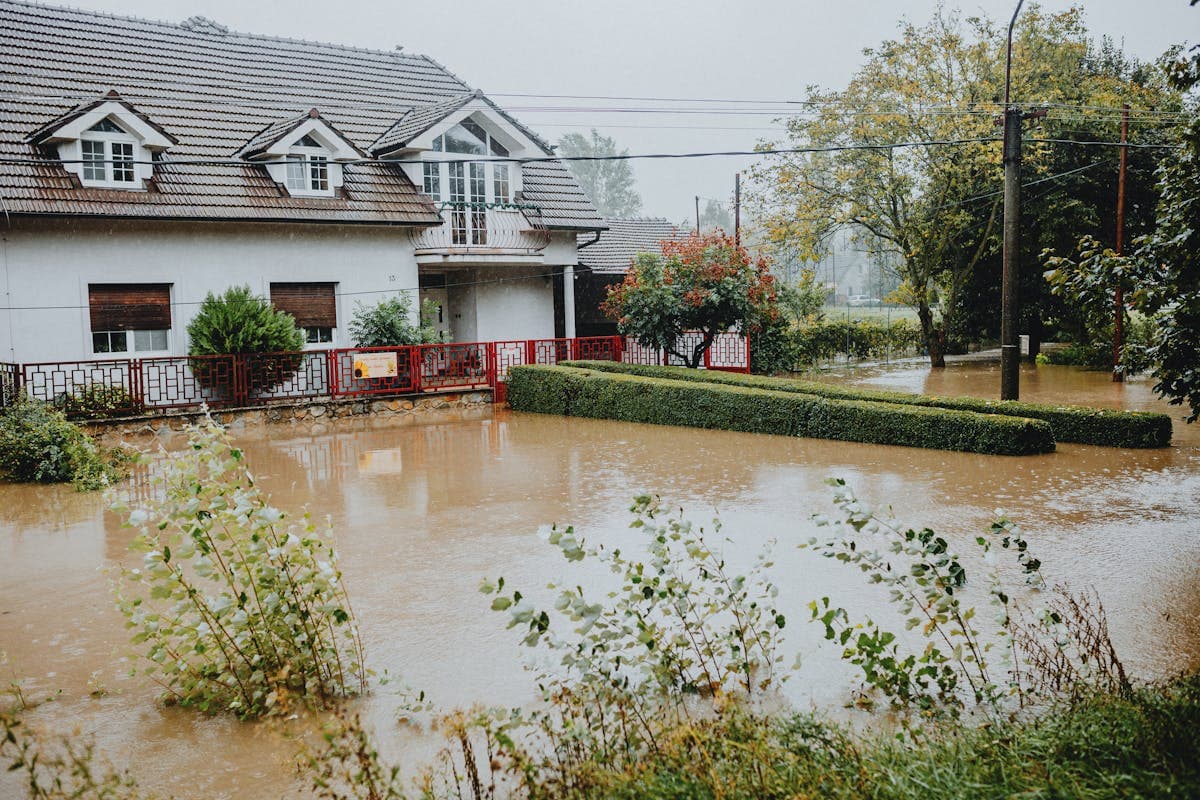
It is late June in North Texas, and that means one thing for McKinney homeowners: summer thunderstorm season is here. Unlike the spring storms that come with days of advance warning from the weather service, summer storms in Collin County pop up fast. A clear sky at 3 PM turns into a wall of rain by 4 PM. By 5 PM, streets on the north side of McKinney near Eldorado Parkway are underwater, and homes in the older sections around the historic downtown square are taking on water through foundation cracks that were bone-dry two hours earlier.
We know this because we respond to these calls. GOAT Home Services has been handling emergency water extraction and flood cleanup in McKinney for over a decade. We have pulled water out of slab-foundation homes in Stonebridge Ranch, crawlspaces in the historic district, and finished basements in the newer developments off Hardin Boulevard. Summer flash flooding is different from the river flooding that makes the news, and it catches more homeowners off guard because it happens so fast.
Why Summer Storms in McKinney Cause Flash Flooding
McKinney sits in Collin County, about 30 miles north of Dallas, and its geography makes it prone to flash flooding during summer thunderstorms. The city has grown fast over the past 20 years, with new neighborhoods and commercial developments replacing open fields and farmland. Every acre of new construction replaces ground that used to absorb rainwater with roofs, driveways, and streets that send that water somewhere else. When a summer thunderstorm drops 3 inches of rain in 45 minutes, that runoff has nowhere to go but into low-lying streets and yards, and from there into homes.
The McKinney area also has the characteristic north Texas clay soil, which shrinks during the dry stretches between storms and leaves gaps around foundations. When the rain hits, water follows those gaps straight into basements and crawlspaces. A home that has never had a water problem can suddenly have 2 inches of standing water in the basement after one summer storm because the soil around the foundation dried out, cracked, and became a highway for water.
Summer thunderstorms are also shorter and more intense than spring storms. A spring storm might drop 2 inches of rain over 6 hours. A summer storm drops 3 inches in 45 minutes and then moves on. That intensity overloads storm drains and drainage ditches that might handle slow, steady rain but cannot keep up with a sudden deluge. The result is street flooding that becomes home flooding within minutes.
What Happens When a McKinney Home Floods: The First 24 Hours
The first 24 hours after floodwater enters a home are the most critical. Water does not just sit there. It spreads. It wicks up drywall, moves under baseboards, seeps into subflooring, and soaks into the bottom of cabinets. Within 12 to 24 hours, mold spores that are present in every home begin to germinate on wet surfaces. By 48 hours, visible mold growth can appear on baseboards, drywall, and carpet padding.
Warning
If your McKinney home has standing water from a summer storm, the clock starts the minute the water stops rising. Every hour you wait to start water extraction makes the damage worse and the restoration more expensive. Mold remediation after a flood can cost 3 to 5 times what the water extraction and drying would have cost if done immediately. Call (469) 525-2254 for 24/7 emergency water extraction anywhere in McKinney.
Here is what happens inside your home during the first 24 hours after floodwater enters, hour by hour:
-
Hour 0 to 1: Water enters and spreads. Floodwater follows the path of least resistance. It flows downhill through the lowest points in the home, pools in low spots on the floor, and starts wicking into drywall along the water line. If your home has a slab foundation, the water moves across the slab and into every room on that level. If you have a crawlspace, the water saturates the soil beneath the home and wicks up through the floor joists.
-
Hour 1 to 4: Absorption accelerates. Drywall acts like a sponge. The first inch above the water line absorbs moisture rapidly. Carpet padding (the foam layer beneath the carpet) acts as a water reservoir, holding many times its weight in water and keeping the subfloor wet for days if not removed. Baseboards and trim swell and separate from the wall.
-
Hour 4 to 12: Saturation deepens. Water moves upward in drywall at about 1 inch per hour through capillary action. By hour 8, drywall 8 inches above the water line is wet. Subflooring (oriented strand board / OSB or plywood) begins to delaminate. Electrical outlets and switches below the water line are compromised and must be replaced. Water makes its way into cabinets from underneath, soaking the bottoms and particleboard components.
-
Hour 12 to 24: Mold germination begins. Mold spores, which exist in every home at low levels, begin to germinate on wet surfaces. You will not see visible mold yet, but the biological process has started. The window for drying without mold remediation is closing fast. Any material that cannot be fully dried within 48 hours must be removed and replaced.
McKinney Flood Damage: What Gets Damaged and What Can Be Saved
Not everything that gets wet in a flood is ruined. The difference between saving something and having to replace it depends on the material, how long it was wet, and what kind of water caused the damage. Summer flash flooding usually produces Category 1 water (clean rainwater that has not flowed over contaminated surfaces) if it enters through foundation cracks or window wells. If the water came from a street that overflowed or a drainage ditch, it is Category 2 or 3 water and everything it touches must be treated as contaminated.
| Material | Typical Outcome | Drying Window | Cost to Replace |
|---|---|---|---|
| Drywall (finished) | Cut and remove 12+ inches above water line. Cannot be dried in place. Must be cut out and replaced. | None. Always remove. | $2-$4 per sq ft installed, taped, textured, and painted |
| Carpet and padding | Padding always removed and replaced. Carpet may be salvageable if dried within 48 hours with commercial air movers. | 24-48 hours | $3-$7 per sq ft for carpet + padding + installation |
| Hardwood flooring | Engineered hardwood may be salvageable. Solid hardwood often buckles and requires replacement. Both require immediate drying. | 24-48 hours | $8-$15 per sq ft installed |
| Cabinets | Plywood cabinets may survive if dried quickly. Particleboard cabinets must be replaced if they got wet at the bottom. | 24 hours for particleboard, 48 for plywood | $200-$500 per linear foot for replacement |
| Baseboards and trim | MDF baseboards swell and must be replaced. Solid wood baseboards may be salvageable if dried and refinished. | 24 hours | $2-$5 per linear foot installed |
| Insulation (wall) | Fiberglass batt insulation in wet walls must be removed and replaced. It will not dry in place and traps moisture against the studs. | None. Always remove. | $1-$3 per sq ft to remove and reinsulate |
Our Recommendation
When the water recedes, do not assume that drying out a wet basement with fans and a dehumidifier is enough. The real damage is happening inside walls, under flooring, and in the crawlspace where standard consumer equipment cannot reach. We recommend having a professional restoration company assess the full extent of water intrusion within the first 24 hours, especially if the water entered through foundation cracks or around window wells. A professional moisture meter and thermal imaging inspection reveals hidden moisture that you cannot see or feel.
Insurance Coverage for Summer Storm Flooding in McKinney
Insurance coverage for flood damage in McKinney depends entirely on whether you have flood insurance through the National Flood Insurance Program (NFIP) or a private flood policy. Standard Texas homeowners insurance policies (HO-3 and HO-5 forms) do not cover flood damage from rising water or storm surge. They cover water damage from sudden, accidental events like a burst pipe or an overflowing toilet, but not water that enters the home from the outside due to rain, runoff, or rising water levels.
However, there is an important distinction that many McKinney homeowners miss. If a summer storm damages your roof and rain enters through the roof opening, that is typically covered by your homeowners policy as wind-driven rain damage. If the same storm causes water to seep through your foundation or enter through a window well because of standing water in the yard, that is flood damage and requires flood insurance.
About 15 percent of McKinney homes are in FEMA-designated flood zones (primarily along the East Fork of the Trinity River and around Towne Lake), and those homeowners are required to have flood insurance if they have a mortgage. But the other 85 percent of McKinney homes are in low-to-moderate risk zones, where flood insurance is optional. And that is where the gap is. Flash flooding from summer storms does not care about FEMA flood zones. A home in a moderate-risk zone on a flat lot can flood just as badly as a home in a 100-year floodplain when 3 inches falls in 45 minutes.
If you have flood insurance, the coverage typically includes structural damage (drywall, flooring, cabinets, insulation, electrical, HVAC equipment) and contents (furniture, appliances, personal belongings) up to your policy limits. The standard NFIP policy has a $250,000 building limit and a $100,000 contents limit for residential properties. There is a 30-day waiting period for new NFIP policies, so buying it during a storm watch will not help for this storm.
Key Takeaways
Summer flash floods in McKinney happen fast and cause damage that extends far beyond what is visible on the surface. The clay soil that surrounds McKinney foundations creates a direct path for rainwater to enter basements and crawlspaces during intense summer storms. Standard homeowners insurance does not cover flood damage from outside water. The first 24 hours after flooding are the most critical for preventing secondary damage from mold and material degradation. Professional water extraction and drying within those first 24 hours is the single most effective step you can take to limit total damage and keep restoration costs manageable.
What to Do After a Summer Storm Floods Your McKinney Home
If a summer thunderstorm has pushed water into your McKinney home, here is the sequence of steps to take, in order:
- Make sure the home is safe. Do not walk through standing water if there is any chance that electrical outlets, appliances, or wiring are submerged. Turn off the power at the breaker panel if you can do so without standing in water. If you cannot reach the panel safely, call an electrician. Do not take risks with electricity in wet conditions.
- Call your insurance company or agent. Report the damage and ask what your policy covers. If you have flood insurance, start the claims process now. The adjuster will want photos and documentation of the water level. Take pictures of the standing water before you start cleanup.
- Call a restoration company immediately. The sooner water extraction and drying equipment starts working, the less damage your home will sustain. Call GOAT Home Services at (469) 525-2254. We respond 24/7 and can have a crew in McKinney within 60 minutes of your call with industrial pumps, air movers, and dehumidifiers.
- Remove standing water. Professional-grade pumps remove standing water much faster than shop vacs. A typical McKinney home with 2 inches of standing water in the basement requires pumping 1,500 to 3,000 gallons depending on the square footage. We do this in about 30 minutes with a gas-powered or electric submersible pump.
- Remove wet materials. Carpet padding, wet insulation, and water-damaged drywall at the base of walls must be removed to allow the structure to dry. This is called the tear-out phase, and it is the most physically intensive part of the process. In a typical McKinney flood response, we remove the bottom 12 to 24 inches of drywall from every affected wall, pull up carpet and padding in every wet area, and cut out wet insulation from the bottom of exterior walls.
- Set up drying equipment. Industrial air movers (high-velocity fans) and commercial dehumidifiers run continuously for 3 to 5 days to dry out the remaining structure. We check moisture levels daily with penetrating moisture meters to confirm when the target level (typically below 15 percent moisture content for wood framing) has been reached.
- Document everything. Keep all receipts, estimates, and communications with your insurance company and restoration provider. Take photos at every stage of the process. This documentation is critical for insurance claims and for verifying that the restoration work meets industry standards.
We handle all of these steps as part of our emergency flood response in McKinney. When you call us, we handle the entire process from water extraction to structural drying, working with your insurance company to make sure the scope of work matches what your policy covers. We have restored homes in Stonebridge Ranch, Craig Ranch, the Historic Downtown District, Tucker Hill, Trinity Falls, and every McKinney neighborhood in between.
How to Prepare for Summer Storms in McKinney Before They Hit
The best time to prepare for summer flash flooding is before the storm clouds form. Here are three steps McKinney homeowners can take right now to reduce their flood risk during summer thunderstorm season:
Check your foundation drainage. The clay soil around McKinney homes shrinks during dry spells and pulls away from the foundation, leaving visible gaps. Walk around your foundation at the end of a dry stretch (we are typically in one during late June between storms). If you see cracks wider than a quarter-inch between the soil and the foundation, fill them with topsoil or sand before the next rain. This direction is called grading regrade, and it is the cheapest flood prevention measure there is.
Clear your gutters and downspouts. Summer storms drop huge volumes of water in a short time, and clogged gutters send that water pouring over the edge against the foundation instead of carrying it away. Make sure downspout extensions carry water at least 5 feet from the foundation. In McKinney clay soil, water pools against the foundation where downspouts dump too close to the house, and that pooled water finds its way inside through even tiny cracks.
Know where your water shutoff and breaker panel are. If water enters your home, you need to be able to shut off the main water supply and turn off power to affected areas. Many McKinney homeowners have never located their main water shutoff valve. Find it now, before you need it. The same goes for the main breaker panel. If the panel is in the basement or garage (common in McKinney homes), make sure nothing is blocking access to it.
Frequently Asked Questions About Summer Flooding in McKinney
Does standard homeowners insurance cover flood damage in McKinney?
Standard Texas HO-3 and HO-5 homeowners policies do not cover flood damage from rising water, surface runoff, or water that enters the home from the outside due to rain or storm surge. These policies cover water damage from internal sources like burst pipes, overflowing appliances, and accidental discharge of water from plumbing systems. Flood damage requires separate flood insurance through the NFIP or a private insurer. The important distinction: if rain enters through a wind-damaged roof, that is typically covered. If it seeps through the foundation or enters from the yard, that is flood damage and requires flood insurance.
How soon after a flood does mold start growing?
Mold spores begin germinating on wet surfaces within 12 to 24 hours. Visible mold growth appears within 48 to 72 hours on porous materials like drywall, baseboards, and carpet padding. The key factor is the drying time: materials that are dried within 48 hours generally do not develop mold problems. Materials that stay wet longer than 48 hours should be removed and replaced. This is why professional water extraction and drying equipment within the first 24 hours is critical. Every hour of delay reduces the chance of drying without mold issues.
Is McKinney in a flood zone?
About 15 percent of McKinney properties are in FEMA-designated Special Flood Hazard Areas (SFHAs), primarily along the East Fork of the Trinity River and around Towne Lake. These properties are in the 100-year floodplain and require flood insurance for mortgage holders. The other 85 percent are in moderate-to-low risk zones. However, FEMA flood zones do not capture the risk of flash flooding from intense summer thunderstorms. Homes in moderate-risk zones on flat lots with clay soil can flood just as severely as homes in designated floodplains during a summer storm that drops 3+ inches in under an hour. If you live in McKinney, regardless of your flood zone designation, flood insurance is worth considering.
How much does flood cleanup and restoration cost in McKinney?
Flood cleanup and restoration costs in McKinney typically range from $3,000 for a partial basement or crawlspace flood (water extraction plus drying equipment for 3 to 5 days) to $15,000 or more for a full basement flood that requires drywall removal, insulation replacement, subfloor drying, and structural drying. The largest cost driver is the amount of material that must be removed and replaced rather than dried in place. Every linear foot of drywall that is cut out and replaced adds roughly $10 to $15 to the total. Every room of carpet that must be pulled and replaced adds $500 to $1,500 depending on the room size and carpet grade. The restoration industry standard for drying is 3 to 5 days of active drying equipment, followed by verification testing to confirm the structure is dry.
What should I do immediately after floodwater enters my home?
Step one: make sure it is safe to enter the affected area. Do not walk through standing water if electricity may be live. Step two: call your insurance company to report the damage. Step three: call a restoration company to begin water extraction immediately. GOAT Home Services responds 24/7 at (469) 525-2254 and can be at your McKinney home within 60 minutes. Step four: start documenting everything with photos and videos of the water level, affected areas, and any visible damage. This documentation is essential for the insurance claim. Do not start cleanup before documenting the damage unless the water is contaminated and presents a health hazard.
The Bottom Line: McKinney Summer Storms Are Not a Question of If, but When
Summer thunderstorms in McKinney are a fact of life in North Texas. The question is not whether your home will face a flash flood event, but whether you will be prepared when it happens. The difference between a $3,000 cleanup and a $15,000 restoration is almost always measured in hours: how quickly the water was extracted, how soon drying equipment was running, and whether hidden moisture was detected and addressed before it caused secondary damage.
If you live in McKinney and your home has taken on water from a summer storm, do not wait. The longer water sits, the more it damages, and the more the restoration costs. Call us at (469) 525-2254 for 24/7 emergency flood response. We will have a crew at your McKinney home within 60 minutes with extraction pumps, drying equipment, and the experience of having handled hundreds of summer storm flood events across Collin County.
GOAT Home Services provides emergency flood damage restoration and water extraction services throughout Dallas, Fort Worth, Plano, Frisco, McKinney, and every DFW suburb. Read our guide on water damage restoration costs in DFW for a broader breakdown of costs, and our guide on flooding in Dallas for general flood safety and preparedness tips. For McKinney homeowners, we also recommend reading about Category 3 water damage to understand the specific risks when floodwater is contaminated. Call (469) 525-2254 for a free flood damage assessment. We will be there within 60 minutes.